Beauty Tools Wholesale Trends and Supplier Selection Guide
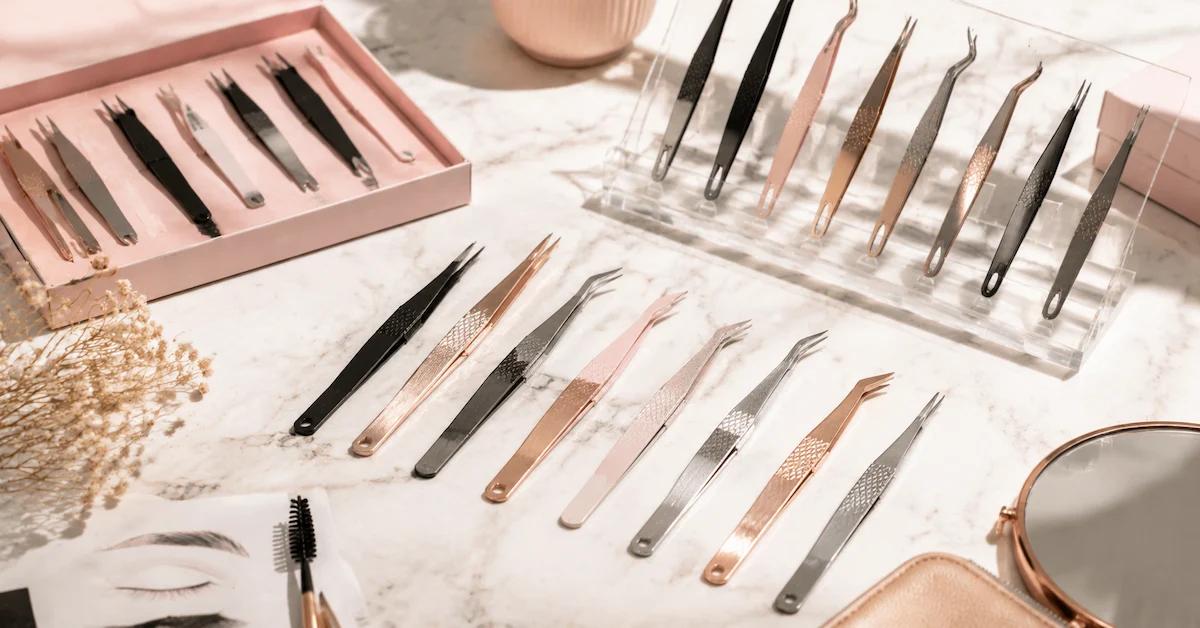
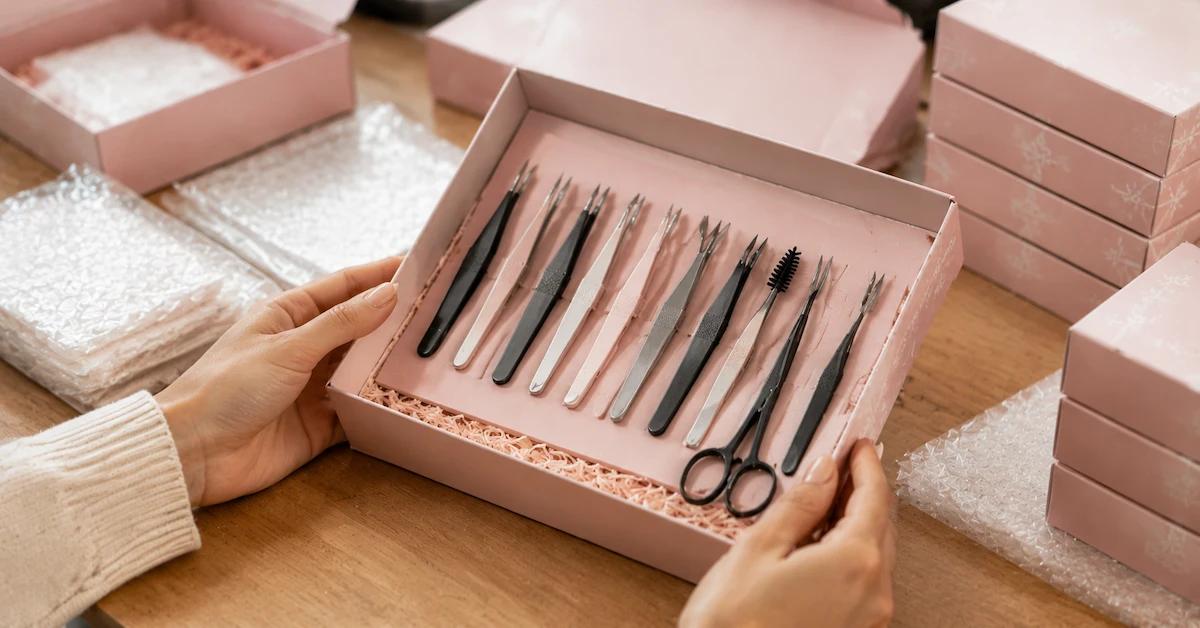
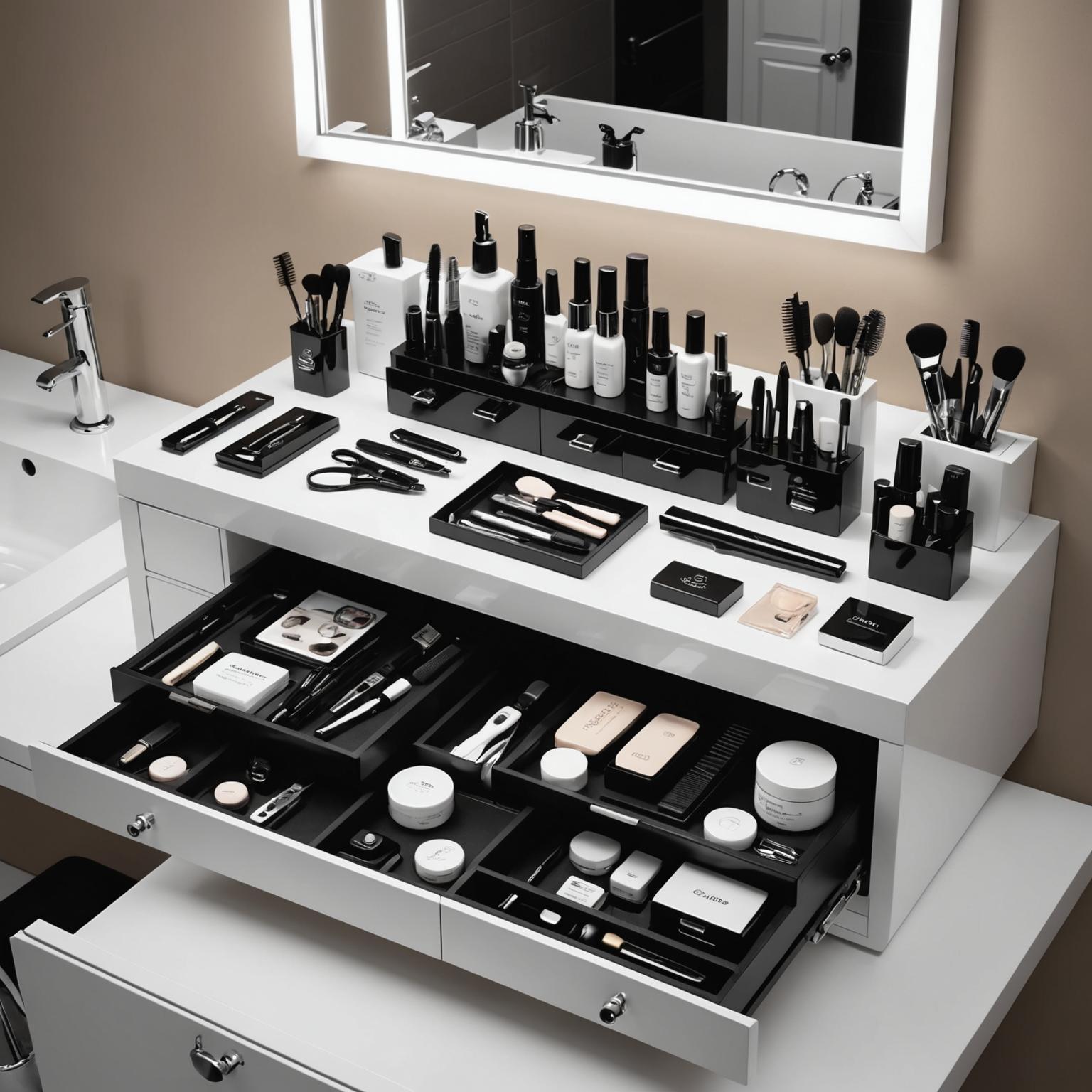
Beauty tools wholesale is growing because more consumers now treat personal grooming as a regular part of health, hygiene and self-care. Retailers, salon distributors, e-commerce sellers and private-label buyers are responding by looking for dependable products that are easy to use, consistent in quality and suitable for repeat purchase. The category includes daily-use essentials such as nail clippers, manicure tools, pedicure supplies, tweezers, cuticle tools and other personal care accessories.
For wholesale buyers, the opportunity is not simply to carry more products. It is to choose tools that match real user expectations: clean cutting performance, comfortable handling, safe edges, durable construction, practical packaging and dependable replenishment. A beauty tool that looks attractive but feels weak in the hand can quickly create returns or poor reviews. A basic nail clipper, on the other hand, can become a reliable volume item when it is well made, competitively positioned and easy for shoppers to understand.
This guide looks at current wholesale trends and the supplier questions that matter when sourcing from a professional beauty tools supplier such as Olimor Beauty. Buyers comparing categories can also browse beauty tool products or review broader product collections to plan a more balanced assortment.
Why Beauty Tools Wholesale Is Becoming More Selective
The wholesale beauty tools market has expanded alongside the rise of at-home grooming. Many consumers learned to maintain nails, brows and basic grooming routines at home, even if they still visit salons for more complex services. This has created a stronger market for tools that bridge the gap between household convenience and professional usability.
At the same time, buyers are becoming more selective. Low-cost tools still have a place, especially in promotional channels, but many retailers now prefer products that can reduce complaints and support repeat sales. The most important shift is from purely price-led purchasing to value-led purchasing. Buyers are looking at how a tool performs over time, how it is packaged, whether it feels safe, and whether it suits the intended customer.
Several trends are shaping this shift:
- Practical durability: Consumers want tools that do not bend, loosen or dull quickly under normal use.
- Ergonomic handling: Nail clippers, cuticle tools and pedicure items need to feel stable and controlled in the hand.
- Clear product purpose: Buyers prefer tools that explain their use clearly, such as fingernail clipping, toenail trimming, cuticle care or foot grooming.
- Hygiene awareness: Smooth surfaces, clean finishing and simple cleaning routines matter more than before.
- Assortment discipline: Retailers want fewer weak SKUs and more dependable core tools that move consistently.
Nail Clippers Wholesale: A Core Category With High Expectations
Nail clippers wholesale remains one of the most important segments in personal care tools. Nail clippers are small, familiar and widely used, but that does not make them simple from a sourcing perspective. A poor clipper can leave rough edges, require too much pressure or feel unstable during use. A well-designed clipper cuts cleanly, aligns properly and feels controlled.
When comparing nail clippers for wholesale purchase, buyers should evaluate both user experience and production consistency. Cutting edges should meet evenly. The lever should operate smoothly without feeling loose. The body should be shaped so the user can apply pressure comfortably. For toenail clippers, strength and jaw opening may be especially important because toenails are often thicker than fingernails.
Packaging also affects the success of nail clippers in retail channels. A clipper sold in a pharmacy, beauty store or online marketplace must communicate its function quickly. If the item is intended for fingernails, toenails, travel use or general grooming, the packaging and product listing should make that distinction clear. For wholesale buyers, this helps reduce confusion and improves conversion.
Nail clippers can also anchor a larger grooming assortment. A buyer might combine clippers with nail files, cuticle tools or pedicure accessories to create a practical range. The goal is not to add every possible item, but to build a selection that covers common personal care needs without overwhelming the customer.
Manicure and Pedicure Supplies: What Buyers Should Prioritize
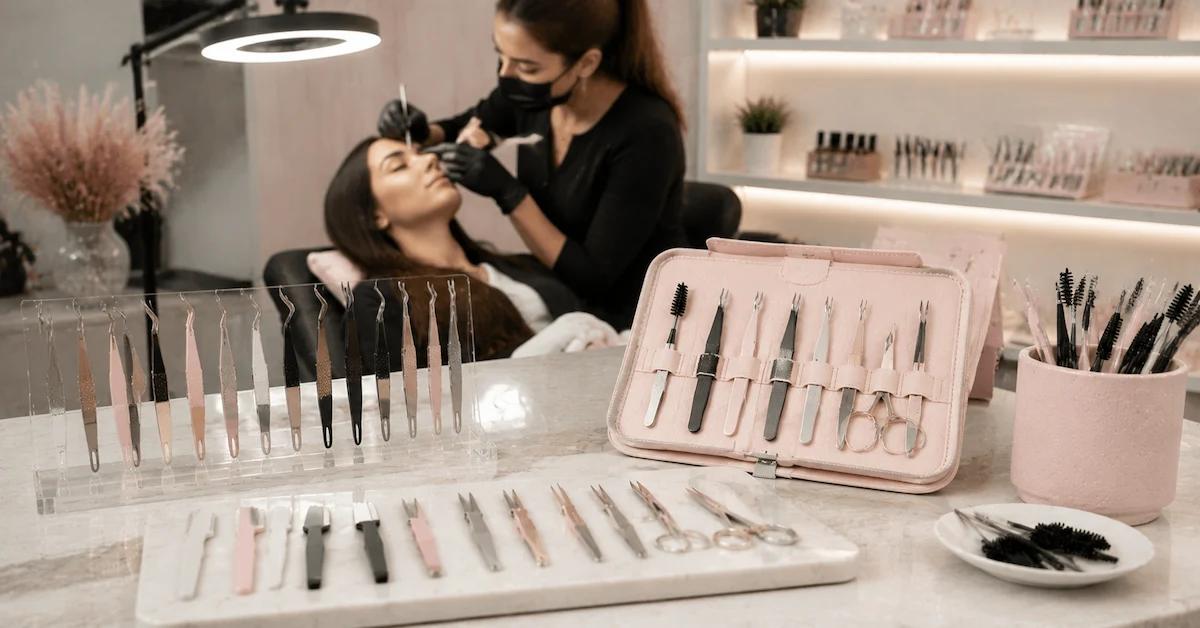
Manicure tools wholesale and pedicure supplies wholesale serve both home users and professional environments. While the end users may differ, the same basic expectations apply: the tool should be safe, comfortable and suitable for its stated purpose. Manicure tools often require precision and fine control, while pedicure tools may need more strength and stability.
For manicure selections, buyers often compare items such as nail clippers, cuticle pushers, nail scissors, tweezers and files. The key is to check finishing quality. Rough edges, inconsistent polishing or poor alignment can affect safety and perceived value. For pedicure supplies, buyers should pay close attention to grip, leverage and ease of cleaning. Foot-care tools may be used on tougher nails or skin, so the product should not feel flimsy.
A practical way to evaluate manicure and pedicure tools is to separate them by use case:
| Use case | Buyer focus | Why it matters |
|---|---|---|
| Home grooming kits | Easy handling, clear instructions, balanced assortment | Consumers need tools that are simple to understand and safe for routine care. |
| Retail single items | Strong visual packaging and obvious function | Shoppers make quick decisions in stores and online search results. |
| Salon or professional supply | Durability, consistent finish and cleanability | Tools may be used more frequently and must support professional standards. |
| Travel or compact grooming | Small size, secure storage and practical combinations | Portability matters, but the tool still needs reliable performance. |
This kind of use-case thinking prevents mismatched purchasing. For example, a compact travel clipper may be ideal for a convenience channel but less suitable as the main toenail tool in a pedicure range. Likewise, a heavier-duty pedicure item may not be the best choice for a small personal grooming kit.
How to Evaluate a Professional Beauty Tools Supplier
The supplier behind the product is as important as the product itself. Professional beauty tools suppliers help buyers manage consistency, assortment planning and quality expectations. A supplier should be able to discuss materials, finishing, packaging options and inspection steps in a clear and practical way, without relying only on broad claims.
When assessing a supplier, buyers should prepare a checklist before placing an order. This makes comparisons more objective and reduces the risk of choosing only by unit price.
- Confirm the intended market: Define whether the product is for retail, salon distribution, e-commerce, promotional use or private label.
- Review samples carefully: Test cutting, grip, alignment, surface finish and packaging presentation.
- Check consistency across samples: Several samples should feel and perform similarly, not like different versions of the same item.
- Clarify packaging requirements: Decide whether you need simple bulk packing, retail-ready packaging or customized presentation.
- Discuss inspection points: Align on what should be checked before shipment, such as appearance, function, labeling and packing accuracy.
- Plan assortment fit: Make sure each item has a clear role in your range rather than duplicating another SKU.
Olimor Beauty focuses on beauty tools for wholesale and professional sourcing needs, and buyers can use the company’s product pages as a starting point for category planning. If a buyer needs to compare product types or discuss a sourcing project, it is practical to contact Olimor with target channel, desired product category and packaging expectations.
Quality Details That Affect Customer Satisfaction
Beauty tools are tactile products. Customers judge them not only by appearance but also by how they sound, move and feel during use. Even small details can influence satisfaction. A clipper lever that rattles, a cutting edge that does not align, or a tool surface that feels rough can reduce confidence immediately.
For nail clippers, alignment is one of the most important points. The cutting edges should meet cleanly and should not require excessive pressure. For scissors or cuticle tools, smooth movement and controlled tips are important. For tweezers, tip alignment and grip tension are critical. For files or foot-care tools, abrasive consistency and secure handling matter.
Wholesale buyers should also consider cleaning and storage. Personal care tools are often used in bathrooms, salons or travel bags, so surfaces should be easy to wipe and the product should resist normal handling wear. Packaging should protect the tool during transport and display, especially for items with sharp or precise edges.
Another quality factor is product communication. Instructions, warnings and product descriptions should match the tool’s actual use. Overpromising can create dissatisfaction, while clear and accurate positioning helps customers choose the right tool. For online sales, product titles and images should identify whether a tool is for fingernails, toenails, cuticles, brows or general grooming.
Building a Wholesale Assortment That Sells Repeatedly
A strong beauty tools wholesale assortment usually combines everyday basics with targeted specialty tools. Everyday basics include nail clippers, tweezers and nail files. Specialty items may include pedicure-focused tools, cuticle care tools or compact grooming sets. The right mix depends on the sales channel and customer profile.
For a mass retail or pharmacy channel, buyers may want simple, clearly packaged items at accessible price points. For a beauty specialty store, a broader manicure and pedicure selection may make sense. For professional supply channels, buyers may prioritize durability, finish and repeat availability. For e-commerce, search intent matters: product names, images and descriptions should match how customers look for the item.
It is also useful to avoid unnecessary overlap. Carrying five similar nail clippers with no clear difference can make purchasing and merchandising harder. A more effective structure might include a standard fingernail clipper, a stronger toenail clipper, a compact travel option and a small manicure set. Each item has a defined role, making the range easier to present and easier for customers to shop.
Sourcing Decisions for the Next Stage of Beauty Tools Wholesale
The future of beauty tools wholesale will likely favor suppliers and buyers who focus on practical performance rather than short-term novelty. Trends matter, but the strongest products are still those that solve everyday grooming needs reliably. Nail clippers should cut well. Manicure tools should feel precise. Pedicure supplies should be sturdy and easy to handle. Packaging should make the product understandable, and quality should be consistent from order to order.
For buyers planning a new range or improving an existing one, the best starting point is a clear sourcing brief. Define the target user, sales channel, expected packaging format, product function and quality priorities. Then compare samples against those requirements. This approach helps buyers make better decisions and reduces the chance of adding products that do not fit the market.
Olimor Beauty supports wholesale beauty tool sourcing for buyers evaluating nail clippers, manicure tools, pedicure supplies and related personal care items. To begin a product discussion, you can send an inquiry with the categories you are considering and the market you plan to serve. A thoughtful selection process will help build an assortment that is useful for customers and sustainable for long-term wholesale growth.
Tag: