

How to Choose Tweezers Exporters for B2B Beauty Supply and ODM Projects
For beauty brands, distributors, salon suppliers and private-label buyers, tweezers are small products with a large impact on customer trust. A pair that grips cleanly, aligns correctly and feels stable in the hand can become a repeat-purchase item. A pair that slips, pinches skin or loses tension quickly can damage a product line even when the packaging looks polished. That is why choosing among tweezers exporters should be treated as a product development decision, not only a purchasing task.
The best sourcing process looks beyond a price list. It considers tip precision, material consistency, surface finishing, ergonomic comfort, inspection routines, packaging readiness and the exporter’s ability to support repeat orders. Whether you are buying finished B2B beauty supplies or planning a tweezers ODM project, the goal is the same: dependable grooming tools that match the expectations of your market.
What B2B Buyers Should Expect from a Tweezers Exporter
A reliable exporter should help you reduce uncertainty before an order is placed. For tweezers, that begins with the product itself. Stainless steel tweezers are commonly selected for beauty supply channels because they are durable, clean in appearance and suitable for repeated grooming use. However, the value of stainless steel depends on how the tool is formed, finished and inspected. Buyers should pay attention to the way the arms meet, the spring tension, the symmetry of the tips and the consistency of the surface treatment.
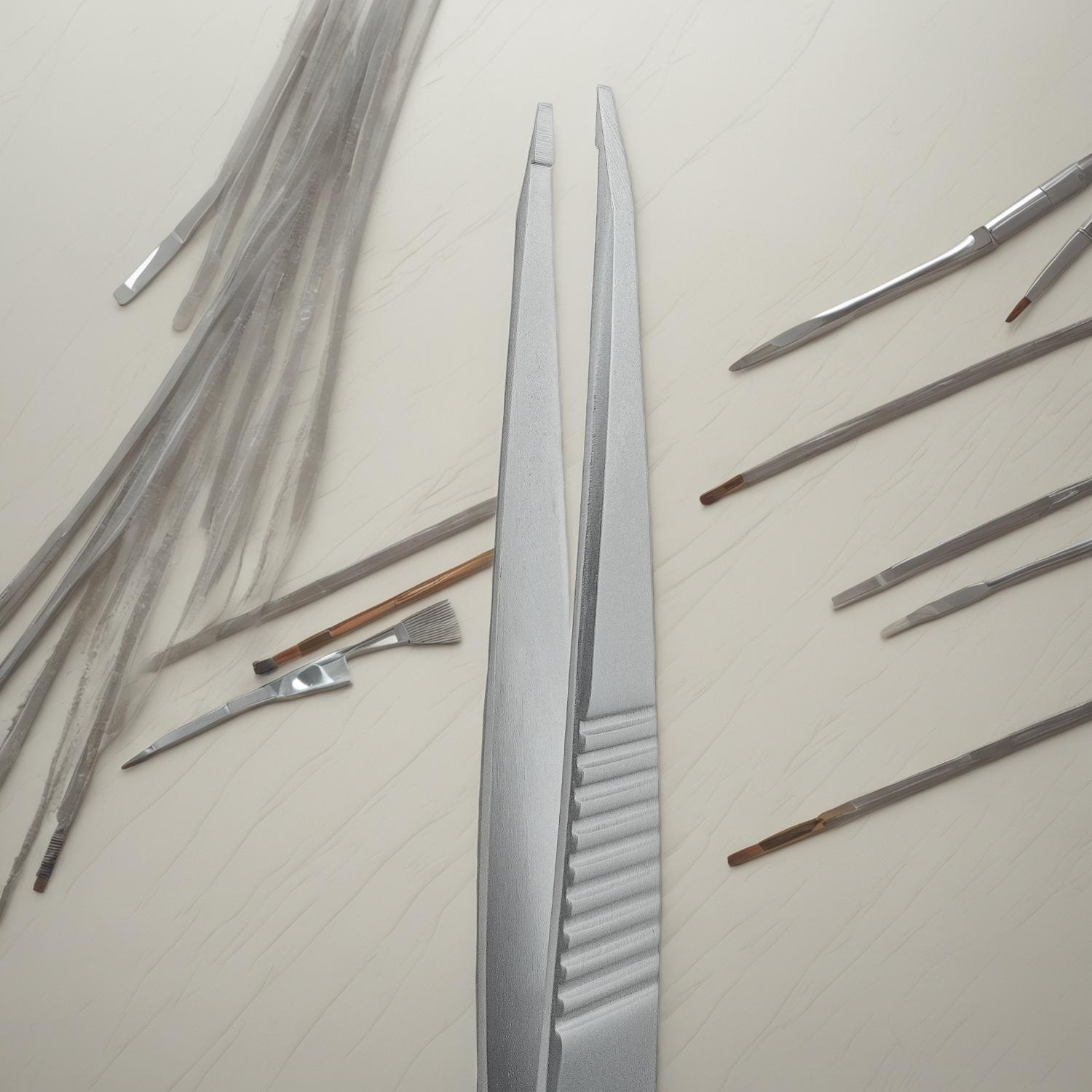
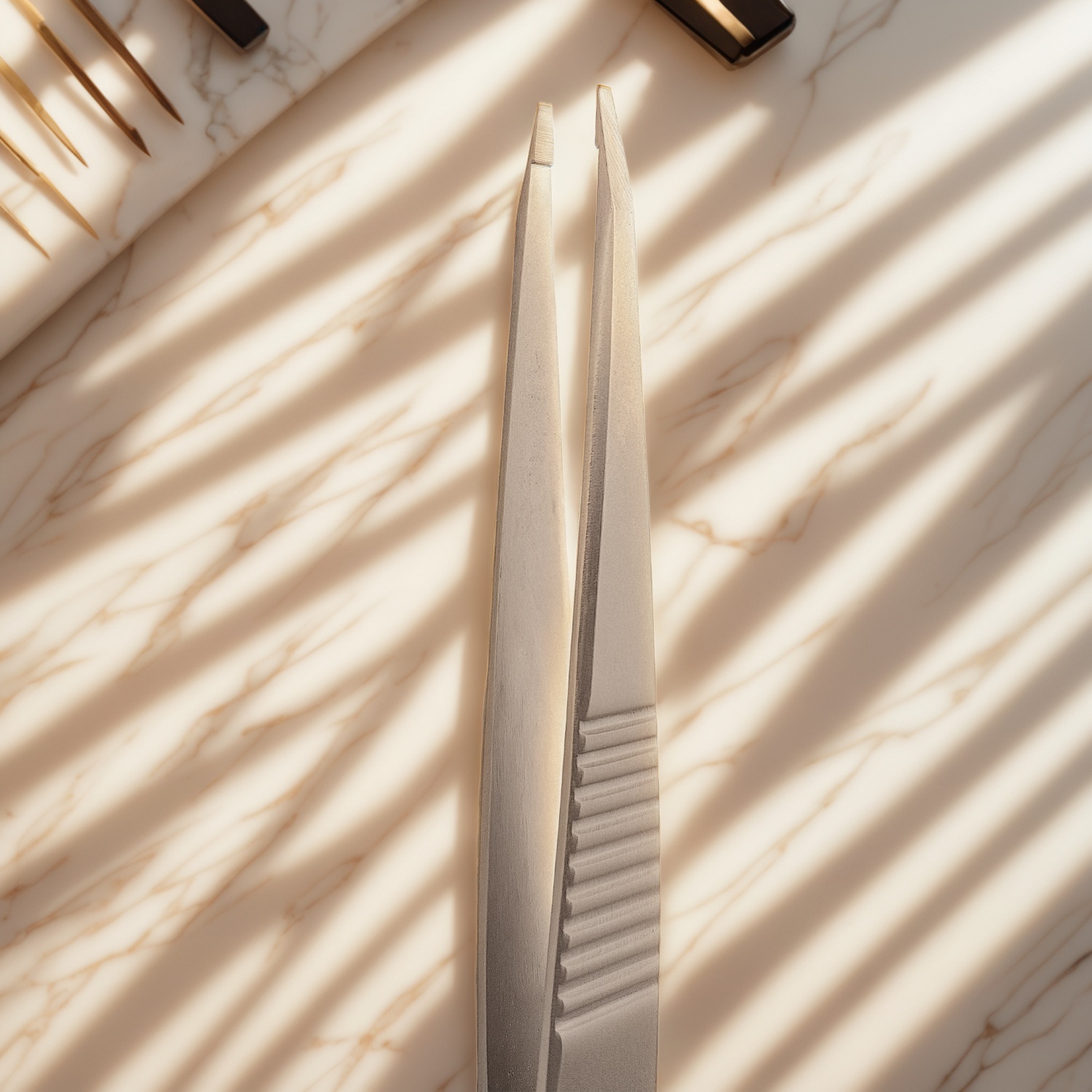
Olimor Beauty focuses on precision grooming tools for professional and consumer beauty use, including stainless steel tweezers with ultra-fine tapered tips and non-slip grooved handles. These features are especially relevant for eyebrow shaping, detail work and salon retail programs where users expect controlled grip and comfort. For B2B buyers, the advantage is not only the feature list but the ability to evaluate whether those features are repeatable across a production run.
Before comparing suppliers, define your sales channel. A salon distributor may prioritize hand feel and long service life. An e-commerce brand may need consistent appearance, clear product photography and packaging that protects fine tips in transit. A retail buyer may focus on clean finishing and ease of display. The clearer your channel requirements, the easier it is to select the right export partner.
Key Quality Checks for Precision Tweezers
Quality control for tweezers should be practical and visible. Buyers do not need to become engineers, but they should know which details affect performance. A beautiful surface finish is not enough if the tips do not meet evenly. A slim profile is not useful if the handle flexes too much or feels unstable.
- Tip alignment: The two tips should meet cleanly without visible crossing, twisting or gaps that cause hair to slip.
- Tip finish: Ultra-fine tapered tips should feel precise, not rough or uneven. Poor finishing can reduce grip and comfort.
- Tension: The arms should open and close smoothly. Too much tension causes fatigue; too little tension reduces control.
- Handle security: Non-slip grooved handles help users maintain a stable hold, especially during detailed grooming.
- Surface consistency: The finish should look uniform across pieces, with no obvious scratches, burrs or discoloration.
- Packaging protection: Fine tips should be protected so they do not deform before reaching the end user.
When reviewing samples, test more than one piece. A single excellent sample does not prove order consistency. Compare several units side by side and record observations. This gives your purchasing team a simple reference when approving pre-production samples or discussing improvements with the exporter.
ODM Tweezers: When Custom Development Makes Sense
Tweezers ODM services are useful when a brand wants more than a standard catalog item. ODM can support product differentiation through handle shape, grip texture, finish direction, packaging concept or a combination of functional and visual choices. The most successful ODM projects begin with a practical brief rather than a vague request for something “premium.”
For example, if your audience includes brow artists, your brief might emphasize ultra-fine tapered tips, balanced tension and a handle that remains stable during close-up work. If your product is intended for everyday retail customers, the brief might prioritize comfort, easy handling and simple care instructions. In both cases, the supplier’s manufacturing knowledge helps turn the idea into a product that can be produced consistently.
Buyers should also separate decoration from function. Color, logo placement and packaging help create shelf appeal, but the tweezer must still grip well. A strong ODM partner will help keep the functional details at the center of development. Olimor Beauty’s approach to ergonomic design and precisely engineered features is relevant here because the design of the arm, tip and handle all affects the user experience.
Questions to Prepare Before Comparing Exporters
A focused inquiry saves time and improves the quality of supplier responses. Instead of sending a general message asking for “best tweezers,” prepare a short technical and commercial outline. You can review Olimor’s broader beauty tool products to understand the type of grooming tools that may fit your assortment, then organize your request around the actual use case.
- Who is the target user: salon professional, brow technician, home grooming customer or retail gift buyer?
- Which tip style and level of precision does the product require?
- Do you need a standard stainless steel tweezer or an ODM development based on your brand direction?
- What packaging format is needed for your sales channel?
- What inspection points should be confirmed before shipment?
- Will the product be sold alone or as part of a grooming set?
- What labeling, instruction or barcode requirements apply to your market?
These questions do not require you to know every factory detail. They simply help the exporter understand your priorities and respond with suitable options. If you are building a larger beauty tool line, browsing product collections can also help you decide whether tweezers should be matched with other grooming tools for a more complete assortment.
Finished B2B Supply vs. Custom ODM: A Practical Comparison
Not every buyer needs custom development. Some distributors benefit from sourcing proven finished items, while brand owners may need more control over details. The table below highlights typical decision points.
| Buying approach | Best for | Main advantage | Key point to verify |
|---|---|---|---|
| Finished B2B tweezers | Distributors, salon suppliers, fast assortment expansion | Quicker selection and easier repeat purchasing | Consistency of tip alignment, handle feel and packaging protection |
| ODM tweezers | Private-label brands and differentiated retail programs | More control over design, grip, finish and brand presentation | Clear development brief, sample approval and production repeatability |
| Set-based sourcing | Gift packs, grooming kits and beauty bundles | Creates a complete consumer offer | Compatibility of quality level and visual style across all tools |
This comparison can help buyers avoid overcomplicating a project. If the market need is immediate and the product already meets your quality expectations, a finished product may be the right choice. If your brand position depends on a particular feel, tip profile or presentation, ODM may provide stronger long-term value.
Maintenance and End-User Instructions Add Commercial Value
Many buyers focus on the purchase order and forget the after-sale experience. Tweezers last longer and perform better when customers know how to care for them. Including simple instructions in packaging or product pages can reduce complaints and reinforce the perception of quality.
Useful care guidance can include wiping the tips after use, storing tweezers with tip protection, avoiding drops that can bend fine tapered tips and keeping the tool dry after cleaning. These instructions are simple, but they matter. A pair of precision tweezers depends on alignment. If tips are damaged in a cosmetics bag or during shipping, the user may think the product was poorly made even if the issue occurred after purchase.
For e-commerce sellers, product pages should explain the use case clearly. Do not describe every tweezer as suitable for every task. If the design has ultra-fine tapered tips, position it for detailed grooming and precision work. If the handle has non-slip grooves, show why that matters for control. Specific language improves buyer confidence and supports organic search because it matches real customer questions.
Why Olimor Beauty Is Relevant for Tweezers Sourcing
Olimor Beauty supports B2B beauty buyers that need reliable grooming tools and ODM cooperation. The company’s focus on stainless steel tweezers, ergonomic design, ultra-fine tapered tips and non-slip grooved handles addresses the core concerns of professional and consumer markets: control, durability and comfortable handling. Just as important, a structured quality approach helps buyers evaluate products before committing to a wider rollout.
For brands comparing tweezers exporters, the strongest supplier relationship is built on clear requirements and careful sample review. Look for evidence that the exporter understands both manufacturing and the end user. Discuss tip precision, handle feel, inspection expectations and packaging protection early in the process. This reduces costly revisions and helps the finished product perform as intended.
If you are planning a sourcing project for tweezers, brow tools or a wider beauty tool assortment, you can send an inquiry with your intended market, product use and packaging needs. For questions about cooperation, product direction or ODM communication, you may also contact Olimor. A clear conversation at the start is the most efficient way to turn a small precision tool into a dependable product line.
Tag: