

OEM Custom Tweezers: How to Design a Useful, Brand-Ready Beauty Tool
OEM custom tweezers may look simple, but small design decisions affect how they grip fine hairs, sit in the hand, photograph for retail, and represent a beauty brand after repeated use. For brands, salons, gift programs and grooming retailers, the goal is not just to add a logo to a standard tool. A strong custom tweezer project balances precision, comfort, finish, packaging and quality control so the final product feels dependable in everyday grooming.
Olimor Beauty supports OEM custom tweezers for buyers who want stainless steel beauty tools with a personalized appearance and practical function. The original appeal of custom tweezers is clear: they can be adapted for eyebrow shaping, personal grooming, false lash application and small detail work such as removing splinters. To make those uses successful, buyers should define the user, the preferred tip type, the finish, the grip feel and the packaging experience before production decisions are finalized.
What Makes OEM Custom Tweezers Different from Standard Tweezers?
Standard tweezers are usually selected from an existing design and purchased as-is. OEM custom tweezers allow more control over the features that influence appearance and usability. Depending on the project, customization may involve the material choice, tweezer shape, surface finish, grip area, logo placement, color direction, packaging format or a combination of these elements.
For a beauty brand, that flexibility matters because tweezers are often sold as small but high-touch products. A customer may use them several times a week for brow maintenance, lash placement or precise grooming. If the tips do not align well, if the grip feels slippery, or if the tool looks inconsistent with the rest of the brand’s product line, the customer notices quickly.
Olimor Beauty’s custom tweezer approach centers on stainless steel construction, ergonomic design and internal quality controls that extend from raw material inspection to final packaging. Those steps are important because tweezers rely on close contact between two slim arms. Even a small alignment issue can affect whether the tool catches fine hair cleanly or slips during use.
Define the Use Case Before Choosing the Design
The best custom tweezer design starts with the task it needs to perform. A brow-focused tweezer may prioritize tip alignment and a comfortable angle for shaping. A lash-oriented tool may require easy handling near the eyelid, while a travel grooming product may emphasize lightweight portability and secure packaging. Buyers should avoid selecting a design based only on how it looks in a product image.
Useful planning questions include:
- Primary user: Is the product intended for professional salons, retail beauty customers, men’s grooming kits, travel sets or promotional gifting?
- Main task: Will it be used mainly for eyebrow shaping, false lash application, general grooming or multi-purpose detail work?
- Handling preference: Should the tweezer feel slim and light, or should it have a broader grip surface for steady control?
- Brand appearance: Does the design need a minimalist matte finish, a polished look, a soft color direction or a simple stainless steel presentation?
- Packaging environment: Will the tweezer be displayed in retail packaging, included in a set, shipped to salons, or sold through an online store?
When these points are settled early, it becomes easier to compare shapes, finishes and packaging options without losing sight of the final customer’s experience.
Tip Alignment and Grip Comfort Matter Most
A tweezer’s most important working area is the tip. Perfectly aligned tips help grasp fine hairs more reliably and reduce the need to repeat the same motion. For eyebrow shaping, alignment affects how accurately the user can isolate one hair. For false lashes, it affects how steadily the user can position delicate lash pieces. For splinter removal or other small detail tasks, it supports controlled contact with a tiny target.
Grip comfort is equally important. Tweezers that look attractive but feel awkward can cause hand fatigue, especially during longer grooming sessions or professional use. An ergonomic design should allow the user to squeeze the arms with control rather than force. A comfortable grip also supports more accurate movement because the hand does not need to overcompensate for a slippery or poorly balanced tool.
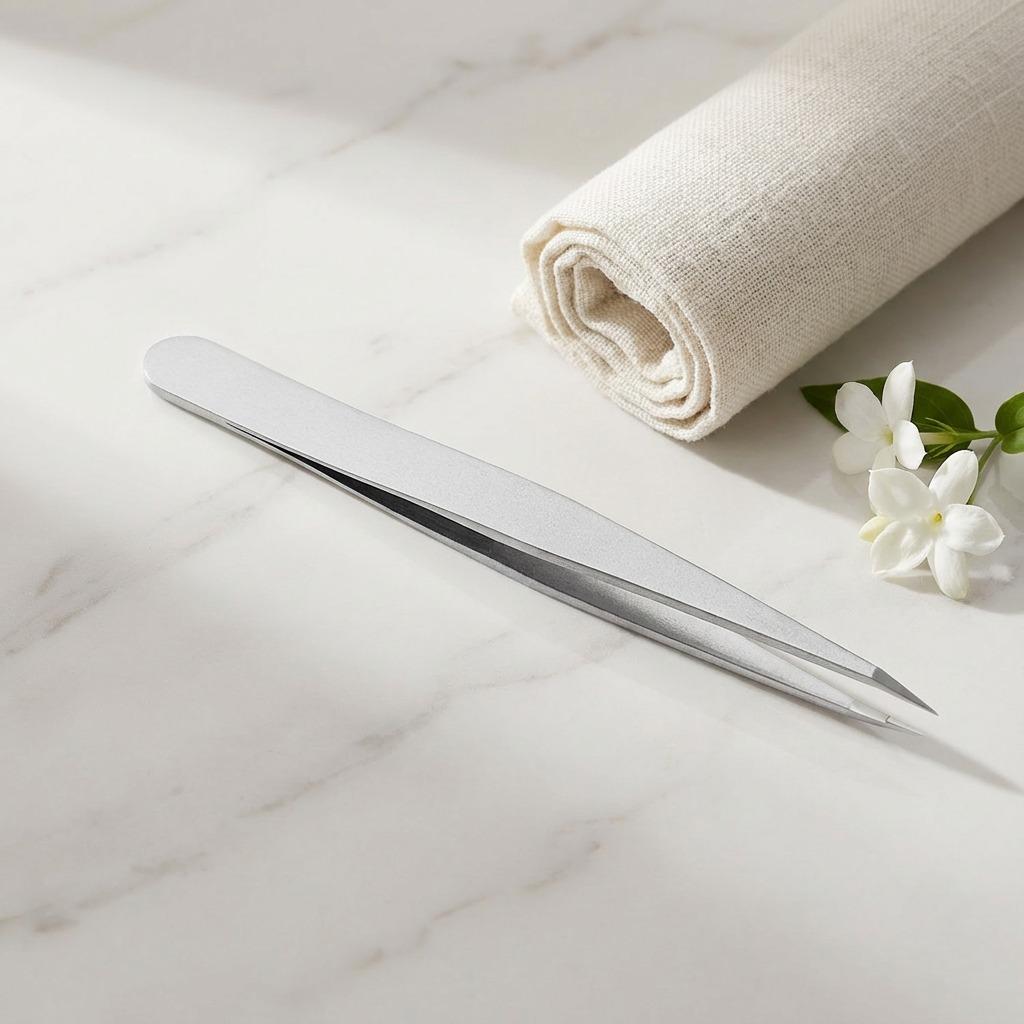
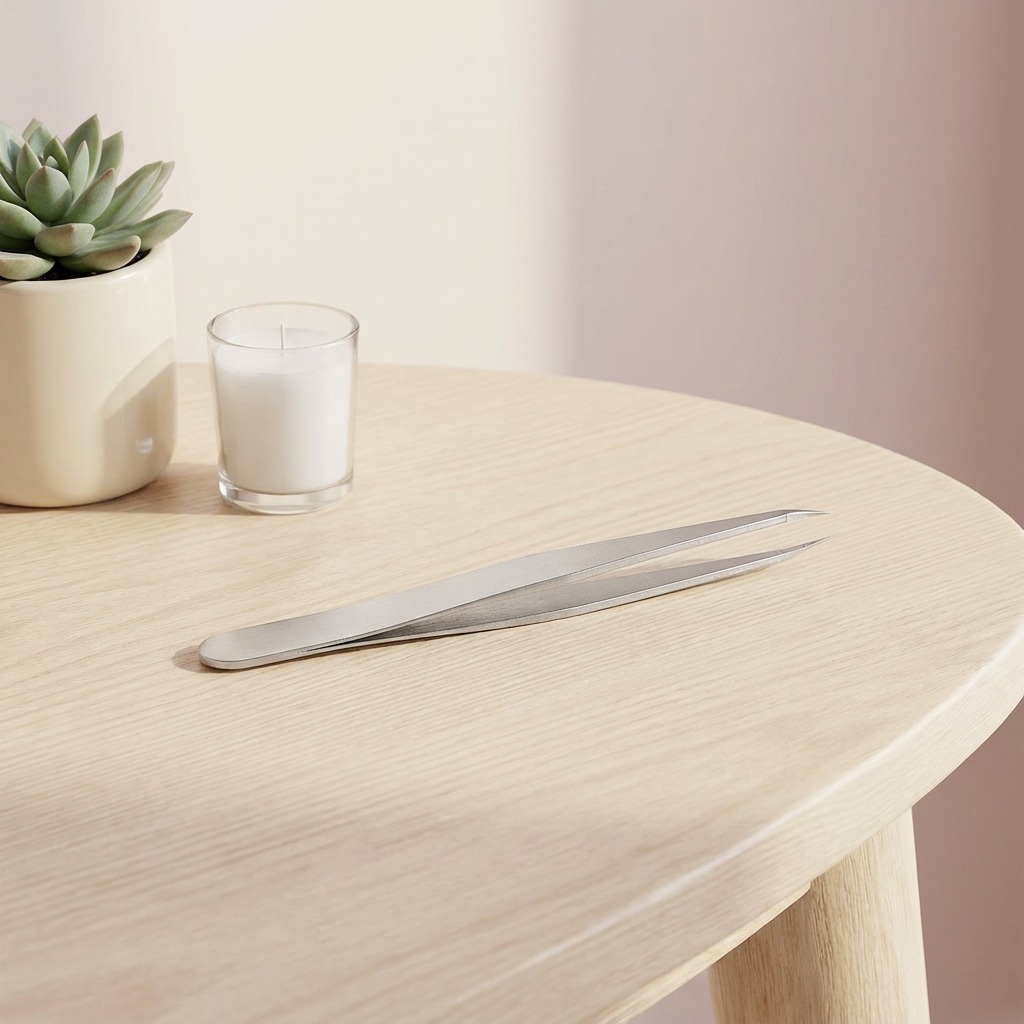
For OEM projects, buyers should review the grip area from both a visual and practical perspective. A matte surface can create a refined, modern look, while the overall shape should support steady handling. If the tool is part of a wider beauty line, the surface finish should also fit nearby products in the collection. You can compare broader categories through Olimor’s beauty tool products to think about how tweezers may sit alongside other tools in a retail or salon range.
Choosing Materials, Shape and Finish
The supplied product information highlights stainless steel tweezers, which are widely preferred in beauty tools because they provide a clean, durable base for repeated grooming use. For a custom project, material selection should be reviewed together with finishing and shape, because these elements influence both performance and presentation.
| Design decision | Why it matters | Buyer checkpoint |
|---|---|---|
| Material | Stainless steel supports a durable beauty tool structure and a professional feel. | Confirm the intended product positioning and care instructions for the end user. |
| Tip shape | The tip controls how the tweezer contacts fine hairs, lash pieces or small objects. | Match the tip to the primary use case rather than choosing by appearance alone. |
| Body shape | The tweezer arms affect squeeze pressure, balance and control. | Check whether the shape feels comfortable for short and repeated grooming motions. |
| Surface finish | A matte finish can create a sleek, understated look and reduce visual glare in photography. | Review how the finish pairs with logo placement, packaging and other tools in the line. |
| Packaging | Packaging protects the tips and communicates the brand’s quality level. | Consider retail display, shipping protection and whether the product is sold alone or in a set. |
Because every brand has a different audience, there is no single best design for all custom tweezers. A minimalist personal-care brand may prefer a clean matte finish and subtle logo. A salon supplier may focus more heavily on grip comfort and consistent tip alignment. A gifting program may place greater emphasis on packaging presentation and personalization.
Personalization Without Compromising Function
Personalized tweezers can help a beauty line feel more complete, but decoration should not interfere with the tool’s purpose. Logo size, color, finish and packaging artwork should be planned around the areas the user touches and the areas most likely to show wear. A good custom design makes the brand visible while keeping the working tip and grip experience practical.
Buyers who want to design their own tweezers should create a concise specification before comparing samples or discussing production details. The specification does not need to be overly complex, but it should capture the essentials:
- Target customer and sales channel.
- Main grooming use, such as eyebrow shaping or lash application.
- Preferred tweezer shape and handling style.
- Stainless steel finish direction, including matte or other visual preferences.
- Logo position and branding requirements.
- Packaging type and any required instructions or care text.
- Inspection points for tip alignment, surface appearance and packaging condition.
This kind of brief keeps the project focused. It also helps prevent a common problem in custom beauty tools: spending too much attention on surface appearance while leaving performance expectations unclear.
Quality Checks from Raw Material to Final Packaging
For tweezers, quality assurance should be visible in the details. The supplied information notes internal controls from raw material inspection through final packaging. That type of process is valuable because custom tweezers combine precision tooling with cosmetic presentation. Both need to be consistent.
Key quality checkpoints include the condition of the stainless steel, the consistency of the surface finish, the smoothness of the tweezer arms, the accuracy of tip alignment, and the final packaging condition. The tool should open and close evenly, and the tips should meet in a way that supports precise grasping. Packaging should protect the product from unnecessary scratches or tip damage before it reaches the customer.
Buyers can also define appearance tolerances for logo placement, finish consistency and packaging print. These checkpoints are especially important when tweezers are sold as part of a curated set or a branded retail program, where visual consistency across units affects customer perception.
Care, Handling and Customer Education
A well-designed tweezer lasts longer when the end user understands how to handle it. Care instructions do not need to be complicated, but they should be clear. Customers should keep the tips protected when the tweezer is stored in a makeup bag, avoid dropping the tool on hard surfaces, and clean it appropriately after grooming use. If the tweezer is included in a travel set, a sleeve, insert or structured package can help protect the tip area.
For online retail, product pages should explain the intended uses without exaggeration. Practical phrases such as “for eyebrow shaping,” “for fine grooming tasks,” or “for false lash placement” help customers choose correctly. Brands should also include close-up photos of the tip area and grip surface where possible, because these are the details buyers care about when comparing tweezers.
When to Start an OEM Custom Tweezer Project
Custom tweezers are a strong fit when a brand wants a compact beauty tool that can stand alone, complement a grooming kit or support a wider product collection. They are also useful for salons and retailers that want a personalized tool with a professional appearance and everyday practicality. If your range already includes brow, lash or grooming products, tweezers can be a natural extension because they support routine maintenance and detail work.
Before moving forward, review your expected customer, preferred finish, packaging plan and inspection priorities. Then compare how the tweezer will fit with your broader assortment through Olimor’s product collections. If you already have artwork, a product concept or a sample direction, you can send an inquiry or contact Olimor to discuss how the design should be prepared for an OEM custom tweezer project.
OEM custom tweezers work best when beauty, comfort and precision are considered together. With a clear use case, carefully chosen stainless steel design, comfortable grip, aligned tips and well-planned packaging, a small grooming tool can become a dependable part of a brand’s daily-use product offering.
Tag: