

Nail Clippers for Distributors: Practical Sourcing Guide
For distributors, a nail clipper is not just a small grooming item. It is a high-turnover personal care product that needs to be reliable, easy to explain to buyers, simple to pack, and consistent across repeat orders. A compact clipper can fit into many retail programs, from everyday personal care shelves to travel kits, salon add-ons, pharmacy assortments, hotel amenities, and promotional grooming sets. The buying decision often comes down to whether the product feels durable in hand, cuts cleanly, stores easily, and arrives with predictable quality.
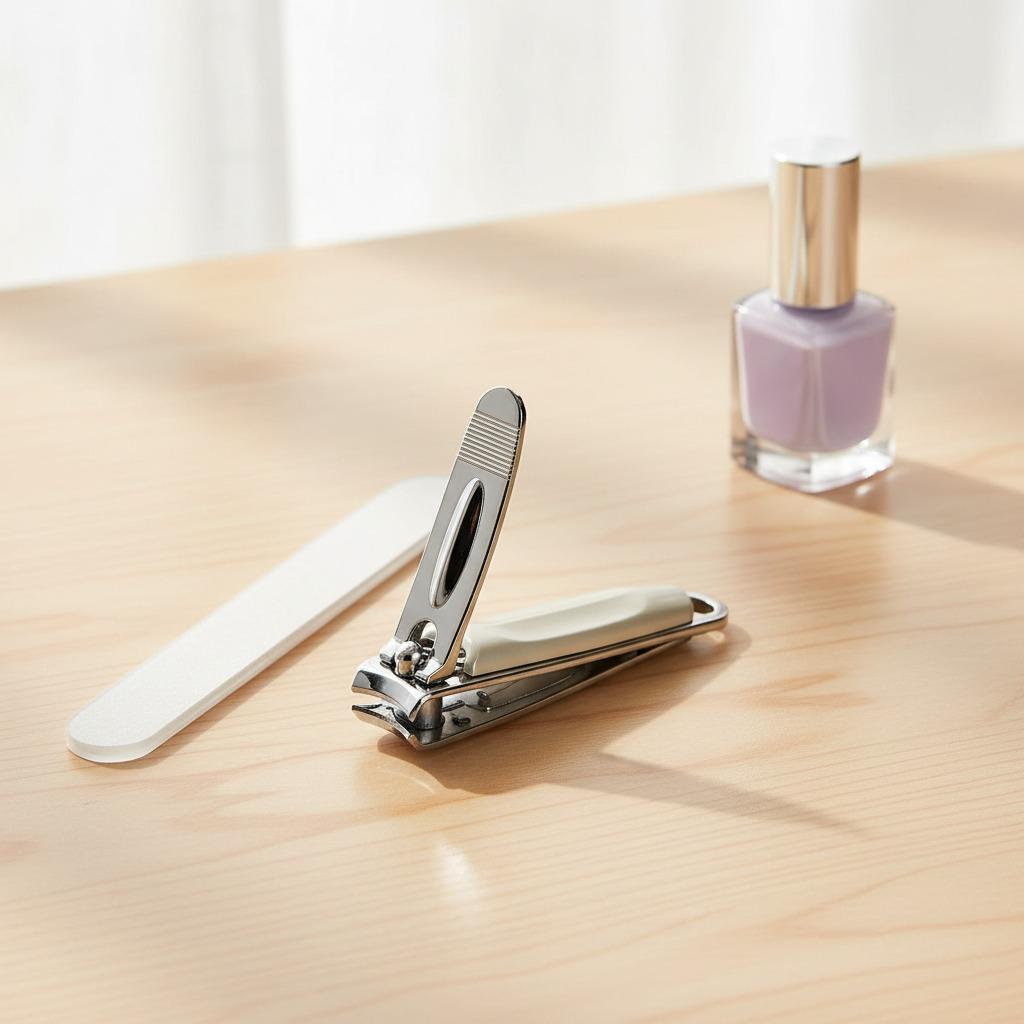
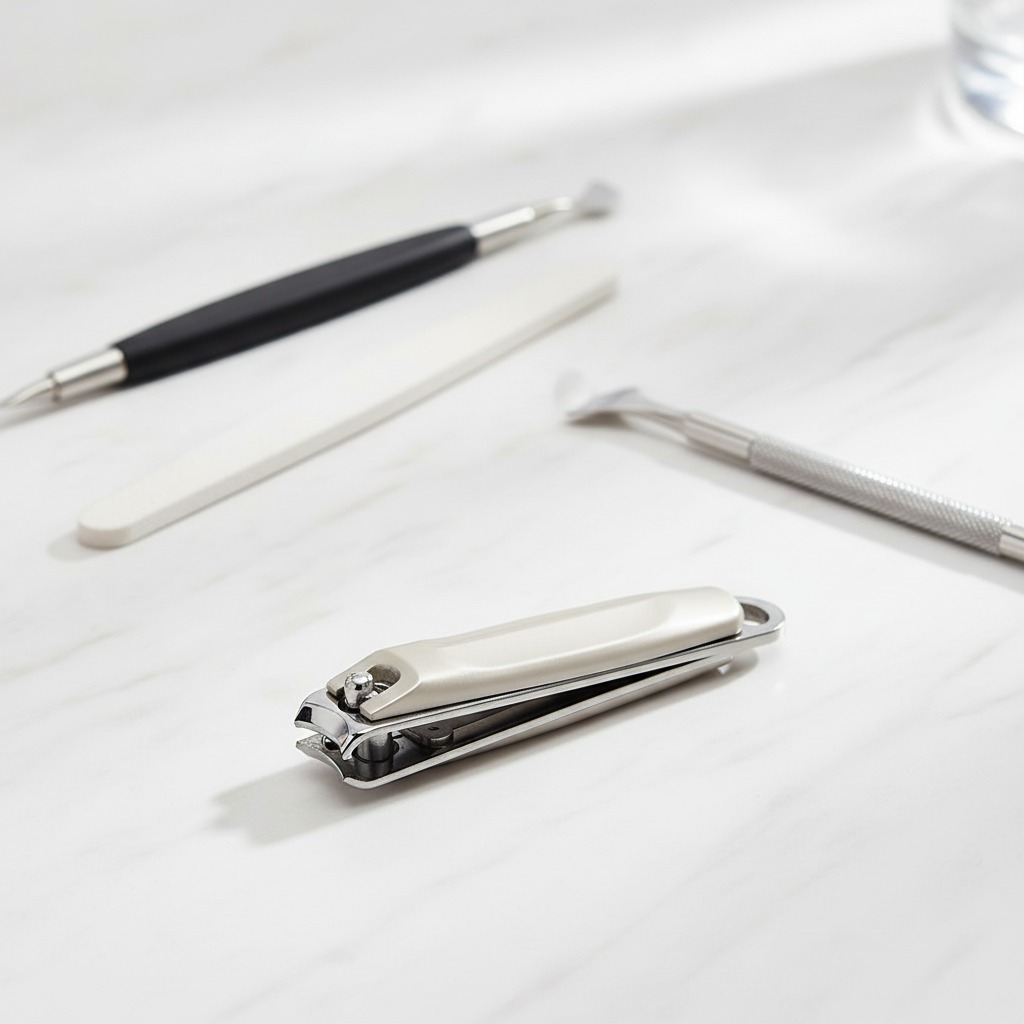
Olimor Beauty offers a stainless steel nail clipper designed for professional distribution channels. The clipper shown here measures 75 mm in length and 13 mm in width, with a weight of 36 grams. Those dimensions make it compact enough for bulk handling while still giving users enough grip area for controlled trimming. For distributors, retailers, and resellers, this balance matters: the product must be small enough for efficient inventory movement, but substantial enough to feel dependable to the end customer.
What Makes a Nail Clipper Suitable for Distribution?
A distributor-ready nail clipper should perform consistently across large quantities. Buyers are not only evaluating a sample; they are considering whether every carton, display, or refill order can satisfy the same expectations. A stainless steel construction is useful in this category because nail tools are often exposed to bathroom humidity, hand oils, and frequent handling. A polished finish also supports a clean retail appearance and helps the product look suitable for both personal and giftable grooming sets.
The 75 mm by 13 mm size is especially practical for mixed-channel selling. It is long enough for comfortable leverage yet compact enough for point-of-sale displays, pouches, travel cases, and small accessory packaging. At 36 grams, the clipper has enough weight to feel stable without creating unnecessary freight or storage burden. This is the type of detail distributors should document before placing a broader order, because size and weight affect shipping calculations, packaging design, and display planning.
Ergonomics also matter. A nail clipper that slips in the hand, feels awkward, or requires too much pressure may generate complaints even if the material looks acceptable. The buyer should check the lever movement, the alignment of the cutting edges, and the comfort of the grip. A clean cut is the central function; attractive finishing supports the sale, but the cutting experience is what determines repeat acceptance.
Selection Criteria for Retailers and Resellers
Retailers and resellers often need a product that is easy to position without long technical explanations. Nail clippers sell best when their benefits are visible and practical: compact size, stainless steel build, comfortable grip, sharp cutting edges, and a clean polished appearance. For a reseller, consistency can be even more important than novelty, because the product may be bundled with other grooming accessories or sold through marketplaces where reviews influence conversion.
When evaluating a nail clipper for retailers or resellers, use a checklist that goes beyond surface appearance:
- Cutting alignment: The upper and lower edges should meet evenly, without visible gaps or twisting.
- Lever resistance: The action should feel smooth and controlled, not loose, gritty, or overly stiff.
- Edge finish: Sharp edges should cut nails cleanly, while non-cutting surfaces should feel smooth enough for safe handling.
- Grip comfort: A compact clipper still needs enough surface area for stable pressure during use.
- Surface consistency: A polished stainless steel finish should be even across visible areas, especially for retail presentation.
- Packaging fit: Confirm whether the item will work in your blister pack, pouch, display box, travel kit, or other sales format.
- Barcode and labeling space: Retail channels often need room for product name, country information, usage notes, and compliance labels appropriate to the destination market.
This type of structured review helps avoid a common sourcing mistake: approving a product only because the first sample looks good. Distributors should define the acceptable range for appearance, handling, and packaging before scaling up.
Why Size, Weight, and Material Matter in Bulk Programs
Small grooming tools can create large operational differences when sold in volume. A few millimeters of packaging space may affect carton count, retail peg display density, and the ability to include the product in a travel kit. With a 75 mm length and 13 mm width, this nail clipper can be planned as a compact everyday tool rather than an oversized specialty item. Its 36 gram weight gives it a solid feel while keeping it manageable for multi-unit shipping.
Stainless steel is a common material preference for nail clippers because buyers associate it with durability and cleanliness. For distributors, it is important to evaluate both the base material and the finishing process. A stainless steel clipper with a polished finish can look suitable for many customer segments, from budget-conscious retail shoppers to salon accessory buyers. However, the product should still be checked for burrs, rough edges, uneven surfaces, and inconsistent lever movement.
For category managers building a broader grooming range, a compact clipper can also serve as an anchor item. It pairs naturally with tweezers, eyebrow tools, manicure accessories, and travel grooming products. You can review related beauty tool products to compare how nail clippers fit into a wider personal care assortment.
Export from China: What Distributors Should Plan Before Ordering
Nail clipper export from China can offer distributors access to established manufacturing supply chains and a wide variety of finishing, packaging, and assortment options. The best results come from clear planning before production begins. Instead of focusing only on unit cost, buyers should define how the product will be sold, how it will be packaged, and what quality expectations must be met at inspection.
For an export program, review the following practical points:
- Target sales channel: A pharmacy, supermarket, salon distributor, gift set supplier, and online reseller may all require different packaging and presentation.
- Market labeling needs: Destination markets may require specific language, importer information, safety warnings, recycling marks, or country-of-origin labeling.
- Inspection standards: Define what counts as an unacceptable defect, including misaligned blades, loose levers, scratches, stains, rough edges, or damaged packaging.
- Carton configuration: Confirm how the clipper will be packed for transport, storage, and distribution to your retail or wholesale customers.
- Sample approval: Keep an approved reference sample for comparing production quality, finish, and function.
These steps help distributors reduce uncertainty and communicate requirements clearly. If you are building a sourcing program and need to discuss product fit, packaging direction, or assortment planning, you can contact Olimor or send an inquiry with your market details.
Quality Checks That Protect Your Customer Relationships
A nail clipper is used close to the skin, so customers notice defects quickly. Even small issues such as uneven cutting, sharp burrs on the handle, weak leverage, or inconsistent finish can affect trust in the reseller or retailer. Olimor Beauty emphasizes quality checks from raw materials to final packaging, and distributors should align their own acceptance criteria with how the product will be sold.
A practical inspection process may include appearance review, function testing, and packaging review. Appearance review checks the polished finish, surface marks, stamping consistency, and general cleanliness. Function testing confirms cutting performance, edge alignment, lever movement, and grip comfort. Packaging review confirms that the clipper is secure, labels are correct, and units are ready for the intended sales channel.
For larger programs, distributors may choose to separate defects by severity. A safety-related issue such as a sharp burr on a non-cutting surface should be treated differently from a minor cosmetic mark that is not visible in normal retail presentation. Setting these categories before shipment keeps the decision process more objective.
How to Position Nail Clippers in a Product Assortment
The same stainless steel nail clipper can work across several business models. For retailers, it can be an everyday grooming essential placed near manicure tools, travel products, or checkout accessories. For resellers, it can be part of an online listing focused on compact size, stainless steel construction, and practical daily use. For distributors, it can support mixed cartons or personal care programs where buyers want dependable items that do not require complicated education.
Positioning should match the customer’s reason for buying. A travel customer may care about compact dimensions. A salon supply buyer may care about clean cutting and durability. A general retail shopper may respond to a polished finish and comfortable grip. Avoid overstating claims that are not documented; instead, communicate tangible details such as size, weight, material, finish, and use case.
If you are assembling a full grooming range, browse Olimor product collections to consider how nail clippers can sit alongside other beauty tools. A coordinated assortment can help distributors present a more complete solution to retail buyers without inventing unnecessary complexity.
Maintenance Guidance for End Users and Retail Confidence
Clear maintenance guidance can reduce returns and improve customer satisfaction. End users should keep the nail clipper dry after use, remove nail dust from the cutting area, and store it in a clean place. If the clipper is included in a pouch or kit, the packaging should allow it to stay protected from scratches and moisture during storage. Retailers may also appreciate simple usage notes that explain how to trim gradually rather than forcing the clipper through thick nails in one cut.
For distributors, maintenance guidance is also a sales support tool. It helps retailers answer customer questions and gives online resellers useful product information for listings. The goal is not to overcomplicate a simple grooming tool, but to present it with enough clarity that buyers understand how to use and care for it properly.
Building a Reliable Nail Clipper Supply Program
A successful nail clipper program depends on more than choosing a good-looking sample. Distributors should evaluate dimensions, weight, stainless steel construction, polished finish, cutting performance, packaging compatibility, and export documentation needs. The Olimor Beauty stainless steel nail clipper, measuring 75 mm by 13 mm and weighing 36 grams, offers a compact format that can support retail, reseller, and export channels when matched with the right packaging and quality expectations.
By focusing on measurable product details and practical inspection standards, distributors can offer a nail clipper that is easy for retailers to stock and straightforward for customers to use. That combination is what gives a small grooming tool long-term value in a competitive personal care assortment.
Tag: