

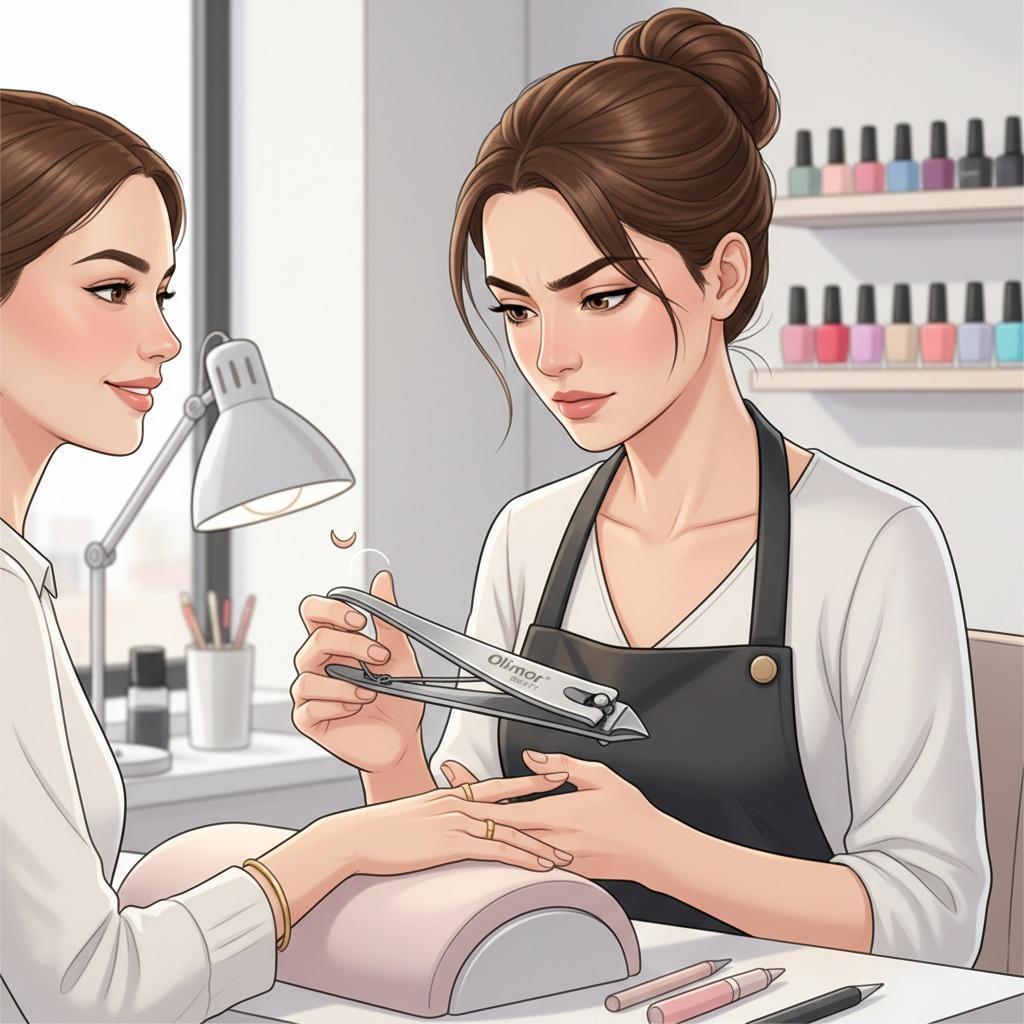
Smooth Nail Clipper Action: A Practical Guide for Better Nail Trimming
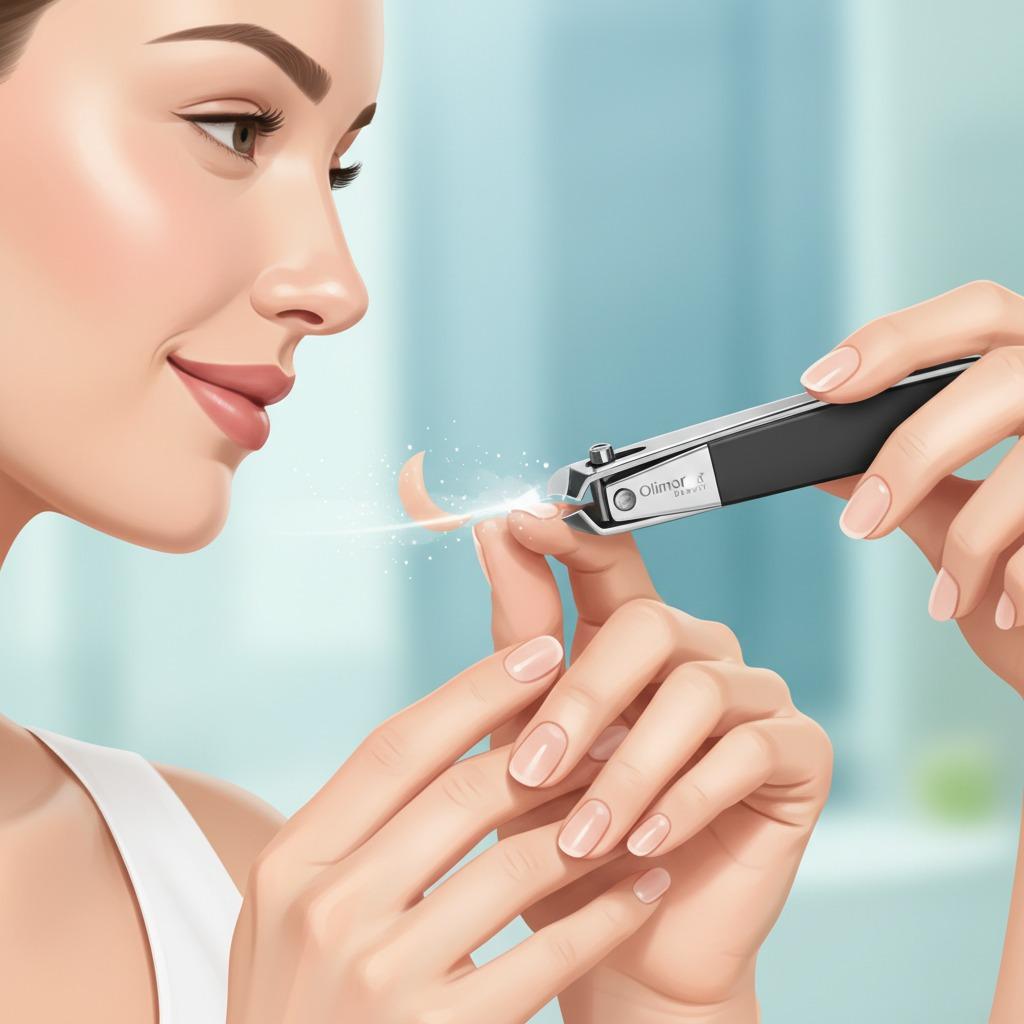
A nail clipper looks simple, but the difference between a clean trim and an uncomfortable cut often comes down to action: how the lever moves, how the jaws meet, how much resistance the user feels, and whether the cutting edge passes through the nail without snagging. Smooth nail clipper action matters for daily grooming, salon use, travel kits, retail assortments, and private-label beauty tool programs.
For buyers comparing beauty tool products, a nail clipper should not be judged only by appearance. The feel of the lever, alignment of the cutting jaws, spring-back behavior, and edge finish all influence how the tool performs after repeated use. Olimor Beauty focuses on practical grooming tools where comfort, control, and consistent cutting are important to the end user.
What “Smooth Nail Clipper Action” Really Means
Smooth action is not just a soft lever feel. A good clipper should provide controlled resistance from the moment pressure is applied until the nail is cut. If the lever is too loose, the user may lose control. If it is too stiff, the clipper can feel tiring or awkward, especially for thicker toenails or frequent salon work.
A smooth-action nail clipper usually has four performance qualities working together:
- Stable leverage: The handle should press down evenly without wobbling or shifting sideways.
- Accurate jaw alignment: The cutting edges should meet correctly so the nail is clipped rather than crushed.
- Consistent tension: Resistance should feel predictable through the full pressing motion.
- Clean release: After cutting, the lever should return naturally without sticking or catching.
These details are especially important for users who trim nails frequently, including beauty professionals, caregivers, and people who prefer neat home grooming. A clipper that feels smooth in the hand can reduce the need for repeated cuts and make shaping easier before filing.
Why Tension and Jaw Alignment Affect the Cut
The original purpose of a precision tension nail clipper is simple: apply enough controlled force to cut the nail cleanly while keeping the user in command. Tension comes from the relationship between the lever, pin, body, and cutting jaws. When these parts are balanced, the tool feels firm but not harsh.
Jaw alignment is equally important. If the two cutting edges do not meet evenly, one side may cut first while the other side bends or tears the nail. This can leave rough edges and increase the need for extra filing. For retail buyers and distributors, alignment checks are a practical way to evaluate sample quality before making sourcing decisions.
When reviewing nail clippers, examine the closed jaws under good light. The edge line should look even, and the tips should not be visibly offset. Press the lever slowly several times. The action should not feel gritty, uneven, or loose. A reliable nail clipper does not need exaggerated force; it should transfer pressure efficiently into the cut.
Stainless Steel, Edge Finish, and Everyday Durability
The supplied product information identifies stainless steel construction, which is widely used in grooming tools because it supports strength, edge formation, and routine cleaning. However, not all stainless steel tools feel the same. Material choice is only one part of performance; cutting geometry, polishing, assembly, and inspection also affect the final experience.
For a nail clipper, the cutting edge should be sharp enough to trim without crushing but not so delicate that it chips easily in normal use. The outer surfaces should feel comfortable in the hand, without rough burrs around the lever, file area, or jaw opening. If the clipper will be sold in a consumer kit, a neat finish also contributes to perceived value at the point of purchase.
Durability is not only about whether the clipper breaks. A useful tool should maintain reasonable cutting control over time. Buyers can evaluate this by testing repeated cuts on appropriate nail samples or approved test materials, checking whether the lever remains stable and whether the jaw contact remains consistent after use.
How Different Users Judge a Nail Clipper
The best nail clipper choice depends on who will use it. A personal grooming customer may care most about comfort and a clean edge. A salon buyer may prioritize repeatability and cleaning convenience. A brand sourcing a grooming line may look for consistent appearance, packaging compatibility, and stable quality across production.
| User type | What matters most | What to check |
|---|---|---|
| Home grooming users | Comfort, control, easy trimming | Lever feel, grip comfort, clean cut on fingernails |
| Salon and beauty professionals | Repeat performance and hygiene routine | Smooth action after repeated use, easy surface cleaning |
| Retail and kit buyers | Consistent finish and customer satisfaction | Visual finish, jaw alignment, packaging fit |
| Private-label sourcing teams | Stable production quality | Sample comparison, inspection criteria, order documentation |
This kind of comparison helps avoid choosing a clipper only because it looks attractive in a catalog. The real test is whether the tool behaves consistently in the hand and gives the user a predictable trim.
Selection Checklist for Beauty Tool Buyers
If you are evaluating nail clippers for a store, salon supply range, travel grooming kit, or brand program, use a structured checklist. It makes communication clearer and reduces the chance of approving a product based only on a single sample impression.
- Test the lever motion: Press slowly and quickly. The movement should be controlled in both cases.
- Inspect the jaw meeting point: Closed cutting edges should align evenly without visible offset.
- Check edge performance: A good cut should be clean, not folded, torn, or heavily crushed.
- Review the surface finish: Look for burrs, sharp non-cutting edges, plating defects, or uncomfortable pressure points.
- Compare multiple samples: Consistency between samples is more important than one excellent piece.
- Consider the end use: Fingernail, toenail, salon, travel, and retail-kit applications may require different sizes or shapes.
- Confirm packaging needs: Blister cards, pouches, boxes, or set packaging can change how the tool is displayed and protected.
Olimor Beauty supplies grooming and beauty tools for buyers who need practical product options. You can browse related product collections to compare how a nail clipper may fit with tweezers, scissors, files, or other personal care tools.
Maintenance Tips That Help Preserve Smooth Action
Even a well-made nail clipper performs better when it is cared for properly. End users should trim clean, dry nails and avoid using the clipper on materials it was not designed to cut. After use, nail fragments should be removed from the jaw area so they do not interfere with closure.
For personal use, wiping the clipper with a dry cloth after trimming helps keep the surface clean. In professional environments, cleaning and hygiene procedures should follow the salon’s local requirements and tool-care rules. The lever and joint area should be kept free of heavy residue because buildup can make the action feel stiff or uneven.
Storage also matters. A nail clipper tossed loosely into a drawer with hard objects may develop scratches or edge damage. For retail kits and travel sets, including a pouch or protected compartment can help preserve the cutting edge and keep the tool ready for use.
Sourcing Questions to Clarify Before Ordering
When sourcing a smooth-action nail clipper, technical discussion should be specific. Rather than asking only whether the clipper is “high quality,” define what quality means for the intended market. Useful topics include cutting feel, acceptable finish standards, packaging style, sample approval process, and inspection points for alignment and lever movement.
For brand owners, it is also helpful to define the customer experience: Is the clipper for an entry-level grooming kit, a salon-oriented tool range, a travel accessory, or a broader manicure set? Each use case may call for different presentation and handling expectations.
If you are planning a nail clipper order or comparing grooming tool options, you can send an inquiry with your application, target packaging, and sample evaluation needs. For broader cooperation questions, contact Olimor to discuss suitable beauty tool sourcing directions.
Choosing a Nail Clipper by Feel, Not Just Appearance
A smooth nail clipper should make trimming feel controlled, clean, and predictable. The most important qualities are often small: balanced tension, accurate jaw alignment, a comfortable lever, and a finish that does not distract the user. These details affect how the tool performs in real bathrooms, salons, travel bags, and retail beauty kits.
For buyers, the smartest approach is to combine hands-on testing with clear inspection standards. Look beyond surface shine and focus on the cutting experience. A nail clipper with smooth action can support better grooming results, fewer rough nail edges, and stronger customer confidence in the overall beauty tool range.
Tag: