

Choosing an OEM Beauty Tools Manufacturer for Precision Razors
For a beauty brand, a grooming tool is only as good as the experience it gives the person holding it. A precision razor may look simple, but buyers need to evaluate far more than surface design. The handle must feel controlled in the hand, the blade interface must be secure, the finish should be suitable for repeated use and cleaning, and the production partner must be able to deliver consistent quality from sample to final shipment.
Olimor Beauty works in the beauty tools and personal care tools space with a focus on practical design, precision and responsible production. This article explains how brands, distributors and product developers can assess an OEM beauty tools manufacturer when developing or sourcing a precision razor, including what to look for in materials, usability, internal quality checks and ethical manufacturing practices.
Why Precision Matters in Beauty Tool Manufacturing
Precision is not only about a sharp blade. In grooming tools, precision is the combination of cutting performance, balance, grip, finish, replaceability and predictable handling. A razor that cuts well but feels unstable can lead to poor user confidence. A handle that looks refined but becomes uncomfortable during detailed work can weaken repeat purchase potential. A product that is attractive in a sample but inconsistent in bulk production can damage a brand’s reputation.
When evaluating a beauty tools manufacturer, start by separating visual quality from functional quality. A polished product photo is not enough. Buyers should consider whether the tool can perform under repeated daily use, whether the blade can be replaced smoothly, whether edges and joints are finished cleanly, and whether the product design supports both consumer and professional grooming habits.
Olimor Beauty’s approach emphasizes durable, precise and elegantly designed instruments for personal grooming. For buyers comparing beauty tool products, this means looking at the details that affect actual use: the feel of the handle, the reliability of the blade connection, the suitability of materials and the consistency of finishing.
The SleekEdge Precision Razor as a Product Example
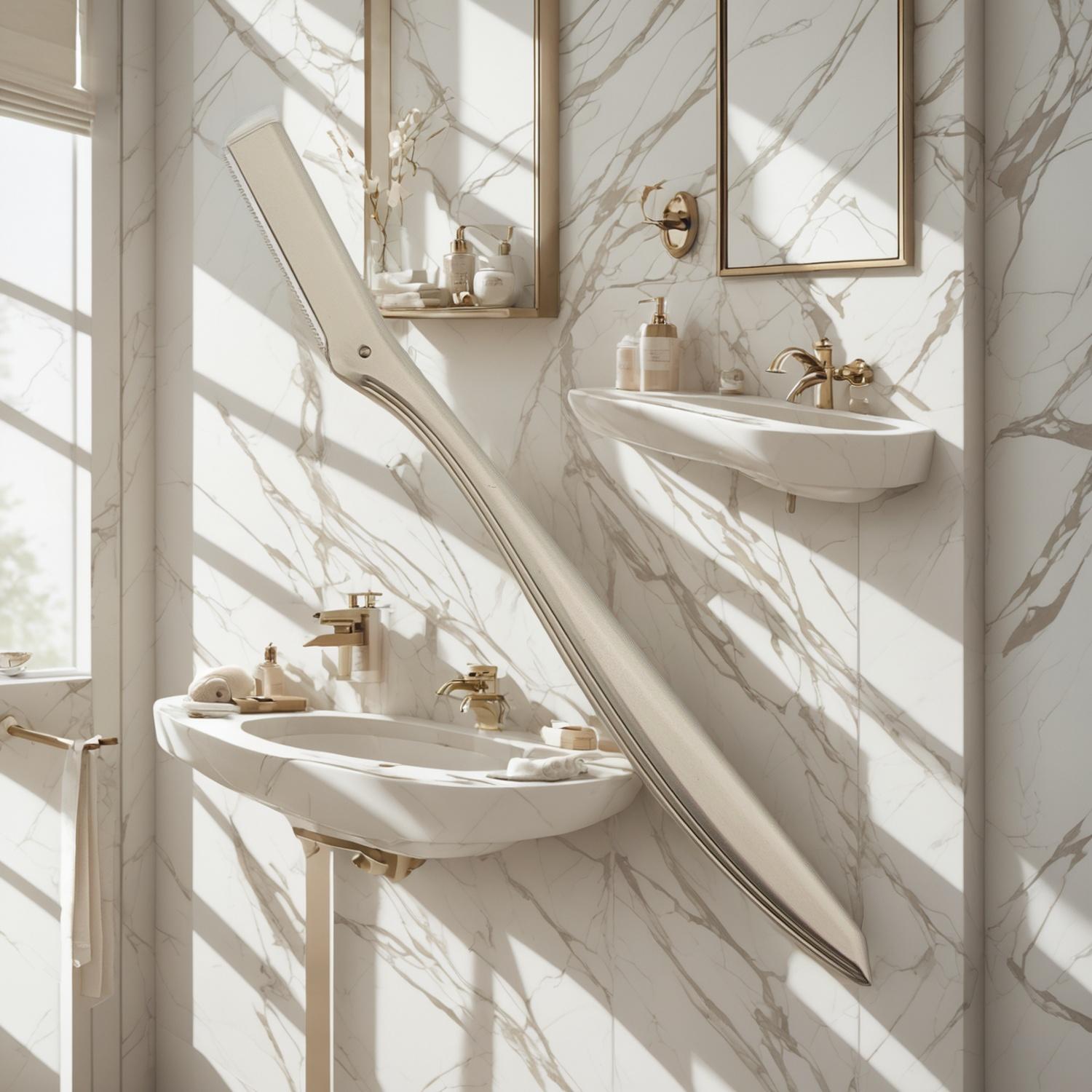
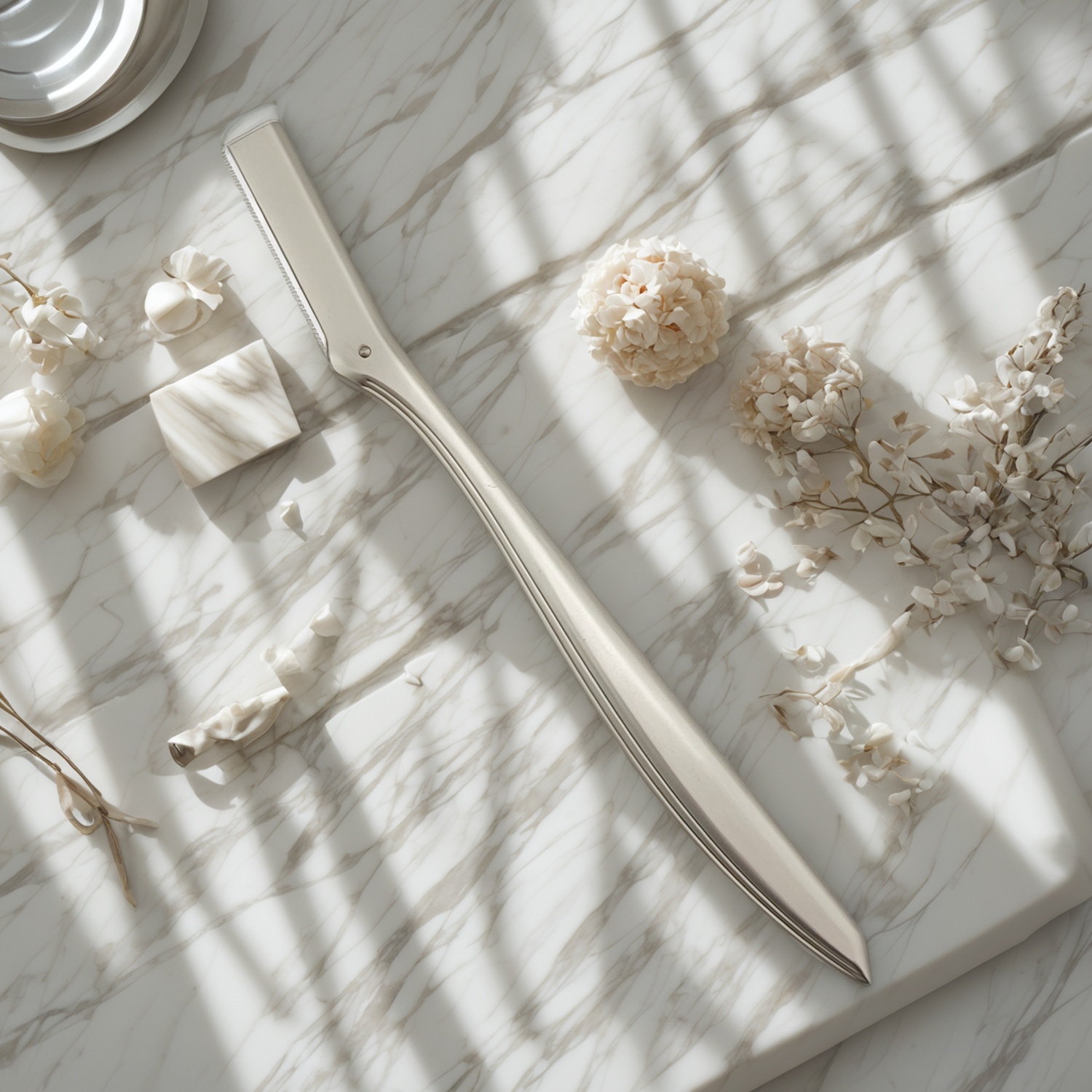
The SleekEdge Precision Razor is a useful example of the decisions that matter in razor development. It is described as being crafted from premium-grade stainless steel and designed with a satin-finish handle that is both ergonomic and refined. Its replaceable blade is master-honed for a clean, smooth shave. These features point to several sourcing considerations for brands planning a similar personal care tool.
Stainless steel is commonly valued in grooming tools because it supports a clean appearance, durable handling and compatibility with routines that involve water, wiping and repeated contact. A satin finish can also be a practical design choice: it creates a more subdued look than a mirror-like polish and may help the product feel more professional and controlled in the hand. However, the value of the material and finish depends on execution. Buyers should inspect whether the handle finish is even, whether edges are comfortable, and whether the blade area is assembled with care.
The replaceable blade design is also important from both user and sustainability perspectives. A tool with a replaceable blade can be used beyond the life of a single cutting edge, which may appeal to consumers who prefer long-lasting personal care instruments. For OEM buyers, the key question is whether the replacement process is intuitive, secure and safe. A blade should not feel loose during use, and the user should understand how the tool is intended to be maintained.
What Buyers Should Check Before Approving a Precision Razor
A good sourcing decision requires a checklist that goes beyond appearance. Before approving a razor for production, buyers should review samples in the same way customers will use them: holding the tool, checking the blade fit, inspecting finishing details and considering packaging protection. The following points can help structure an evaluation.
- Handle comfort: Check whether the satin-finish handle feels stable during short strokes and detailed grooming movements.
- Balance and weight feel: A precision razor should feel controlled, not awkwardly front-heavy or slippery.
- Blade replacement experience: Review how easily the blade can be changed and whether it sits securely after replacement.
- Edge finishing: Inspect corners, joints and contact points for rough areas that could affect comfort or perceived quality.
- Material presentation: Confirm that the stainless steel surface appears consistent across multiple samples, not just one showcase piece.
- Cleaning practicality: Consider whether the design allows users to wipe or rinse relevant areas according to the intended care instructions.
- Packaging protection: Make sure the tool can be protected in transport so the finish and blade area arrive in sellable condition.
- Brand fit: Evaluate whether the design language matches your audience, price position and retail environment.
For brands building a wider grooming assortment, it is also useful to compare razor development with adjacent product collections. A razor should not feel isolated from the rest of the line. Consistent materials, colors, packaging language and finish direction can make an assortment easier to merchandise.
Quality Control Questions for an OEM Personal Care Tools Supplier
Olimor Beauty describes a process that includes stringent internal quality checks, from raw materials to the final packaged product. For buyers, the most productive approach is to turn that principle into clear review points. Instead of asking only whether quality control exists, define what must be checked at each stage and how nonconforming pieces are handled.
At the material stage, buyers should clarify how incoming parts or materials are inspected for visible flaws, finish consistency and suitability for the intended design. During production, checks should focus on assembly accuracy, blade seating, handle finish and functional movement where relevant. Before packaging, finished goods should be reviewed for surface appearance, correct components and safe presentation.
A practical quality discussion may include:
- Which characteristics are inspected before production begins?
- Which cosmetic defects are unacceptable for the target retail position?
- How is blade fit or alignment checked across production pieces?
- What packaging checks are performed before shipment?
- How are approved samples used as references for future production?
These questions help buyers make quality expectations concrete. They also reduce the risk of misunderstandings between design teams, purchasing teams and the manufacturer.
Ethical and Cruelty-Free Production Considerations
For modern beauty brands, product performance is only part of the sourcing decision. Many customers also care about how products are developed and produced. Olimor Beauty positions itself as a cruelty-free beauty tools manufacturer, which is particularly relevant for brands that want their grooming tools to align with responsible beauty values.
Because razors and beauty tools are not cosmetic formulas, buyers should think carefully about how ethical claims will be communicated. Claims should be accurate, easy to support and appropriate for the product category. If a brand plans to use cruelty-free messaging, it should maintain clear internal records and ensure that product descriptions, packaging and marketing language are consistent.
Ethical sourcing can also include supplier communication, material transparency, worker safety expectations, packaging decisions and long-term durability. A tool designed for repeated use with replaceable blades can support a more considered approach to personal care, but buyers should avoid exaggerated environmental statements unless they can be substantiated. The strongest product pages are specific, measured and honest.
Designing for Professionals and Everyday Users
A precision razor may serve multiple audiences. Professionals often focus on control, repeatability and clean performance during detailed work. Everyday users may care more about comfort, clear instructions and confidence. The same tool can serve both groups when it is designed with intuitive handling and reliable construction.
For consumer-facing brands, it is helpful to test product language before launch. Avoid vague claims and explain real use benefits instead. For example, describe the replaceable blade system, the stainless steel construction, the satin-finish handle and the intended grooming purpose in plain English. If the razor is part of a kit or range, show how it fits into the routine without overstating results.
For professional channels, product details should be even more precise. Buyers may want to know how the tool feels during repeated use, whether it is easy to clean, whether replacement blades are convenient to manage and how the packaging supports storage or resale. Strong OEM development considers both the first impression and the long-term working experience.
How to Start a Focused OEM Razor Discussion
The most efficient sourcing conversations begin with a clear product brief. Before contacting a manufacturer, prepare information about your target user, expected retail channel, preferred finish direction, packaging requirements and any claims you intend to make. If you already have reference samples, list what you like and dislike about them. If you are developing a new design, define the functional priorities first and the decoration details second.
For a precision razor project, a useful brief may include the desired handle feel, blade replacement expectations, finish preference, packaging format, brand positioning and inspection priorities. You do not need to solve every engineering detail before starting the conversation, but you should know what the product must achieve for your market.
Brands interested in developing personal care tools can send an inquiry with project details or contact Olimor to discuss the next step. A focused brief helps the manufacturer evaluate feasibility, suggest practical adjustments and align samples with your commercial goals.
Final Thoughts for Beauty Tool Buyers
Selecting an OEM beauty tools manufacturer is not just a purchasing task. It is a product quality decision, a brand trust decision and, in many cases, a long-term supply decision. A precision razor such as the SleekEdge Precision Razor highlights the kinds of details that matter: stainless steel construction, a satin-finish ergonomic handle, a master-honed replaceable blade, internal quality checks and cruelty-free production values.
For buyers, the best results come from reviewing samples carefully, defining quality standards early and choosing a manufacturing partner that understands both design and daily use. When a grooming tool feels controlled, looks consistent and performs reliably, it becomes easier for customers to trust the brand behind it.
Tag: