

Custom Tweezers for Precise Grooming and Beauty Tool Programs
Custom tweezers may look like a small item in a beauty range, but they carry a large share of the user experience. A tweezer that grips cleanly, aligns correctly, and feels stable in the hand can make eyebrow shaping, facial hair removal, ingrown hair care, and detailed beauty work noticeably easier. For retailers, beauty brands, salons, travel kit suppliers, and promotional buyers, the right tweezer design also helps define product quality before a customer ever uses the rest of the set.
Olimor Beauty focuses on beauty tools that combine practical construction with thoughtful appearance. For buyers comparing custom tweezers or personalized tweezers, the most useful starting point is not decoration alone. It is the combination of tip geometry, tension, surface finish, handling comfort, packaging fit, and consistency from one unit to the next. This guide explains how to evaluate those points and how to make better sourcing decisions for a tweezer program.
What Makes Custom Tweezers Different from Standard Tweezers?
Standard tweezers are usually selected from an existing product range with fixed shape, finish, and packaging. Custom tweezers, by contrast, are built around a more specific use case or brand requirement. The customization may involve the color finish, handle decoration, logo placement, tip style, packaging format, or inclusion in a larger grooming set. For a beauty brand, this can help create a consistent retail presentation. For a salon or brow service provider, it can support a professional tool identity. For a travel or gift kit supplier, it can make a compact product feel more complete.
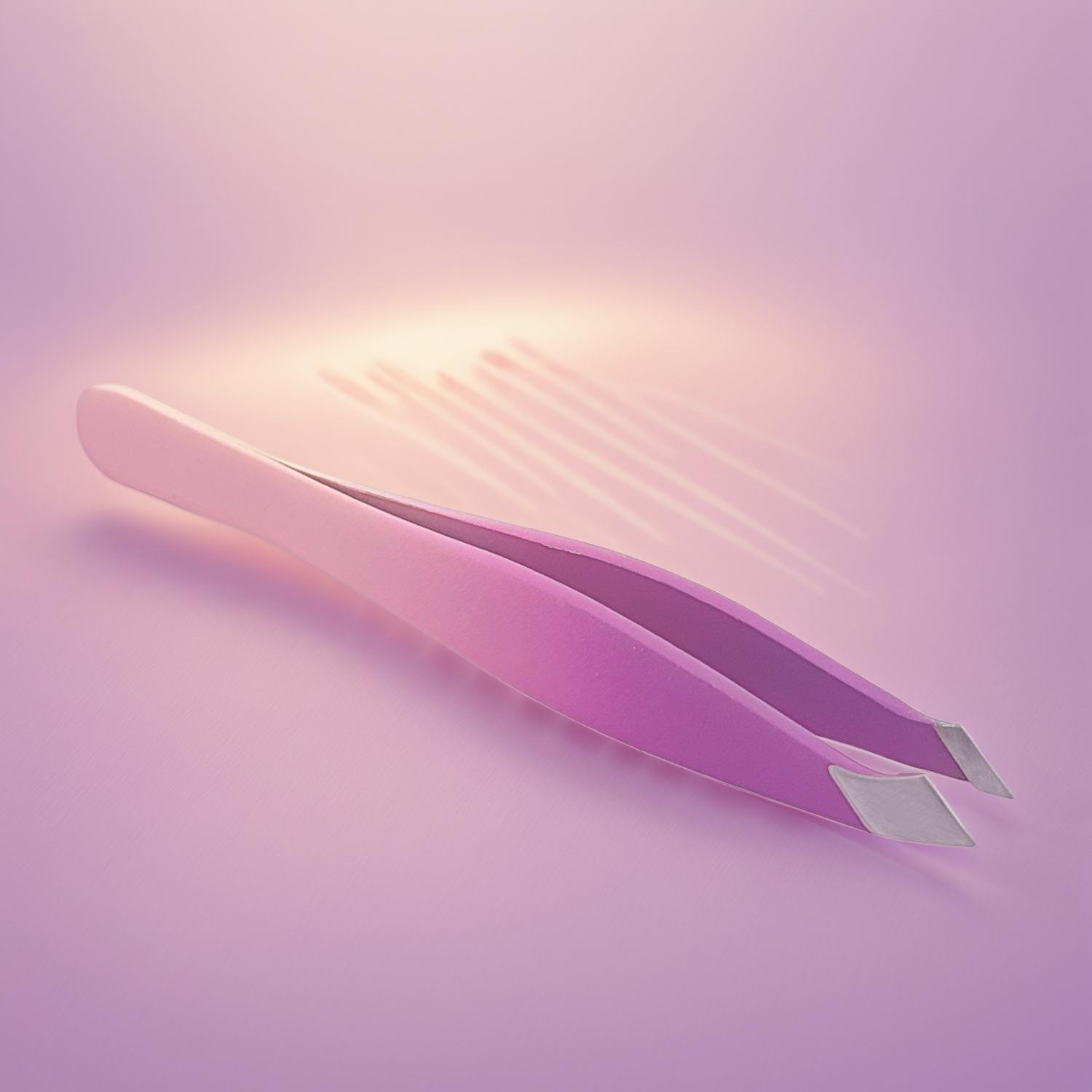
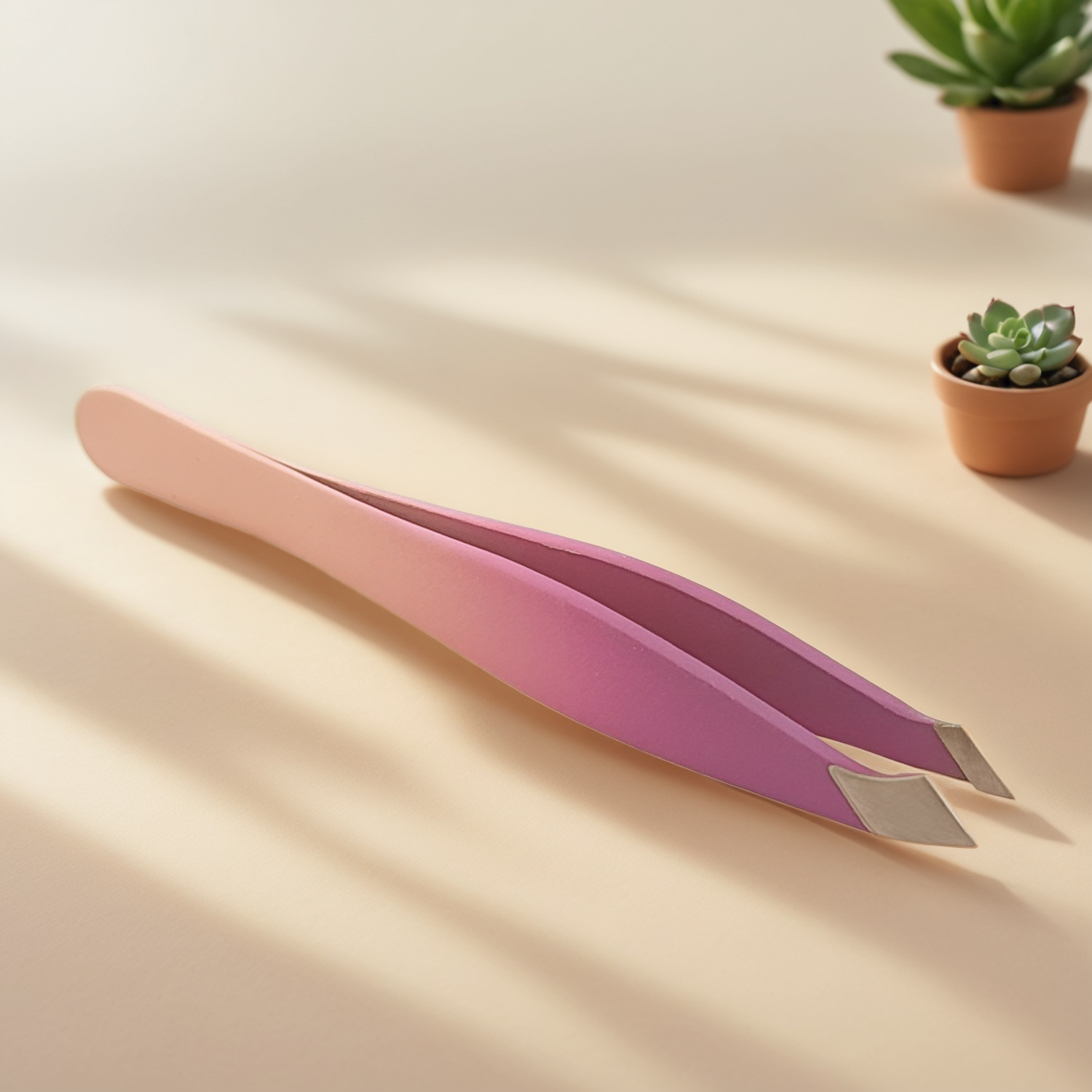
Personalized tweezers also appeal to end users because they are easy to recognize, store, and carry. A distinctive color gradient, engraved mark, or coordinated finish makes the tool less likely to be confused with disposable or low-quality grooming accessories. In the supplied product example, Olimor Beauty describes Gradient Elegance Precision Tweezers with an ombre handle from pastel pink to deep purple and stainless steel construction. That type of design shows how functional beauty tools can also contribute to a polished retail impression without changing the core purpose of the tweezer: accurate gripping and controlled hair removal.
Tip Shape Should Match the Grooming Task
The tip is the most important performance feature on any tweezer. A beautiful handle will not compensate for poor alignment or a tip that cannot hold fine hair. When selecting custom tweezers, the intended use should guide the tip design before any color or packaging choices are finalized.
- Slanted tip: A versatile choice for eyebrow shaping and general facial hair removal. The angled edge gives visibility while allowing the user to grip close to the skin.
- Pointed tip: Useful for very fine detail work, such as isolating a single hair or handling an ingrown hair with care. It requires more careful handling and is not ideal for every casual user.
- Flat tip: Better suited to gripping broader items than to precision eyebrow shaping. It can be useful in some kit applications but is less common for detailed brow work.
- Rounded or safety-focused tip: Appropriate when the goal is gentler handling in a general grooming kit, although it may offer less precision than a sharpened slanted or pointed tip.
The original product description identifies the Gradient Elegance Precision Tweezers as slanted-tip tools designed for expert eyebrow shaping or handling ingrown hairs with minimal discomfort. For many beauty retail programs, a slanted tip is the safest first choice because it serves both beginners and experienced users. However, brands building a more specialized range may consider more than one tip style to separate brow grooming, skincare detail work, and travel use.
How to Evaluate Grip, Tension, and Alignment
Good tweezers depend on controlled tension. If the arms are too loose, the tips may not grip fine hair securely. If they are too stiff, users may feel hand fatigue or pull too hard, increasing discomfort. The best tension feels stable and responsive, allowing the tips to close evenly with moderate pressure.
Alignment is equally important. The two tips should meet cleanly along the working edge, not just at one corner. Poor alignment can cause hair to slip, break, or require repeated attempts. For retail buyers, this is one of the easiest quality points to sample during product evaluation. Under good lighting, close the tweezer tips slowly and check whether the edges meet evenly. Then test on fine material, such as a single hair or thin fiber, to see whether the grip is secure.
A practical buyer review should include:
- Check the tips visually for symmetry, chips, burrs, or uneven grinding.
- Open and close the tweezer several times to assess spring tension and recovery.
- Test the grip near the end of the tip, not only at the center.
- Hold the tweezer for at least one minute to judge comfort and balance.
- Review multiple samples, because consistency matters more than one good unit.
Materials and Finishes: What Buyers Should Consider
The supplied description notes stainless steel construction for the Gradient Elegance Precision Tweezers. Stainless steel is widely used for beauty tweezers because it is strong, suitable for repeated handling, and compatible with the clean appearance expected in grooming tools. When exact material grades or testing data are not provided, buyers should avoid assumptions and instead evaluate the physical sample, finish durability, and care instructions.
Finish selection affects both appearance and long-term presentation. A polished, matte, coated, or gradient finish can all work well if the surface is even and the edges remain clean. Decorative finishes should not interfere with the precision of the tip. The working edges need to remain accurate, smooth, and properly aligned after finishing. For colorful personalized tweezers, buyers should check whether the color is consistent across units, whether branding is placed neatly, and whether the finish resists obvious scratches during normal packaging and handling.
For beauty brands planning coordinated collections, finishes can also help separate product functions. A soft gradient may suit a cosmetic retail line, while a minimal metal finish may fit a professional grooming kit. To compare options across broader beauty tool categories, buyers can review Olimor beauty tool products and consider how tweezers will sit alongside lash tools, mirrors, scissors, or manicure accessories.
Personalization Options That Add Real Value
Personalization should make the tweezer easier to sell, use, or identify. It should not distract from performance. Common customization choices include handle color, ombre or gradient effects, printed or engraved branding, individual packaging, sleeve design, and set packaging. The goal is to create a tool that looks intentional while still performing as a precision instrument.
For retail buyers, the most useful question is: will this customization matter to the end user at the moment of purchase and during repeated use? A logo placed where it quickly rubs off may not add much value. A finish that coordinates with a brow kit, travel pouch, or skincare set may be more meaningful. A compact and lightweight tweezer, as described in the original product information, can be especially suitable for purses, travel kits, and on-the-go touch-ups.
| Customization area | Why it matters | Buyer check |
|---|---|---|
| Tip style | Determines grooming precision and comfort | Match slanted, pointed, or other tips to the target user |
| Handle finish | Creates shelf appeal and brand recognition | Check color consistency, surface smoothness, and scratch visibility |
| Logo or marking | Supports private-label or promotional use | Confirm placement is readable and does not affect grip |
| Packaging | Protects the tip and improves retail presentation | Ensure the tweezer cannot move freely and damage its working edge |
Quality Control Points for Custom Tweezer Orders
Olimor Beauty describes quality assurance that includes raw material inspection through final packaging. For buyers, it is helpful to translate that broad process into specific inspection points. Tweezers should be checked not only for appearance but also for working performance. A product can look attractive in a package yet fail if the tip slips or the arms feel uneven.
Important quality checkpoints include tip alignment, closing pressure, surface finish, cleanliness, logo position, packaging protection, and carton labeling accuracy. If the tweezers are part of a kit, the fit inside the pouch or box should also be reviewed. Tip protectors or secure inserts may be necessary when the working edge is sharp or finely finished. Poor packaging can damage tips before the customer opens the product, which leads to returns and poor reviews even when the tool was manufactured correctly.
For international buyers working with a China tweezers exporter, clear samples and written specifications reduce misunderstanding. Rather than relying only on a photo, define the intended tip shape, finish direction, acceptable logo size, packaging style, and any handling requirements. If the product is intended for professional brow use, sample testing should include repeated gripping trials. If it is intended for a gift set, packaging appearance and consistency may carry equal importance.
Choosing Tweezers for Retail, Salon, Travel, and Gift Kits
Different sales channels require different priorities. A salon tool may emphasize precision and hand feel, while a retail gift set may need stronger visual appeal and protective packaging. A travel kit needs compact size, secure storage, and a design that can survive movement inside a bag. Personalized tweezers can work across all of these channels when the design is matched to the use case.
For eyebrow grooming, slanted precision tweezers are typically a strong choice because they support both shaping and cleanup. For skincare-oriented kits, the buyer may consider whether a more detailed tip is appropriate and whether instructions are needed to promote safe use. For purse or travel products, lightweight construction and a protective sleeve can be more important than elaborate decoration. For beauty collections, consistency with other tools matters: color, finish, and packaging should feel connected without requiring invented product claims.
Brands comparing multiple beauty accessories can browse Olimor product collections to think through how custom tweezers might pair with related tools. When a specific private-label or set concept is ready, buyers can send an inquiry with target use, preferred finish, packaging direction, and sample expectations.
Care and Maintenance for Longer Tweezer Performance
Even well-made tweezers need proper care. Users should keep the tips clean and avoid dropping the tool, because a small impact can affect alignment. After use, the tip area can be wiped clean and dried before storage. If the tweezer comes with a cap or sleeve, using it helps protect the working edge and keeps the tool cleaner in a makeup bag.
Retailers can improve customer satisfaction by including simple care guidance on packaging or inserts. Practical instructions are better than vague claims. Explain that the tool should be stored dry, kept away from children if the tip is sharp, and used with steady pressure rather than twisting. These small details help customers understand that precision tweezers are not disposable accessories but grooming tools that perform best when protected.
Building a Better Custom Tweezer Program
A strong custom tweezer program balances precision, comfort, appearance, and packaging. The Gradient Elegance Precision Tweezers example shows how an ombre pastel pink to deep purple handle can add visual interest while a slanted stainless steel design supports practical grooming tasks such as eyebrow shaping and ingrown hair care. For brands and buyers, the key is to treat personalization as one part of product development, not the whole decision.
Before placing an order, define the target user, primary grooming task, preferred tip style, finish, branding method, packaging needs, and inspection priorities. This approach helps avoid generic products and supports a better end-user experience. For questions about custom tweezer options or coordinating tweezers with other beauty tools, buyers can contact Olimor to discuss a practical direction based on their market and product goals.
Tag: