

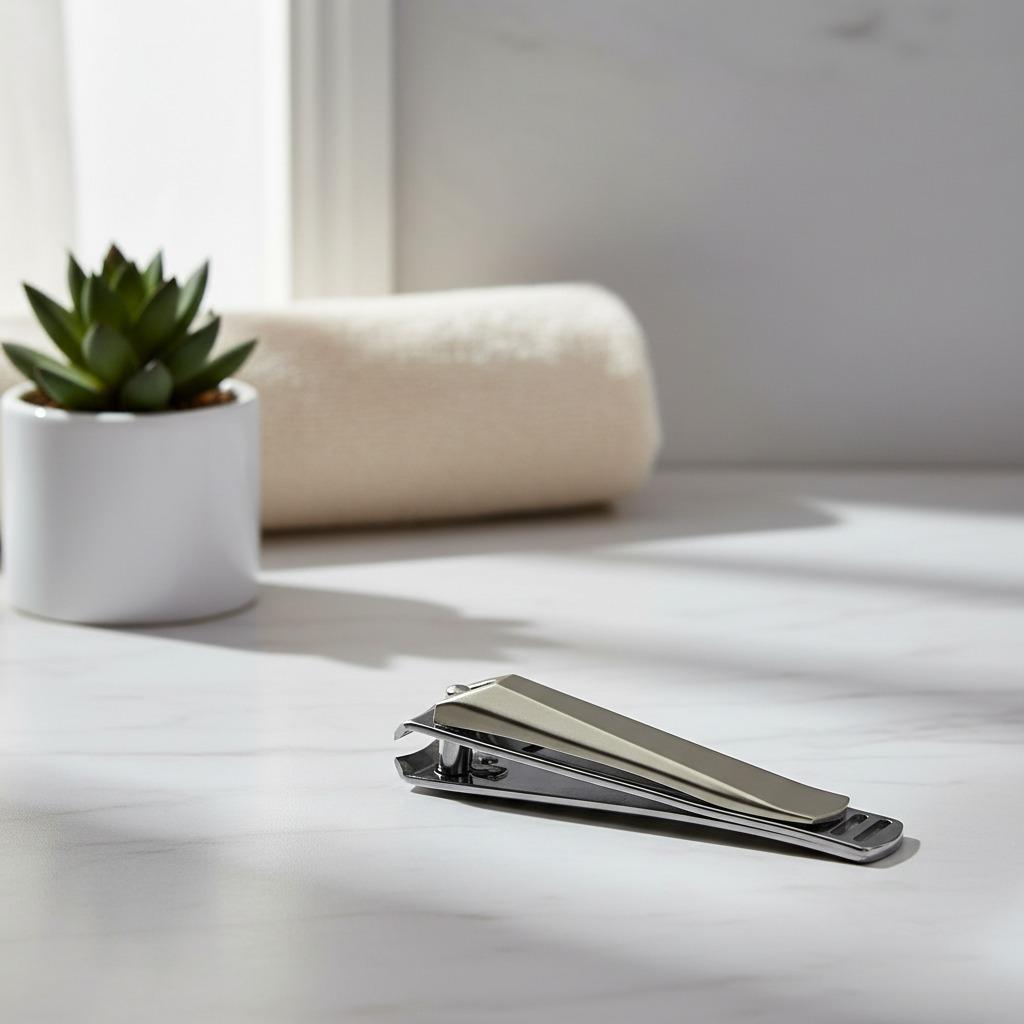
Custom Made Nail Clippers for B2B Beauty Tool Buyers
A custom made nail clipper may look like a simple grooming tool, but for beauty brands, distributors, salons and retail buyers, small design decisions can make a noticeable difference. Cutting feel, grip comfort, finishing quality, packaging presentation and consistency from batch to batch all influence whether the product feels dependable in the hand and earns repeat orders.
For B2B beauty supplies, the goal is not only to find a nail clipper that cuts. The goal is to source a tool that fits the target customer, supports the sales channel and can be inspected against clear quality expectations. Olimor Beauty works with buyers who need practical, customizable grooming tools for professional and consumer markets. This guide explains how to evaluate custom made nail clippers before adding them to your assortment.
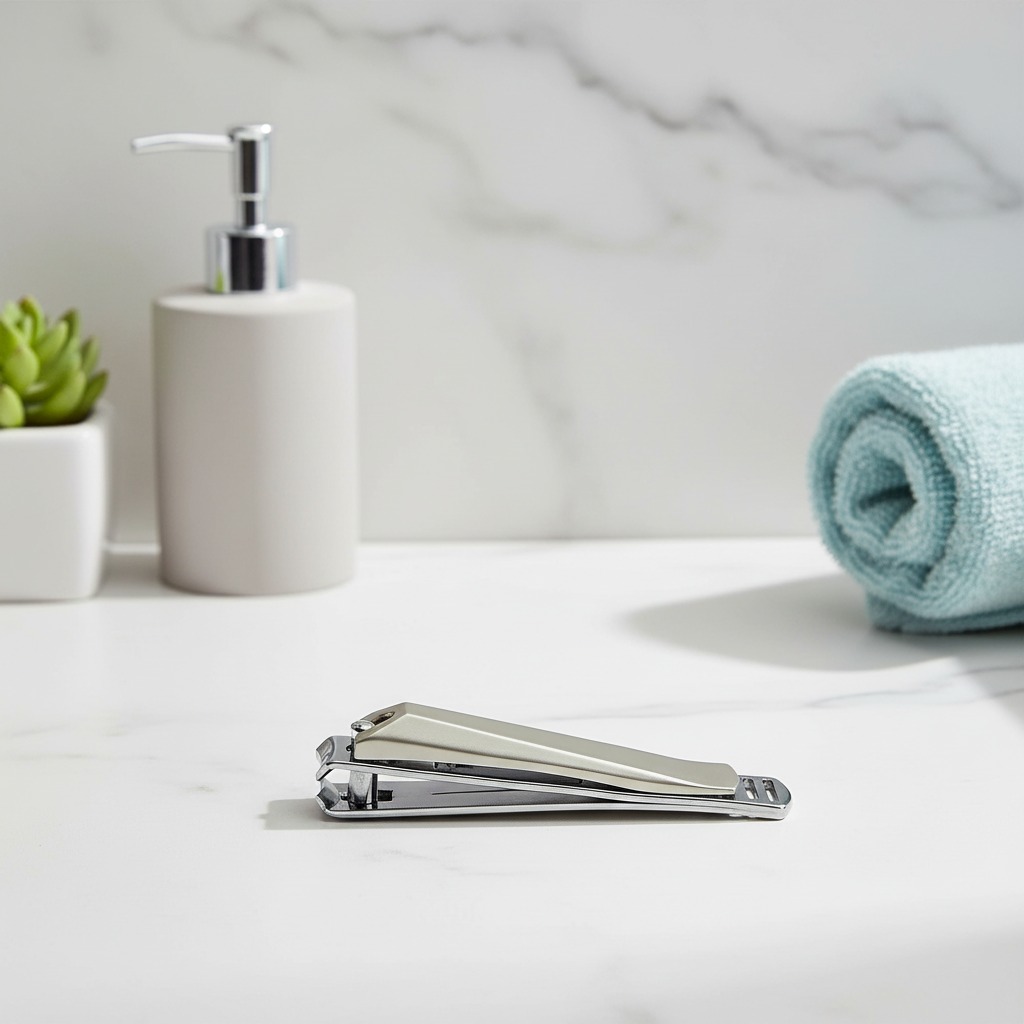
Why Custom Made Nail Clippers Matter in Beauty Tool Programs
Nail clippers are often purchased as everyday essentials, travel accessories, salon counter items, gift set components or private-label grooming products. Because they are familiar to almost every customer, buyers sometimes underestimate how much product experience matters. A clipper that feels loose, scratches easily or leaves a rough nail edge can weaken the perceived value of an entire beauty tool range.
Customization gives buyers a way to match the product to a specific market position. A compact clipper may be suitable for travel kits or checkout displays. A larger clipper may be better for pedicure use or professional supply channels. A two-tone metallic finish can create a more modern appearance, while a clean, understated finish may work better for minimalist retail branding.
For wholesalers and retailers, custom made nail clippers also help create differentiation in a crowded category. The customization does not need to be excessive. In many cases, the most valuable improvements are practical: comfortable leverage, stable alignment, smooth edges, consistent plating or coating, clear packaging and reliable inspection standards.
Key Design Decisions Before Placing a Custom Order
A buyer should define the intended use case before discussing appearance. Nail clippers used in a salon environment may be judged by durability and easy handling, while retail clippers may need stronger shelf impact and clear packaging communication. The following criteria can help narrow the design direction.
- Clipper size: Smaller clippers suit fingernails, travel kits and compact grooming sets. Larger sizes may be preferred for toenails or customers who want stronger leverage.
- Cutting edge shape: Curved edges are common for fingernails, while straighter or wider cutting profiles may be considered for toenail use depending on the product plan.
- Handle feel: The lever should be easy to press without feeling flimsy. Buyers should check whether the grip area feels stable for different hand sizes.
- Surface finish: Metallic, matte, polished or two-tone finishes can all change perceived value. The finish should match the sales channel and packaging style.
- Edge comfort: Corners and side edges should not feel sharp against the fingers during use.
- Portability: For travel or purse-friendly products, compactness and secure closure can be more important than maximum leverage.
- Branding method: Logo placement should be visible but not interfere with handling or cutting function.
These details are especially important for private-label programs. A buyer may begin with a simple custom made nail clipper, but the final product still needs a defined identity: who it is for, where it will be sold and what quality level the customer expects.
Materials, Finish and Cutting Performance: What to Check
The original product description highlights stainless steel tools, ergonomic design, sharp blades and comfortable grips. These are important foundations for a nail clipper, but buyers should evaluate them through practical samples rather than relying only on descriptions. Stainless steel is valued in beauty tools because it can support strength, hygiene expectations and a clean appearance. However, the buyer should still confirm the actual feel, finish and function of the supplied sample.
Cutting performance is the most important test. A good clipper should cut cleanly without requiring excessive force. The two cutting edges should meet evenly, and the lever should return smoothly after pressure is released. If the blades are misaligned, the clipper may crush or tear the nail instead of producing a smooth cut.
Finish quality also affects customer satisfaction. On metallic tools, uneven color, visible scratches, rough stamping marks or unstable coating can make the product look low value before it is even used. For B2B beauty supplies, consistency matters because the customer may compare several units side by side in a retail display or professional kit.
Useful Quality Checklist for B2B Nail Clipper Sourcing
Before confirming a custom made nail clipper, buyers can create a simple inspection checklist. This helps align the sample approval process with future production expectations and reduces ambiguity between design, purchasing and quality teams.
| Checkpoint | What to Evaluate | Why It Matters |
|---|---|---|
| Blade alignment | Edges meet evenly when pressed | Supports clean cutting and reduces nail tearing |
| Lever action | Pressing feels stable, not loose or overly stiff | Affects comfort and perceived durability |
| Surface finish | No obvious scratches, stains or uneven coating | Important for retail presentation and brand perception |
| Edge safety | Outer corners and sides feel smooth to the touch | Improves handling and reduces complaints |
| Logo and decoration | Brand mark is clear, correctly positioned and consistent | Protects private-label presentation |
| Packaging fit | Clipper is secure and displayed as intended | Prevents damage and improves shelf appearance |
This checklist can be adapted for different sales channels. A salon supplier may focus more heavily on cutting feel and repeated handling, while a gift set buyer may also pay close attention to visual finish and packaging harmony with other tools.
Customization Options That Support Retail and Professional Sales
Customization is most effective when it supports a clear sales purpose. For example, a distributor serving value-focused retailers may prioritize simple construction, dependable performance and efficient packaging. A beauty brand developing a premium grooming kit may focus more on finish, color coordination and the way the clipper pairs with scissors, tweezers or manicure accessories.
Common customization considerations include color direction, surface treatment, logo placement, packaging format and assortment planning. A custom made nail clipper can be sold individually, included in a manicure set or paired with other grooming tools. Buyers exploring broader options can review Olimor beauty tool products to compare how clippers might fit within a wider product line.
When planning a collection, consistency is important. A nail clipper with a modern two-tone metallic finish should visually match the surrounding items if it is part of a kit. Packaging should also reflect the same level of quality as the tool itself. A well-finished clipper placed in weak packaging may lose value at the point of sale, while strong packaging cannot compensate for poor cutting performance.
Working With a Nail Clipper Manufacturer in China
Many B2B buyers search for a nail clipper manufacturer in China because they need flexible beauty tool sourcing and custom production support. The best results usually come from clear specifications, approved reference samples and a practical inspection plan. Instead of beginning only with price, buyers should define the intended market, expected appearance, packaging needs and functional requirements.
When comparing suppliers, look for communication that is specific and product-focused. Useful discussions should cover sample review, material and finish options, packaging structure, quality checkpoints and how changes will be confirmed before production. If a supplier cannot explain how blade alignment, surface finish and logo placement will be controlled, the buyer may face inconsistent results later.
Olimor Beauty supports B2B buyers looking for beauty tools that can be adapted for wholesale, retail and professional supply programs. Buyers can browse related product collections to plan coordinated assortments, or send an inquiry with the intended product direction, target market and customization needs.
How to Prepare a Clear Nail Clipper Sourcing Brief
A sourcing brief does not need to be complicated, but it should remove guesswork. A strong brief helps the supplier understand both the physical product and the business purpose behind it. Before requesting samples or quotations, prepare the following points:
- Target customer: Define whether the clipper is for retail consumers, salons, travel kits, promotional sets or private-label grooming lines.
- Product role: State whether it will be sold alone, included in a set or used as part of a wider beauty tool range.
- Preferred size and use: Clarify whether the focus is fingernail clipping, toenail clipping or general grooming.
- Visual direction: Provide finish preferences, color ideas and any reference style for a modern, classic or minimal look.
- Branding needs: Indicate logo position, packaging branding and any presentation requirements.
- Quality priorities: List the most important inspection points, such as blade alignment, smooth edges, cutting feel and finish consistency.
This preparation makes it easier to compare sample options fairly. It also helps avoid choosing a product based only on a photograph, which may not reveal lever feel, edge comfort or cutting quality.
Maintenance Guidance for End Users and Retail Packaging
For consumer-facing products, basic care guidance can reduce misuse and improve satisfaction. Nail clippers should be kept clean and dry after use. They should not be used to cut materials other than nails, because that can affect the cutting edge. If the clipper is included in a salon or professional setting, the buyer should ensure that care instructions match the intended hygiene procedures of that channel.
Retail packaging can include concise care points such as wiping after use, storing in a dry place and keeping the tool away from children. These details are simple, but they show that the product is a beauty tool designed for repeated use rather than a disposable accessory.
Building a Better Custom Nail Clipper Program
A successful custom made nail clipper program balances performance, appearance and sourcing discipline. Sharp blades, comfortable grip and a clean finish are essential, but they should be supported by sample testing, clear packaging decisions and defined quality checks. For B2B beauty supplies, this approach helps create a product that is easier to sell, easier to inspect and more likely to satisfy end users.
If you are planning a private-label nail clipper, salon supply item or retail grooming assortment, start with the customer and use case. Then confirm the design details that matter most: size, cutting feel, finish, logo, packaging and inspection criteria. For support with custom beauty tool sourcing, you can contact Olimor to discuss the product direction and next steps.
Tag: