

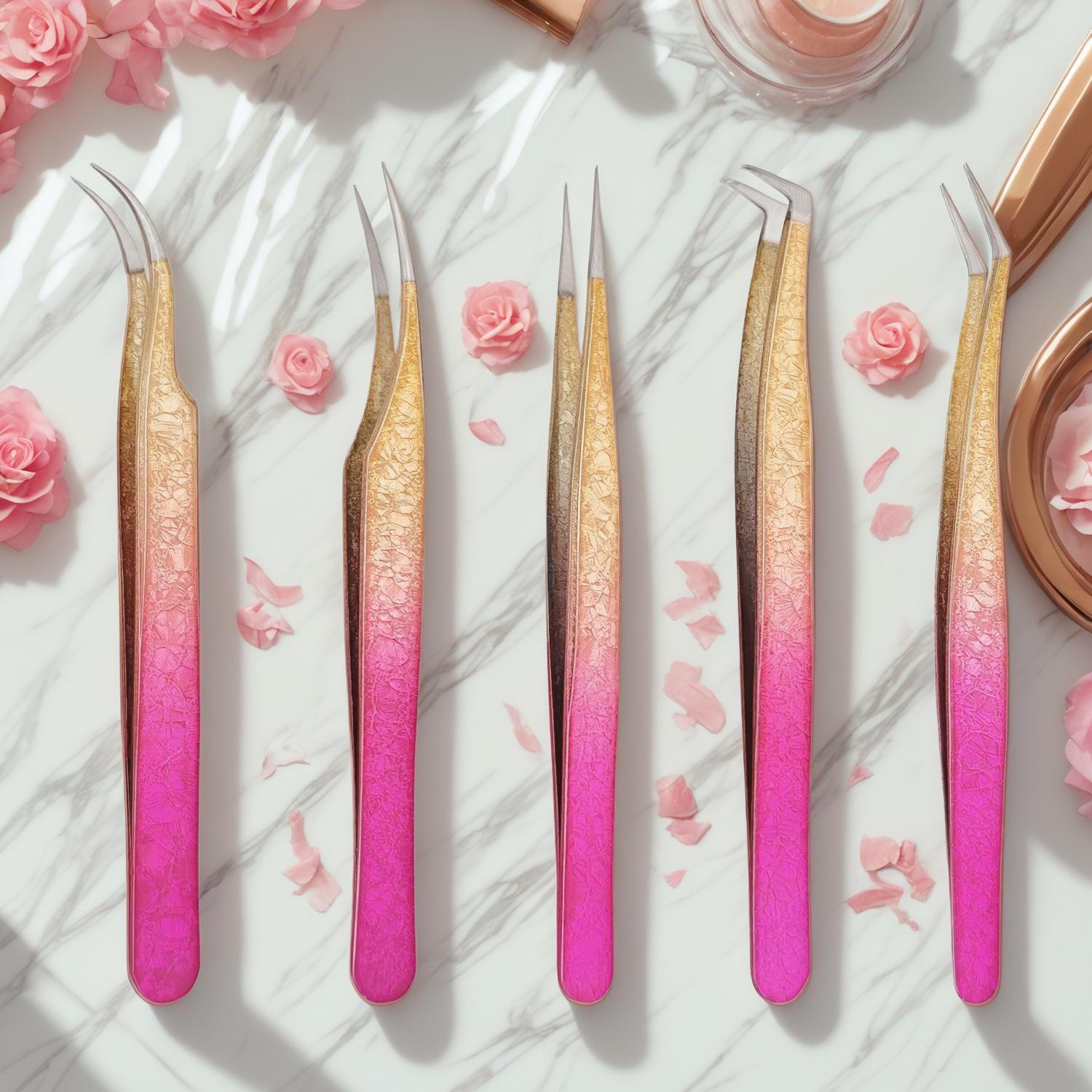
Precision Tweezers for Eyelash Extensions: How to Choose the Right Lash Tool
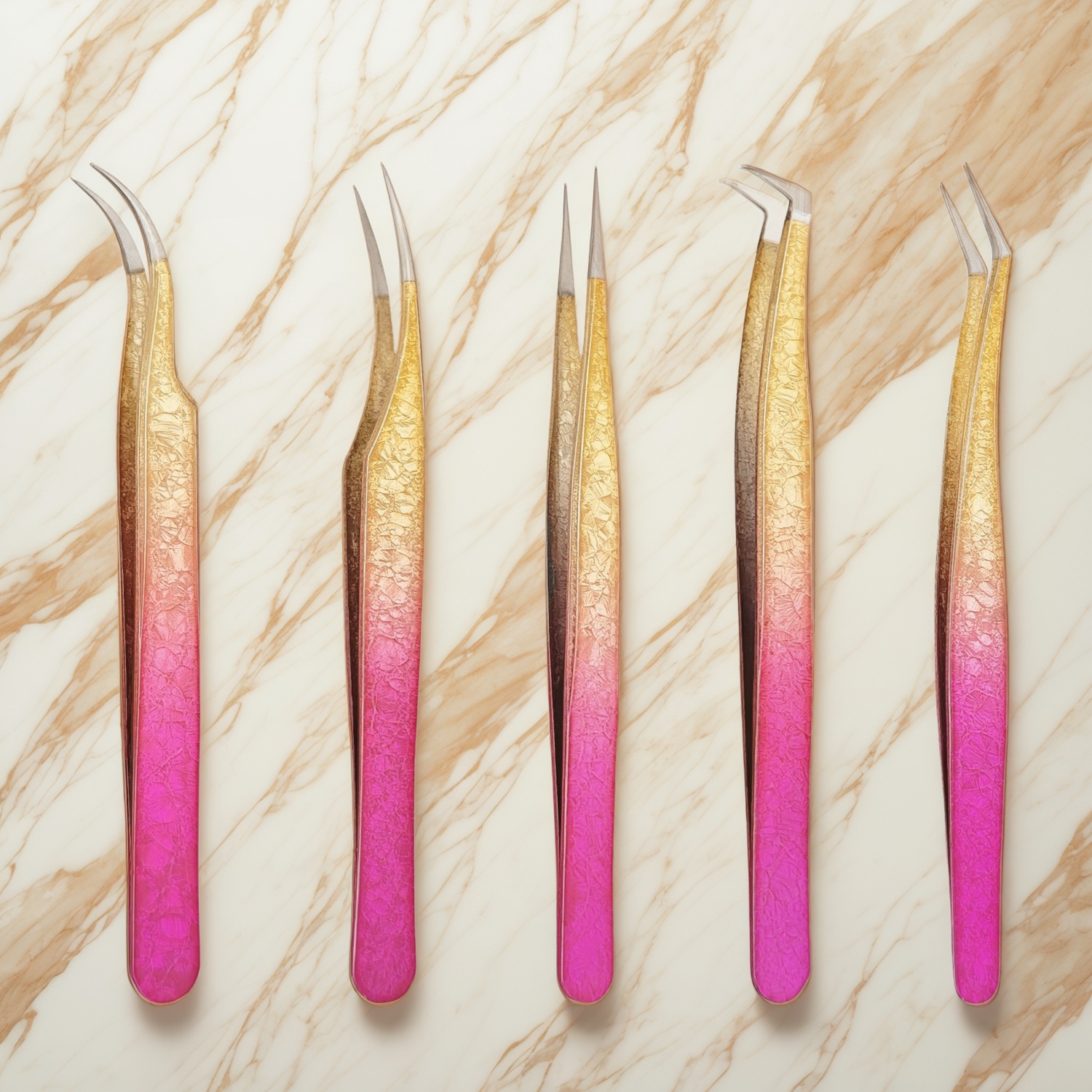
Eyelash extension work depends on control. The best-looking set is usually built through repeated, accurate movements: isolating one natural lash, picking up the extension or fan, and placing it without disturbing the surrounding lashes. For that reason, tweezers are not a minor accessory. They are one of the core tools that shape speed, comfort, and consistency in a professional lash room.
The Gradient Luxe Tweezer Collection by Olimor Beauty is positioned as a precision tweezer range for professional lash work, with ergonomic comfort and a polished appearance as part of its appeal. Those qualities matter in salons, training rooms, and retail assortments, but buyers should still evaluate any tweezer by how it performs in real use. This guide explains what to look for, how to compare options, and how to maintain tweezers so they stay reliable for daily lash application.
If you are building a professional kit or expanding a beauty tool assortment, you can also review Olimor beauty tool products or browse related tool collections to compare lash and other professional categories.
What precision tweezers do in lash extension work
In eyelash extension application, the tweezer must support fine, repeatable hand movements. A poor fit can force the artist to compensate, which may slow the service and increase strain on the fingers, wrists, and shoulders. A well-matched tweezer supports the technician rather than fighting the technique.
The main jobs of a lash tweezer are straightforward:
- Isolation: separating a single natural lash from the rest of the lash line.
- Pickup: gripping an extension or fan without crushing or dropping it.
- Placement: moving the extension into position with a stable hand.
- Volume handling: helping keep a fan open and aligned during transfer.
- Workflow support: reducing repeated attempts when the grip is predictable.
These functions sound simple, but they depend on tip alignment, tension, weight, and how the tool feels during long appointments. That is why lash artists often test several shapes before choosing the tweezer they rely on most.
Choose the right tweezer shape and feel
There is no single best tweezer for every lash service. The right choice depends on whether the user focuses on classic extensions, isolation, or volume work. Buyers should match tool shape to technique instead of choosing based only on appearance.
| Tweezer factor | Why it matters | What to check |
|---|---|---|
| Tip alignment | Even tip contact helps grip lashes cleanly. | Look for smooth closure and a consistent meeting point at the tips. |
| Tension | Too much tension tires the hand; too little can reduce control. | Open and close the tweezer several times to judge comfort. |
| Shape | Different profiles suit isolation, classic pickup, or volume. | Choose a shape that matches the service being performed. |
| Grip consistency | Reliable pickup saves time and reduces frustration. | Test the tool with practice lashes or sample extensions. |
| Surface finish | A clean finish supports professional presentation and easier care. | Inspect for rough edges, uneven coating, or residue traps. |
| Hand feel | Comfort becomes more important during long appointment days. | Hold the tool in the working position, not just in the palm. |
The Gradient Luxe Tweezer Collection by Olimor Beauty is relevant here because it combines a precision-focused profile with an aesthetic finish. For salons, that can matter both in daily use and in client-facing presentation. Still, the deciding factor should remain performance at the lash bed.
How to think about different user needs
- Independent lash artists: may prioritize comfort, dependable pickup, and a tool that feels natural in the hand.
- Training academies: often need consistent tools that support practice and make it easier for students to learn proper movement.
- Salon buyers: usually want a balance of performance, presentation, and replacement planning.
- Distributors and retailers: need clear product positioning so customers know whether the tweezer is for isolation, classic work, or volume handling.
How to inspect a tweezer before you buy
A product photo cannot tell you whether a tweezer will perform well in daily lash work. Before placing a larger order, inspect samples as if they were going into a live service environment. This is especially important for B2B buyers, where one poor choice can affect a whole team or product line.
Use this checklist when comparing samples:
- Check the closure. The tips should meet evenly and close smoothly without obvious misalignment.
- Feel the tension. The opening force should support control without creating unnecessary hand fatigue.
- Test the grip. Use practice lashes or sample extensions to see whether pickup feels reliable.
- Look at the finish. A polished, cleanable surface is easier to maintain and looks more professional on the workstation.
- Assess the working angle. The shape should match the artist’s hand position and the intended lash method.
- Review the packaging and labeling. Tools should be easy to identify and store separately from other beauty implements.
For buyers building a broader assortment, it can help to compare the tweezer against other professional categories on the full product range and then narrow down by use case. A thoughtful selection process is usually better than ordering one style for every technician.
Practical use, cleaning, and storage
Eyelash extension tweezers can lose performance if they are handled carelessly. Adhesive buildup, drops, mixed-tool storage, or aggressive cleaning can all affect tip alignment and grip. In a lash service, even a small change in the tool can create a noticeable difference in speed and accuracy.
Good daily habits protect the tool and the service outcome:
- Clean product residue promptly so it does not build up near the working tip.
- Avoid scraping the tips harshly when removing adhesive or debris.
- Store tweezers in a dedicated case or with tip protection.
- Keep them away from mixed metal tools that can distort the working edge.
- Inspect the tool before each appointment for gaps, bends, or residue.
- Retire any tweezer that no longer closes reliably for precision work.
Because eyelash extension work happens close to the eye area, hygiene matters as much as handling. Follow applicable local sanitation requirements and the manufacturer’s care guidance for any cleaning or disinfecting products used in the salon. Buyers should also verify current instructions from their local cosmetology board or public health authority, since requirements can vary by market and may change over time.
If a salon uses multiple tweezers, it helps to assign them by purpose. One tool may be reserved for isolation, another for pickup, and another as a backup. That kind of system reduces confusion and makes it easier to identify which tool needs replacement or reconditioning.
How salon and wholesale buyers should source lash tweezers
For business buyers, sourcing eyelash extension tools is not just a product decision. It is a category decision. The right selection should fit the intended customer, service method, and sales channel. A salon backbar, a training kit, and a retail shelf all need slightly different product presentation.
Before ordering, clarify the use case:
- Salon use: focus on comfort, repeated daily performance, and easy maintenance.
- Training use: prioritize clear tool purpose and consistent handling for students.
- Retail resale: make sure packaging and product descriptions clearly state the lash function.
- Distributor programs: consider assortment depth, replacement planning, and labeling clarity.
For buyers who want direct support, it can help to explain the intended application and customer profile before requesting samples. You can send a product inquiry for purchasing questions or contact the team to discuss assortment fit and customization needs.
Questions to ask a supplier
- Is the tweezer intended for isolation, classic pickup, volume work, or general lash handling?
- How is the product packaged for storage, resale, or kit assembly?
- Are there multiple shape options within the same collection?
- What care instructions should be shared with end users?
- Can samples be reviewed before larger purchasing decisions?
Buyers should also request any current supplier documents that support product identity, handling, and import requirements. If compliance paperwork is needed for your market, confirm the current version with the relevant authority or your importer before placing an order.
Common problems and how to solve them
Even good tweezers can create problems if they are matched poorly to the user or maintained badly. Most issues fall into a few predictable categories.
- Slipping lash pickup: often points to a mismatch between tip shape, tension, and the lash type being used.
- Hand fatigue: can come from a tool that is too tight, too heavy, or awkward for the technician’s grip.
- Slow application: may happen when the artist is using one tweezer for a task that needs two distinct tools.
- Inconsistent closure: usually suggests the tweezer should be inspected for damage or residue.
- Poor shelf presentation: can be improved by choosing a finish and package style suited to retail or salon display.
If these issues appear in a team setting, it is useful to compare two or three sample tools side by side. A technician who struggles with one style may perform much better with a different angle or tension. That is why sample testing is so valuable for salons and distributors.
Why the Gradient Luxe Tweezer Collection is relevant to professional lash buyers
The Gradient Luxe Tweezer Collection by Olimor Beauty is relevant to lash buyers because it combines a precision-tool focus with an elevated visual finish. In a professional setting, that combination can support both function and workstation presentation. For a salon, a polished tool can help reinforce a clean, organized service environment. For retailers, it can help create a more appealing shelf offering when the product is clearly positioned as a lash tool rather than a general beauty accessory.
At the same time, the collection should still be judged by practical lash criteria: tip control, grip consistency, comfort, and maintenance. Those are the factors that determine whether a tweezer becomes a daily favorite or sits unused in a drawer.
For buyers comparing options across a broader catalog, start with the tool category that matches the service need, then narrow by shape, finish, and handling preference. That approach is more reliable than buying based on appearance alone.
FAQ
Can I request samples before placing a larger order?
Many professional buyers prefer to test samples first. It is the best way to assess tip feel, grip, and handling before committing to a larger assortment.
Is there a minimum order quantity?
Order details can vary by product and purchase context. Share your business needs through the inquiry form so the team can respond with the current options.
Can the tweezers be customized for retail or salon programs?
Customization may depend on the product and order type. If you need packaging, branding, or assortment guidance, ask for available options before planning a launch.
How should quality be checked on arrival?
Inspect tip alignment, closure, surface finish, and packaging condition. If the tools are for professional lash work, test a few samples before distributing them to a team or customer base.
What should I know about lead time?
Lead time can differ by product, quantity, and destination. Confirm the latest schedule directly with the supplier or sales contact before promising delivery to your clients.
For salons, academies, and distributors, the best lash tweezer is the one that matches the service, feels dependable in the hand, and stays workable through proper care. If you are building a curated assortment, start with sample testing, clear use-case labeling, and a maintenance routine that protects the tool from the beginning.
Tag: