

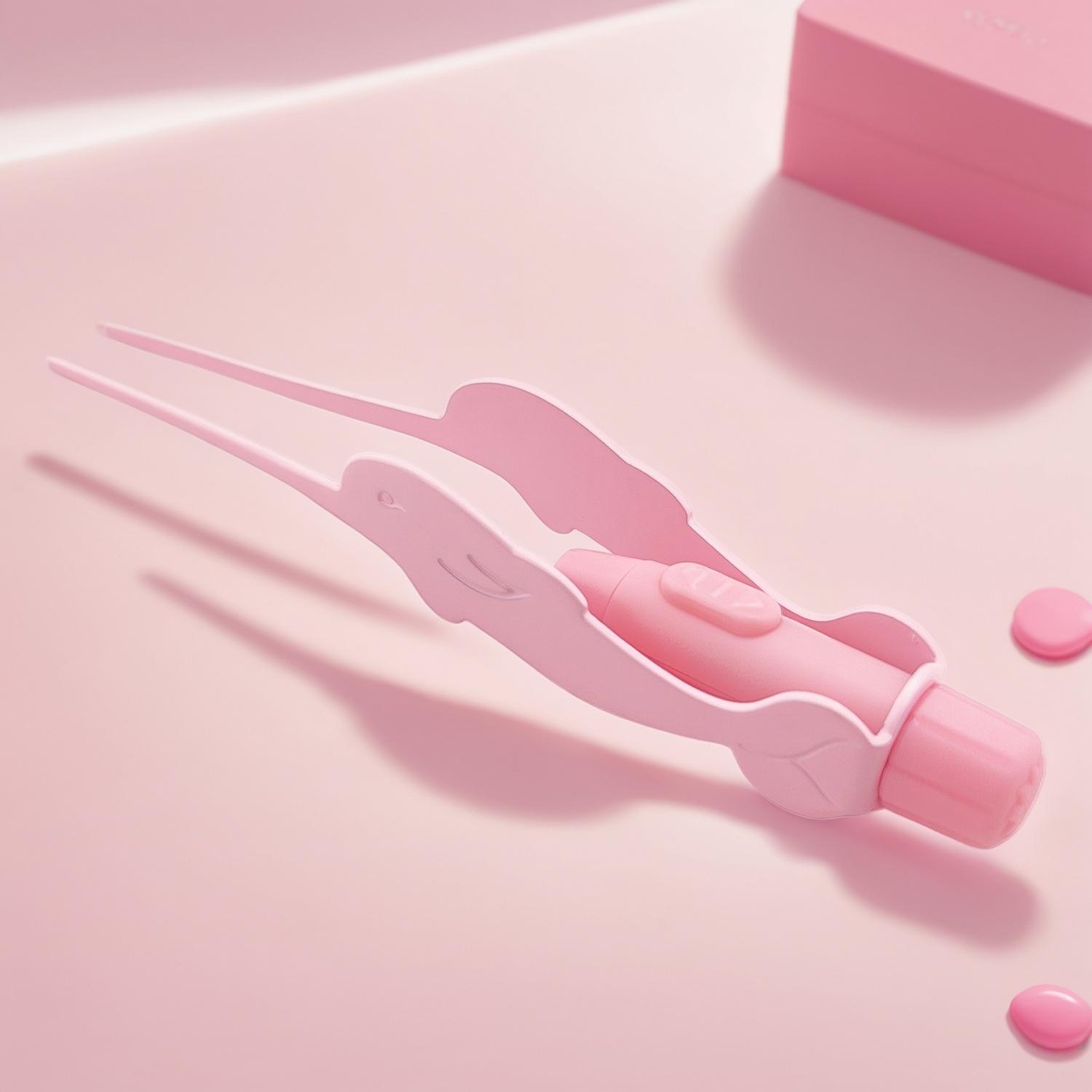
Custom Tweezers for Business Buyers: How to Source Branded Tools That Customers Will Keep Using
For beauty brands, salons and distributors, tweezers are small products with a large impact on customer perception. A pair that grips cleanly, feels balanced in the hand and arrives in polished packaging can support a premium brand image. A pair that slips, pinches unevenly or looks generic can have the opposite effect. That is why custom tweezers for business should be selected with the same care as any core beauty accessory.
Olimor Beauty works with B2B buyers looking for grooming tools that can support retail programs, salon use, promotional kits and distributor portfolios. The goal is not only to add a logo to a beauty tool, but to choose the right tweezer format, finish, packaging approach and quality expectations for the people who will actually use it. If you are comparing options across beauty tool products, this guide will help you evaluate what matters before placing a bulk order.
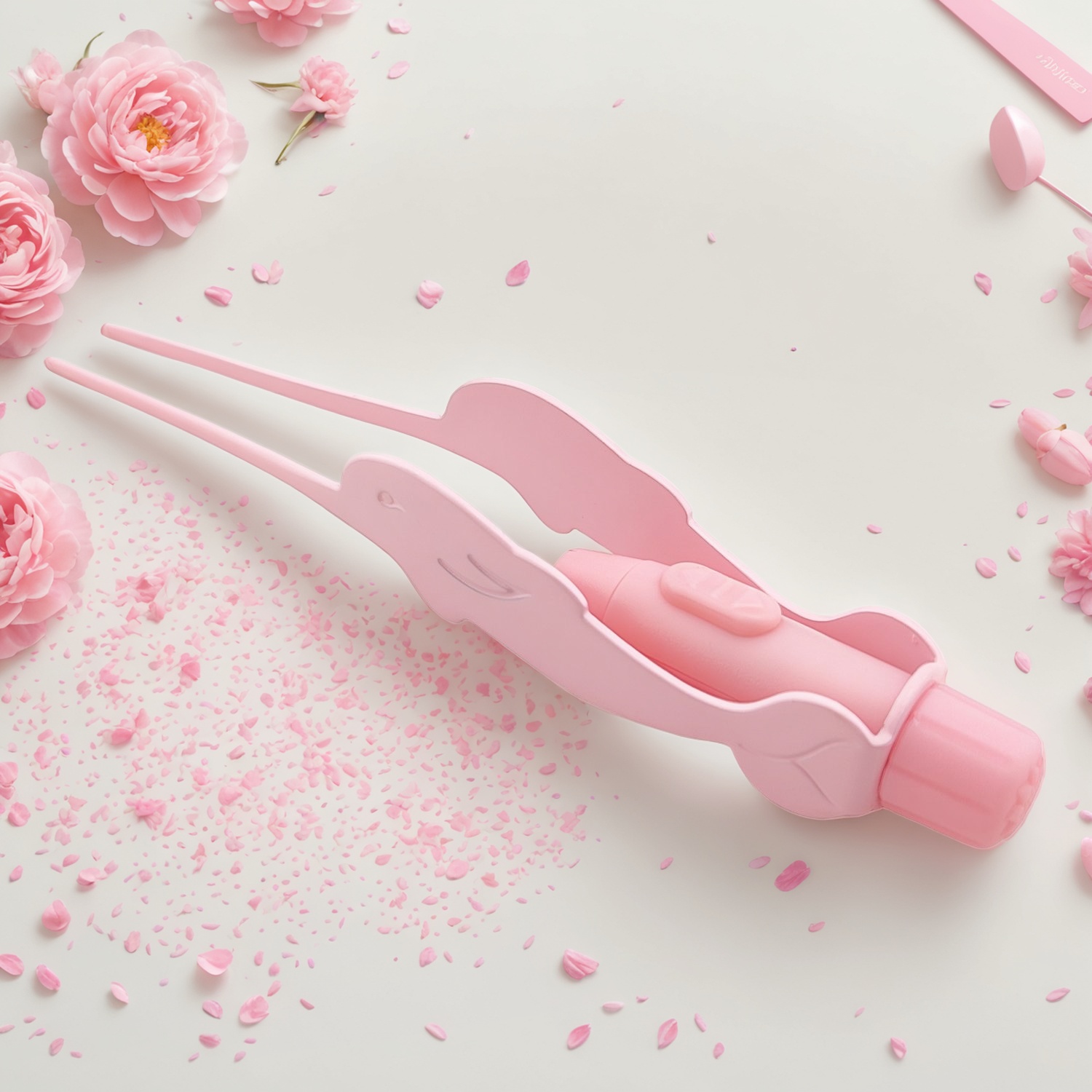
Why Custom Tweezers Work for Beauty Businesses
Tweezers are a practical product category because they serve multiple channels. A beauty brand may include them in brow care kits, a salon may retail them to clients after shaping appointments, and a distributor may offer them as a reliable add-on item for retailers. Their compact size also makes them suitable for gift sets, subscription boxes and travel-focused assortments.
The main value of customization is consistency. When a customer buys a brow product, lash accessory or nail care item from your brand, a matching tool helps make the assortment feel intentional. Custom tweezers can carry a brand color, logo placement or packaging direction that supports your existing visual identity. For distributors, branded or private-label tweezers can help create a product line that is easier to present to retail buyers than an unmarked commodity item.
However, branding only works when the tool performs. A tweezer is judged quickly: the tips must align, the tension should feel controlled, and the surface should be comfortable enough for repeat use. Before discussing artwork or packaging, business buyers should define the usage scenario and quality standard for the product.
Quality Details That Matter in B2B Tweezers
When sourcing B2B tweezers, quality control is not a secondary concern. Your customers may associate the tool directly with your brand, even if it was manufactured by a partner. Olimor Beauty focuses on internal quality control from raw material inspection through final packaging, which helps reduce avoidable issues before products reach business buyers.
The original material choice matters because tweezers need stability and clean tip performance. Stainless steel tools are commonly selected for beauty applications because they can provide durability, a smooth finish and a professional appearance. The design also matters. Ergonomic shaping can make a tweezer easier to control during detailed grooming tasks, especially for salons and frequent users.
When reviewing samples or planning a purchase, evaluate the following points:
- Tip alignment: The two tips should meet evenly without visible gaps that make fine hair difficult to grip.
- Grip consistency: The tweezer should catch hair securely without requiring excessive pressure.
- Hand feel: Edges, coating and body shape should feel comfortable during repeated use.
- Tension: A good tweezer should have enough resistance for control while remaining easy to squeeze.
- Finish quality: Inspect for scratches, uneven coating, rough corners or logo defects.
- Packaging condition: Retail-ready packaging should protect the tips and present the brand clearly.
These checks are simple, but they help buyers distinguish between a tool that looks acceptable in a catalog and one that works well in daily use.
Choosing the Right Customization Direction
Customization should fit the market position of the buyer. A salon may prefer a clean, professional look that supports service credibility. A retail beauty brand may want color and packaging that match an existing line. A distributor may need a more flexible design that can be adapted for several customer types.
Start with the intended end user. If the tweezer is for brow grooming, tip precision and control should lead the decision. If it is part of a general beauty kit, durability, appearance and safe packaging may be equally important. If it is for promotional use, the design should still be functional enough that recipients keep it rather than discard it.
Branding can include visual decisions such as color, logo placement and packaging style, but buyers should keep the surface area in mind. Tweezers are small, so overly detailed artwork may not reproduce clearly. A simple logo, sharp contrast and uncluttered packaging usually create a stronger result than trying to include too much information on the tool itself.
Before approving a design, prepare a concise brand brief: preferred colors, logo files, packaging references, target retail environment and any functional requirements. If you are still comparing product categories, review Olimor product collections to consider how tweezers may fit with other beauty tools in a coordinated assortment.
Bulk Tweezers Price: What Buyers Should Compare
Bulk purchasing can improve cost efficiency, but the lowest unit price is not always the best business choice. A weak tweezer may create returns, complaints or poor reviews that cost more than the initial savings. A strong sourcing decision balances price, consistency, packaging quality and delivery reliability.
When comparing a bulk tweezers price, look beyond the number on the quotation. Consider what is included in the price and what may affect the final landed cost. Packaging, customization method, order quantity, inspection expectations and shipping requirements can all influence the total purchase.
| Cost factor | Why it matters | Buyer checkpoint |
|---|---|---|
| Tool construction | Better construction supports grip, tension and repeat use. | Review samples for alignment, finish and comfort. |
| Branding method | Logo appearance affects the perceived value of the final product. | Confirm artwork size, placement and durability expectations. |
| Packaging | Packaging protects tips and influences retail presentation. | Check whether packaging suits e-commerce, salon or retail shelves. |
| Quality control | Consistent inspection reduces defects across large orders. | Define appearance and function standards before production. |
| Order planning | Reorders and launch timing affect inventory availability. | Plan quantities around sales channels and promotional calendars. |
This approach helps buyers evaluate value more accurately. A competitive price should still support the level of quality your brand promises.
Considerations for Tweezers Distributors
Distributors need products that are easy to position for different customer types. Tweezers can be offered to beauty retailers, salons, spa suppliers, online stores and gift set brands. The challenge is selecting options that feel broadly useful while still allowing enough customization for private-label programs.
For tweezers for distributors, consistency across batches is especially important. Retail partners may reorder if the first shipment sells well, and they expect the repeat order to match the original product as closely as possible. Packaging dimensions, logo placement, color direction and tool finish should be documented clearly so future production can follow the approved standard.
Distributors should also think about assortment strategy. A single tweezer may work as an entry product, while a small range of coordinated beauty tools can support larger accounts. The key is to avoid overcomplicating the first order. Start with a clear use case, confirm the customer segment and choose a design that can be repeated or expanded later.
Packaging and Presentation for Retail, Salon and Promotional Use
Packaging is more than decoration. It protects the tweezer tips, communicates brand value and helps the buyer’s customer understand the product quickly. A salon may need packaging that looks professional at the checkout counter. A retail brand may need clear product information and a polished front-facing presentation. A promotional buyer may prioritize compact packaging that is easy to include in a kit.
Good packaging decisions begin with the sales channel. For e-commerce, protection during shipping is important. For retail shelves, visibility and clean branding may be more important. For salon resale, the package should look professional but not overcomplicated. In every case, the tweezer should be secured so the tips are not damaged before use.
Buyers should also check whether the packaging supports their market requirements, such as barcode placement, label space or multilingual information if needed for the sales region. These details are best planned early because packaging revisions can slow down an otherwise straightforward order.
A Practical Buyer Checklist Before Ordering
Before confirming a custom tweezer order, use a structured review process. This prevents decisions from being based only on appearance and helps align purchasing, marketing and quality teams.
- Define the target user: retail customer, salon professional, distributor account or promotional recipient.
- Choose the key performance priority, such as precision, comfort, retail appearance or kit compatibility.
- Review physical samples for tip alignment, tension, finish and packaging condition.
- Prepare brand artwork in suitable file formats and keep the design simple enough for a small tool.
- Confirm packaging goals, including protection, shelf presentation and label requirements.
- Compare total sourcing value, not only the unit price.
- Document approved samples, colors, logo placement and packaging references for future reorders.
If your team is preparing a new beauty tool launch or evaluating a private-label tweezer program, you can send an inquiry with your intended use, branding direction and order planning needs. For broader sourcing questions, you can also contact Olimor to discuss suitable beauty tool options.
Building a Better Branded Tweezer Program
A successful custom tweezer program is built on practical details: reliable stainless steel construction, ergonomic handling, controlled tip performance, clear branding and packaging that matches the sales channel. For beauty brands, this can strengthen a product line and improve customer loyalty. For salons, it can create a professional resale item that clients understand immediately. For distributors, it can become a dependable category with repeat potential.
The best results come from treating tweezers as functional beauty tools rather than simple logo merchandise. When quality, branding and sourcing decisions work together, custom tweezers can support a premium image while remaining useful in everyday grooming routines.
Tag: