

Bulk Grooming Tools: How Brands Can Source Reliable Beauty Tools at Scale
Buying grooming tools in bulk is not only a purchasing task. For a beauty brand, salon group, retailer, subscription box or promotional program, the tools become part of the customer’s first impression of your business. A manicure tool that feels flimsy, arrives with uneven finishing or fails after limited use can affect reviews, returns and repeat orders. A well-made tool, by contrast, supports a more consistent user experience and makes the brand behind it feel more dependable.
Olimor Beauty works with businesses looking for grooming tools, manicure sets and related beauty tools for larger-volume programs. The most effective sourcing process starts with clear expectations: what the tool will be used for, how it should look in a kit, what level of customization is needed and what quality checks should happen before shipment. This guide explains how to evaluate bulk purchase grooming tools with practical criteria rather than relying on appearance alone.
Why Bulk Grooming Tool Sourcing Needs More Than a Low Unit Cost
Cost matters in every wholesale purchase, but grooming tools are handled directly against nails, cuticles, brows or skin. That makes consistency, finishing and usability especially important. A low-cost option that creates complaints can become more expensive after replacements, customer service time and damaged brand trust are included.
Before comparing quotations, define the business purpose of the tools. A retail manicure kit may need attractive packaging and a balanced selection of tools. A salon group may care more about durability, easy cleaning and repeat usability. A promotional gift may need simple branding and a presentation that matches a campaign. A private-label beauty line may require closer attention to surface finish, color choices, logo placement and carton presentation.
For a stronger comparison, separate the decision into three areas: functional quality, brand presentation and supply reliability. Functional quality covers the tool material, edge consistency, handle comfort and finishing. Brand presentation includes logo method, packaging, color direction and kit arrangement. Supply reliability includes communication, sample review, inspection points and the ability to repeat the same specification in future orders.
Quality Criteria to Review Before Placing a Bulk Order
The original purpose of a grooming tool is simple: it must perform cleanly and feel safe in the hand. For stainless steel tools, buyers should review whether the edges, tips, surface finish and assembly are suitable for the intended use. Even when the product looks elegant in photos, a sample should be evaluated in normal handling conditions.
Useful quality checkpoints include:
- Surface finish: Check for rough areas, visible burrs, discoloration or inconsistent polishing, especially near edges and joints.
- Edge and tip consistency: For manicure and grooming tools, uneven cutting edges or misaligned tips can affect performance and user confidence.
- Grip and ergonomics: A tool should feel controlled, not slippery or awkward, during common grooming movements.
- Opening and closing action: For hinged tools, movement should feel smooth and stable, without looseness that suggests poor assembly.
- Packaging fit: Tools should sit securely in inserts, pouches or boxes so they do not scratch one another during transport.
- Batch consistency: Samples and production units should follow the same appearance and handling standard.
For businesses that plan to sell under their own name, a written specification is valuable. It does not need to be complicated, but it should list the tool type, finish, logo position, packaging style, accepted color references and any specific visual or functional requirements. This helps avoid misunderstandings when moving from sample approval to production.
Customization Choices That Affect the Final Brand Experience
Customization is often the reason a business looks for a custom beauty tools manufacturer instead of purchasing generic stock items. However, customization should be planned carefully. Too many changes can complicate production, while too little customization may make the product feel disconnected from the rest of your brand.
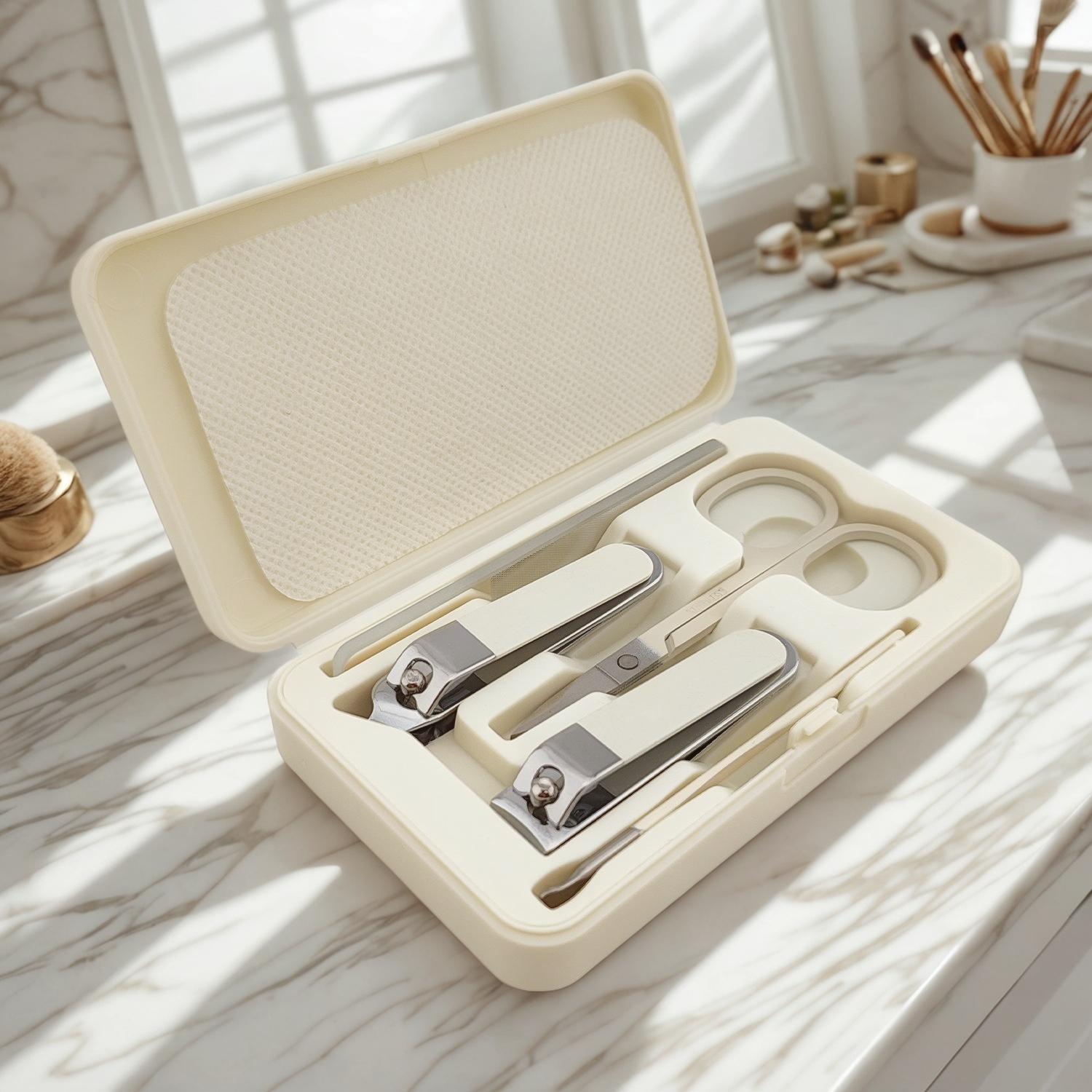
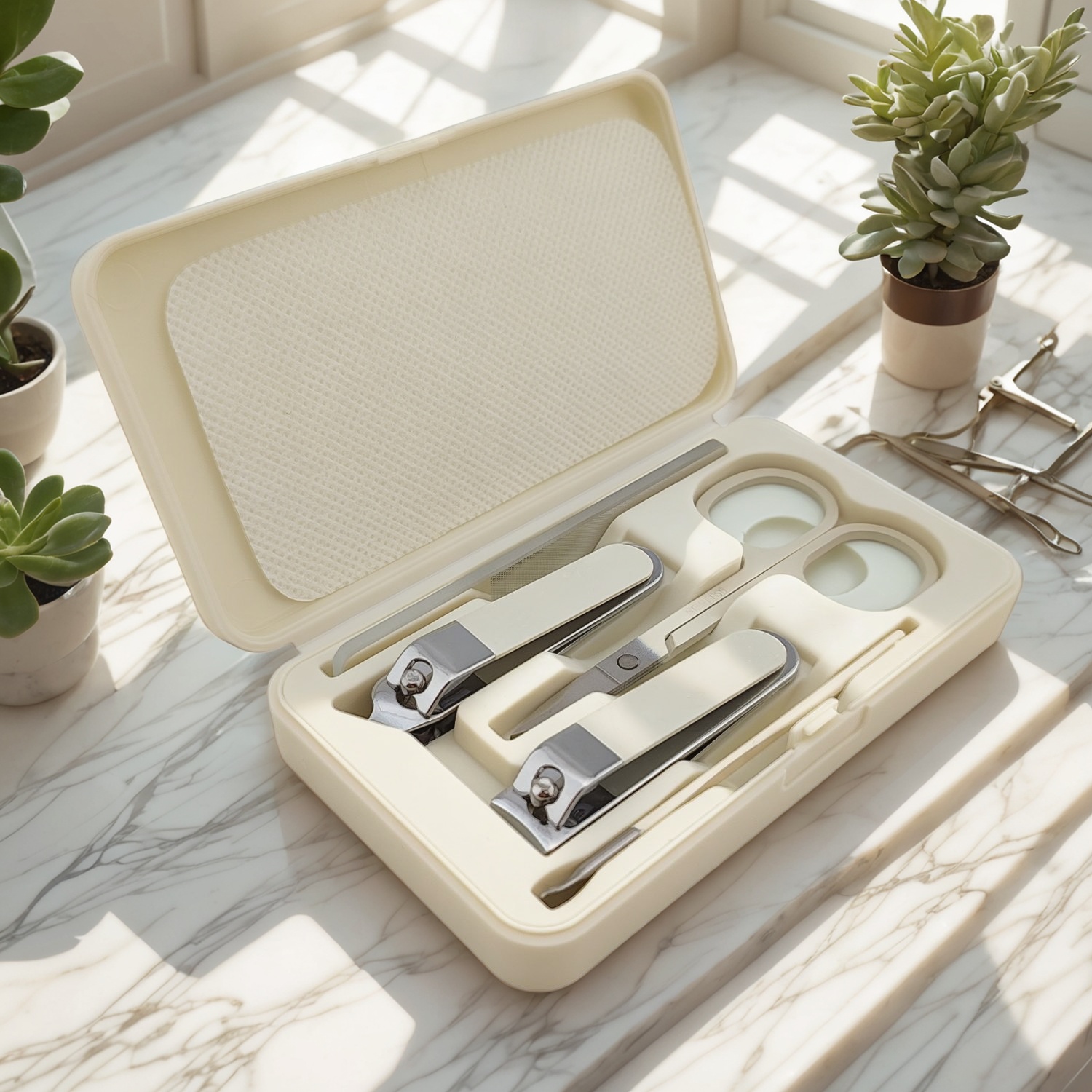
Common customization areas include logo placement, outer packaging, tool set composition and color direction. For example, a retailer may want a simple manicure set with coordinated packaging for shelf display. A salon brand may prefer a clean, professional look with understated logo treatment. A gifting program may prioritize a compact kit that is easy to distribute, store and present.
When reviewing customization options, consider how the customer will encounter the product. The first touchpoint may be an online product photo, a retail shelf, an unboxing moment or a salon appointment. The packaging should explain the tool set clearly and protect the items inside. The tools should be easy to remove and return to storage. If the kit includes multiple pieces, the arrangement should feel logical rather than crowded.
Explore the broader range of beauty tool products to compare possible categories and kit combinations before narrowing your specification. If your project is still early, browsing product collections can also help your team decide whether the program should focus on manicure tools, general grooming accessories or a more complete beauty tool set.
Vegan Manicure Tools and Ethical Product Positioning
Many beauty buyers now pay attention not only to how a product performs, but also to how it fits their personal values. The original sourcing brief for this product category includes vegan manicure tools wholesale options, which can be relevant for brands serving conscious consumers, gift programs or retailers with ethical merchandising standards.
For grooming tools, “vegan” positioning often relates to avoiding animal-derived components in accessories, cases or packaging materials. Because material decisions vary by design, buyers should define the claim they want to make and align it with the actual product construction. A clear checklist is better than a vague label.
Before approving an ethical or vegan-positioned manicure kit, review the following:
- Identify every component in the set, including tools, case, insert, adhesive labels and decorative accessories.
- Confirm which parts, if any, could involve animal-derived materials.
- Choose packaging and storage materials that support the intended claim.
- Keep wording accurate on product pages, packaging and sales materials.
- Retain approval records for the final sample and packaging artwork.
This approach helps the final product stay aligned with marketing claims without overpromising. It also gives distributors, retailers and customer service teams clearer information if consumers ask about the product.
Questions to Settle Before Production
A good sourcing discussion is specific. Instead of asking only for a catalog and price, prepare a short brief that describes the use case, preferred tool types, packaging expectations and launch timeline. This allows the supplier to respond with more relevant options and helps your team compare proposals fairly.
| Decision Area | What to Clarify | Why It Matters |
|---|---|---|
| Tool selection | Which grooming or manicure tools belong in the set | Prevents overbuilt kits and keeps the product useful |
| Finish and feel | Preferred surface appearance, grip comfort and edge expectations | Improves consistency between samples and bulk goods |
| Branding | Logo position, size, color and packaging artwork | Protects brand identity and avoids production delays |
| Packaging | Box, pouch, insert or retail-ready presentation | Influences shipping protection and customer perception |
| Inspection | Visual checks, functional checks and packaging checks | Reduces the risk of inconsistent batches |
These details are especially important for businesses buying at scale. A small ambiguity in logo placement or packaging fit can become a much larger issue once goods are produced in quantity. Clear approvals create a shared reference point for everyone involved.
How Olimor Beauty Supports Bulk Grooming Tool Buyers
Olimor Beauty focuses on beauty tools for business buyers that need reliable sourcing, customization support and practical product development communication. As a beauty tools supplier in China, Olimor Beauty can support projects where stainless steel grooming tools, manicure sets and customized presentation are central to the purchasing decision.
The best results come from collaboration at the specification stage. Share the target audience, sales channel and product positioning. A tool set for a premium gift box may need a different structure from a salon retail add-on or an entry-level manicure kit. If your brand already has packaging guidelines, logo files or color standards, prepare them before sampling begins. If not, begin with the functional tool selection and build the presentation around it.
It is also useful to think ahead about repeat orders. If a grooming kit is likely to become a long-term item, keep records of the approved sample, packaging artwork and any agreed inspection points. This makes future purchasing more consistent and helps maintain the same customer experience over time.
Building a More Reliable Grooming Tool Program
Bulk purchase grooming tools should be selected with the same care as any customer-facing beauty product. Look beyond a basic product photo and evaluate the tool’s finish, handling, packaging and fit with your brand promise. For custom programs, define the essential requirements early, then use samples and written specifications to confirm the final direction.
If your business is planning a private-label grooming kit, salon retail line, promotional beauty set or vegan manicure tools wholesale program, Olimor Beauty can help you review suitable options and prepare a practical sourcing path. To discuss a project, contact Olimor with your intended product type and market, or send an inquiry with your initial requirements for tool selection, branding and packaging.
Tag: