


PVD-Coated Nail Clippers: A Practical Guide for Premium Grooming Tool Buyers
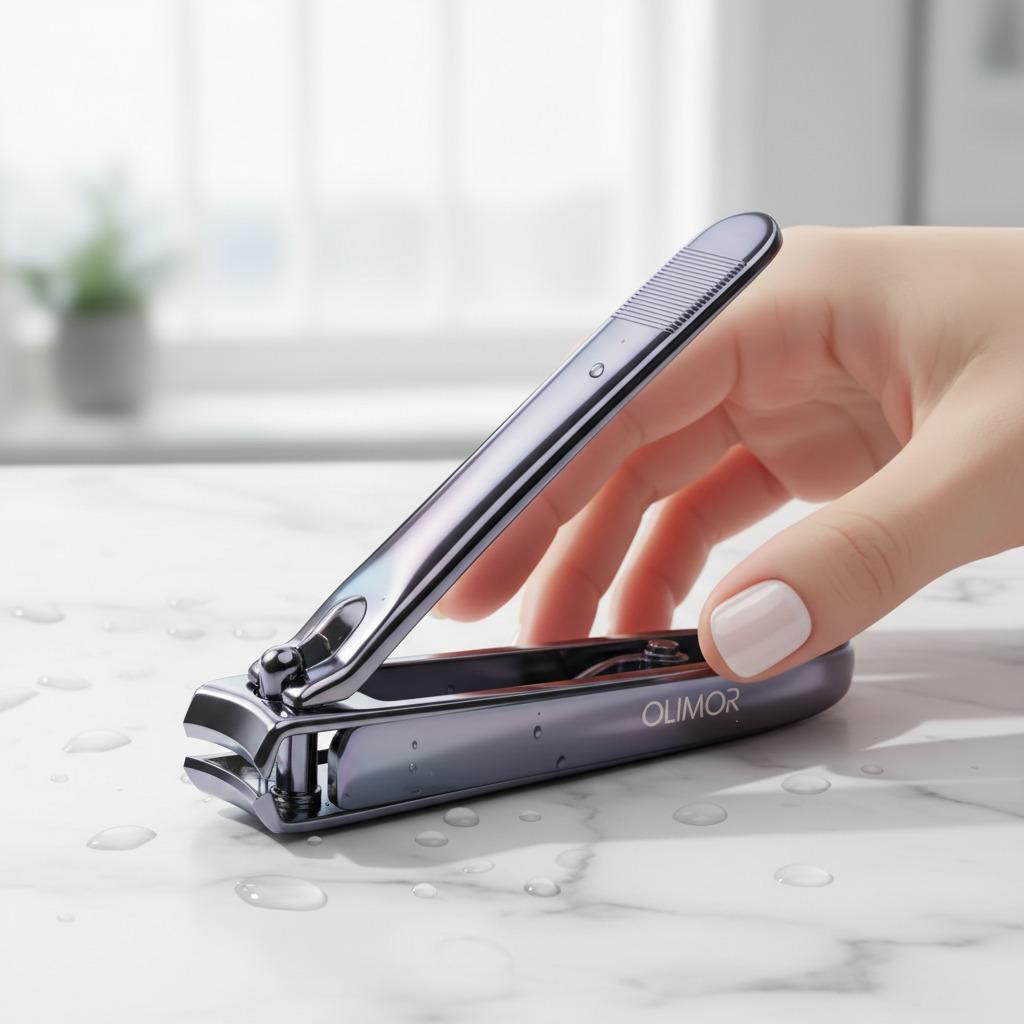
Premium nail clippers are small tools, but customers judge them quickly. A clipper that feels rough, loses its clean cutting action, stains easily, or looks worn after limited use can weaken the perceived value of an entire grooming set. That is why advanced PVD technology has become an important topic for beauty-tool brands, wholesalers, salons, gift-set buyers, and personal care retailers looking for nail clippers with a more durable, polished finish.
PVD stands for Physical Vapor Deposition. In simple terms, it is a coating process that deposits a thin, resilient layer onto a metal surface. In the context of nail clippers, the coating is often used to improve the exterior finish, support corrosion resistance, and create a professional appearance without changing the basic function of the cutting mechanism. For buyers comparing standard stainless steel clippers with coated premium options, the key is not only the color or shine. It is whether the coating, base tool construction, edge finishing, and quality control work together as a reliable grooming product.
Olimor Beauty focuses on beauty tools for personal care and retail use. If you are reviewing options beyond this article, you can browse beauty tool products or compare broader product collections to understand how nail clippers may fit into a complete grooming range.
What Advanced PVD Technology Adds to Nail Clippers
A nail clipper is handled frequently, stored in bathrooms, carried in travel bags, and sometimes used in salon or shared grooming environments. These conditions make surface durability important. Advanced PVD technology is valued because it can create a thin coating that bonds to the metal surface and helps the tool maintain a cleaner, more premium appearance over time.
For nail clippers, a PVD coating can support several practical goals:
- Improved surface wear resistance: A resilient coating may help reduce visible wear from regular handling and storage.
- Corrosion resistance support: When combined with suitable metal preparation and proper care, the coating can help protect the surface against moisture-related staining.
- Consistent premium appearance: PVD finishes can create a sleek, professional look suitable for retail packaging, grooming kits, and beauty sets.
- Thin coating profile: Because PVD creates a thin deposited layer, it can enhance the surface without making the clipper feel bulky or interfering with normal handling.
It is important to understand that PVD coating is not a substitute for sound tool design. A coated nail clipper still needs accurate jaw alignment, a smooth lever action, comfortable handling, and properly finished cutting edges. The best results come when coating technology is applied to a well-made base product rather than used to hide poor construction.
How to Evaluate a Premium PVD Nail Clipper
When sourcing or selecting premium nail clippers, focus on the complete user experience. Customers notice whether the tool cuts cleanly, whether it pinches, how it feels in the hand, and whether it remains attractive after repeated use. A good buying evaluation should include both cosmetic and functional checks.
- Inspect the cutting edges. The clipper should meet cleanly at the cutting line. Uneven jaws can cause tearing, bending, or repeated clipping of the same nail section.
- Check lever movement. The lever should press smoothly and return consistently. Excessive stiffness may feel uncomfortable, while looseness may suggest poor assembly.
- Review the coating finish. Look for even color, clean coverage, and no obvious bubbling, rough patches, or exposed areas on visible surfaces.
- Assess grip and ergonomics. A premium clipper should be easy to hold, especially for users trimming thicker nails or using the tool at awkward angles.
- Consider packaging compatibility. If the clipper will be sold in a gift set or travel grooming kit, confirm that the finish, size, and appearance match the overall product positioning.
For retailers and distributors, it is also useful to compare samples from the same production batch rather than judging a single polished display piece. Consistency is one of the clearest signs that the manufacturing and finishing process is well controlled.
PVD Coating Compared with Ordinary Polished Finishes
Standard polished metal clippers can be practical and affordable, but they may not deliver the same visual distinction as a coated premium product. PVD-coated nail clippers are often chosen for ranges where the buyer wants a more refined presentation, a modern color effect, or a surface that better supports long-term appearance.
| Selection factor | Standard polished clipper | PVD-coated premium clipper |
|---|---|---|
| Visual positioning | Simple, functional, familiar | More refined and suitable for premium sets |
| Surface protection | Depends mainly on base material and polishing | Coating can add a resilient protective layer |
| Retail appeal | Works well for basic daily-use categories | Stronger fit for gift, travel, salon, or boutique grooming lines |
| Buyer focus | Price, cutting function, basic durability | Finish quality, coating consistency, cutting performance, packaging match |
This comparison does not mean every product range needs PVD. A basic clipper may be the right choice for value assortments. PVD becomes more relevant when the target customer expects a tool that looks premium, feels well finished, and fits into a higher-quality beauty or grooming presentation.
Use Cases Where PVD-Coated Nail Clippers Make Sense
PVD-coated clippers can be especially useful when appearance and perceived quality influence the purchase decision. In retail, a nail clipper is often bought quickly, so surface finish and packaging can make a difference. In professional or semi-professional settings, a clean, durable-looking tool can support a more careful grooming experience.
Common use cases include:
- Premium personal grooming sets: A coated clipper can pair well with tweezers, scissors, files, and other metal beauty tools.
- Travel kits: Compact clippers with a durable-looking finish suit customers who carry tools in bags or toiletry cases.
- Gift assortments: PVD finishes can create a more polished impression when the tool is displayed in a box or pouch.
- Salon retail counters: Customers buying after a service may respond well to tools that look professional and easy to maintain.
- Men’s grooming and unisex care ranges: Neutral metallic finishes can work across multiple product audiences without relying on decorative styling.
For a complete assortment, buyers may combine coated nail clippers with related tools from other categories. Reviewing the full beauty tool products page can help identify complementary items for a cohesive retail set.
Maintenance Tips for Coated Nail Clippers
Even with a durable coating, nail clippers need sensible care. The goal is to keep the cutting edge clean, prevent moisture from sitting on the surface, and avoid unnecessary abrasion. These habits are simple, but they can make a meaningful difference in how the tool looks and performs.
- Wipe the clipper after use, especially if it has been exposed to water, lotions, or disinfecting products.
- Dry the hinge and lever area before storing the tool in a pouch, drawer, or travel case.
- Avoid aggressive scouring pads or harsh abrasive cleaners, as they may dull the surface finish.
- Store the clipper away from loose hard objects that can scratch the coating during transport.
- Check the jaw alignment periodically. If the clipper is dropped, inspect it before continued use.
For salon or shared-use environments, cleaning procedures should match the hygiene requirements of the business and the materials used in the tool. Buyers preparing products for professional retail should consider including clear care instructions in packaging or user inserts.
Sourcing Questions for Beauty Brands and Retail Buyers
When comparing PVD-coated nail clippers, sourcing decisions should be based on repeatable quality rather than appearance alone. A sample may look attractive, but the order needs consistent coating, reliable cutting action, and packaging that protects the tool during shipping and display.
Before placing an order, build a checklist around the following points:
- What base material and surface preparation are used before coating?
- How is coating consistency checked across visible areas and edges?
- Are cutting edges inspected after coating and assembly?
- Does the lever action remain smooth across multiple samples?
- Can the product be packaged to reduce scratches during transit?
- Is the clipper intended for individual sale, a grooming kit, travel retail, or promotional use?
- What labeling, care instruction, and packaging information will the final market require?
These questions help separate a decorative coating from a dependable premium beauty tool. They also give purchasing, merchandising, and quality teams a shared basis for evaluation. If your business is preparing a new grooming set or comparing nail clipper options, you can send an inquiry with your target use, packaging needs, and sample evaluation priorities.
Why PVD Technology Belongs in Premium Nail Clipper Development
Advanced PVD technology is valuable because it addresses an important part of the premium grooming-tool experience: the surface that customers see, touch, and judge over time. When applied to a well-designed stainless steel nail clipper, it can support a sleek professional finish, help the surface resist everyday wear, and make the product more suitable for higher-end retail presentations.
The most successful PVD-coated nail clippers are not defined by coating alone. They combine clean cutting performance, comfortable handling, consistent finishing, careful inspection, and practical maintenance guidance. For beauty brands, distributors, and retailers, that combination is what turns a small personal care tool into a product customers are more likely to keep, use, and repurchase.
To discuss nail clippers or related grooming tools for your product range, you can contact Olimor and share the intended market, finish preference, and packaging direction for your project.
Tag: