

How Salons Should Evaluate Pedicure Tool Suppliers
Choosing pedicure tool suppliers is not only a purchasing task. For a salon, spa, nail studio, distributor or beauty retailer, the tools you buy affect service consistency, staff efficiency, hygiene workflows and the way clients perceive your professionalism. A low-cost tool that bends, rusts, feels awkward in the hand or is difficult to clean can create more operational problems than it solves. A well-chosen tool range, on the other hand, supports smoother treatments and more predictable inventory planning.
This guide focuses on practical selection criteria for salons and beauty businesses sourcing pedicure tools, bulk beauty products for salons and personal care tools wholesale. It also looks at how a specific item such as the Stainless Steel Dual-Ended Nail Tool from Olimor Beauty can fit into a professional nail-care setup without overcomplicating your buying process.
Start With the Services Your Salon Actually Performs
Before comparing pedicure tool suppliers, define the treatments and service standards you need to support. A boutique nail studio that focuses on express pedicures may not require the same purchasing list as a full-service spa offering detailed foot-care, polish preparation and retail grooming accessories. Buying without a service map often leads to overstocked tools in one category and shortages in another.
Build your first supplier checklist around actual usage. For example, consider how many stations you operate, how many technicians work at peak times, which tools need to be available at every station, and which tools are shared after cleaning and disinfection. If your team frequently performs nail shaping, cuticle-area preparation or detail cleaning, a compact dual-ended tool may be more useful than several separate single-purpose items.
For a broader view of available categories, you can review Olimor beauty tool products and compare them against your salon menu. The goal is not to buy every possible tool, but to choose items that match your treatments, staff habits and client expectations.
What to Look for in Professional Pedicure Tools
Professional pedicure tools should be judged by more than appearance. A tool may look attractive in product photos, but salon use places constant stress on grip, edges, cleaning routines and storage. When evaluating pedicure tool suppliers, focus on the features that influence daily performance.
- Material suitability: Stainless steel is commonly valued in salon tools because it supports durability and cleaning. If a tool is described as stainless steel, check whether the finish appears smooth and whether the supplier can explain appropriate care guidance.
- Functional design: A dual-ended nail tool can help technicians complete more than one grooming step without changing tools constantly. This may reduce clutter at the station and simplify basic kit planning.
- Comfort in hand: Pedicure tools are used repeatedly throughout the day. Handles should be easy to control, not overly slippery, and comfortable for technicians with different hand sizes.
- Edge and tip consistency: Tips should be uniform from piece to piece. Inconsistent finishing can affect service precision and may require extra inspection before tools are assigned to workstations.
- Cleaning practicality: Avoid complex designs with unnecessary crevices if your salon needs fast, reliable cleaning workflows between clients.
- Packaging and protection: For wholesale orders, protective packaging reduces scratches and damage during transit and storage.
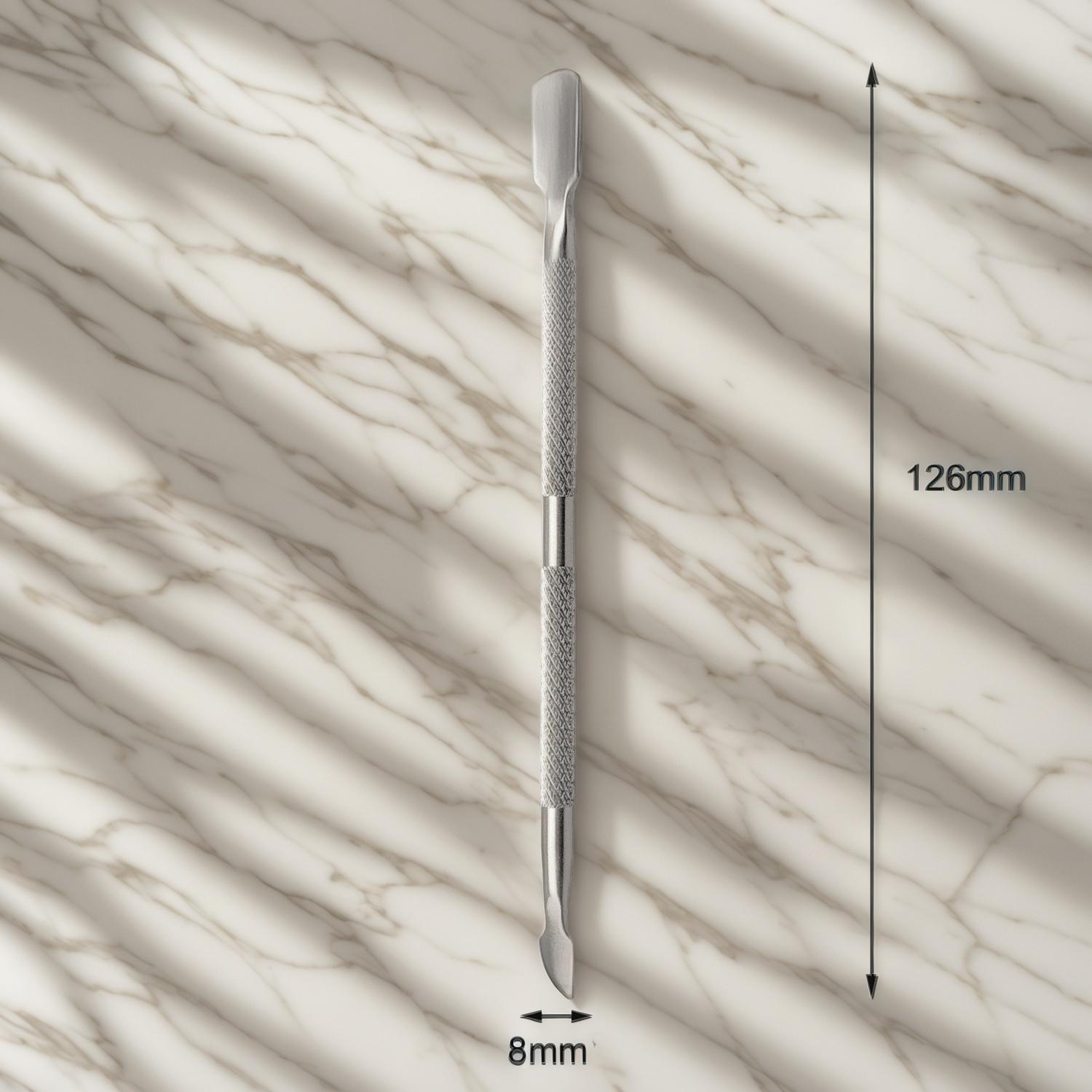
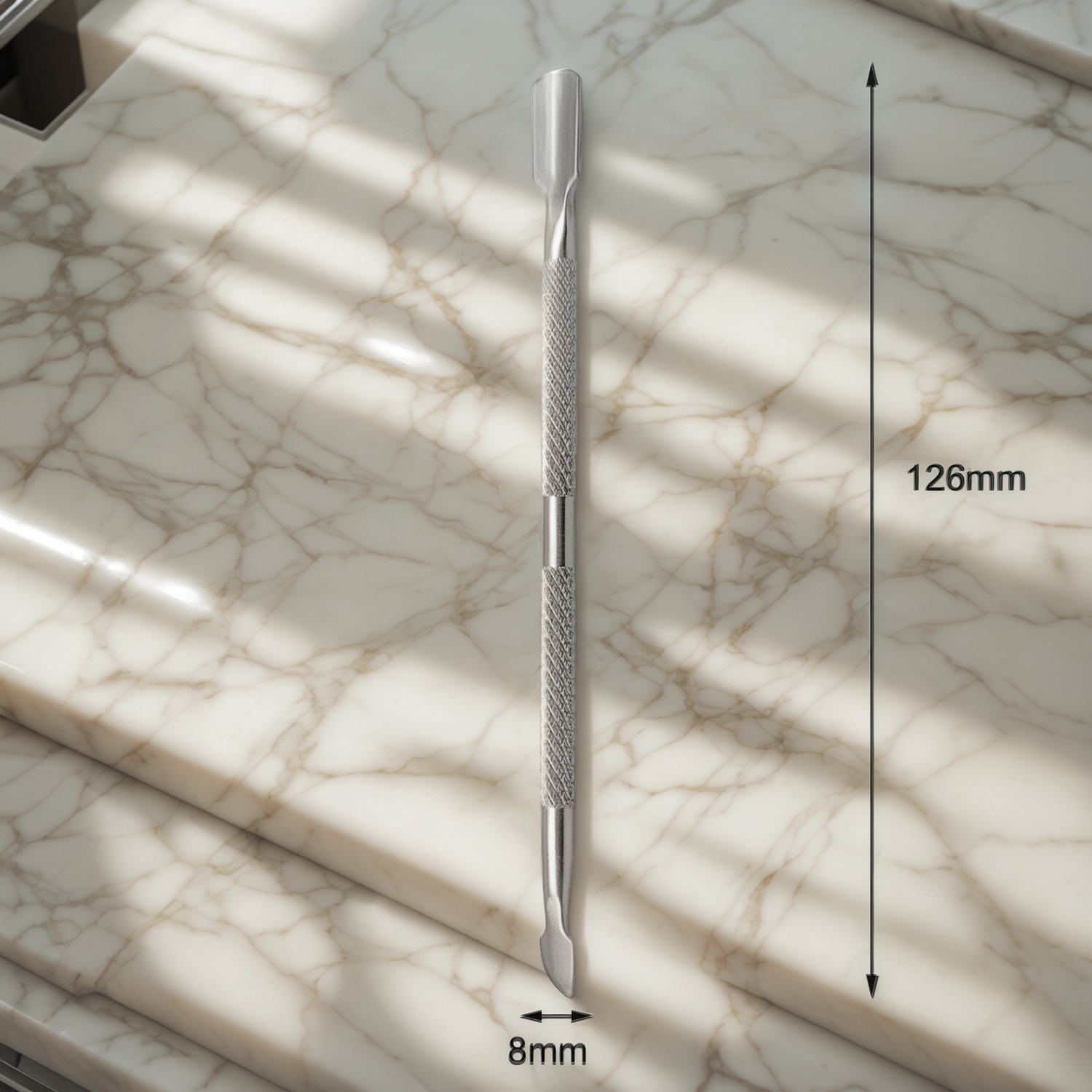
The Stainless Steel Dual-Ended Nail Tool from Olimor Beauty is a useful example of the kind of item salons often consider when they want one compact tool for detailed nail-care tasks. Because it is described as stainless steel and dual-ended, it fits buyer interest in durability and multi-use handling while keeping the purchasing decision straightforward.
Questions to Compare Pedicure Tool Suppliers
A dependable supplier should help you purchase with confidence, especially when you are buying tools for multiple technicians or locations. The strongest supplier relationship is based on clear product information, consistent communication and realistic ordering support. You do not need exaggerated claims; you need enough detail to decide whether the tools fit your business.
Use the following comparison table when reviewing pedicure tool suppliers or personal care tools wholesale options:
| Evaluation area | Why it matters | What to check |
|---|---|---|
| Product range | Helps consolidate purchasing and reduce supplier complexity | Pedicure, manicure and related grooming tools that match your service menu |
| Material information | Supports durability, care planning and staff training | Clear descriptions such as stainless steel where applicable |
| Tool consistency | Ensures each technician receives similar working quality | Uniform shape, finish, grip and packaging across order quantities |
| Wholesale support | Important for salons, distributors and retailers buying in volume | Ordering process, carton handling, replenishment options and communication speed |
| Image and sample clarity | Reduces uncertainty before purchase | Accurate photos, clear descriptions and practical product details |
| After-sales communication | Helps resolve order questions efficiently | Accessible contact channels and responsive service |
If you are building a new buying list or comparing several options, you can send an inquiry with your intended use, estimated order type and product questions. Clear communication at the beginning often prevents mismatched expectations later.
Bulk Beauty Products for Salons: Plan Inventory Carefully
Bulk purchasing can be a smart approach for salons, but only when it is connected to real usage. Ordering too little creates service interruptions. Ordering too much ties up cash and storage space, especially if the items are not used evenly across technicians. The best bulk beauty products for salons are tools that your staff uses frequently, that store well and that can be standardized across treatment rooms or workstations.
Start by dividing products into three groups. First, identify core tools required at every nail station. Second, list shared tools that can be assigned, cleaned and rotated according to your hygiene policy. Third, separate retail or backup items that do not need to be opened immediately. This simple structure helps you decide what should be ordered in higher quantity and what can be replenished more conservatively.
For a tool such as a dual-ended nail tool, consider whether each technician should have an individual set or whether it will be held in a prepared treatment kit. Individual assignment can simplify accountability and reduce confusion. Shared kits can be efficient for smaller studios if cleaning and storage procedures are well controlled. The right answer depends on your salon layout, service volume and staff workflow.
Why Personal Care Tools Wholesale Buyers Need Consistency
Wholesale buyers often serve more than one audience. A salon owner may buy for staff use, while a distributor or retailer may need tools that can be presented clearly to downstream customers. In both cases, consistency is critical. If each order varies noticeably in finish, feel or packaging condition, your team spends extra time sorting products and explaining differences.
When sourcing personal care tools wholesale, pay attention to repeatability. Product names, images and descriptions should be easy to understand. A buyer should know whether an item is a nail tool, a pedicure accessory or a broader grooming tool. This reduces confusion in internal inventory systems and makes it easier to train staff or prepare product pages.
Olimor Beauty offers beauty tools for buyers who want to compare practical grooming categories rather than chase vague trends. You can also browse product collections to evaluate how different items may fit together in a salon, retail or distribution assortment.
Care, Storage and Staff Training Matter After Purchase
Even a well-made tool can fail to perform if it is handled poorly. Salons should create a written procedure for cleaning, drying, storing and inspecting pedicure tools. This is especially important for stainless steel tools, which should be cared for properly to maintain their surface condition and professional appearance.
- Inspect tools before first use. Check for visible damage, uneven tips or rough edges before assigning tools to stations.
- Clean according to your salon protocol. Remove visible residue before any disinfection step required by your local rules or professional standards.
- Dry thoroughly before storage. Moisture left on tools can affect appearance and may shorten service life.
- Store tools separately where possible. Avoid tossing metal tools loosely into crowded drawers where tips and surfaces can be scratched.
- Review tools regularly. Remove any item that becomes damaged, difficult to clean or uncomfortable for technicians to use.
Training should be practical rather than complicated. Show technicians which end of a dual-ended nail tool is used for each task, how much pressure is appropriate and where the tool should be placed after use. Consistent habits protect clients, staff and your investment.
Making a Confident Supplier Decision
The right pedicure tool suppliers make salon purchasing easier by offering clear products, practical communication and tools that fit real professional use. For many buyers, the decision will come down to a combination of material, function, order support and consistency. A Stainless Steel Dual-Ended Nail Tool is a sensible product to evaluate when you want a compact grooming tool that supports detailed nail-care work without adding unnecessary complexity to the workstation.
When comparing options, avoid making the decision on price alone. A slightly cheaper item may become costly if it wears quickly, feels uncomfortable, arrives inconsistently or creates extra inspection work for your staff. Look instead for a balanced choice: tools that suit your service menu, are easy to maintain, and can be sourced in quantities that match your operation.
If you are preparing a salon order, wholesale assortment or distributor comparison, gather your expected quantities, target use cases and packaging needs before contacting a supplier. For product questions or purchasing support, you can contact Olimor and share the details that matter most to your business.
Tag: