

Premium Manicure and Pedicure Spa Tools: What Salons Should Look For
Professional manicure and pedicure services depend on more than polish colors, technique, or a relaxing treatment space. The tools used at the workstation shape the client’s comfort, the technician’s control, and the salon’s ability to maintain reliable hygiene standards. For nail salons, spas, hotel wellness centers, and beauty distributors, choosing premium spa tools is a practical business decision: better instruments can support cleaner work, more consistent results, and longer service life when they are maintained correctly.
Clients are increasingly aware of how tools are handled during nail treatments. They notice whether implements are clean, sharp, organized, and professionally presented. A manicure or pedicure can feel less premium if the technician struggles with dull edges, uncomfortable grips, or inconsistent instruments across service stations. This is why sourcing decisions matter. A salon may offer excellent training, but the wrong tools can slow down the service and increase the risk of uneven trimming, snagging, or technician fatigue.
This guide explains how to evaluate manicure and pedicure spa tools for professional use, with attention to materials, hygiene workflow, cutting precision, ergonomics, kit consistency, and wholesale sourcing. It is written for salon owners, purchasing managers, spa operators, and distributors comparing options from professional beauty tools suppliers such as Olimor Beauty.
Why Premium Spa Tools Matter in Manicure and Pedicure Services
The demand for premium spa tools is closely tied to client expectations. Modern customers often understand that hygiene and instrument quality are part of the service experience, not a hidden back-office detail. They may not know the technical differences between tool finishes or blade geometry, but they can recognize clean handling, smooth operation, and confident technique.
For salons and spas, premium tools can help in several ways. Durable instruments are less likely to require frequent replacement. Sharp, well-aligned cutting edges allow technicians to work with less pressure. Ergonomic handles can reduce hand strain during repeated services. Uniform tool sets across treatment rooms make training easier and help managers maintain a consistent service standard.
The goal is not simply to buy the most expensive option. A professional buyer should look for tools that match the salon’s service menu, cleaning process, staff skill level, and expected usage frequency. A busy pedicure area may prioritize robust implements that tolerate frequent cleaning and daily handling, while a boutique manicure studio may place extra emphasis on fine detail control and presentation.
Key Criteria for Choosing Professional Nail Tools
When comparing manicure and pedicure tools, focus on features that affect real salon work. The following criteria can be used for cuticle nippers, pushers, nail clippers, tweezers, scissors, foot care tools, and complete spa kits.
- Material suitability: High-grade stainless steel is widely valued in professional beauty tools because it offers durability and resistance to rust when maintained properly. Buyers should also consider whether the tool surface is easy to clean and compatible with the salon’s hygiene procedure.
- Precision and alignment: Cutting tools should close evenly, without gaps or grinding. Pushers and detail tools should have smooth, controlled edges that support accurate work without unnecessary scraping.
- Ergonomic handling: Handles should fit comfortably in the technician’s hand and allow stable control. This is especially important for staff performing multiple manicure pedicure services each day.
- Ease of cleaning: Tools should not have unnecessary crevices that trap residue. A cleanable shape supports a more efficient preparation workflow between clients.
- Service consistency: If a business has several technicians, choosing uniform instruments can make training, quality checks, and replacement planning easier.
- Packaging and organization: Wholesale manicure kits for spas should be easy to count, store, and distribute to workstations. Organized kits can reduce setup time and help managers monitor tool condition.
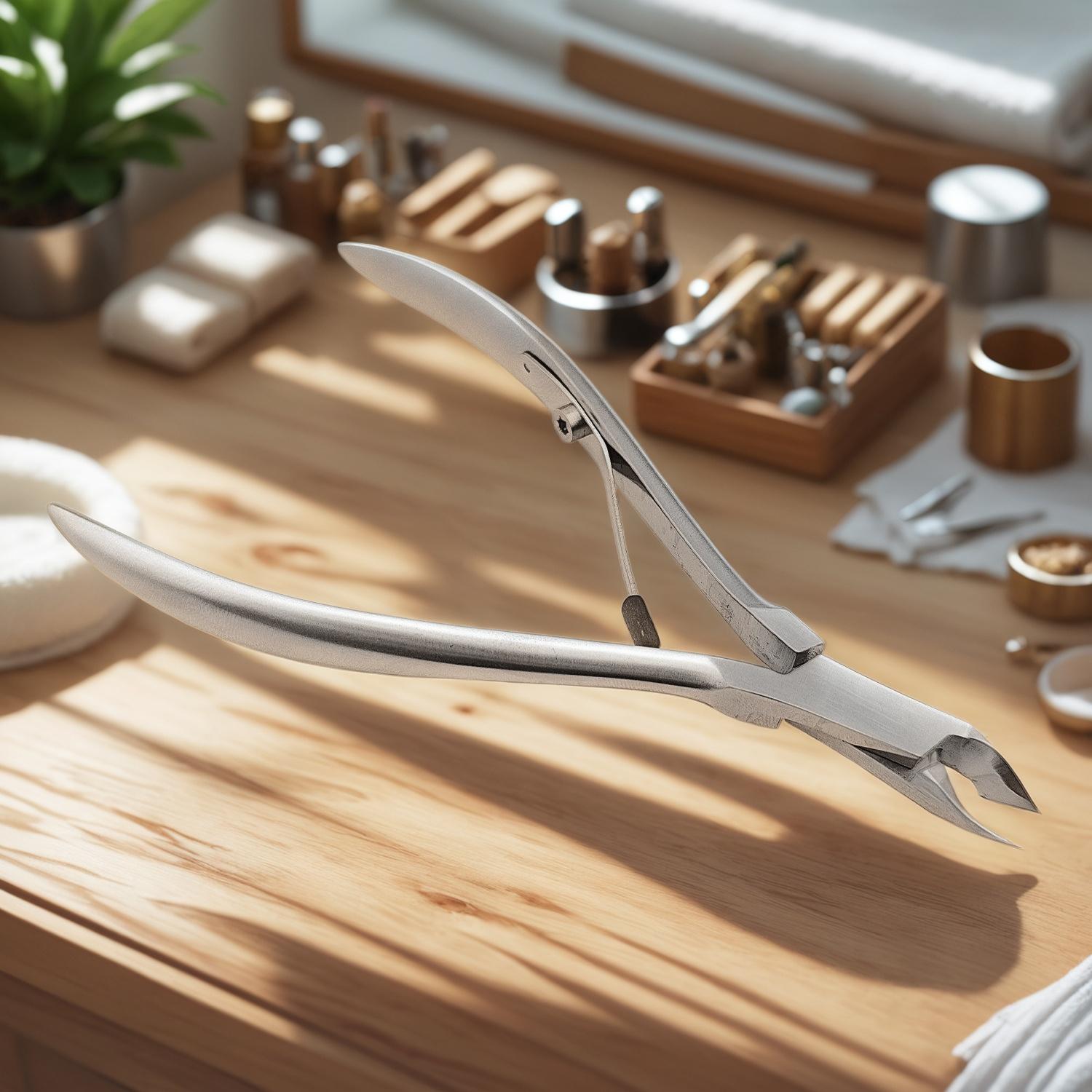
Olimor Beauty’s professional tool range includes products designed for salon use, including the Ultra-Precision Cuticle Nipper referenced for clean, precise cuticle work. For a broader view of available categories, buyers can review Olimor beauty tool products or explore current product collections.
Material, Finish, and Hygiene Considerations
Hygiene is one of the most important reasons salons invest in better manicure and pedicure instruments. A tool that looks attractive but is difficult to clean is not ideal for professional environments. The best choice is usually a practical balance of corrosion resistance, smooth surfaces, solid construction, and compatibility with the salon’s cleaning and sterilization procedures.
Stainless steel is commonly preferred because it can provide strength and rust resistance compared with many lower-quality materials. However, material alone is not enough. Buyers should also inspect finishing quality. Rough edges, poor joints, inconsistent polishing, or misaligned tips can affect both cleaning and service performance. Any cutting surface should feel controlled, not loose or overly stiff.
Salons should also create a clear tool lifecycle process. Even premium implements need regular inspection. Cutting tools can become dull, hinges may loosen, and surfaces may show signs of wear after repeated use. Managers should decide how tools are checked, how damaged items are removed from service, and how replacement stock is managed. This prevents individual technicians from continuing to use implements that no longer meet the salon’s standard.
Matching Tool Selection to Your Service Menu
Not every spa needs the same kit. A high-volume nail salon, a luxury hotel spa, and a distributor supplying multiple business types may each require a different purchasing plan. Before placing a wholesale order, map the tool list to the services offered and the number of workstations in use.
| Business need | Tool selection priority | Buyer consideration |
|---|---|---|
| Express manicure services | Fast setup, reliable cuticle tools, easy cleaning | Choose simple, repeatable kits that support quick turnover without sacrificing hygiene. |
| Premium spa pedicures | Durable pedicure implements and comfortable handling | Prioritize tools that feel secure in the hand and can withstand frequent professional use. |
| Multi-technician salons | Uniform tool sets across stations | Standardize kits to simplify training, quality control, and replacement planning. |
| Wholesale distribution | Consistent product quality and dependable assortment planning | Evaluate packaging, repeatability, and whether the assortment fits different salon buyers. |
This type of planning helps avoid two common problems: overbuying tools that are rarely used and underbuying essential items that create bottlenecks during busy appointment times. It also helps purchasing teams compare suppliers on practical value rather than relying only on appearance.
Ergonomics and Technician Comfort
Technician comfort is often overlooked during purchasing, yet it directly affects service quality. Nail professionals use repetitive movements throughout the day. If a nipper requires excessive pressure, if a pusher slips easily, or if a handle shape forces awkward hand positions, the technician may tire more quickly and lose precision.
Ergonomic design should be evaluated in the context of real use. A tool should open and close smoothly. The grip should allow controlled pressure without pinching. The weight should feel stable rather than flimsy, but not so heavy that it causes strain. For cuticle work, precise blade alignment is especially important because a clean cut requires less force and reduces unnecessary pulling on the skin.
Salon owners can involve experienced technicians in tool evaluation before committing to a full wholesale purchase. Their feedback can reveal details that are not obvious from photos or basic product descriptions, such as spring tension, grip comfort, and how easily the tool can be maneuvered around smaller nail beds.
Wholesale Sourcing: What to Confirm Before You Buy
Working with spa product wholesalers, salon wholesale distributors, or direct manufacturers can help businesses obtain consistent tools in the quantities needed for professional operations. The right sourcing partner should support reliable product selection, stable quality, and clear communication about available options.
Before purchasing wholesale manicure kits or individual manicure pedicure instruments, create a comparison checklist. This is especially useful for distributors and salon groups managing multiple locations.
- Define the tool list: Identify exactly which implements are needed for each service type and workstation.
- Check construction quality: Review edge alignment, hinge movement, grip design, surface finishing, and packaging condition.
- Confirm material expectations: Make sure the tools suit professional cleaning routines and expected frequency of use.
- Evaluate consistency: If ordering sets, ensure the kit components are uniform so technicians receive the same working tools.
- Plan replacement stock: Decide how many backup tools are needed to keep services running during cleaning cycles or when worn tools are removed.
- Review branding or packaging needs: Distributors and spa groups may need packaging that is practical for storage, retail display, or internal allocation.
For product selection support, buyers can contact Olimor. If you already have a project brief, service menu, or assortment plan, you can also send an inquiry with the details needed for follow-up.
Maintenance Practices That Protect Your Investment
Premium tools last longer when they are handled properly. Salons should train staff to treat instruments as professional equipment rather than disposable accessories. Tools should be cleaned according to the business’s hygiene protocol, dried thoroughly when appropriate, stored in a way that prevents edge damage, and inspected regularly.
Cutting implements deserve special attention. Dropping a nipper or clipper can damage alignment even if the defect is not immediately visible. Tools should not be tossed into drawers with other metal items, because edges can chip or become dull. A simple storage system, such as separated compartments or station-specific kits, helps protect the working surfaces and makes daily counts easier.
Maintenance also includes knowing when to retire a tool. If an implement pulls instead of cuts, feels loose, shows corrosion, or no longer cleans easily, it should be removed from client service. Replacing worn tools is part of maintaining a professional standard.
Building a Better Manicure Pedicure Tool Program
A strong tool program combines careful product selection with consistent salon procedures. Start with the services you perform most often, then choose instruments that support precision, hygiene, and technician comfort. Standardize where possible, maintain backup stock, and inspect tools on a schedule. These steps help a salon deliver a more dependable manicure and pedicure experience without relying on guesswork.
For spas, salons, and distributors, premium manicure pedicure tools are not just accessories. They are part of the service foundation. By focusing on material quality, precision, ergonomics, cleanability, and wholesale consistency, buyers can make more confident sourcing decisions and support better daily work at every treatment station.
Tag: