

How Salons Can Choose Professional Manicure and Pedicure Tools
Professional manicure and pedicure services depend on more than technique. The shape, finish, balance and reliability of every tool affect how confidently a technician works and how comfortable the client feels during the service. For salons, spas, nail bars and beauty distributors, choosing manicure and pedicure tools is also a business decision: the right tools support hygiene routines, reduce service interruptions and help maintain consistent results across multiple technicians.
Client expectations have changed. A clean station, sharp-looking instruments and careful handling are now part of the service experience. Customers may not know the technical differences between a cuticle nipper, pusher or nail file, but they notice when tools feel rough, unstable or poorly maintained. This is why many businesses are moving from occasional tool purchases to more structured sourcing through professional beauty tools suppliers and spa product wholesalers.
This guide explains what to evaluate when buying professional manicure and pedicure tools, especially for salons that need repeatable quality rather than one-off retail accessories.
Why Tool Quality Matters in Professional Nail Services
A manicure or pedicure tool is used close to sensitive skin and nail edges. If a tool is dull, misaligned or uncomfortable to hold, the technician must apply more pressure or repeat the same action several times. That can slow the appointment, reduce precision and increase the chance of discomfort. In a busy salon, small tool problems quickly become operational problems.
Professional-grade instruments are commonly selected for three reasons: hygiene management, control and durability. Tools with clean edges, smooth finishes and simple shapes are easier to clean according to the salon’s sanitation process. Tools with stable tension and comfortable grip allow technicians to work more accurately. Durable tools help businesses maintain a consistent service standard without constantly replacing essential items.
The original demand for complete wholesale manicure kits for spas comes from this need for consistency. When every station uses tools of similar quality, the client experience becomes less dependent on which technician is assigned that day. Standardized sourcing also makes it easier to train staff, stock replacements and inspect tools before use.
Core Manicure and Pedicure Tools to Evaluate
Every salon has its own service menu, but most professional nail service setups include a few essential tools. Instead of buying only by appearance or price, evaluate how each item will perform during repeated daily use.
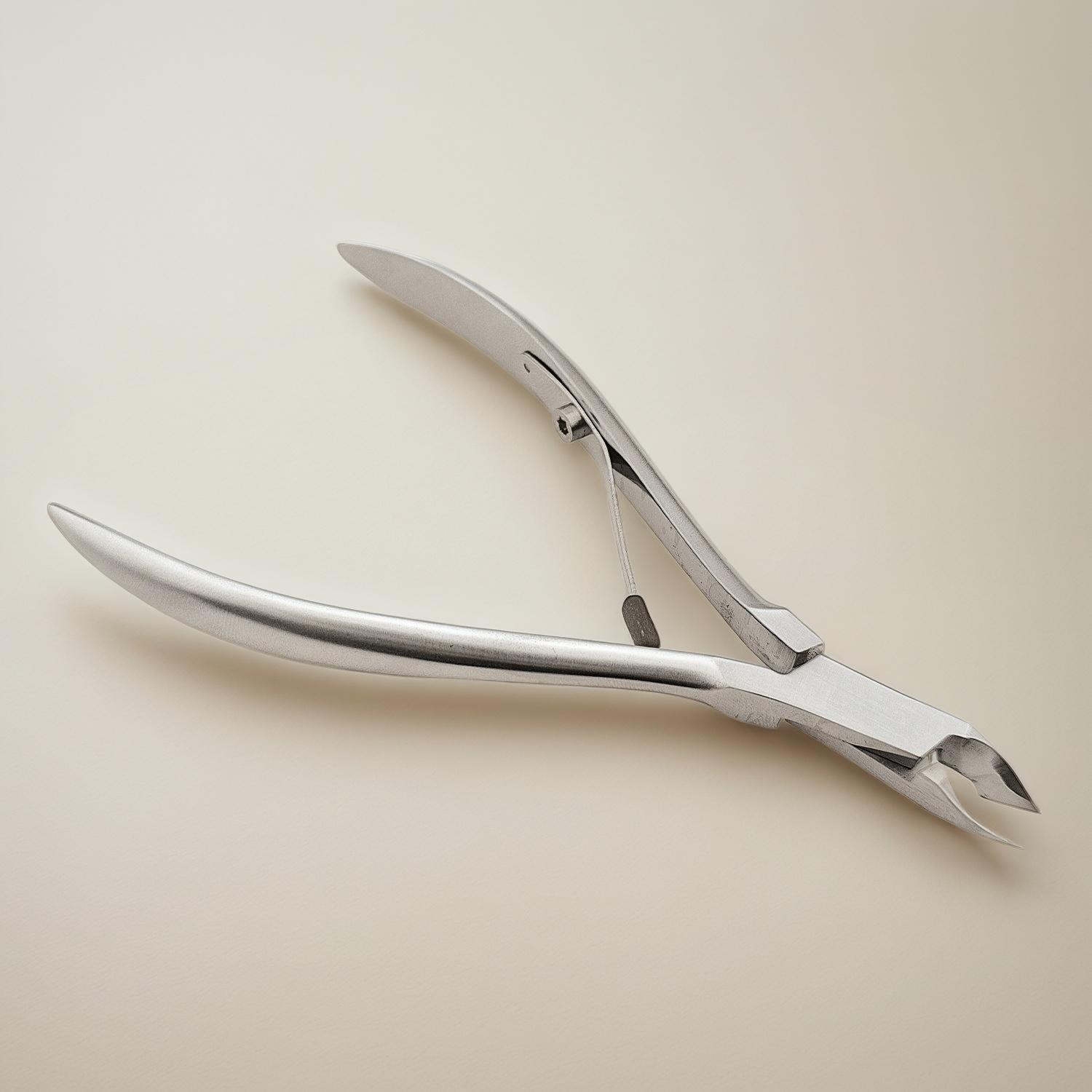
- Cuticle nippers: Look for aligned jaws, smooth spring action, comfortable handles and a clean cutting edge. A nipper should feel controlled, not loose or stiff.
- Cuticle pushers: The working edge should be smooth and shaped for controlled contact with the nail plate. Avoid edges that feel rough or overly sharp for general service use.
- Nail clippers: Check that the blades meet evenly and cut without crushing the nail. A strong lever and stable pivot help with thicker toenails during pedicure services.
- Nail files and buffers: Choose appropriate grits for natural nails, shaping, smoothing and finishing. Salons should separate single-use and reusable items according to their hygiene policy.
- Foot care tools: Pedicure tools should be selected carefully because they are used on thicker skin and require clear hygiene protocols.
- Tweezers and small accessories: These may seem minor, but poor alignment can make detailed work slower and less precise.
Olimor Beauty focuses on technical precision and quality assurance in beauty tool production. For example, the Precision Cuticle Nipper mentioned in Olimor materials reflects the kind of tool where ergonomic design, comfort and control matter to professional users.
Selection Criteria for Salon Wholesale Distributors
Choosing salon wholesale distributors is not only about finding a catalog. A distributor or manufacturer should help a business source tools that are suitable for repeated professional service. When comparing suppliers, use a checklist that covers product quality, communication and long-term ordering needs.
| Buying factor | What to check | Why it matters |
|---|---|---|
| Tool finish | Smooth surfaces, clean edges and no obvious burrs | Supports comfort, handling and cleaning routines |
| Alignment | Nipper jaws, clipper blades and tweezers meet evenly | Improves precision and reduces repeated cutting motions |
| Ergonomics | Comfortable grip, stable tension and balanced weight | Helps technicians work through multiple appointments |
| Product consistency | Samples match later batch expectations | Important for multi-station salons and distributors |
| Packaging suitability | Protective packaging appropriate for storage and shipping | Reduces damage before tools reach the salon or customer |
| Supplier support | Clear answers on materials, inspection and ordering process | Helps buyers make practical sourcing decisions |
When reviewing beauty tool products, consider ordering samples for hands-on comparison. A tool that looks acceptable in a photo may feel too heavy, too narrow or too stiff for daily salon work. Sample testing also allows your team to compare grip comfort and cutting control before committing to larger purchasing decisions.
Hygiene, Maintenance and Daily Tool Management
Clients increasingly connect professional nail care with hygiene. Even the best tool can create problems if a salon does not manage cleaning, disinfection, storage and replacement carefully. Tool sourcing should therefore be connected to your daily sanitation workflow.
Reusable metal tools should be easy to clean and inspect. Complex shapes, rough joints or decorative areas may trap residue and make maintenance more difficult. Salons should follow local regulations and the instructions for their cleaning and disinfecting products. If a tool cannot be cleaned effectively or shows damage, rust, misalignment or a compromised cutting edge, it should be removed from service.
A simple daily routine can help maintain consistency:
- Inspect tools before the first appointment for alignment, edge condition and cleanliness.
- Separate used tools immediately after service so they do not mix with clean instruments.
- Clean and disinfect according to the salon’s approved process and local requirements.
- Dry and store tools properly to reduce moisture exposure and accidental damage.
- Record recurring tool issues so purchasing decisions are based on real service experience.
Maintenance also affects staff performance. A technician who trusts the tool can work more calmly and precisely. A technician who constantly compensates for dull or uncomfortable tools may take longer and produce less consistent results. For spa owners, tool maintenance is part of service quality control.
Building a Practical Wholesale Manicure Kit
For spas and salons, a kit should match the actual service menu. A basic manicure station may require fewer items than a full pedicure room, while a premium service area may need duplicated tools so sterilization cycles do not slow appointments. Buying complete wholesale manicure kits for spas can be efficient, but the kit should not include unnecessary items that clutter storage or create confusion for staff.
Before assembling a kit, map the client journey from consultation to finishing. List which tools are used at each step, which are reusable, which are disposable and which require backups. This prevents overbuying and helps ensure that each workstation has the right items available when needed.
For multi-location salons or distributors, consistency becomes even more important. If one location uses a different cuticle nipper or clipper than another, training materials and service procedures may not translate well. Standardizing around approved tools makes inventory control and replacement planning easier.
Questions to Resolve Before Placing a Larger Order
Professional buyers should avoid relying only on broad claims such as “high quality” or “salon grade.” Instead, clarify practical details that affect service and resale. The goal is not to collect marketing language, but to understand whether the tools match your business model.
- Which tools are intended for professional salon use rather than retail home use?
- What materials and finishes are used for the items you are considering?
- How are cutting edges, jaw alignment or tool tension inspected during production?
- Can the packaging protect tools during storage, shipment and handling?
- Are there options suitable for different service levels, such as basic manicure stations or pedicure-focused setups?
- How should the tools be stored to preserve condition before use?
- Can the supplier provide consistent products for repeat orders?
If you are comparing options or planning a professional order, you can send an inquiry with the types of manicure and pedicure tools you need, your intended use and any packaging requirements. For broader browsing, Olimor’s product collections can help buyers review related beauty tool categories.
How Better Tools Support Your Salon Brand
Premium spa tools wholesale should be viewed as part of the service system, not just a purchasing expense. Good tools help technicians deliver precise work, support hygiene routines and create a more professional impression at the manicure table or pedicure station. They also reduce the frustration caused by inconsistent instruments.
For clients, the result is a service that feels careful, clean and well managed. For the business, the value comes from repeatable quality, easier staff training and more dependable inventory planning. Whether you operate a single salon, manage a spa, or source products for resale, the best manicure and pedicure tool decisions are based on fit for use: comfortable handling, reliable construction, clear maintenance needs and a supplier relationship that supports ongoing quality.
Olimor Beauty works with professional beauty tool buyers who need practical sourcing support for salon and spa environments. To discuss tool selection for your business, contact Olimor and prepare a short list of the services, quantities and tool categories you want to evaluate.
Tag: