

B2B Nail Clipper Buying Guide for Distributors and Retailers
For distributors, retailers, salons and personal care brands, a nail clipper is not just a small accessory. It is a repeat-purchase grooming tool that customers judge immediately by feel, cutting performance and durability. A low-quality clipper can damage the retail experience through rough cutting edges, loose leverage, weak spring action or packaging that does not suit the sales channel. A well-selected B2B nail clipper, on the other hand, can support consistent product presentation, smoother customer feedback and better long-term value in bulk purchasing.
This guide explains how to evaluate a B2B nail clipper for wholesale buying, with practical criteria for distributors and retailers. It focuses on the purchasing questions that matter most: construction, cutting performance, dimensions, handling, bulk nail clipper price, packaging suitability and supplier communication. Olimor Beauty offers beauty tool products for business buyers who need dependable personal care tools, and this page highlights the considerations that can help you compare options with more confidence.
What Makes a B2B Nail Clipper Different from a Consumer Clip-on Purchase?
A consumer may buy one clipper based on price, appearance or convenience. A business buyer has a different responsibility: the product must perform consistently across a larger quantity, suit a defined market position and reduce quality complaints after sale. That is why a B2B nail clipper should be evaluated beyond its basic function.
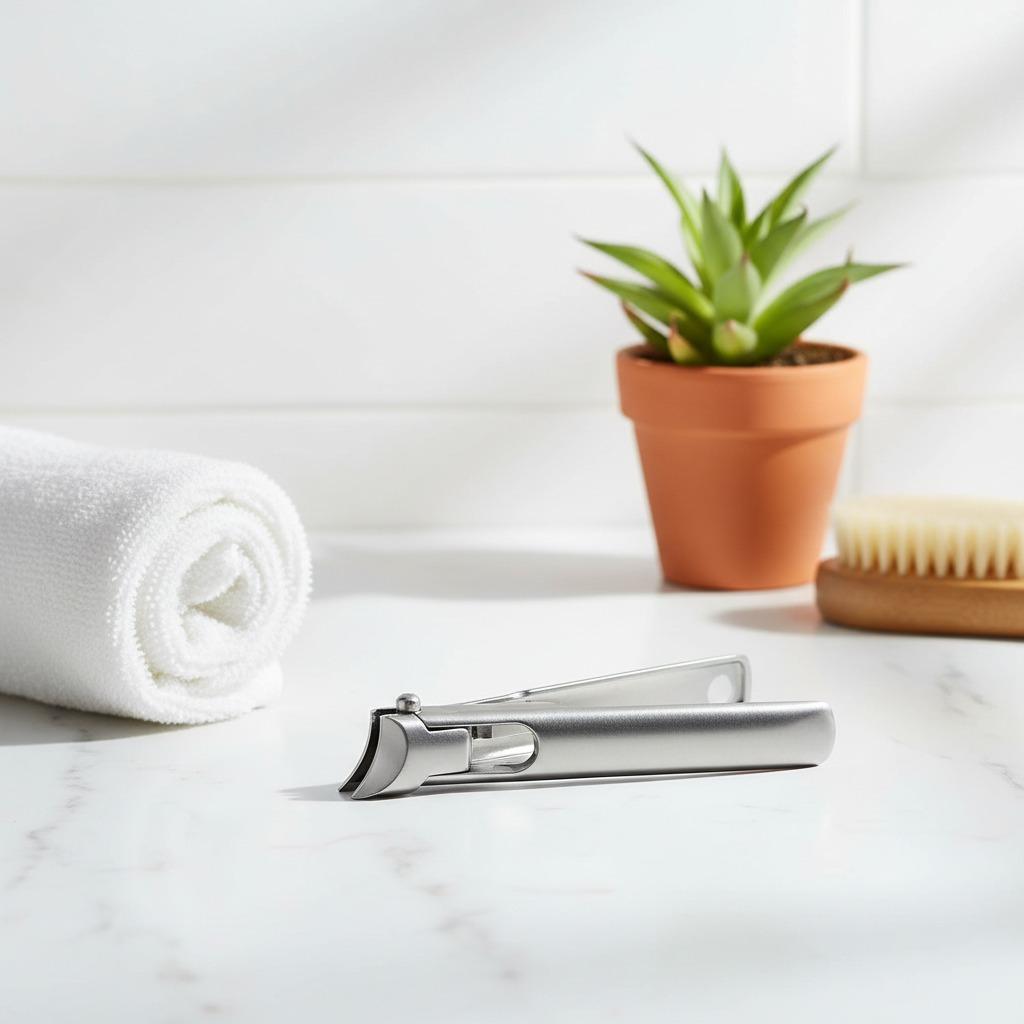
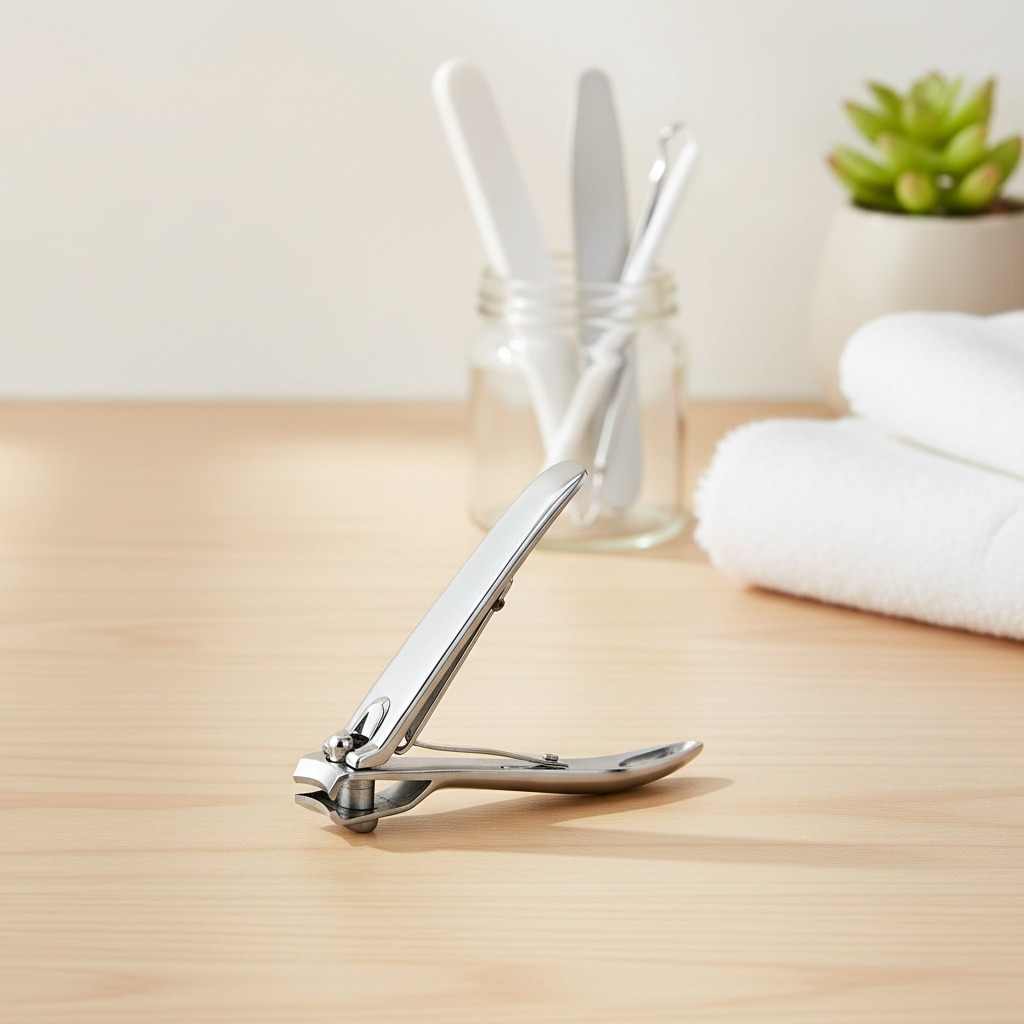
The Olimor Beauty B2B nail clipper described here uses stainless steel construction and precision-ground edges. These are important points because the most common customer complaint with poor nail clippers is not that they fail completely, but that they cut unevenly, leave splitting, require too much pressure or lose sharpness too quickly. For retailers, those small performance problems become return risk and brand dissatisfaction. For distributors, inconsistency can affect repeat orders from downstream buyers.
Compared with basic low-cost clippers, a B2B-ready option should also be practical for handling and display. The clipper referenced here has a compact size of 90mm height and 15mm width, with a lightweight 41-gram build. Those measurements make it suitable for many retail formats, travel grooming kits, salon resale counters and general personal care assortments. The matte-finish grip is also relevant because a nail clipper must feel secure in the hand; if the grip feels slippery or uncomfortable, end users notice quickly.
Bulk Nail Clipper Price: How to Compare Value, Not Just Unit Cost
Bulk nail clipper price is often the first question in wholesale purchasing, but it should not be the only one. A very low unit price can become expensive if the product causes returns, poor reviews, packaging waste, slow sell-through or inconsistent quality between batches. Business buyers should compare total value rather than focusing only on the initial quote.
When reviewing a bulk nail clipper price, consider the following cost drivers:
- Material and construction: Stainless steel construction is a practical point to verify because it affects strength, corrosion resistance and perceived quality.
- Cutting edge consistency: Precision-ground edges help create cleaner cuts and reduce the need for repeated pressure.
- Weight and dimensions: A 90mm by 15mm, 41-gram clipper can be easier to merchandise, pack and carry than heavier or bulkier designs.
- Finish and grip: A matte-finish grip can improve handling and contribute to a more controlled user experience.
- Inspection process: A supplier’s quality control approach should cover raw materials, assembly, cutting performance and packaging condition.
- Packaging format: Retail hanging cards, boxed sets, bulk bags or kit-ready packaging can change landed cost and sales suitability.
- After-sale risk: Poor cutting performance may increase returns, complaints or replacement requests.
A useful purchasing approach is to compare samples in real use rather than relying on photos alone. Test the clipper on different nail thicknesses, check whether the lever feels stable, and inspect the cutting edge alignment. If you are comparing several products from beauty tool products, create a simple scoring sheet so each sample is judged by the same criteria.
Selection Criteria for Distributors
Distributors need products that can serve multiple sales channels. A nail clipper for distributors may be sold to retailers, salons, promotional buyers, e-commerce sellers or regional wholesalers. Because each buyer may have a different display method and price expectation, the selected clipper should offer dependable baseline quality and flexible commercial potential.
For distribution use, pay close attention to consistency. One good sample does not guarantee that every carton will meet expectations. Distributors should evaluate whether the product has a stable finish, aligned cutting jaws, smooth lever movement and suitable packaging protection. Stainless steel construction and quality assurance from raw materials to packaging are useful advantages because they address both product durability and shipment readiness.
Inventory planning also matters. A compact nail clipper is easier to store and ship than larger grooming tools, but small products can still create problems if packaging is oversized or inconsistent. Before committing to a large order, review carton arrangement, barcode placement needs, display compatibility and whether the product will be sold individually or as part of a grooming set. If you are building a wider assortment, browse Olimor’s product collections to compare how nail clippers may fit with other personal care tools.
Selection Criteria for Retailers
A nail clipper for retailers must attract purchase interest quickly and then satisfy the customer after use. Retail buyers should think about where the item will sit: checkout counter, personal care aisle, travel section, salon reception area, e-commerce bundle or gift set. Each placement has a different expectation for presentation and price point.
The 90mm height, 15mm width and 41-gram build make this B2B nail clipper practical for compact displays and on-the-go grooming categories. The matte-finish grip can also help the item feel more refined in hand, which is useful when customers compare several low-cost personal care tools side by side.
Retailers should also assess the customer promise. If the packaging or online listing describes a strong, clean-cutting clipper, the actual performance must match. Avoid making claims that are not supported by product details. Instead, focus on clear selling points that shoppers understand: stainless steel construction, clean cutting action, compact size, easy handling and everyday grooming use.
Practical Quality Checks Before Placing a Bulk Order
Even when a nail clipper looks simple, small differences in manufacturing can change the user experience. Before moving from sample approval to a bulk order, business buyers can run a practical inspection routine. The goal is not to replace professional quality control, but to catch obvious issues that affect sellability.
- Check edge alignment: Close the clipper slowly and confirm the cutting edges meet evenly from side to side.
- Test cutting feel: The clipper should cut cleanly without requiring excessive pressure or twisting.
- Inspect lever stability: The lever should not feel loose, uneven or uncomfortable under repeated use.
- Review surface finish: Look for scratches, sharp burrs, stains or inconsistent matte texture.
- Measure size and weight: Confirm the received sample matches the expected 90mm height, 15mm width and 41-gram build.
- Check packaging fit: The product should not move excessively inside its packaging or arrive with preventable cosmetic damage.
- Simulate retail handling: Open, display, scan, hang or pack the item as your team would in real operations.
These checks are especially useful when purchasing for multiple retail locations or distribution customers. They create a common standard for approval and make communication clearer if adjustments are needed.
Packaging, Merchandising and Channel Fit
Packaging can influence both cost and sales performance. A nail clipper sold in a salon may need a different presentation than one sold through an online marketplace or general retail shelf. Business buyers should decide early whether the product needs hang-ready packaging, minimal protective packaging, kit insertion, private label presentation or multipack organization.
For physical retail, visibility and handling are important. Customers often want to see the size, finish and grip area before buying. For e-commerce, the packaging must protect the tool during fulfillment and help reduce complaints related to scratches or loose presentation. For distributors, packaging should be easy to count, ship and explain to downstream buyers.
When comparing packaging options, avoid choosing the most decorative option by default. Instead, match packaging to the sales environment. A simple, durable presentation may be more effective for everyday grooming tools than oversized packaging that increases freight cost or takes too much shelf space.
Maintenance Guidance That Supports Customer Satisfaction
Retailers and distributors can reduce after-sale issues by giving customers basic care guidance. Nail clippers last longer when they are kept clean and dry. After use, the customer should remove nail debris, wipe the tool and store it away from prolonged moisture. If the clipper is used in a salon or shared environment, cleaning procedures should follow the user’s local hygiene requirements and business protocols.
Simple maintenance language on packaging, inserts or product listings can improve the customer experience. Good instructions do not need to be complicated: keep the clipper dry, do not force the lever if the jaws are blocked, avoid cutting non-nail materials and store it safely away from children. These small details help position the product as a dependable grooming tool rather than a disposable accessory.
When to Contact Olimor Beauty About B2B Nail Clippers
If you are comparing wholesale nail clipper options, prepare your requirements before starting the conversation. Useful details include target sales channel, expected packaging style, approximate order planning, destination market, quality expectations and whether the clipper will be sold alone or included in a kit. Clear requirements help narrow the product discussion and reduce unnecessary back-and-forth.
Olimor Beauty supports business buyers looking for practical beauty tools and personal care accessories. To discuss the B2B nail clipper shown here or compare it with other grooming tools, you can contact Olimor. If your purchasing team already has specifications, packaging notes or sample requirements prepared, you can also send an inquiry for a more direct buying discussion.
A strong B2B nail clipper decision balances price, construction, handling, packaging and consistency. By checking these points before purchase, distributors and retailers can build a grooming tool assortment that is easier to sell, easier to support and more reliable for end users.
Tag: