

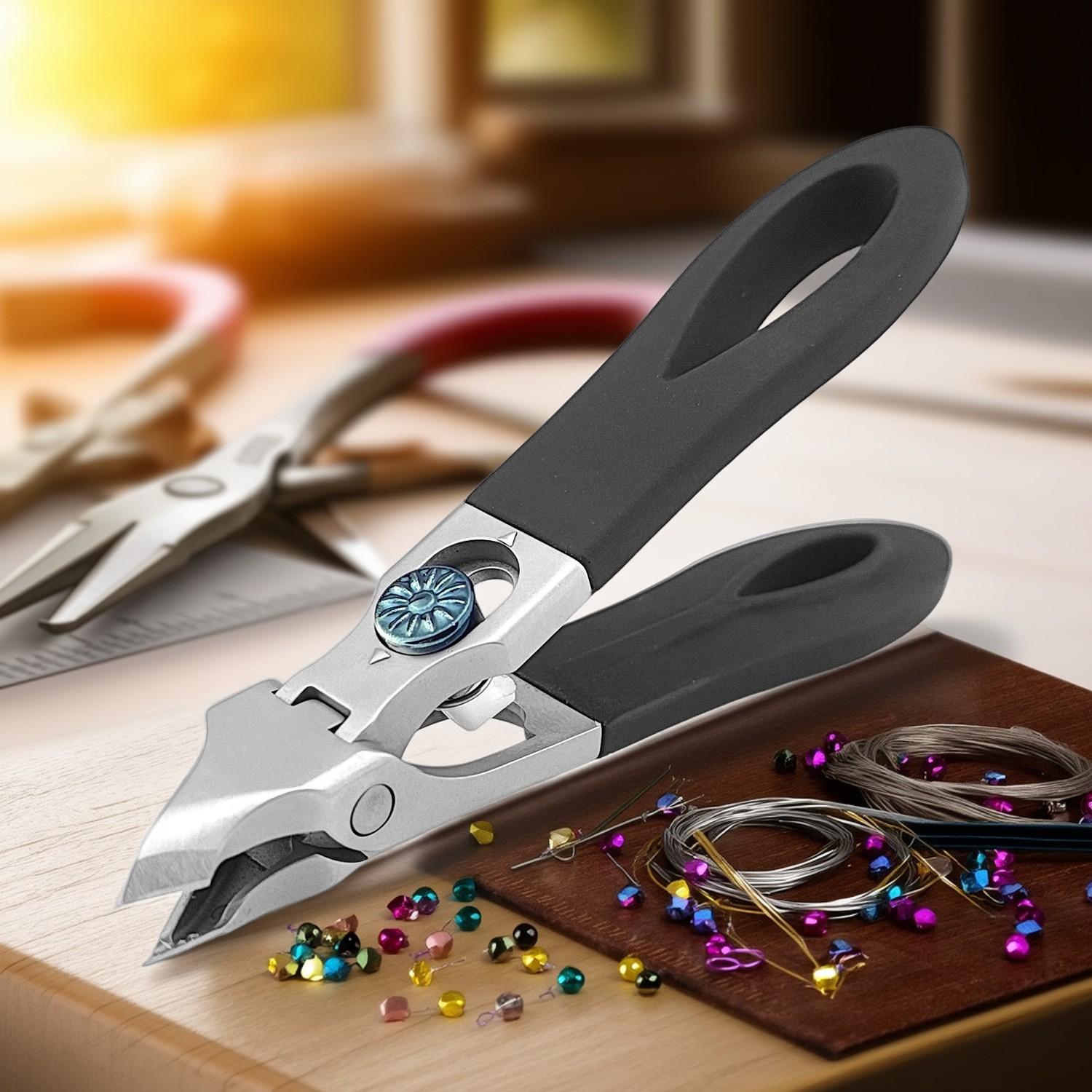
Professional Nail Clipper Guide for Precise, Controlled Nail Care
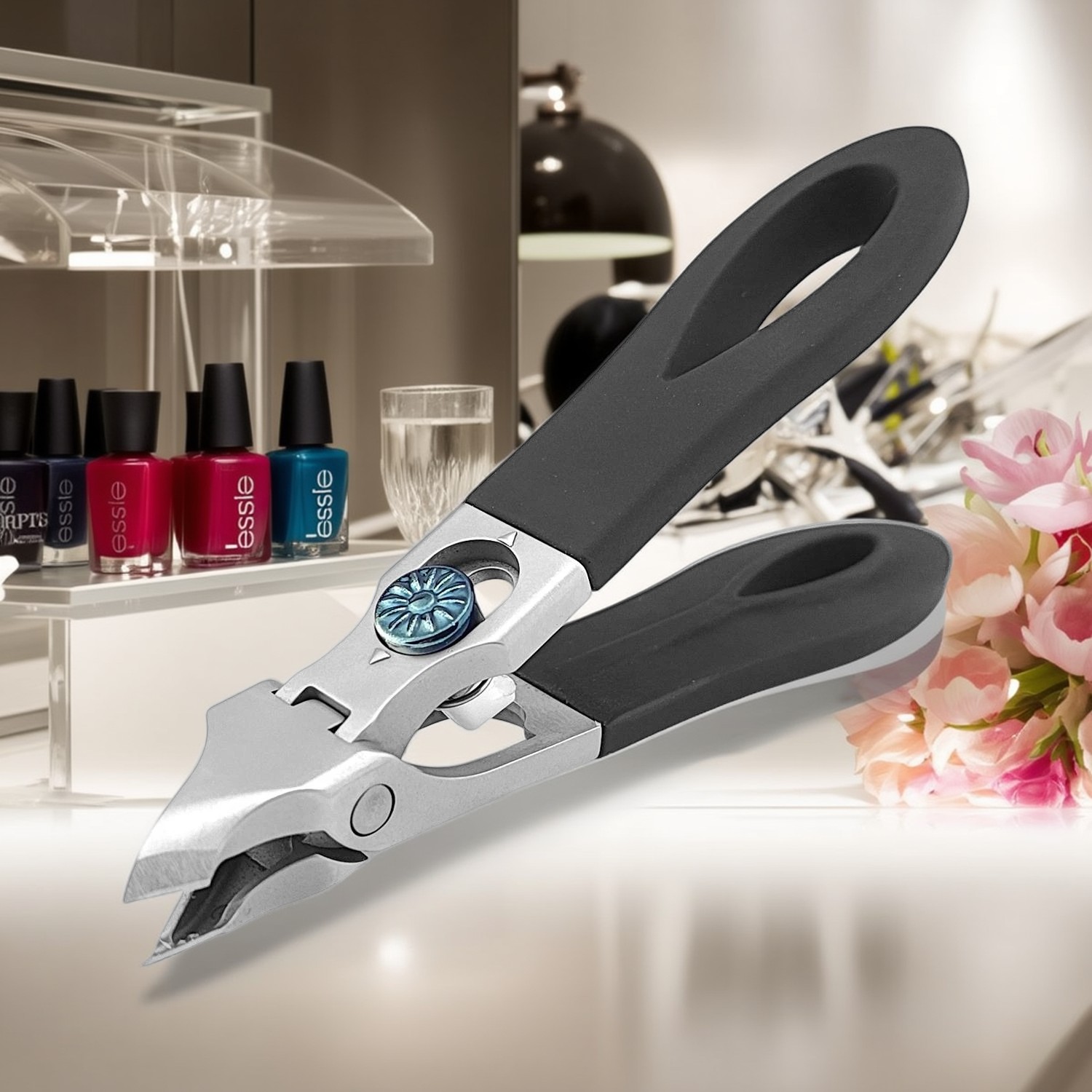
A reliable nail clipper looks simple, but the difference between a clean trim and a rough, split edge often comes down to blade alignment, grip control, cutting tension, and how well the tool is maintained. Olimor Beauty’s professional nail clipper is designed for users who want a neater cutting experience for salon work, personal grooming, travel kits, retail beauty assortments, or professional nail care sets.
This guide focuses on what matters when evaluating a professional nail clipper: how the blade should feel, why stainless steel matters, what an ergonomic handle contributes, and how to keep the tool working smoothly over time. It is written for beauty retailers, salon buyers, nail technicians, grooming kit brands, and individual users comparing quality nail care tools. If you are sourcing multiple beauty tools for a range, you can also explore Olimor’s wider beauty tool products or review related product collections.
What Makes a Nail Clipper Suitable for Professional Use?
A professional nail clipper should do more than cut. It should help the user cut with confidence, apply pressure evenly, and reduce the need to repeat cuts on the same nail edge. The original product details highlight several practical features: stainless steel construction, a matte black ergonomic handle, a non-slip grip, an innovative tension mechanism, and a decorative floral rivet. These features are important because nail clipping is a small movement that requires accuracy.
In a salon environment, the clipper may be used repeatedly during the day, so hand comfort and predictable blade action matter. For personal users, a better clipper can make at-home grooming easier, especially when shaping nails before filing or preparing for a manicure. A controlled clip also reduces the temptation to twist the tool or tear the nail, which can leave uneven edges.
When comparing nail clippers, look for a tool that closes cleanly without wobble, feels stable in the hand, and gives clear pressure feedback. The goal is not simply sharpness; it is sharpness combined with control. A very sharp tool with poor grip can still produce uneven cuts, while a comfortable handle with dull or misaligned blades will not deliver a clean result.
Stainless Steel Blades and Why Cutting Quality Matters
The Olimor Beauty nail clipper is made with stainless steel, a common choice for beauty tools because it supports a smooth cutting edge and is suitable for routine cleaning. For buyers, stainless steel is often preferred over lower-quality metals because it helps the clipper feel more durable and practical for repeated grooming use.
Good cutting quality can be noticed in several ways. The blade should meet evenly from one side to the other. It should cut the nail rather than crush it. The lever should not require excessive force for ordinary fingernail trimming. After a cut, the nail edge should be ready for light filing rather than needing major correction. These small details affect the user’s perception of the entire grooming experience.
For professional nail technicians, a predictable clipper also helps with workflow. Many nail services begin with reducing length before shaping with a file. If the clipper leaves jagged edges, more filing time is needed. If it cuts too aggressively, it may remove more nail than intended. The best professional nail clipper is therefore one that gives steady, repeatable control.
Ergonomic Matte Black Handle for Safer Control
The product description notes an ergonomic handle with a smooth matte black finish and a comfortable, non-slip grip. This is not only a design detail; it affects how accurately the user can position the clipper. Nails are curved, and the angle of the cut often changes from the center of the nail to the sides. A secure grip helps the hand stay steady during these small adjustments.
A non-slip handle is especially useful when hands have been recently washed or when the clipper is used in a professional setting where cleaning between clients is part of the workflow. The matte finish also gives the tool a refined appearance without relying on overly decorative styling. For beauty kits and retail displays, appearance matters, but it should never replace function.
When evaluating the handle, consider these practical questions:
- Does the lever feel stable when pressed, without side-to-side movement?
- Can the user hold the clipper comfortably with dry or slightly damp hands?
- Is the pressure required reasonable for different hand strengths?
- Does the tool allow small, controlled cuts along the nail edge?
- Is the finish suitable for the visual standard of a salon, gift set, or grooming kit?
These questions are useful for individual buyers and for businesses building a nail care assortment. A clipper that feels good in the hand is more likely to be used correctly and consistently.
The Role of Tension in a Clean Nail Cut
The original description mentions an innovative tension mechanism intended to help the blades remain sharp and reliable. In nail clippers, tension affects how the lever transfers pressure to the cutting edge. If tension is too weak, the tool may feel soft and ineffective. If it is too stiff, the user may have to squeeze too hard, reducing control.
Balanced tension creates a confident cutting feel. The user presses the lever, the blade engages cleanly, and the nail is clipped without unnecessary crushing. This is especially important for people who prefer to make several smaller cuts rather than one large cut across the nail. Smaller cuts often provide better shaping control, particularly around rounded or oval nail shapes.
For professional sourcing, tension consistency is an important sample-check item. A buyer should not only inspect one clipper visually; the tool should be opened and closed several times to check smoothness. If ordering for retail or professional use, compare multiple samples for the same cutting feel. Consistency across a batch is part of the quality impression customers will notice immediately.
How to Use a Professional Nail Clipper for Better Results
Even a high-quality nail clipper works best with proper technique. Cutting nails too quickly, clipping too deep into the sides, or using the wrong angle can cause discomfort or leave a rough finish. A precise clipper should be used with patience and small adjustments.
- Clean and dry the nails first. Remove residue so the blade can meet the nail surface clearly.
- Trim in small sections. Instead of one large cut, make controlled clips across the nail edge.
- Follow the natural nail curve. Avoid cutting deeply into corners, especially on toenails.
- Leave a little length for filing. A file can refine the final shape more gently than over-clipping.
- Wipe the clipper after use. Remove nail dust and debris before storing.
This approach is useful for personal nail care and for professional manicure preparation. It supports cleaner shaping and reduces the chance of creating sharp corners that catch on fabric or hair.
Maintenance and Hygiene for Longer Tool Life
Beauty tools perform better when they are cared for consistently. Stainless steel is practical, but it still benefits from cleaning and dry storage. After each use, wipe the clipper to remove nail particles. If the tool has been used in a shared or professional setting, follow the hygiene procedure appropriate for your workplace and local requirements.
Moisture is one of the main reasons any metal grooming tool can lose its clean feel over time. Store the clipper in a dry place rather than leaving it near sinks, shower areas, or damp towels. Avoid dropping it, because impact can affect blade alignment. If the lever action begins to feel rough, inspect the joint area for trapped debris before assuming the tool is worn out.
For retail brands, salons, and distributors, maintenance instructions can improve customer satisfaction. Simple care guidance on packaging or a product insert helps users understand how to protect the cutting edge and handle finish. This is especially helpful when a clipper is sold as part of a manicure set or travel grooming kit.
Buyer Checklist for Retail, Salon, and Private Label Planning
If you are evaluating a nail clipper for a product line, the decision should include both user experience and sourcing practicality. Since specifications can vary by project, a structured checklist helps teams compare samples without relying only on appearance.
| Evaluation Area | What to Check | Why It Matters |
|---|---|---|
| Blade alignment | Blades meet evenly across the cutting edge | Supports clean, predictable trimming |
| Grip comfort | Handle feels secure and non-slip | Improves control during detailed cuts |
| Lever tension | Pressure feels smooth, not loose or overly stiff | Helps users cut without strain |
| Finish quality | Matte black surface appears consistent | Supports retail presentation and perceived quality |
| Decorative detail | Floral rivet is secure and neatly placed | Adds visual refinement without affecting use |
| Cleaning practicality | Tool can be wiped and stored easily | Important for hygiene and long-term care |
Businesses planning a larger assortment can compare this professional nail clipper with complementary grooming items across Olimor’s beauty tool products. For project discussions, assortment questions, or sourcing support, you can contact Olimor or send an inquiry with your target use case.
Choosing a Nail Clipper That Fits the User
The best nail clipper is not only the sharpest one on the shelf. It is the tool that fits the user’s hand, cuts cleanly with controlled pressure, and remains practical after repeated use. Olimor Beauty’s professional nail clipper brings together stainless steel construction, an ergonomic matte black handle, a non-slip grip, balanced cutting action, and a refined floral rivet detail. These features make it suitable for buyers who care about both performance and presentation.
For personal grooming, it offers a more controlled way to maintain neat nails at home. For salon users, it supports efficient manicure preparation. For retailers and beauty brands, it provides a focused product option in the nail care category without relying on unnecessary complexity. By paying attention to blade quality, tension, grip, maintenance, and sample evaluation, you can choose a professional nail clipper that delivers consistent value to the people who use it every week.
Tag: