

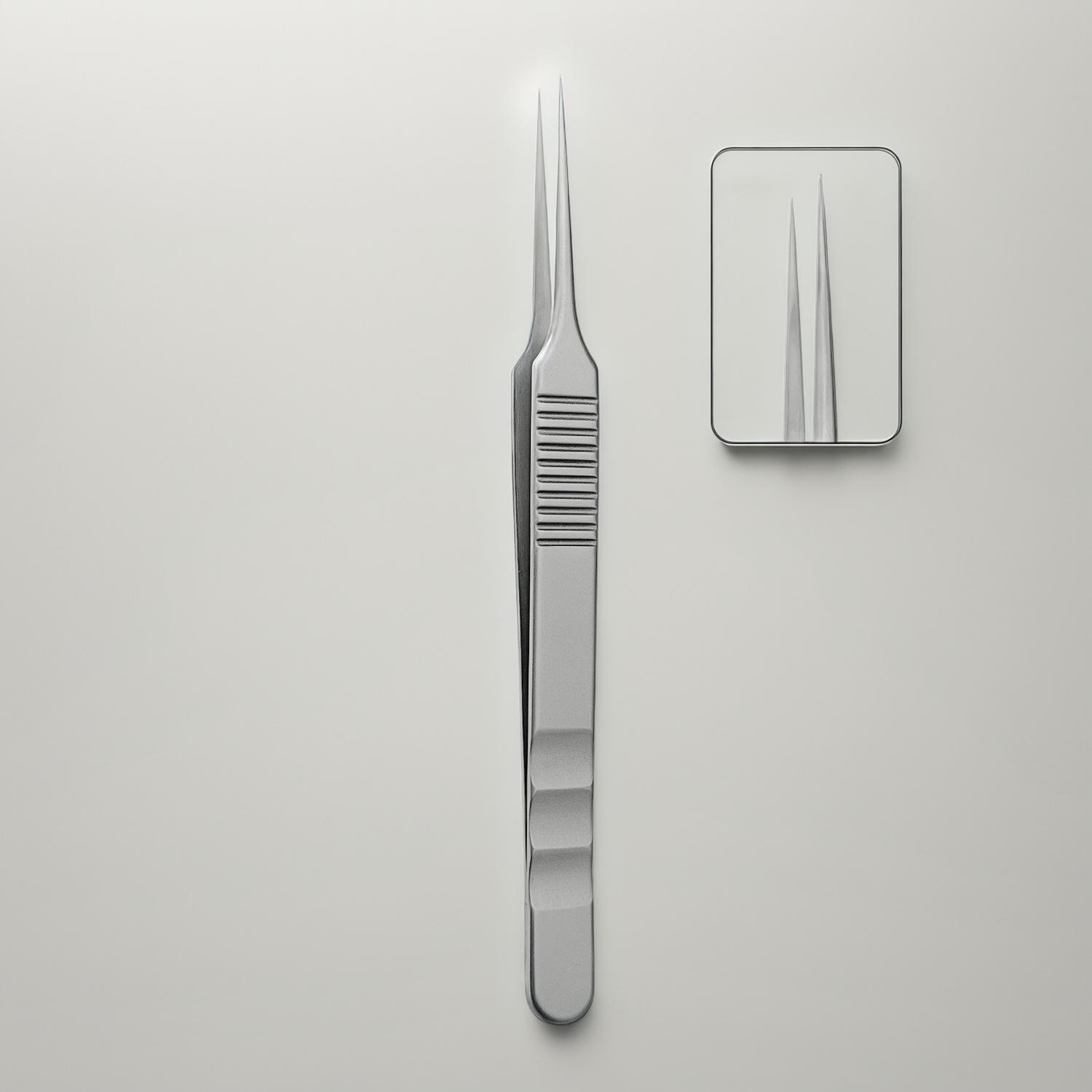
Personalized Tweezers for Salons, Retail Kits and Branded Beauty Sets
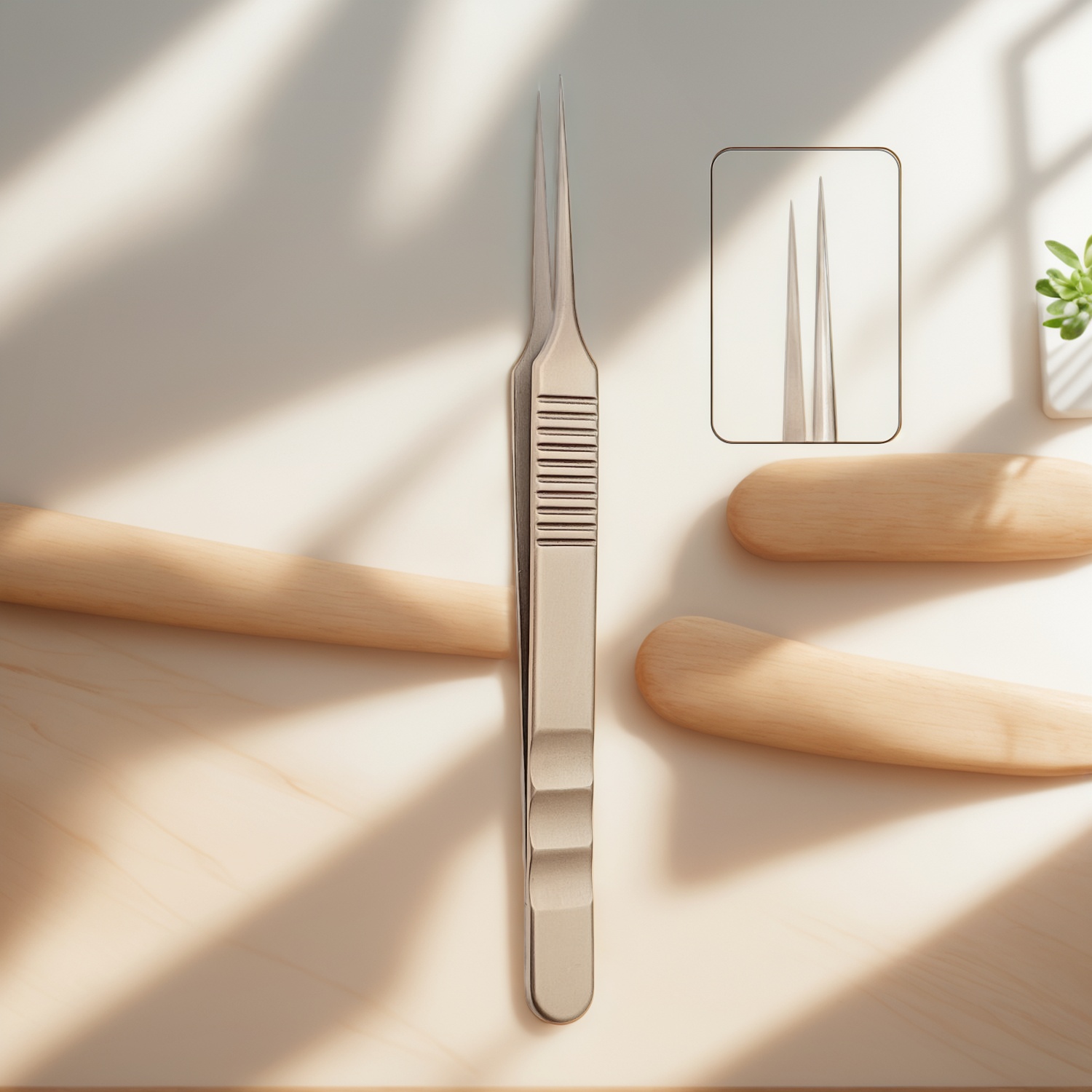
Personalized tweezers are small beauty tools, but they can strongly affect how a salon station, retail kit or branded grooming set is perceived. The buyer’s goal is not only to add a logo or color. A useful tweezer must grip fine hairs reliably, feel controlled in the hand, clean easily and fit the packaging or service environment where it will be used.
For salons, beauty retailers, training schools, private-label programs and promotional beauty sets, personalized tweezers solve two needs at once: they support practical grooming tasks and create a consistent branded presentation. The best projects start with the intended use, then move into tip shape, grip, finish, packaging and inspection. Customization should improve recognition without compromising performance.
Olimor Beauty supplies beauty tools for grooming and beauty applications, including products that can support coordinated kit development. Buyers comparing personalized tweezers with other beauty tool products should evaluate the tweezer as a working tool first and a branded item second.
What Personalized Tweezers Need to Do Well
A tweezer has a simple job: close accurately enough to grip small hairs or delicate items without unnecessary repeated attempts. In practice, several details determine whether the tool feels professional. Tip alignment, closing tension, surface feel, edge finish and body balance all influence the user’s control.
Personalized tweezers are commonly used for eyebrow shaping, stray hair removal, lash application support, craft detail work and compact grooming kits. A salon may value easy identification and repeated daily handling. A retailer may need a tool that looks attractive in a set while still performing well for a broad range of customers. A training school may prioritize consistency from one student kit to another.
Useful product-specific features to review include stainless steel construction, ergonomic design, easy-clean surfaces, precision-aligned tips, lightweight handling and a firm non-slip grip. These details are important because a personalized finish cannot compensate for a tweezer that slips, feels awkward or does not meet evenly at the tips.
Match the Tweezer Tip Shape to the Main Use
The first selection decision should be tip shape. Logo placement and packaging matter, but the tip style determines the core user experience. If the tweezer will be used mainly for brows, a different design may be appropriate than for detail craft work or lash-related support.
Slanted tips for general eyebrow grooming
Slanted tweezers are often the most versatile choice for salons and retail grooming kits. The angled edge can follow the brow line while still giving the user a broader contact area than a fine point. For bulk order tweezers intended for general consumer use, a slanted style is usually easier to position as an everyday grooming tool.
Pointed tips for detail work
Pointed tweezers can help with very fine detail tasks, but they require more careful handling. They may be better suited to trained users, controlled professional environments or specialized kits rather than general promotional gifts. If pointed tips are selected, packaging and care instructions should help protect the tip from damage.
Flat tips for wider grip contact
Flat tips can be useful where a wider gripping surface is preferred. They are less focused on isolated fine hairs but may suit certain grooming, craft or kit applications. Buyers should test whether the flat edge closes evenly and whether it matches the intended task.
Curved or specialty tips for specific concepts
Curved or specialty tweezers may support a particular beauty or craft function. They can help a retail set feel more specialized, but they should not be chosen only for novelty. The user should understand why the shape exists and how to use it safely and effectively.
How to Design Your Own Tweezers Without Reducing Usability
Designing your own tweezers can include surface color, finish, logo placement, engraving, printed text and coordinated packaging. These elements can make a tool feel more memorable, especially in branded beauty sets or salon kits. However, decoration should never interfere with the gripping area, tip closure, cleaning process or comfort in the hand.
Separate visual decisions from functional decisions during project planning. Visual decisions include logo size, color direction, surface finish and packaging style. Functional decisions include tip geometry, grip texture, body shape, closing tension, cleanability and protection during storage.
| Decision area | What to check | Commercial impact |
|---|---|---|
| Tip style | Confirm whether slanted, pointed, flat or specialty tips match the main use | Reduces returns or complaints caused by choosing a shape that does not fit the task |
| Tip alignment | Look for even contact when the tweezer closes, without obvious gaps | Supports reliable gripping and a more professional user experience |
| Grip and body feel | Check whether the tool feels secure, balanced and comfortable | Improves control in salon, training and consumer use |
| Logo placement | Keep branding visible but away from functional edges and high-friction zones | Protects both appearance and usability |
| Finish choice | Review cleanability, scratch visibility and match with the brand look | Affects perceived quality after handling, storage and display |
| Packaging fit | Confirm the tweezer is held securely and the tips are protected | Helps reduce movement, scratches or misalignment during transport and shelf handling |
For a branded set, restraint often works better than excessive decoration. A clear engraving or simple logo can look professional while leaving the user focused on the tool. If the tweezer will be coordinated with other items, review related beauty tool collections to plan a consistent look across the kit.
Bulk Order Tweezers: What Salons, Retailers and Schools Should Compare
Bulk order tweezers are useful when a business needs consistent tools across many users, locations or packaged sets. A salon may stock multiple workstations. A beauty school may prepare student kits. A retailer may assemble compact grooming sets. A promotional program may need a practical item that customers are likely to keep.
Bulk buying should not mean accepting an unchecked generic product. The larger the program, the more important repeatability becomes. A buyer should compare samples for consistent tip meeting, similar closing tension, even finish, clear personalization and suitable packaging fit. Small differences that seem minor in one sample can become significant when repeated across a whole retail or salon program.
Salon stocking priorities
Salons should prioritize comfortable control, easy cleaning and consistent feel. If several staff members use the tools, the same tweezer style across workstations can make training and service routines more consistent. Personalized markings may also help identify station tools, staff kits or service categories.
Retail kit priorities
Retail buyers should consider shelf presentation, perceived value and broad customer usability. The tweezer should fit securely in the kit, coordinate with other tools and include care guidance where appropriate. A retail tweezer that looks attractive but slips in use can weaken the entire kit experience.
Training kit priorities
Training schools benefit from repeatable tip geometry and a simple, dependable design. Students learn pressure, angle and control more easily when the tools behave consistently. Branding can help organize kits, but the teaching function should guide the specification.
Material, Grip, Cleaning and Everyday Maintenance
The supplied product details emphasize stainless steel construction, ergonomic design, easy-clean surfaces, precision-aligned tips and a firm non-slip grip. Stainless steel is commonly selected for beauty tools because it offers a clean appearance and can support durability in repeated handling. The exact material specification should always be confirmed with the supplier for the selected product and order.
Grip deserves special attention in personalized projects. A glossy or decorative finish may look appealing, but the tweezer still needs to remain secure when the user applies light pressure. Textured surfaces, shaped bodies or thoughtful ergonomic design can help reduce slipping during brow shaping or detail work. Lightweight construction may reduce hand fatigue during repeated use, while a stable body helps the tool feel controlled.
Maintenance instructions should be simple and practical. Tweezers should be cleaned after use, dried properly and stored so that the tips are protected. Dropping the tool may affect alignment even when the body looks unchanged. For retail kits, a brief care insert can reduce misuse and improve the buyer’s experience.
- Wipe the tips and body after use to remove residue.
- Dry the tweezer thoroughly before storing it.
- Protect the tips in a pouch, tray or fitted package.
- Avoid using eyebrow tweezers for hard pulling, prying or tasks that may bend the tips.
- Inspect tip alignment regularly in salon and training environments.
For professional or retail sale, also consider applicable product safety and labeling expectations in the market where the tweezers will be sold. In the United States, consumer product guidance from the U.S. Consumer Product Safety Commission may be relevant. For inspection planning, buyers sometimes reference sampling approaches such as ISO 2859-1. Always verify current versions, market requirements and supplier documents before placing an order.
Quality Inspection Checklist Before Approving a Custom Order
Personalized tweezers need two kinds of inspection: functional inspection and visual inspection. A tool with accurate branding can still fail if the tips do not grip. A tool that performs well can still create commercial problems if the engraving is off-center, the color differs from the approved sample or the packaging does not protect the tips.
Before moving from sample approval to a larger program, review the tweezer under realistic conditions. Handle it as a salon professional or consumer would. Open and close it repeatedly. Test the grip on fine hair or similar small fibers. Check whether the body remains comfortable and whether the finish is easy to wipe clean.
Practical pre-order checklist
- Use case: Confirm whether the tweezer is for salon use, retail kits, training kits, gifting or promotional distribution.
- Tip closure: Check that the tips meet evenly and grip without visible gaps.
- Tension: Make sure the opening and closing feel controlled, not too loose or uncomfortably stiff.
- Grip: Hold the tweezer with dry hands and during simulated use to assess slipping.
- Surface finish: Review color, polish, coating appearance or engraving clarity against the approved direction.
- Logo position: Confirm the mark is readable, centered as required and away from functional edges.
- Cleaning: Wipe the sample and check whether residue is easy to remove.
- Packaging: Confirm the tool does not shift excessively and that the tips are protected.
- Documentation: Ask the supplier for current product, material, artwork and order documents relevant to the project.
If the tweezers will be part of a larger private-label or retail beauty program, align the inspection checklist with the rest of the kit. Packaging dimensions, insert fit, barcode placement, care instructions and visual consistency can all affect the final product even when the tweezer itself is acceptable.
Cost Factors Without Guessing the Price
The cost of personalized tweezers depends on project choices rather than one universal price. Buyers should avoid comparing only the lowest quotation, because a small tool can still vary in function, finish, packaging and inspection needs. A better approach is to define the specification clearly, then compare suppliers on the same requirements.
Common cost factors include tweezer type, material requirements, finish complexity, logo method, packaging style, order quantity, inspection expectations and whether the tool is sold alone or as part of a set. Engraving, special color treatments or more protective packaging can change the project scope. Exact pricing, minimum order quantity and delivery schedule should be confirmed directly for the selected specification.
When reviewing quotations, ask what is included. Does the offer cover only the tool, or does it include personalized decoration, artwork handling, packaging, labeling or quality checks? Are samples available before full production? How are changes handled after sample approval? Clear answers reduce avoidable cost surprises.
How to Evaluate a Personalized Tweezer Supplier
A reliable supplier should help the buyer connect the intended use with a practical specification. For B2B purchasing, the right partner is not simply the one that can add a logo. The supplier should be able to discuss tip type, finish, packaging fit, sample review and order documentation in a way that supports commercial decision-making.
Ask about available tweezer styles, customization methods, sample process, packaging options and inspection approach. Request clear artwork requirements before confirming logo placement. If the product will be sold in a regulated market, ask for relevant supplier documents and verify current requirements independently. Avoid assuming that a general beauty tool automatically meets every retailer, market or import requirement.
Olimor Beauty can support sourcing discussions for custom beauty tool programs. If you are preparing personalized tweezers for a salon, retail kit or branded set, you can send a project inquiry with the intended use, customization idea, packaging needs and expected order direction.
Where Personalized Tweezers Create the Most Value
Personalized tweezers are most valuable when they support a broader brand or service experience. In a salon, they can help create a professional, organized station. In retail, they can raise the perceived quality of a compact grooming set. In a beauty school, they can standardize student kits. In promotional beauty programs, they offer a practical branded item that customers may keep and use.
They are less effective when personalization is treated as the only selling point. A buyer should still ask whether the tweezer grips well, feels secure, cleans easily and arrives protected. A reliable tool earns repeat use; the logo simply connects that reliable tool to the business behind it.
FAQ: Personalized Tweezer Orders
Can I request samples before placing a bulk order?
Sample availability depends on the selected tweezer style, customization method and project details. Ask the supplier what can be sampled, whether the sample shows final decoration and how sample approval affects the production order.
Is there a minimum order quantity for personalized tweezers?
MOQ varies by product style, finish, logo method and packaging requirement. Confirm the MOQ for the exact specification rather than assuming one quantity applies to every custom tweezer project.
What customization options should I discuss first?
Start with tip type, finish, logo placement and packaging. These decisions affect both usability and presentation. Artwork details should be reviewed after the functional tweezer choice is clear.
How should quality be checked before shipment?
Check tip alignment, grip, tension, finish consistency, logo accuracy and packaging fit. For larger B2B programs, agree on inspection expectations and documentation with the supplier before production.
How can I discuss lead time without relying on assumptions?
Share the intended order scope, customization needs, packaging requirements and approval steps. The supplier can then provide a schedule based on the actual project rather than a generic estimate.
Plan a Better Custom Tweezer Project
The best personalized tweezers begin with a clear use case. Decide who will use the tool, how often it will be handled and whether it must serve salon, retail, training or promotional goals. Then choose the tip shape, grip, finish, logo method and packaging around that use case.
For salons, prioritize control, cleaning and repeatable station use. For retail kits, focus on broad usability and presentation. For training programs, choose consistency and ease of learning. For branded beauty sets, keep decoration polished but functional. To discuss a custom tweezer program or coordinated beauty tool sourcing, contact Olimor Beauty with your project details.
Tag: