

Export Quality Tweezers: What Beauty Buyers Should Check Before Sourcing
Export quality tweezers may look simple, but small manufacturing details decide whether they feel precise, comfortable and durable in daily use. For beauty retailers, salon buyers, distributors and private label teams, the goal is not only to find an attractive tool. The goal is to choose tweezers that can grip fine hair cleanly, support controlled brow shaping, help with eyelash application and arrive with consistent quality from batch to batch.
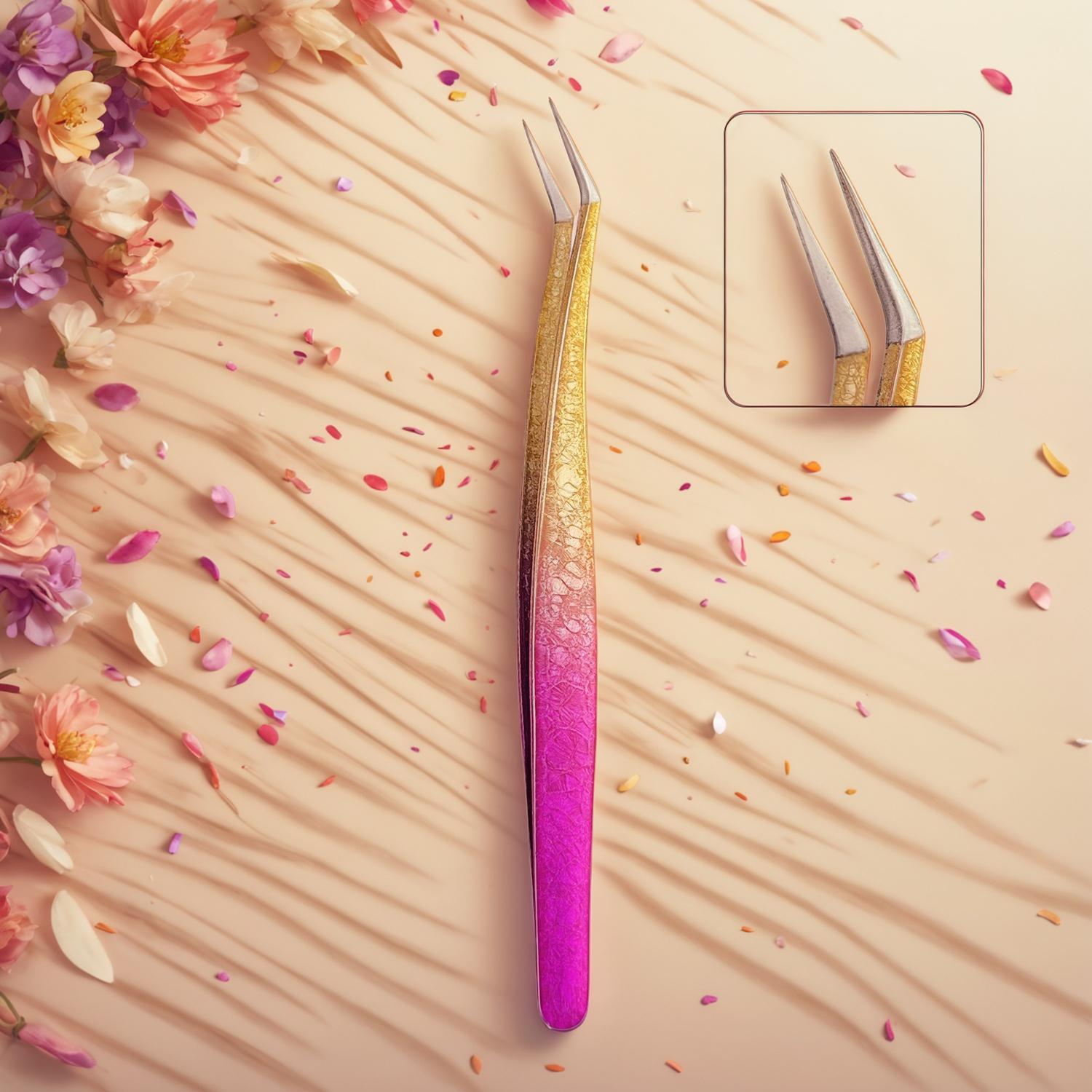
Olimor Beauty supplies beauty tools for buyers who need dependable grooming accessories, including precision tweezers for retail and professional environments. The Iridescent Gradient Precision Tweezers mentioned on this page show one important buyer consideration: a beauty tool can combine functional tip control with a visual finish that suits modern display sets, giftable kits and countertop retail. Still, appearance should never be the only selection factor. Tip alignment, steel quality, edge finishing, hand feel and inspection standards all matter.
This guide explains how to evaluate export quality tweezers before placing a sourcing order, especially when comparing factory-direct options or planning to import tweezers from China.
What “Export Quality” Should Mean for Tweezers
In practical buying terms, export quality should mean that the tweezer is suitable for consistent commercial distribution outside its production market. It should be manufactured with attention to function, finish, packaging readiness and repeatability. For tweezers, that starts with the meeting point of the tips. If the two sides do not close evenly, the tweezer may cut hair, slide off short growth or require too much pressure from the user.
A buyer should evaluate export quality through measurable and visible checks rather than vague claims. A strong tweezer should close smoothly, maintain spring tension, resist corrosion during normal beauty use and have no sharp burrs where the fingers rest. The finish should be clean and stable, whether the tool is plain stainless steel, coated, polished or decorated with a gradient effect.
For retail buyers, quality also includes the customer experience after purchase. A consumer who buys tweezers for brow maintenance expects the tips to grip both fine and coarse hairs. A salon user expects the tool to remain comfortable over repeated use. A distributor expects cartons and packaging to arrive in saleable condition. Export quality connects all of these points.
Key Features to Inspect in Precision Beauty Tweezers
When comparing tweezers, create a simple inspection routine. This helps avoid choosing only by color, price or product photos. The following checklist is useful for angled brow tweezers, pointed tweezers and general beauty tweezers:
- Tip alignment: The two tips should meet evenly without visible gaps. Misalignment is the most common cause of poor grip.
- Tip finish: The gripping edge should be clean and precise, not rough, jagged or overly thick.
- Spring tension: The tweezer should open and close with controlled resistance. Too stiff causes fatigue; too loose reduces control.
- Stainless steel body: Stainless steel is valued for beauty tools because it can resist corrosion and support a clean, durable finish.
- Surface treatment: Coated, polished or gradient finishes should appear even, without obvious peeling, pitting or discoloration.
- Grip comfort: The side profile should be easy to hold, especially for detailed brow shaping or lash placement.
- Edge safety: Areas touched by the hand should be smooth and free of burrs.
- Packaging compatibility: The tool should fit the intended pouch, card, box or set layout without movement that can damage the tips.
For the Iridescent Gradient Precision Tweezers, the visible gradient from gold to vibrant pink gives the product a strong shelf presence. That makes finish consistency especially important. A decorative tweezer should still be judged first as a precision tool: the beauty of the color is valuable only when the tips perform reliably.
Matching Tweezer Type to Beauty Use Cases
Different beauty tasks require different tip shapes and handling characteristics. If you are buying for a broad retail assortment, you may need more than one tweezer style. If you are building a focused brow kit, angled precision tweezers may be the priority.
| Use case | Helpful tweezer characteristics | Buyer focus |
|---|---|---|
| Brow shaping | Angled tips, even closure, comfortable tension | Clean grip on short and fine hairs |
| Fine hair removal | Precise tip contact and controlled pressure | No slipping or cutting hair before removal |
| Eyelash application | Stable hand feel and accurate tip control | Safe handling and predictable movement |
| Retail gift sets | Attractive finish, consistent color, neat packaging | Visual appeal plus dependable function |
| Salon backbar tools | Durable body, repeatable spring tension, easy cleaning | Comfort during frequent use |
Buyers should also consider who will use the product. A beauty enthusiast may prefer a decorative finish that looks good in a cosmetic pouch. A professional may prioritize grip response and durability over decoration. A retail brand may need both: a tool that photographs well and performs well enough to earn repeat purchases.
Why Factory-Direct Sourcing Can Matter
Working with a tweezers factory direct can help buyers discuss construction, finishing and packaging details closer to the point of production. This does not remove the need for clear specifications, but it can make the sourcing process more transparent. Instead of relying only on a catalog image, buyers can define the tip style, finish expectations, packaging format and inspection priorities.
For companies planning to import tweezers from China, factory communication should focus on the details that affect end-user satisfaction. A low unit cost is not useful if the tweezers fail to grip, arrive with inconsistent color or require sorting before sale. The best sourcing discussions are specific: what surface finish is required, what packaging protects the tips, how samples will be evaluated and what defects are unacceptable.
Olimor Beauty works in the beauty tool category, and buyers can review related beauty tool products to compare options across grooming, cosmetic and personal care accessories. If you are building a coordinated line, it can also help to browse product collections so tweezer finishes and packaging directions align with other tools in the range.
Finish, Color and Shelf Appeal Without Compromising Function
Decorative tweezers can perform well when the finish is planned around the tool’s function. A gradient finish, such as the gold-to-pink appearance of the Iridescent Gradient Precision Tweezers, can support retail display, influencer photography, gift sets and seasonal beauty assortments. However, the coating or surface treatment should not interfere with the gripping edge. The tip contact area must remain accurate and clean.
When reviewing decorative tweezers, inspect multiple samples rather than a single piece. Look for color variation between units, uneven transitions in the gradient, scratches, cloudy spots or coating buildup near the tips. Also check whether the finish changes the hand feel. A smooth finish can be pleasant, but it should not become slippery during use. Texture, side shape and tension all contribute to control.
Packaging is another part of finish protection. If the tweezer tips rub against hard packaging or other metal tools during transit, the gripping edges may be damaged before the product reaches the customer. For retail packaging, consider whether a sleeve, insert, cap or molded holder is needed to reduce movement.
Quality Control Questions Buyers Should Define Early
Before confirming a tweezer order, prepare a written checklist for sampling and pre-shipment review. This keeps the decision focused and reduces misunderstandings. A practical quality plan may include:
- Confirm the exact tweezer shape, such as angled, pointed or slant-tip.
- Review sample tip alignment under good lighting.
- Test grip on fine hair or a comparable material to check hold.
- Open and close the tweezer repeatedly to assess spring tension.
- Inspect the body for burrs, scratches, stains or uneven coating.
- Check whether the finish is consistent across several pieces.
- Place samples into the intended packaging to verify fit and tip protection.
- Define acceptable and unacceptable defects before bulk production.
This type of checklist is useful whether you are sourcing a simple stainless steel tweezer or a more visually distinctive gradient design. It also helps different teams make decisions together. Product development may focus on finish, sales may focus on market positioning, and quality teams may focus on consistency. A shared checklist connects those priorities.
Care and Maintenance Guidance for End Users
Clear care instructions can reduce complaints and help customers get better results from precision tweezers. Even high-quality tweezers need proper handling. Retailers and brands should consider adding simple guidance to packaging inserts, product pages or customer education materials.
Users should keep tweezer tips clean and dry after use. If the tool is used around cosmetics, oils or adhesive, residue should be removed carefully so the tips continue to meet correctly. Tweezers should not be dropped onto hard surfaces, because impact can misalign the tips. They should also be stored with tip protection when placed inside a makeup bag or professional kit.
For salons, sanitation practices should follow the salon’s local hygiene requirements and the instructions suitable for the tool’s finish. Decorative coatings and polished surfaces should be handled carefully to avoid unnecessary abrasion. Good maintenance supports both performance and appearance over time.
How to Start a Tweezer Sourcing Discussion with Olimor Beauty
If you are evaluating export quality tweezers for retail, salon distribution or a beauty tool assortment, begin with the end use. Decide whether the product is meant for brow shaping, lash support, gifting, professional service or a coordinated kit. Then define the visible style, target packaging and the quality points that cannot be compromised.
Useful information to prepare includes preferred tweezer shape, finish direction, packaging concept, order destination, inspection priorities and any branding requirements. If exact specifications are not finalized, a neutral sample review can help narrow the options. The purpose is to match product function, appearance and commercial use before production decisions are made.
To discuss available tweezer options or a beauty tool sourcing project, you can contact Olimor with your product requirements. For a purchasing request or project brief, you may also send an inquiry and include the intended market, application and packaging needs.
Well-made tweezers are small tools with a large effect on customer satisfaction. By focusing on tip precision, stainless steel construction, finish consistency, grip comfort and packaging protection, buyers can select export quality tweezers that look appealing on the shelf and perform reliably in everyday beauty use.
Tag: