

Custom Tweezers for Beauty Brands: Design, Grip and Tip Choices
Custom tweezers may look simple, but buyers know that small differences in tip alignment, spring tension, finish and packaging can change how a beauty tool feels in daily use. For brow grooming, lash preparation, facial hair removal and retail beauty kits, a tweezer is often one of the most handled tools in a customer’s routine. That makes it an important product for salons, beauty brands, wholesalers and gift-set developers who want reliable performance as well as a clear brand presentation.
Olimor Beauty works with buyers looking for custom tweezers and OEM custom tweezers that can be adapted to specific retail, salon or promotional needs. Instead of choosing only by color or appearance, a more practical sourcing process starts with the user, the task and the level of precision required. This guide explains the design decisions that matter before you confirm a custom tweezer project.
What Makes a Custom Tweezer Worth Developing?
A custom tweezer is not just a standard tool with a logo added. For a beauty brand, customization can include the shape of the tips, the feel of the grip, the finish, the visual identity and the way the item is presented in packaging. Each of these details affects how the product is perceived and whether it suits its intended sales channel.
For example, a retail brow kit may need a tweezer that looks refined on a shelf and feels approachable for home users. A professional salon tool may place more emphasis on consistent closing pressure and precise tip contact. A promotional beauty gift may require a finish and packaging style that communicates the brand clearly without making the tool difficult to use.
The strongest custom tweezer briefs usually answer three questions early: who will use the tool, what task should it perform best, and how should it represent the brand? Once those points are clear, visual design choices become easier to evaluate.
Tip Shape: The First Performance Decision
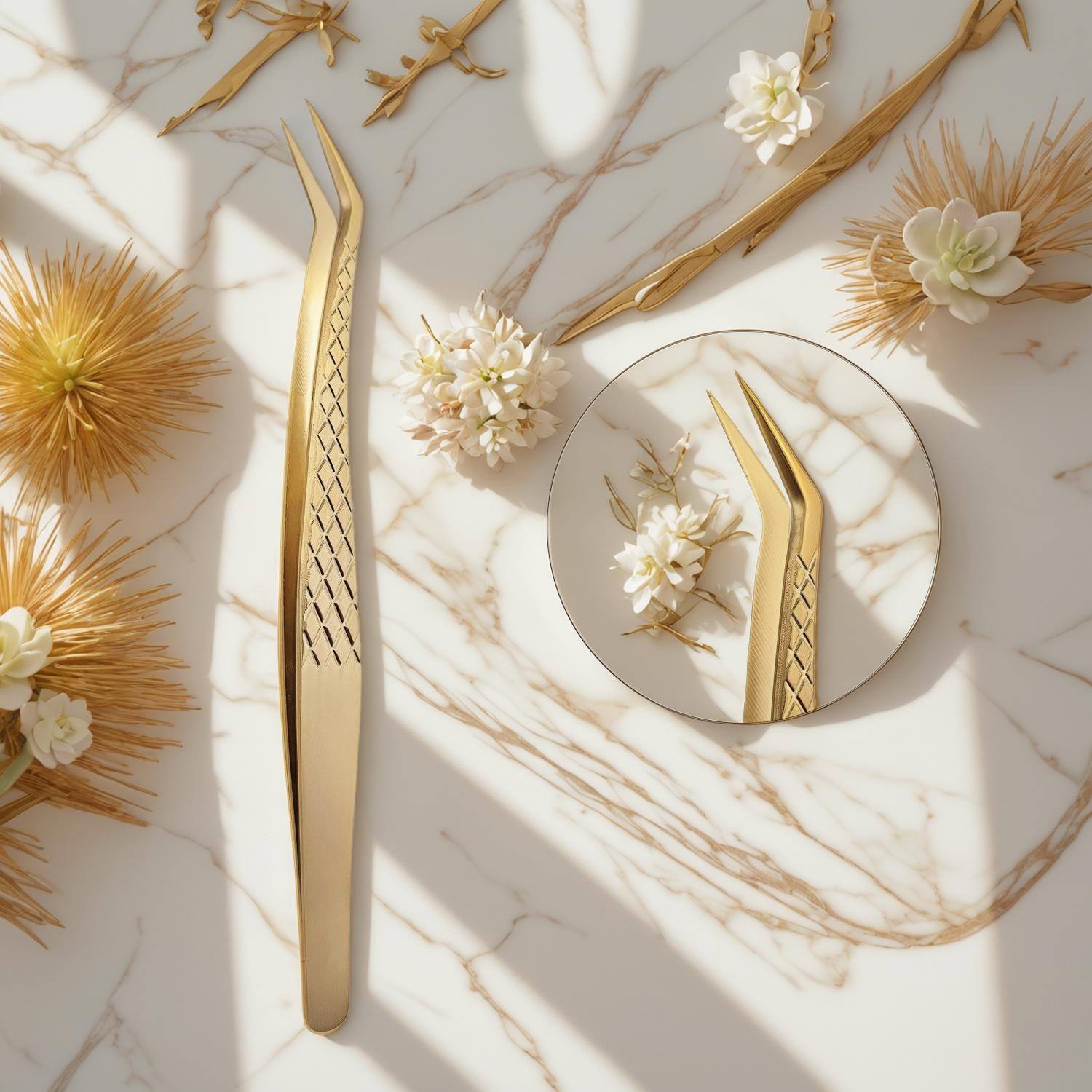
The tip is the working end of the tweezer, so it should be selected before finishes and decoration. The original Olimor Beauty concept highlights angled tips, a popular choice for brow shaping because they help target fine hairs while allowing the hand to work at a comfortable angle. Angled tips are especially useful for general grooming, retail beauty sets and eyebrow maintenance.
Different tip styles can support different use cases. Buyers planning to design your own tweezers should compare options by real handling needs rather than by appearance alone.
| Tip consideration | Best suited for | Buyer notes |
|---|---|---|
| Angled tips | Brow grooming and everyday facial hair removal | A versatile choice for consumer beauty kits and salon retail. |
| Fine point alignment | Precise hair selection or detail work | Requires careful inspection because tip contact is critical. |
| Flat or broader contact area | General gripping tasks | May feel easier for some users but less precise for fine hairs. |
| Tip protection | Retail packaging and shipping | Helps protect alignment before the customer opens the product. |
Whatever tip style is chosen, alignment should be a key checkpoint. When the two sides close, the tips should meet cleanly enough to grip fine hair without excessive hand pressure. Poor alignment can make even an attractive tweezer feel unreliable.
Grip, Tension and Ergonomics for Daily Use
The supplied product information mentions ergonomic designs and a textured grip, both of which are practical features for beauty tools. A tweezer that looks good but slips during use can frustrate customers quickly. Grip design should support control when fingers are dry, lightly moisturized or working under salon lighting.
Texture can be subtle or highly visible. Some brands prefer a refined textured area that does not interrupt a clean design, while others want a more obvious grip zone. The right choice depends on the sales channel and user profile. A professional buyer may prioritize handling stability, while a fashion-led retail product may need to balance grip with a polished appearance.
Spring tension also matters. If tension is too stiff, the tool may fatigue the hand during repeated use. If it is too soft, users may feel they lack control. For OEM custom tweezers, sample review should include repeated opening and closing, not just a visual inspection. A practical sample test can include holding the tweezer at different angles, gripping fine synthetic fibers or hair-like material, and checking whether the tool returns consistently after pressure is released.
Material and Finish: Stainless Steel, Plating and Brand Appearance
The original product description refers to stainless steel construction, a common and appropriate choice for many precision beauty tools because it supports durability and a clean, professional feel. When sourcing custom tweezers, buyers should confirm that the selected material, finish and cleaning expectations match the intended use.
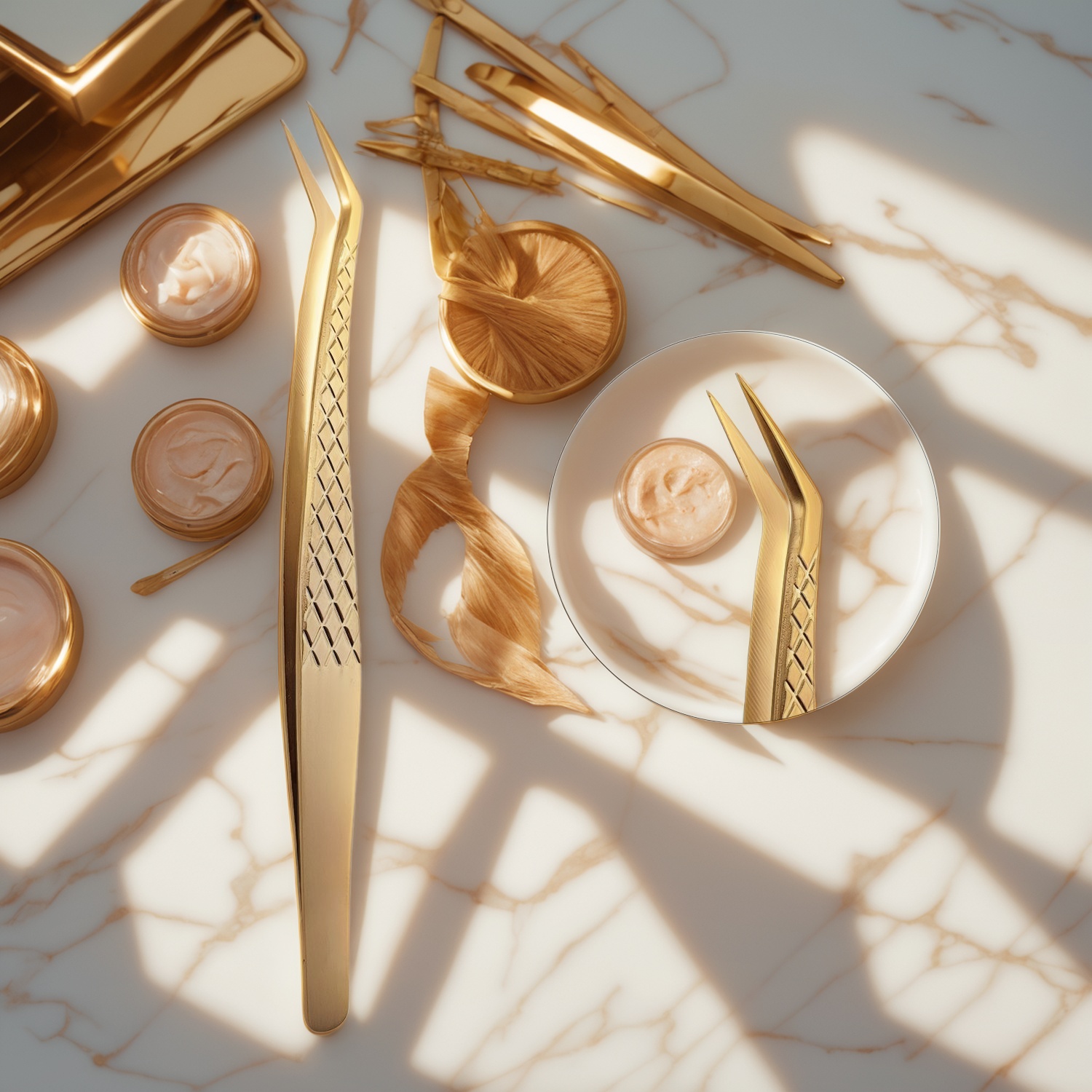
Finish is both visual and functional. A lustrous gold-toned or plated appearance, such as the gold-plated inspiration noted in the existing product concept, can make a tweezer more suitable for gift sets, premium retail packaging or boutique beauty branding. Matte, polished or colored finishes can each create a different impression. The key is to choose a finish that supports the brand without compromising the precision of the tips or the comfort of the grip.
Before finalizing a finish, consider how the product will be photographed, displayed and handled. Highly reflective surfaces can look premium but may show fingerprints more readily. Textured surfaces can improve hold but may need careful cleaning and finishing control. If your line includes other beauty tool products, the tweezer finish should also coordinate with related tools such as scissors, lash tools or grooming accessories.
How to Build a Clear OEM Custom Tweezer Brief
A clear brief helps reduce misunderstandings and speeds up product development. It does not need to be overly complex, but it should give enough information for meaningful design discussion and sampling. Buyers who are preparing to design your own tweezers can use the checklist below before sending a project request.
- Target user: home beauty customer, salon professional, brow artist, gift buyer or promotional audience.
- Main use: brow shaping, fine hair removal, lash preparation, travel kit inclusion or general grooming.
- Tip preference: angled, pointed, flat or another shape suitable for the intended task.
- Grip style: smooth, textured, patterned or shaped for ergonomic handling.
- Finish direction: polished metal, gold-toned, matte, colored or another brand-appropriate surface.
- Branding needs: logo placement, color matching, insert card, pouch, box or retail-ready packaging.
- Quality priorities: tip alignment, closing tension, surface consistency, packaging protection and inspection requirements.
- Market positioning: professional tool, premium retail item, entry-level kit component or seasonal gift product.
This checklist is also useful when comparing multiple samples. Instead of judging a sample only by first impression, score it against each requirement. That approach makes it easier for purchasing, product development and marketing teams to agree on the final direction.
Packaging and Presentation for Retail and Salon Channels
Packaging should protect the tweezer and explain its purpose quickly. A beautiful finish can be damaged or misrepresented if the packaging allows the tool to move too much during transit. Tip protection is especially important because alignment is central to performance.
For salon channels, packaging can be simpler and more functional, with emphasis on easy identification and clean storage. For retail channels, packaging may need a stronger visual story, usage notes and clear product positioning. For e-commerce, the packaging should photograph well and help the customer understand scale, finish and tip shape before purchase.
If you are building a wider tool range, review how the tweezer will sit alongside other items in your product collections. Consistent packaging dimensions, color language and logo treatment can make a small tool feel like part of a complete beauty system rather than a one-off accessory.
Quality Checks Buyers Should Not Skip
Custom tweezers require inspection at several points because their value depends on precision. A surface flaw may affect appearance, but poor tip contact affects the core function. Buyers should define quality expectations before bulk production, especially when the tweezer will be sold under a private label or included in a premium kit.
- Check tip meeting: close the tweezer slowly and confirm that the contact area meets evenly.
- Test grip control: hold the tweezer in normal grooming positions and check whether it slips or feels awkward.
- Review tension: open and close repeatedly to confirm the pressure is comfortable and consistent.
- Inspect surface finish: look for scratches, uneven color, rough edges or finish buildup near the tips.
- Assess packaging fit: confirm the tool is held securely and the tips are protected.
- Verify branding placement: make sure logo size and position remain readable without interfering with use.
These steps are simple, but they help prevent common problems that customers notice immediately. For professional buyers, documenting sample feedback with photos and short notes can make revisions more efficient.
When Custom Tweezers Are the Right Product Choice
Custom tweezers are a strong fit when a brand wants a small, useful beauty tool that can carry a clear identity. They work well in brow kits, grooming sets, salon retail displays, travel beauty kits and branded accessories. Because they are compact, they can also support seasonal promotions or bundled product offers when the design and packaging match the rest of the range.
However, customization should serve the user first. A striking color or premium-looking finish is valuable only if the tool grips accurately and feels comfortable. The best projects balance appearance, precision and practical packaging from the beginning.
Olimor Beauty supports beauty businesses exploring custom tweezers, OEM custom tweezers and related beauty tools. To discuss a project direction, compare product options or prepare a sourcing brief, you can contact Olimor or send an inquiry with your intended use, preferred finish and packaging needs.
Tag: