

Choosing a Beauty Tools Manufacturer for Reliable Wholesale Personal Care Products
For a salon, spa, beauty retailer or private-label buyer, a beauty tool is more than a small accessory. It affects the way a service feels, how safely a product can be used, and whether customers trust the brand behind it. Tweezers that do not align, eyelash curlers that pinch, manicure tools with rough edges, or packaging that arrives inconsistent can create avoidable complaints. That is why choosing a beauty tools manufacturer should be treated as a sourcing decision, not a simple price comparison.
The right manufacturing partner helps you build a dependable product range with consistent function, clean finishing and practical packaging. Whether you are comparing spa personal care tools wholesale options or reviewing a personal care tools manufacturer in Asia, the goal is the same: find products that can perform repeatedly in real use and support your sales channel without creating quality problems later.
What Defines a Strong Beauty Tools Manufacturer?
A capable manufacturer combines product knowledge, stable production habits and clear quality expectations. Beauty tools look simple from the outside, but small details matter. The pressure of an eyelash curler hinge, the smoothness of a handle edge, the alignment of a grooming tool and the durability of a finish can all influence the user experience.
Olimor Beauty focuses on beauty and personal care tools where ergonomics, material selection and inspection processes are important. A useful manufacturer should be able to explain how a tool is checked from raw material inspection through final packaging, and how defects are identified before shipment. This does not require complicated language; it requires a practical system that supports repeatable results.
When assessing a supplier, look for signs of discipline: consistent samples, clean surface finishing, stable dimensions, secure assembly and packaging that protects the product during transport. For tools often made with stainless steel components, buyers should also review edge finishing, corrosion resistance expectations, cleaning requirements and whether the tool feels balanced in the hand.
Key Selection Criteria for Wholesale Spa and Personal Care Tools
Wholesale buyers usually need more than one attractive item. They need a product line that can be purchased, displayed, handled by staff and used by customers without constant explanation. Before building a range, compare potential tools against a structured checklist.
- Function first: The tool should do its job cleanly, without excessive force, slipping or discomfort.
- Ergonomics: Handles, curves, grip points and operating pressure should suit repeated use, especially for salon and spa professionals.
- Surface finish: Check for burrs, sharp unintended edges, uneven coating, visible scratches or rough contact points.
- Material suitability: Consider whether stainless steel, silicone pads, coated metal or plastic parts are appropriate for the intended use and cleaning routine.
- Assembly stability: Hinges, springs, pads, caps and inserts should remain secure during ordinary handling.
- Batch consistency: A sample is only useful if later production can match its feel, finish and function.
- Packaging practicality: Packaging should protect the item, communicate use clearly and fit the sales environment, whether retail shelf, salon counter or e-commerce shipment.
For buyers comparing beauty tool products, this type of checklist makes it easier to separate decorative products from tools that can support daily use. Appearance still matters, but a good-looking tool that performs poorly will not help a professional brand.
Why Ergonomics Matter in Daily Beauty Tool Use
Ergonomics is often discussed as a design feature, but it is also a business concern. Tools used in spas and salons may be handled many times each day. If a tool requires too much hand pressure, feels unstable or is difficult to position, the user becomes slower and less confident. In retail, poor ergonomics can lead to negative reviews because customers may assume the product is defective when it is simply uncomfortable or unintuitive.
For eyelash curlers, ergonomic design includes the arc, handle position, pad softness, hinge movement and pressure distribution. For tweezers, it includes tip alignment, spring tension and grip area. For manicure and grooming tools, it includes edge control, safe contact surfaces and the way the tool sits in the hand. These details are not luxury extras; they determine whether a beauty tool is actually useful.
When evaluating a sample, test it with the kind of user who will buy or operate the tool. A spa professional may prioritize control and cleaning. A retailer may prioritize safe packaging, easy instructions and broad appeal. A private-label buyer may need both function and a design language that fits an existing product range.
Innovation in Practice: Reviewing the ChicLush Precision Eyelash Curler
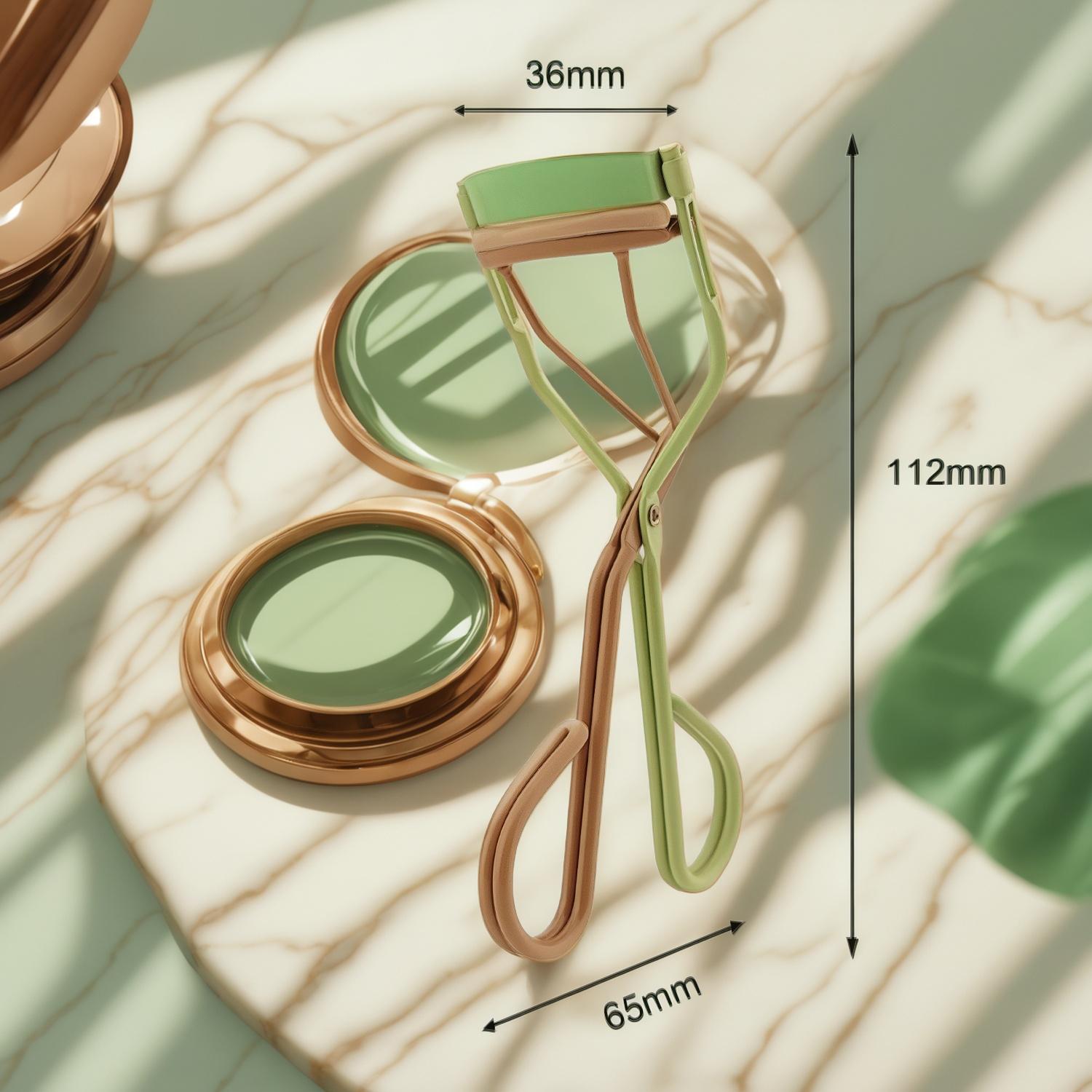
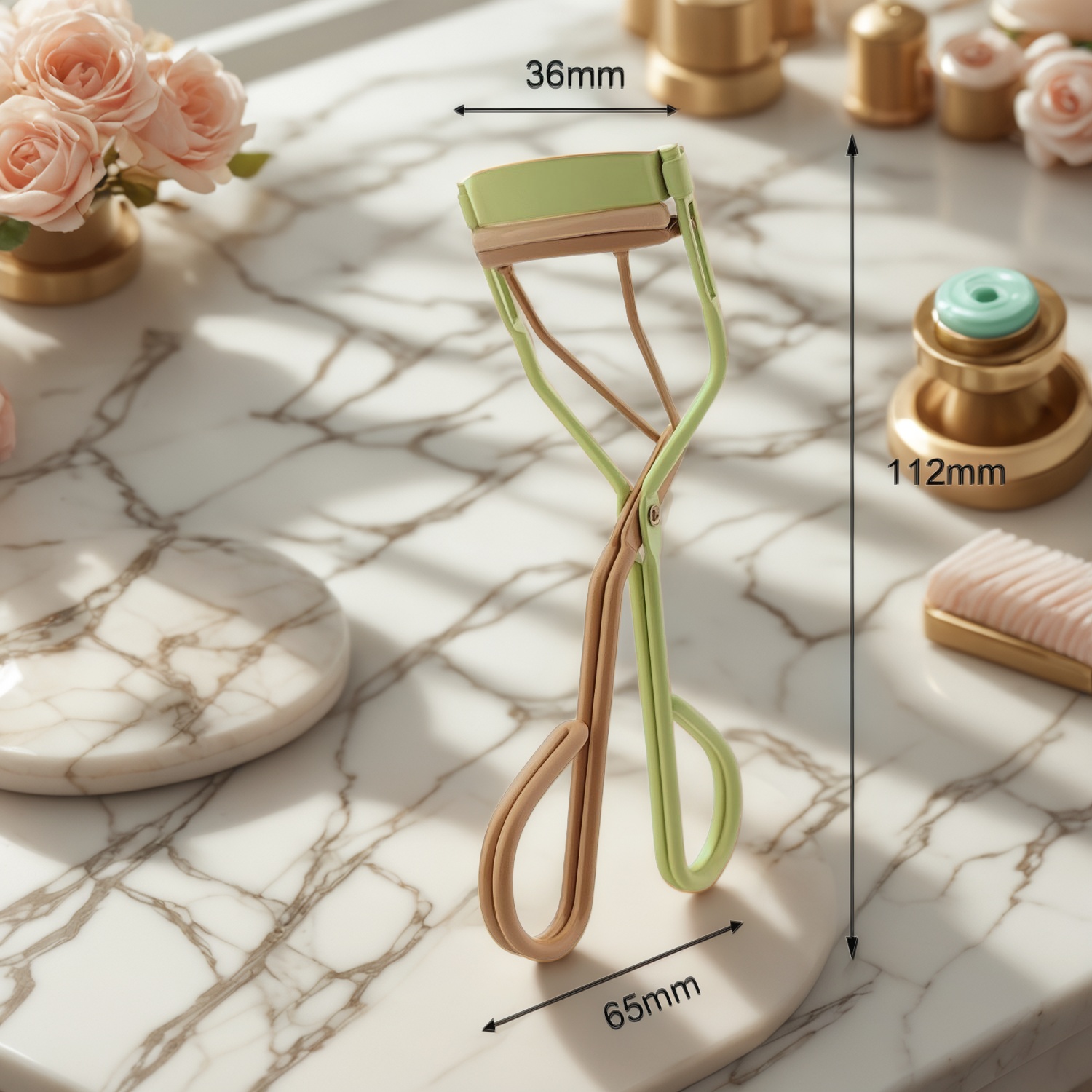
The ChicLush Precision Eyelash Curler is a clear example of how design details can shape a personal care tool. Its compact ergonomic frame is intended to support control, while the 65mm arc is designed to fit a wide range of eye shapes and lift lashes without pinching. The mint green and warm cocoa color combination gives it a recognizable look in a beauty kit, while the silicone pad provides a gentler contact point for the lashes.
For buyers, the value of this type of product is not only in its color or silhouette. The important sourcing questions are about repeatable performance: does the hinge apply consistent pressure, does the silicone pad sit securely, does the frame feel stable, and does the finish remain clean after handling? A precision-engineered hinge and a comfortable pad can make the difference between a tool that customers keep using and one that is returned or forgotten.
If you are selecting an eyelash curler for wholesale, compare several samples side by side. Press them slowly, check the evenness of the closing motion, inspect the pad contact line and confirm there are no rough points near the eye area. Because eyelash tools are used close to sensitive skin, comfort and smooth operation should carry more weight than purely decorative choices.
Sourcing Questions for Salons, Spas, Retailers and Private-Label Buyers
A good sourcing process turns broad claims into practical evidence. Instead of relying only on catalog photos, organize questions around the product’s life cycle: design, sample approval, production, inspection, packaging and after-sales handling. This helps both sides communicate clearly and reduces misunderstandings.
- Define the use case: Is the tool for professional spa service, retail resale, travel kits, gift sets or daily home use?
- Confirm the target user: Professionals may need durability and cleaning convenience; consumers may need simple instructions and comfortable operation.
- Review sample consistency: Test multiple pieces, not only one perfect sample.
- Inspect contact points: Any area touching skin, lashes, nails or hair should be smooth and appropriate for the task.
- Evaluate packaging: Check whether it protects the product and communicates essential usage or care information.
- Set acceptance criteria: Define what counts as unacceptable misalignment, loose assembly, visible surface defects or color inconsistency.
- Plan reorder control: Keep approved samples and written notes so future batches can be compared objectively.
Buyers exploring broader product collections can use this approach to build a more coherent assortment. The same quality logic should apply across eyelash tools, grooming tools, manicure accessories and other personal care items.
Quality Control from Materials to Final Packaging
Quality control should not begin at the end of production. By final inspection, many problems have already become expensive to correct. A better approach starts with incoming material checks, continues through forming and assembly, and finishes with appearance, function and packaging inspection.
For beauty tools, the most useful checks are often simple but strict. Inspect raw components for obvious defects. Confirm that metal parts are formed correctly and finished smoothly. Check moving parts for stable pressure and alignment. Verify that pads, grips or inserts are properly seated. Review packaging for clean printing, correct placement and adequate product protection.
It is also helpful to divide inspection into functional and cosmetic categories. A tiny visual mark on a hidden area may not have the same importance as a sharp edge, loose hinge or misaligned tip. Clear categories allow buyers and manufacturers to make decisions faster and avoid disputes based on vague expectations.
Building a Long-Term Wholesale Relationship
The best manufacturer relationship is not based only on one order. It is built through clear product requirements, honest sample feedback and consistent documentation. Share the sales channel, target customer and expected use case early, because these details influence design priorities. A tool for a professional spa may need a different emphasis than a promotional gift set or a compact travel product.
Olimor Beauty works with buyers who need practical beauty and personal care tools for different market needs. If you are reviewing options for wholesale spa tools, retail assortments or a private-label sourcing plan, prepare a short brief with product type, preferred function, packaging direction and any non-negotiable quality points. You can send an inquiry with your project details or contact Olimor to discuss suitable beauty tool options.
A reliable beauty tools manufacturer should make your sourcing process more predictable. By focusing on ergonomics, stable materials, controlled production and clear inspection standards, you can select tools that feel better in use and support your brand over time.
Tag: