

Custom Tweezers for OEM Beauty Tool Buyers
Custom tweezers may look like small beauty tools, but for a brow brand, salon supplier or retail program, they carry a large share of the customer experience. A tweezer that grips cleanly, feels balanced in the hand and keeps its tips aligned can make daily grooming easier. A poorly selected tweezer can pull hair unevenly, slip during use or feel uncomfortable after only a few minutes.
Olimor Beauty works with custom tweezers for beauty and precision-use markets, including OEM custom tweezers and international wholesale tweezers. For buyers, the most important decision is not simply whether the tweezer looks attractive. It is whether the design, finish, grip, inspection process and packaging plan fit the real use case. A professional brow technician, a retail beauty customer and a wholesale distributor may all need a different balance of appearance, control, durability and cost structure.
What Makes a Custom Tweezer Worth Sourcing?
A custom tweezer should be judged first as a working tool. Visual details matter, especially for retail and brand presentation, but the tool must still remove or hold fine objects with predictable control. In beauty applications, the tweezer should help isolate individual hairs without forcing the user to squeeze too hard. For crafting, jewelry setting or other detailed tasks, the buyer may care more about pinpoint contact, tip stability and a grip surface that does not slip.
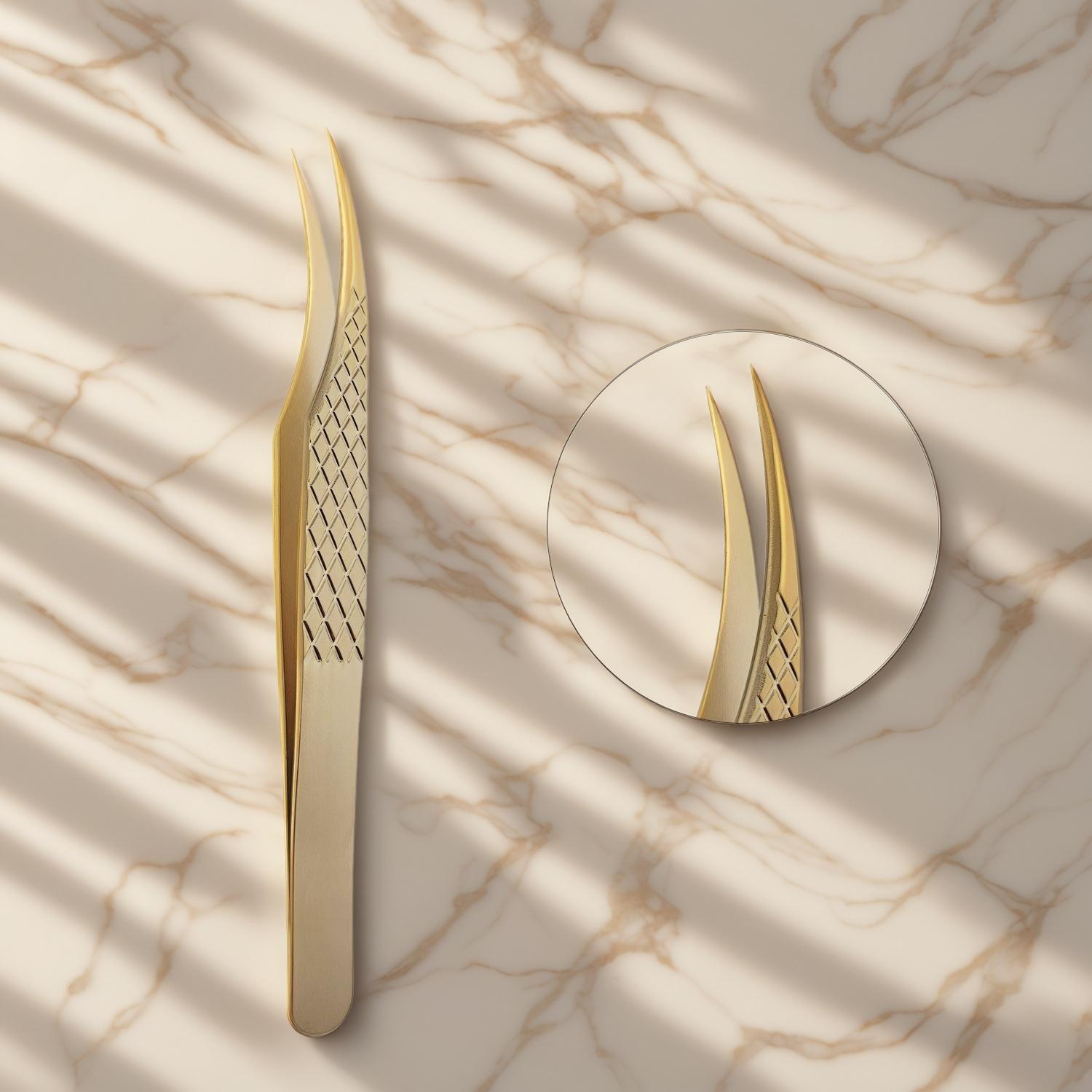
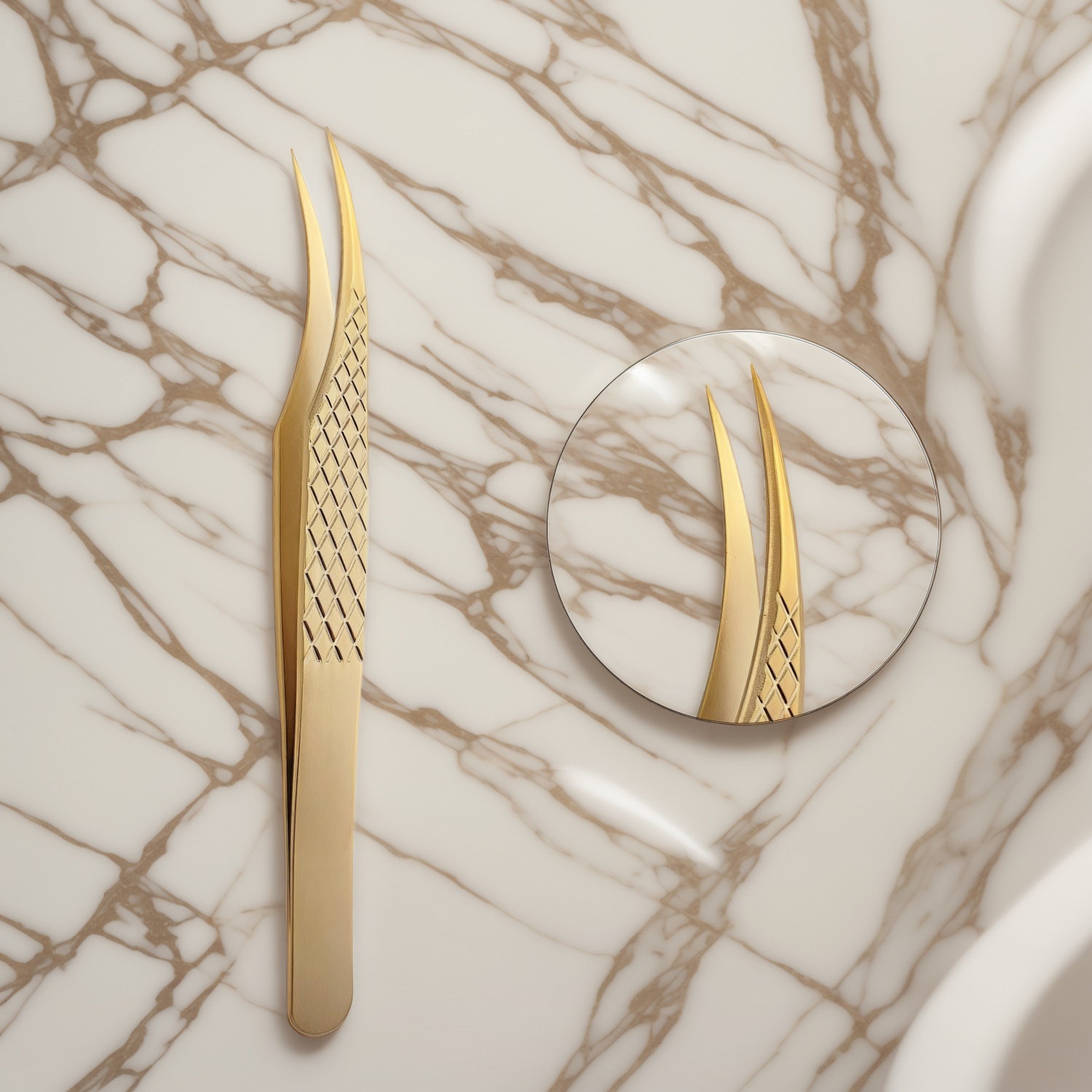
The original product focus includes ergonomic design, durable materials, stainless steel selection, gold-plated finishes, diamond-patterned grips and pinpoint tips. These are useful characteristics when they are applied for a clear purpose. A gold-plated finish can support a premium visual direction and may add corrosion-resistance benefits. A diamond-patterned grip can improve control, especially when the hand is slightly damp or when the user is working for long periods. A curved profile may help some users see the working area more clearly, depending on the task.
For OEM and wholesale sourcing, consistency is just as important as the first sample. One excellent sample is not enough if later production varies in tension, tip closure or surface finish. Buyers should define what “acceptable” means before approving production: how the tips should meet, how much resistance the arms should have, how the finish should look under normal retail lighting and what kind of packaging protection is needed during shipping.
Choosing the Right Tweezer Shape for the Intended User
Different tweezer shapes serve different habits and tasks. A buyer creating a consumer brow kit may prioritize ease of use and a forgiving grip. A professional salon distributor may need a sharper, more precise tool for frequent service use. A retail gift set may place more emphasis on finish, presentation and comfort for casual grooming.
Before confirming an OEM custom tweezer, map the shape to the user scenario:
- Everyday brow grooming: Choose a design that is comfortable, easy to control and not overly specialized. Tip alignment and hand feel are key.
- Professional brow shaping: Prioritize consistent tension, accurate tip contact and a grip that remains stable during repeated use.
- Retail beauty sets: Consider visual finish, packaging compatibility and whether the tweezer coordinates with other tools in the set.
- Crafting or jewelry work: Look closely at tip precision, visibility around the working point and whether the handle texture supports fine movements.
- Wholesale distribution: Select designs that can satisfy a broad customer base while still allowing clear differentiation through finish, packaging or branding.
Buyers sometimes choose the most distinctive shape first, then try to build a product line around it. A better approach is to start with the user’s grip, task and price position, then narrow the design. This reduces the risk of creating a tool that photographs well but does not earn repeat orders.
Materials, Finish and Grip: Details That Affect Daily Performance
The supplied product information mentions high-grade stainless steel selection, gold-plated finishes and diamond-patterned grips. These details should be assessed together rather than separately. Stainless steel is commonly preferred for tweezers because it supports a clean, durable tool body, but buyers still need to review the finish, edge quality and consistency of the final product. A beautiful coating cannot compensate for poorly aligned tips.
Gold-plated tweezers can be attractive for premium beauty programs, gift packaging and salon retail displays. The finish should appear even, with attention to areas near the tips, inner arms and grip pattern. If the tweezer is intended for frequent professional use, the buyer should consider how the finish will be handled, cleaned and stored by the end user.
A diamond-patterned grip is more than decoration. It gives the fingers a tactile reference point and can reduce slipping during precise work. For a curved tweezer, the grip pattern also helps the user control the angle of pressure. When reviewing samples, test the grip with dry hands and after applying hand cream or light moisture, because real beauty environments are rarely laboratory-perfect.
OEM Custom Tweezers: Branding Without Losing Function
OEM custom tweezers allow a brand to create a tool that fits its audience, packaging system and market position. Customization can include finish direction, grip texture, curvature, logo placement, packaging style and set composition. The goal is not to add as many custom features as possible; it is to make choices that support the buyer’s sales channel.
For example, a minimalist beauty brand may prefer a clean finish and discreet branding. A salon-facing brand may want a textured grip and a design that communicates professional control. A distributor serving multiple markets may need a versatile tweezer that can be adapted for different packaging programs without changing the core tool too often.
When planning OEM tweezers, prepare a practical brief before discussing samples. Include the intended users, target retail environment, preferred finish, packaging size limits, logo requirements and any compatibility needs with other tools. You can review related beauty tool products to think through how the tweezer might sit within a broader assortment, or browse product collections when planning coordinated tool sets.
Quality Checks Buyers Should Build Into the Sourcing Process
Quality control for tweezers should be specific. General statements about good quality are not enough for a small precision tool. The user will notice if the two tips do not meet evenly, if the arms feel too stiff, if the finish has visible defects or if the tweezer loses grip quickly.
The following checklist can help buyers evaluate custom tweezers before moving forward:
| Checkpoint | Why it matters | What to review |
|---|---|---|
| Tip alignment | Determines whether the tweezer grips fine hairs or small items cleanly | Close the tips under normal pressure and check for even contact |
| Tension | Affects comfort during repeated use | Compare several samples for consistent squeeze resistance |
| Grip texture | Improves control and reduces slipping | Test the diamond-patterned area from multiple hand positions |
| Surface finish | Supports retail appearance and perceived value | Look for even color, smooth edges and clean plating coverage |
| Packaging fit | Protects the tool and supports brand presentation | Confirm the tweezer is secure and the tips are protected in transit |
It is also useful to compare multiple pieces from the same sample batch rather than relying on one unit. Variation between pieces can reveal whether the design is ready for wholesale production or still needs refinement.
International Wholesale Tweezers: Planning for Different Markets
International wholesale tweezers must work across varied retail channels, price expectations and customer habits. A product that performs well in a professional beauty supply channel may need different packaging for e-commerce. A tweezer sold in a compact beauty kit may require a different presentation from one sold individually on a retail display.
Wholesale buyers should think about logistics and product protection early. Tweezers have fine tips, and those tips must remain aligned through packing, shipping, warehousing and final delivery. Tip covers, inner trays or secure retail packaging can help reduce damage. The right packaging decision depends on the channel: online sales need protection against parcel handling, while retail shelves need clear presentation and theft-resistant practicality.
For global programs, avoid over-customizing the first order unless the market demand is already proven. A balanced core design with a reliable finish and comfortable grip can often serve more channels than a highly niche design. Once feedback is collected, buyers can refine finish, packaging or tool shape for specific markets.
Care and Maintenance Guidance for End Users
Clear care instructions can reduce complaints and help customers get better performance from their tweezers. Even a well-made tool can be damaged by poor storage or rough cleaning. Brands selling custom tweezers should consider adding simple use and care guidance to packaging or insert cards.
- Wipe the tweezer after use to remove residue from skin care products, oils or cosmetics.
- Keep the tips protected when storing the tool in a makeup bag or salon drawer.
- Avoid dropping the tweezer, as impact can affect tip alignment.
- Do not use brow tweezers as general-purpose prying or scraping tools.
- Store in a dry place to help preserve the finish and working edges.
These instructions are simple, but they support the buyer’s brand reputation. Customers often judge a beauty tool by how it performs after repeated use, not only on the first day.
Working With Olimor Beauty on Custom Tweezer Projects
For brands, salons, distributors and wholesale buyers, custom tweezers should be developed with a clear connection between design and use. Olimor Beauty’s custom tweezer focus includes OEM customization, ergonomic handling, durable material selection, gold-plated finish options, diamond-patterned grip design and precision tips for detailed work. The best sourcing result comes from defining the market need before finalizing the appearance.
If you are preparing a tweezer program, gather reference preferences, packaging goals and expected use cases before requesting samples. This makes the development conversation more efficient and helps avoid unnecessary changes later. To discuss a specific project, you can contact Olimor or send an inquiry with your product direction, target market and customization priorities.
A custom tweezer is a small product with many decision points. When shape, grip, finish, packaging and inspection criteria are planned together, it becomes a more reliable tool for the end user and a stronger product for the buyer’s line.
Tag: