


How to Choose a Reliable Tweezers Supplier for B2B Beauty Buyers
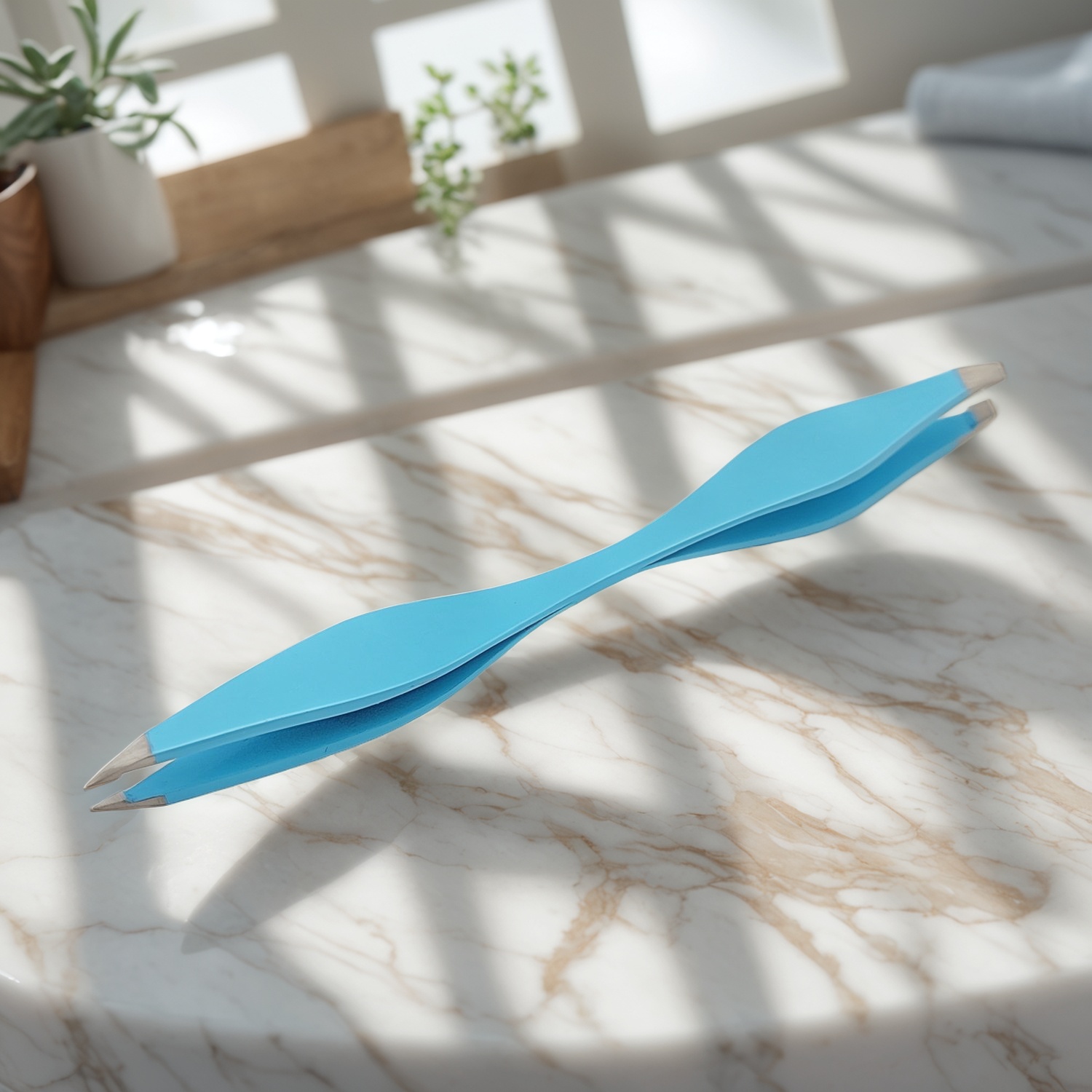
For beauty brands, distributors, salon suppliers and private-label buyers, tweezers are small products with a large impact on customer satisfaction. A pair that grips cleanly, feels balanced in the hand and keeps its alignment after repeated use can strengthen trust in your assortment. A poorly finished pair can lead to returns, complaints and a weaker brand impression. That is why choosing a reliable tweezers supplier is not only a purchasing decision; it is a quality decision that affects every user who opens the pack.
Olimor Beauty serves B2B buyers looking for practical, well-made beauty tools, including precision grooming tools designed for daily personal care and professional use. When evaluating tweezers for resale, gift sets, salon supply programs or beauty accessory ranges, the best approach is to look beyond appearance and compare the details that determine performance: tip geometry, alignment, material choice, hand feel, inspection process and packaging readiness.
What Makes Tweezers Reliable in Real Use?
Reliable tweezers do one thing consistently: they grip hair accurately without slipping, cutting the hair, pinching skin unnecessarily or losing tension too quickly. For end users, this matters during eyebrow shaping, facial hair removal, splinter removal and detail grooming. For B2B buyers, it matters because these everyday experiences shape product reviews, repeat orders and retail sell-through.
The first point to inspect is the tip. Slant-tip tweezers are widely used for eyebrow shaping and general hair removal because the angled edge gives a practical combination of visibility and surface contact. Point-tip tweezers are useful for fine work where accuracy is more important than speed. If a tool combines both functions, the finishing quality must be especially consistent because each end has a different job.
The supplied product example from Olimor Beauty is a Dual-Use Ergonomic Precision Tweezers design. Its double-sided architecture includes a fine point-tip for meticulous tasks such as removing ingrown hairs and a slant-tip for broader hair removal. This kind of format can be useful for retailers and beauty brands that want to offer more functionality in a single grooming tool without adding multiple separate SKUs.
Key Supplier Evaluation Criteria for B2B Buyers
When comparing suppliers, it is useful to build a review process that covers both product performance and business reliability. The lowest unit cost is rarely the best measure by itself. A better question is whether the supplier can deliver consistent tools that match your target customer, sales channel and packaging expectations.
- Tip alignment: The two tweezer tips should meet evenly. Misalignment is one of the most common reasons tweezers fail to grip fine hair.
- Closing tension: Tweezers should not feel too stiff or too loose. Comfortable resistance helps users maintain control during repeated grooming.
- Edge finishing: Tips should be precise but not harsh. Rough edges can create discomfort or reduce the perceived value of the product.
- Material selection: Stainless steel is preferred for many grooming tools because it supports durability and easier cleaning.
- Grip and ergonomics: A comfortable body shape reduces hand fatigue, especially for salon professionals or frequent users.
- Surface consistency: The finish should look clean across the batch, with no obvious burrs, stains or uneven polishing.
- Packaging compatibility: The tool should fit the intended retail card, pouch, case or set packaging without movement that may damage the tips.
- Inspection discipline: A supplier should have clear checks from raw material selection through final packaging.
Olimor Beauty focuses on beauty tool products for B2B buyers who need dependable sourcing. You can browse related beauty tool products or review broader product collections to compare tool types and possible assortment directions.
Why Stainless Steel and Tip Design Matter
Stainless steel is a practical material choice for tweezers because grooming tools are regularly exposed to skin oils, cleaning routines, moisture in bathrooms and repeated handling. The original product information highlights stainless steel construction and rust-free durability for the Dual-Use Ergonomic Precision Tweezers. For buyers, this points to two important expectations: the tool should withstand normal use, and it should maintain a clean appearance throughout its retail life and customer use cycle.
Material alone, however, does not guarantee performance. A stainless steel tweezer with poorly finished tips will still disappoint users. Tip grinding, alignment and final inspection are what turn a basic piece of metal into a dependable precision tool. For slant tips, the angled surfaces should close with even contact. For point tips, the ends should meet accurately enough for detail work. On a dual-use design, both ends need to be inspected because each function can fail in different ways.
The ergonomic twist body described for Olimor Beauty’s dual-use tweezer is also relevant to B2B selection. A non-slip, comfortable grip can make a noticeable difference for users who spend more time on detailed grooming. In retail, ergonomics can support a stronger product story; in professional supply, it can support better comfort during frequent use.
Matching Tweezers to Your Sales Channel
Different buyers need different product priorities. A salon supplier may care most about comfort, precision and long-term repeat performance. A beauty brand developing a grooming kit may care about compactness, visual finish and how the tweezer pairs with scissors, brow tools or nail accessories. A distributor may prioritize product consistency, carton-level handling and how easily the item fits into existing catalog categories.
Before selecting a supplier, define the intended use case clearly. For example, eyebrow-focused retail customers may prefer slant-tip tweezers because they are easy to understand and familiar to most users. A more advanced grooming audience may value point-tip or dual-use tweezers for precision tasks. If the product will be sold online, close-up images and clear descriptions of the tip type become more important because customers cannot test the tool before purchase.
| Buyer type | Useful tweezer priorities | Selection notes |
|---|---|---|
| Beauty brand | Finish quality, packaging fit, clear product story | Choose a design that matches the brand’s target user and price position. |
| Salon supplier | Grip comfort, alignment, durability | Test repeated opening and closing to judge hand feel and tension. |
| Distributor | Batch consistency, simple categorization, practical packaging | Compare samples across multiple pieces, not only one perfect unit. |
| Gift set buyer | Compact design, visual appeal, multi-function value | Check whether the tweezer remains protected inside the set packaging. |
Quality Control Questions Worth Asking Before Ordering
A reliable tweezers supplier should be able to explain how product quality is controlled, even when a buyer does not require highly technical documentation. The goal is not to collect vague promises; it is to understand how the supplier prevents common failures. Olimor Beauty’s process emphasizes internal quality control, including inspections from raw material selection to final packaging. This kind of staged review is important because tweezer problems can appear at several points in production.
Useful quality-control questions include: How are tweezer tips checked for alignment? Are finished pieces inspected visually for burrs or stains? How is closing tension reviewed? Are tools protected during packaging to prevent tip damage? If packaging is customized, when is the fit checked? For B2B orders, buyers should also review how samples compare with production goods, because consistency across a batch is more important than a single attractive sample.
It is also sensible to create your own incoming inspection checklist. Even a simple checklist can reduce risk. Review a small number of pieces for alignment, finish, grip, packaging condition and visible defects. Record issues clearly so they can be discussed before repeat purchasing. This helps both buyer and supplier maintain the standard expected by the final customer.
Care, Handling and End-User Guidance
Good maintenance information can reduce customer complaints and improve the perceived value of tweezers. For retail packaging, online product pages or instruction inserts, include simple care guidance. Users should keep tweezers clean and dry, wipe the tips after use, avoid dropping the tool on hard surfaces and store it so the tips are not bent or chipped. Point tips in particular should be protected because a small impact can affect precision.
For B2B buyers, care instructions are not just an after-sales detail. They help set realistic expectations and reduce misuse. A customer who understands that tweezers are precision tools is more likely to store them properly and less likely to damage the tips in a crowded cosmetic bag. If the product is included in a brow kit or grooming set, the packaging should hold the tweezer securely so it does not rub against harder items during shipping or daily storage.
Building a Better Tweezers Sourcing Decision
The best tweezers manufacturer in China for your business is the one that can meet your performance expectations, presentation needs and quality control requirements consistently. A useful supplier conversation should cover the product’s intended user, preferred tip type, material expectations, packaging plan and inspection priorities. For a dual-use design such as Olimor Beauty’s Dual-Use Ergonomic Precision Tweezers, the discussion should also include how each functional end is protected and checked.
When you are ready to compare options, prepare a short sourcing brief. Include the sales channel, target customer, preferred tweezer type, packaging format, required visual finish and any specific functional concerns. This makes supplier communication more efficient and helps avoid mismatched samples. To discuss suitable beauty tool options, you can contact Olimor or send an inquiry with your project details.
A well-chosen tweezer is a small item that can carry a strong quality message. By focusing on alignment, stainless steel construction, ergonomic handling, inspection discipline and channel fit, B2B buyers can source grooming tools that perform reliably and support long-term customer trust.
Tag: