

How Salons Can Choose Reliable Pedicure Tool Suppliers
For a salon, pedicure tools are not small accessories. They are used repeatedly, handled close to the skin, cleaned frequently, and judged by both technicians and clients. Choosing the right pedicure tool suppliers is therefore a purchasing decision that affects service consistency, hygiene workflow, technician comfort, and long-term inventory planning.
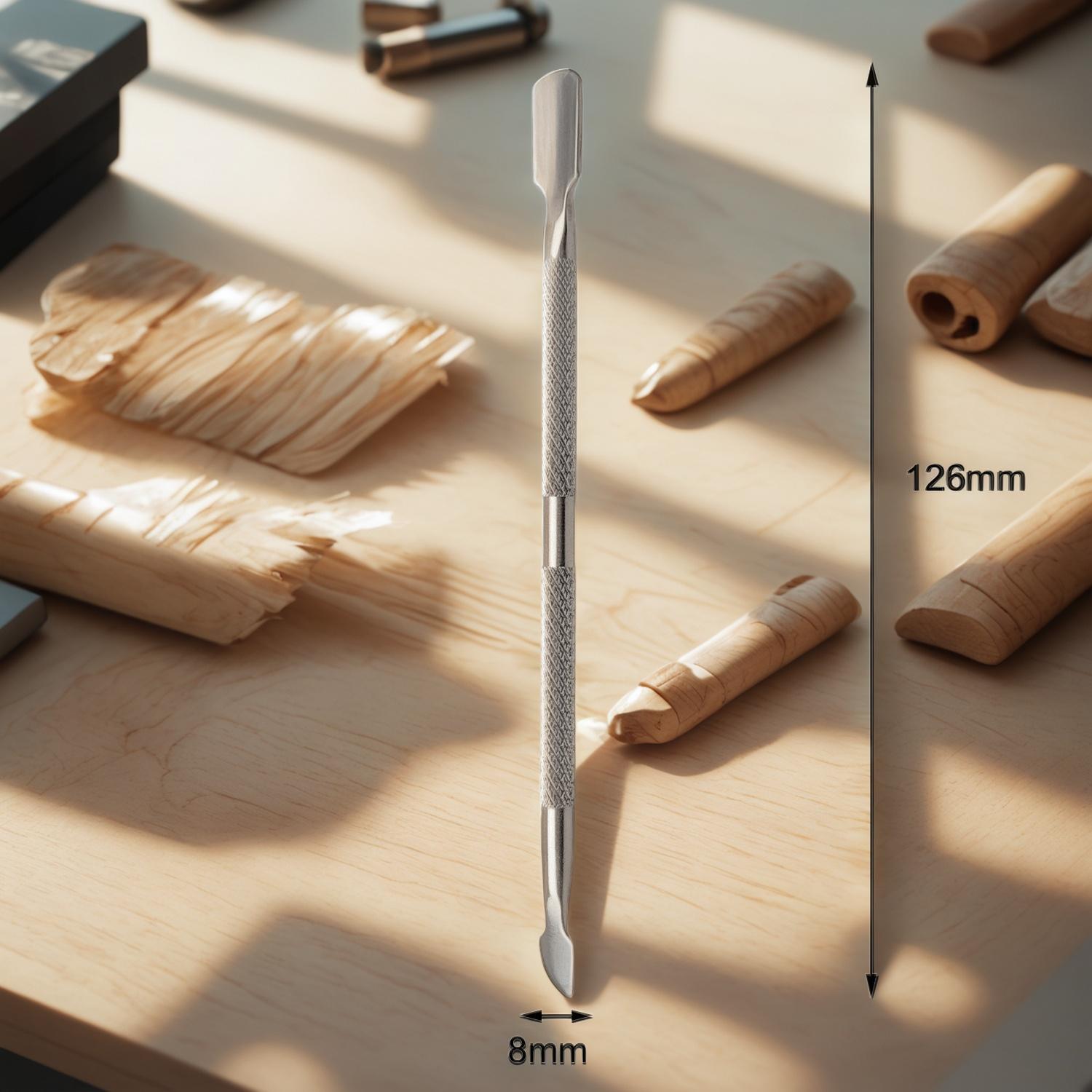
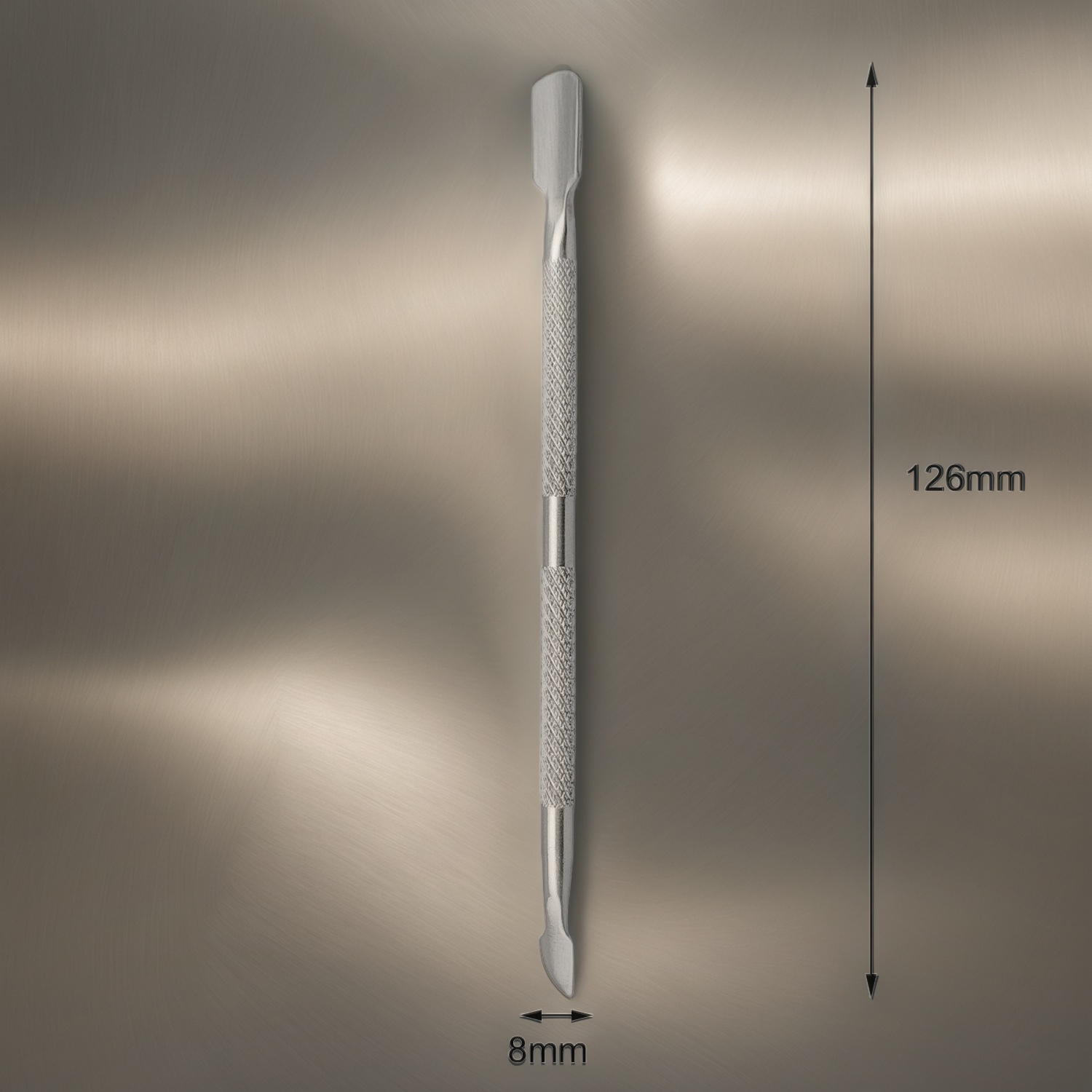
One product highlighted for salon and personal care use is Olimor Beauty’s Stainless Steel Dual-Ended Cuticle Pusher. The original product information emphasizes a stainless steel construction, a dual-ended design, ergonomic sophistication, corrosion-resistant craftsmanship, and a non-slip textured handle for control. Those are important starting points when evaluating whether a tool is suitable for professional pedicure and manicure services, but a salon buyer should also consider sourcing reliability, cleaning routines, bulk order planning, and how the tool fits into daily service protocols.
Why the Supplier Matters as Much as the Tool
A cuticle pusher can look simple, but the difference between a dependable professional tool and a frustrating one is often found in small details: edge finish, handle grip, balance, surface smoothness, and resistance to routine cleaning. For salons purchasing in quantity, these details must be consistent across every unit, not just the sample.
Reliable pedicure tool suppliers help salons reduce three common problems. First, they reduce variation between tools, so each technician can work with familiar handling. Second, they support better inventory planning, because replacement tools can be sourced without changing the service experience. Third, they make quality review easier by providing clear product information and a stable communication process.
Salon buyers comparing beauty tool products should avoid choosing only by appearance or unit price. A lower-cost tool that becomes slippery in use, develops rough edges, or does not tolerate frequent sanitation steps may create more expense over time. The better question is whether the supplier can provide tools that remain practical under real salon conditions.
What to Look for in a Stainless Steel Dual-Ended Cuticle Pusher
The Stainless Steel Dual-Ended Cuticle Pusher is relevant to salons because a dual-ended design can support more than one detailed step during cuticle care. The supplied information highlights stainless steel, corrosion-resistant craftsmanship, ergonomic design, and a non-slip textured handle. These qualities are useful because pedicure tools must be precise enough for careful work and durable enough for repeated professional use.
When reviewing this type of tool, focus on the following selection criteria:
- Material suitability: Stainless steel is commonly preferred for reusable salon tools because it can support repeated cleaning and has a professional feel. Buyers should review the supplier’s care instructions and cleaning compatibility before committing to a bulk order.
- Dual-ended usability: Each working end should have a clear purpose and should be shaped for controlled movement around the nail area. Avoid tools with uneven, overly sharp, or poorly finished edges.
- Grip control: A non-slip textured handle can help technicians maintain steadier control, especially during longer service days or when gloves are worn.
- Balance and comfort: Ergonomic sophistication matters because repeated hand strain can affect productivity. A tool should not feel awkward, overly light, or difficult to rotate.
- Surface finish: Smooth finishing is important for both user comfort and cleaning. Rough seams, burrs, or inconsistent polishing are warning signs.
For salon teams, it is useful to have technicians test samples in realistic service conditions rather than reviewing only photos. A tool that looks acceptable online may feel too narrow, too slick, or poorly balanced during actual use.
Bulk Beauty Products for Salons: How to Plan the Purchase
Buying bulk beauty products for salons can be efficient, but only when the purchase is planned around service volume, cleaning workflow, and replacement needs. Bulk purchasing should not mean filling drawers with tools that are not compatible with your service standards. It should mean building a controlled, repeatable tool system.
Before placing a wholesale or bulk order, estimate how many tools are needed per technician, per treatment room, and per sanitation cycle. A busy salon may need enough cuticle pushers to allow used tools to be removed from service immediately while clean tools remain available for the next client. This reduces pressure on staff and supports a more organized workflow.
| Buying factor | Why it matters for salons | What to check before ordering |
|---|---|---|
| Tool consistency | Technicians work faster when every tool feels familiar. | Compare multiple samples, not just one display piece. |
| Cleaning compatibility | Reusable tools must fit your sanitation procedure. | Review care guidance and avoid unclear maintenance claims. |
| Grip and ergonomics | Comfort affects control during detailed cuticle work. | Test with gloves and during a normal service sequence. |
| Packaging and storage | Tools should arrive protected and be easy to organize. | Consider labeling, counting, and storage after delivery. |
| Reorder stability | Salons need replacements without changing tool feel. | Confirm how to identify the same product for future orders. |
Bulk purchasing also works best when one person is responsible for checking deliveries. Count the tools, inspect the finish, and separate any item that does not meet your internal standard. This small receiving step prevents unsuitable tools from entering daily service unnoticed.
Questions to Use When Comparing Pedicure Tool Suppliers
The most useful supplier evaluation questions are specific. Instead of asking whether a tool is “high quality,” ask questions that connect directly to salon use. The answers will help you compare personal care tools wholesale options more objectively.
- What material and finish information is available? Confirm the supplier’s description of the stainless steel tool and any surface treatment or finishing details they provide.
- How should the tool be cleaned and stored? The supplier should provide practical care guidance suitable for reusable beauty tools.
- Can samples be reviewed before a larger order? Sample evaluation helps salons check grip, balance, and edge finishing under real service conditions.
- How are tools protected during shipping? Pedicure tools should arrive without scratched working ends, bent edges, or contamination from poor packaging.
- How can the same item be reordered later? A clear product reference reduces the risk of receiving a similar-looking but different tool.
- What customization or assortment options are available? If your salon or retail program requires specific packaging or tool combinations, clarify feasibility early.
If you are comparing options from Olimor Beauty, you can review available product collections or contact Olimor to discuss the type of salon tool sourcing you need. Keep the discussion focused on use case, quantity planning, and maintenance expectations rather than broad marketing claims.
Maintenance Practices That Protect Tool Performance
Even a well-made stainless steel cuticle pusher needs proper handling. Salons should create a written tool care routine so every technician follows the same process. This is especially important for dual-ended tools because both ends must be inspected and cleaned thoroughly after use.
After each service, remove the tool from the active workstation and place it in the designated used-tool area. Follow your salon’s approved cleaning and sanitation procedure for reusable implements. Once the tool is clean and dry, inspect the working ends and handle texture. If you notice roughness, deformation, residue in textured areas, or any issue that could affect comfort or safety, remove the tool from circulation.
Storage also matters. Stainless steel tools should not be thrown loosely into crowded drawers where working edges can knock against other metal implements. Use trays, rolls, or organized containers that separate clean tools from used tools. If the salon offers both manicure and pedicure services, consider separating tool sets by service area to simplify tracking and reduce confusion during busy hours.
How Salons Can Build a Better Wholesale Tool System
A strong sourcing process is more than finding one supplier. It is a system for selecting, testing, purchasing, receiving, maintaining, and replacing tools. The Stainless Steel Dual-Ended Cuticle Pusher from Olimor Beauty can fit into this type of system when buyers evaluate it against practical salon requirements: corrosion-resistant craftsmanship, ergonomic handling, a non-slip textured handle, and consistent usability for professional care routines.
For salons that also retail personal care tools, wholesale sourcing needs another layer of review. Tools intended for client purchase should be easy to explain, visually clean, and appropriate for home care when used responsibly. Staff should understand the difference between professional service use and client education, especially around cuticle care. Clear guidance helps prevent misuse and supports a better customer experience.
When planning your next purchase, document what your team actually needs: number of technicians, average daily services, cleaning cycle, preferred grip style, storage method, and reorder schedule. Then compare suppliers using those criteria. This approach is more reliable than choosing tools based only on a short product description or a low initial price.
Final Checklist Before Sending an Inquiry
Before committing to a salon-wide order, use a concise checklist to make sure the product and supplier match your business needs:
- Confirm the tool type: stainless steel dual-ended cuticle pusher.
- Review the handle texture and whether it supports controlled, non-slip use.
- Inspect sample finish, edges, balance, and comfort with your technicians.
- Check cleaning and storage guidance against your salon procedures.
- Plan quantity around service volume and sanitation cycle, not only staff count.
- Clarify packaging, shipping protection, and reorder identification.
- Keep a receiving inspection process for every bulk delivery.
Reliable pedicure tool suppliers help salons maintain consistent service standards without overcomplicating purchasing. By focusing on practical details such as stainless steel construction, ergonomic control, textured grip, cleaning workflow, and reorder planning, salon buyers can choose tools that support daily work rather than simply filling inventory. To discuss product availability or sourcing needs, you can send an inquiry to Olimor Beauty.
Tag: