

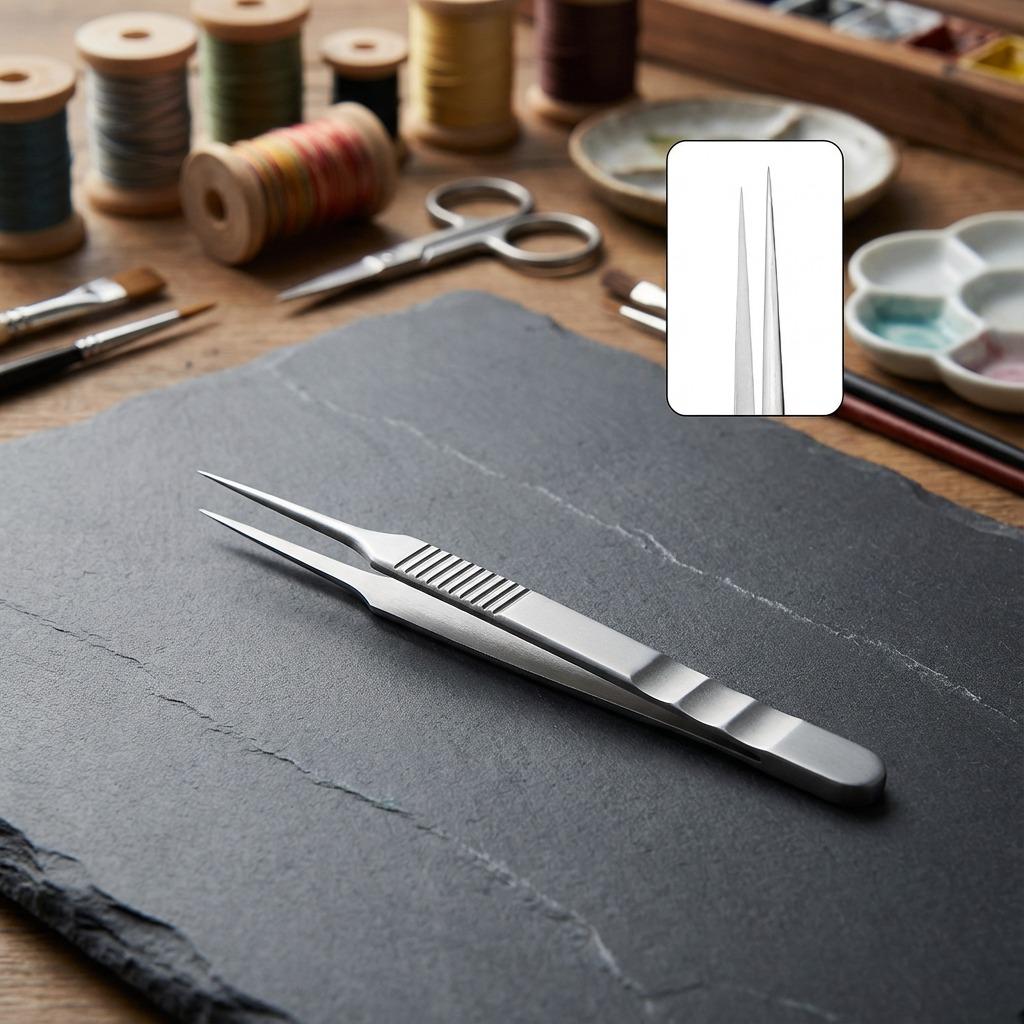
Personalized Tweezers for Precision Beauty Work and Bulk Orders
Personalized tweezers are small tools, but they have a direct effect on the accuracy, comfort, and consistency of daily beauty work. For brow shaping, lash preparation, fine hair removal, sample kit assembly, salon retail, or professional training sets, the right tweezer can reduce wasted time and help users work with more control. For brands and distributors, personalization also turns a practical tool into a more memorable product without changing the core function buyers depend on.
Olimor Beauty supports buyers looking for durable tweezers suitable for professional and wholesale needs. The original product focus includes stainless steel construction, corrosion resistance, extra fine pointed tips, grooved handles, and internal quality controls from material selection through packaging. Those details matter because tweezers are repeatedly handled, cleaned, stored, and used for close-contact work. This guide explains how to evaluate personalized tweezers before a bulk order, what to consider when comparing options, and how to maintain tool quality after purchase.
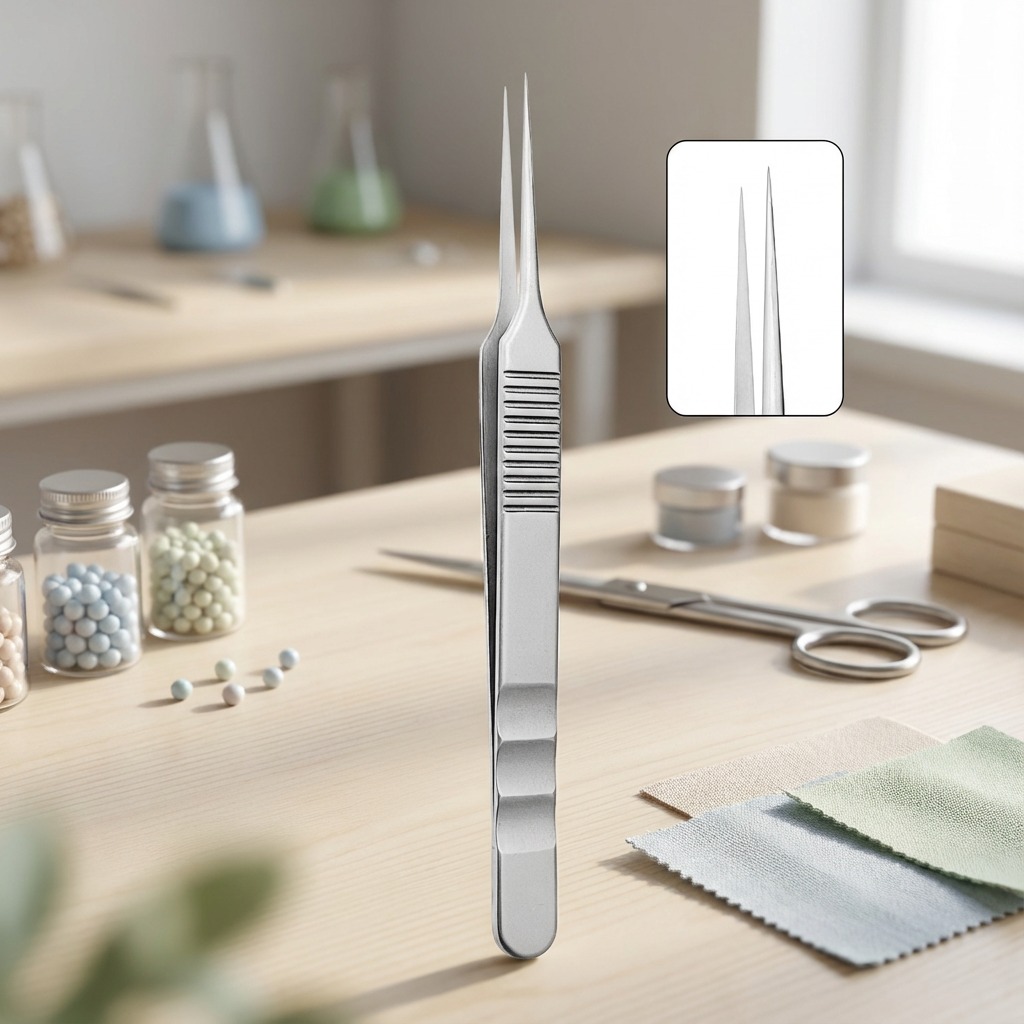
What Makes Personalized Tweezers Different?
A standard tweezer is usually selected only by tip shape, finish, and price. Personalized tweezers add another layer: they are planned for a specific user group, business program, or application. Personalization may relate to appearance, packaging, handle feel, intended use, or a coordinated bulk order for a salon chain, training school, retail display, or beauty brand.
The key is to keep personalization practical. A tweezer can look attractive but still fail if the tips do not meet evenly, the grip feels slippery, or the tool loses alignment too quickly. For professional users, precision comes first. Extra fine pointed tips, when properly aligned, are useful for detail work where the user must isolate a single hair, grip a fine element, or work in a tight area. Grooved handles can also help by adding tactile control during longer sessions.
For buyers, the most successful personalization decisions usually start with the working environment. A brow artist may need a precise point and a comfortable grip. A retail buyer may care about visual consistency and packaging. A training provider may need a tool that is easy for beginners to control. A distributor may need a dependable product that can be ordered in volume with consistent quality. Personalized tweezers should serve those needs instead of adding decoration that does not improve use.
Core Selection Criteria for Beauty Professionals
When evaluating tweezers for professional beauty work, small differences are easy to overlook during a quick inspection. However, those differences become obvious after repeated use. A tweezer that pinches poorly, feels unbalanced, or requires too much hand pressure can slow work and create frustration. Before choosing a bulk order tweezer, review the following criteria carefully.
| Selection point | Why it matters | What to check |
|---|---|---|
| Tip alignment | Accurate contact helps grip fine hairs or small items cleanly. | Close the tweezer gently and check whether both tips meet evenly. |
| Tip style | Different tasks require different control. | Extra fine pointed tips suit detailed precision work; broader tips may suit different handling needs. |
| Material | Durability and corrosion resistance affect long-term usability. | Stainless steel construction is a practical choice for tools that are handled and cleaned often. |
| Handle texture | Grip comfort affects control during repeated use. | Grooved handles can help reduce slipping and support steadier handling. |
| Tension | Too much resistance can fatigue the hand; too little can reduce control. | Open and close the tweezer several times to assess pressure and rebound. |
| Packaging | Bulk orders need protection during transport and storage. | Confirm that tips are protected and products are organized for receiving, resale, or team distribution. |
These checks are useful whether you are buying for one salon or planning a wider wholesale program. The goal is not simply to find a tweezer that looks correct, but to choose one that performs consistently after repeated handling.
Why Stainless Steel and Fine Tips Matter
Stainless steel is commonly preferred for beauty tweezers because it supports durability and corrosion resistance. Tweezers often move between workstations, kits, storage drawers, and cleaning routines. A material that resists everyday wear helps protect the value of the purchase, especially for businesses ordering in quantity. While exact care methods depend on each workplace’s hygiene procedures, the base material should be suitable for repeated professional handling.
Fine pointed tips serve a different purpose: they improve access and accuracy. In beauty work, the ability to target one hair or reach a small area can determine whether the result looks clean and controlled. For users doing brow detail, lash-related preparation, or other close-up tasks, a precise tip can make work more efficient. However, fine tips also require thoughtful handling. Dropping a pointed tweezer, storing it loose in a drawer, or letting tips strike hard surfaces can affect alignment. For bulk programs, include storage instructions so the tool’s precision is preserved after distribution.
Grooved handles are another practical feature because they add texture where the fingers hold the tool. During longer use, even a small improvement in grip can help users maintain steadier pressure. This is especially relevant for teams that perform repeated services throughout the day or for students learning correct technique.
Planning a Bulk Order Without Losing Consistency
Bulk order tweezers should be planned around consistency, not only quantity. When multiple users receive the same tool, each tweezer should feel and perform as close as possible to the others in the batch. Olimor Beauty’s product positioning includes internal controls from raw material selection to final packaging, which is important because a tweezer’s quality depends on several stages: material, forming, finishing, tip alignment, cleaning, and packing.
Before placing a personalized tweezer order, buyers can prepare a clear purchasing brief. This helps reduce misunderstandings and makes comparison easier. Include the intended user, expected application, preferred tip type, finish direction, packaging expectations, and any personalization requirements. If the tweezers are intended for retail, consider how the product will be displayed and protected. If they are intended for professional staff, prioritize grip, alignment, and comfort.
- For salons: choose a design that supports frequent use, easy storage, and clear assignment to each workstation or technician.
- For beauty schools: prioritize reliable handling and consistent tension so students learn with tools that respond predictably.
- For distributors: confirm that the product concept is easy to explain and that packaging suits shipping and warehouse handling.
- For private label or promotional programs: keep branding durable and tasteful while protecting the tweezer’s working edges.
- For retail sets: match the tweezer to complementary tools, cases, or care instructions so buyers understand how to use and store it.
You can browse Olimor’s wider beauty tool products to compare related categories, or review product collections when planning sets for wholesale, retail, or professional use.
Personalization Decisions That Affect Real Use
Personalization should support the buyer’s business goal and the end user’s handling experience. A logo, color direction, or packaging format may improve recognition, but it should not compromise the tool’s balance or tip protection. When developing personalized tweezers, consider how each choice will affect production, inspection, shipping, and daily use.
For example, a highly decorative finish may look appealing in a product photo, but beauty professionals may care more about grip, cleaning practicality, and whether the tips remain protected in a pouch or cap. A compact retail package may reduce shelf space, but it still needs to protect fine pointed tips from pressure during transport. A grooved handle may be more useful than a smooth surface for users who need a secure hold.
Buyers should also think about how personalization fits the wider product line. If tweezers are part of a branded set, the design language should coordinate with scissors, lash tools, brow tools, or manicure items without requiring invented claims. Keep the product description clear: material, tip type, handling benefit, and intended use. Avoid overstating performance. Beauty professionals and wholesale buyers usually respond better to practical details than vague claims.
Maintenance and Storage for Longer Tool Life
Even a well-made tweezer can lose precision if it is stored carelessly. Fine tips are especially vulnerable to impact, pressure, or misalignment. A simple care routine helps protect the tool and reduces unnecessary replacement costs across a team or retail customer base.
- Protect the tips after use. Use a sleeve, cap, pouch, or divided storage area so the pointed ends do not strike other tools.
- Keep tools dry before storage. Moisture left on metal tools can affect appearance and long-term condition, even when the material is corrosion resistant.
- Avoid using tweezers as a prying tool. They are designed for gripping and precision handling, not bending, scraping, or opening containers.
- Inspect alignment regularly. If tips no longer meet evenly, performance will decline and the user may apply too much pressure.
- Separate professional tools by use. Tools used for beauty services should be stored according to the workplace’s hygiene and organization system.
For bulk buyers, include care guidance with staff kits or retail packaging. A short instruction card can reduce misuse and help end users understand why precision tweezers should be treated differently from general household tools.
Working With a China Tweezers Exporter
Choosing a China tweezers exporter is not only about finding a supplier that can ship products. It is about confirming that the product matches your market, application, and quality expectations. Olimor Beauty focuses on beauty tools, which makes product communication easier for buyers sourcing tweezers for salons, distributors, retailers, and beauty-related programs.
When comparing suppliers, prepare a checklist instead of relying on general claims. Review material choice, tip finish, handle texture, packaging protection, inspection process, and order documentation. If personalization is required, clarify the placement, appearance, and durability expectations. If the tweezers will be sold under your own program, make sure product descriptions remain accurate and do not promise unverified specifications.
For project discussions, buyers can contact Olimor with their intended use and order plan, or send an inquiry when they are ready to share sourcing requirements. A clear brief helps align the tweezer design with the real needs of your salon, retail channel, or wholesale customer base.
Choosing Tweezers That Support Precision and Business Value
Personalized tweezers are most valuable when they combine dependable function with thoughtful presentation. Stainless steel construction supports durability and corrosion resistance. Extra fine pointed tips help with detailed precision work. Grooved handles can improve grip comfort during repeated use. Quality controls from material selection to packaging help protect consistency across bulk orders.
For beauty professionals, the right tweezer improves control and confidence in close-detail tasks. For businesses, it creates a product that can be distributed, retailed, or used by a team with a consistent standard. By focusing on practical features, careful packaging, and realistic personalization, buyers can source tweezers that are useful in daily work and suitable for long-term brand programs.
Tag: