

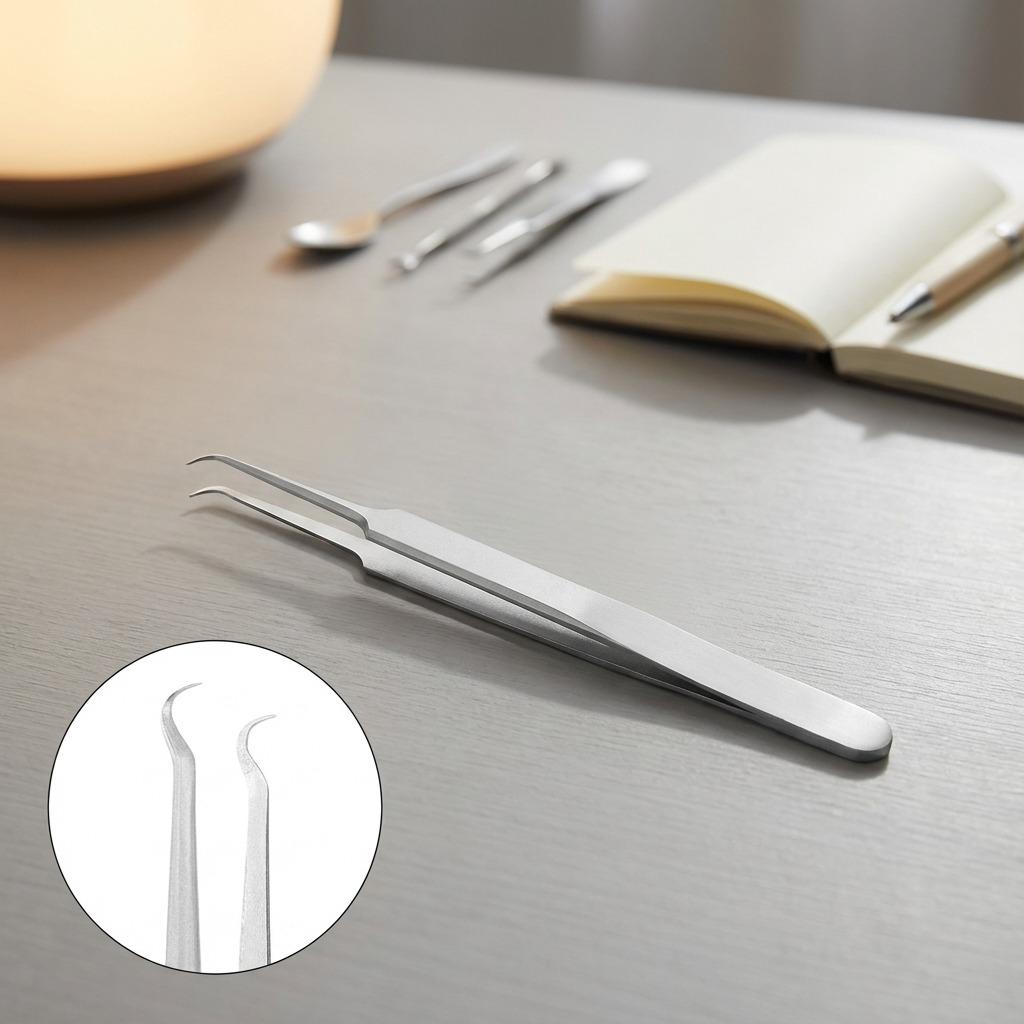
Custom Tweezers for Precision Grooming and Beauty Tool Sourcing
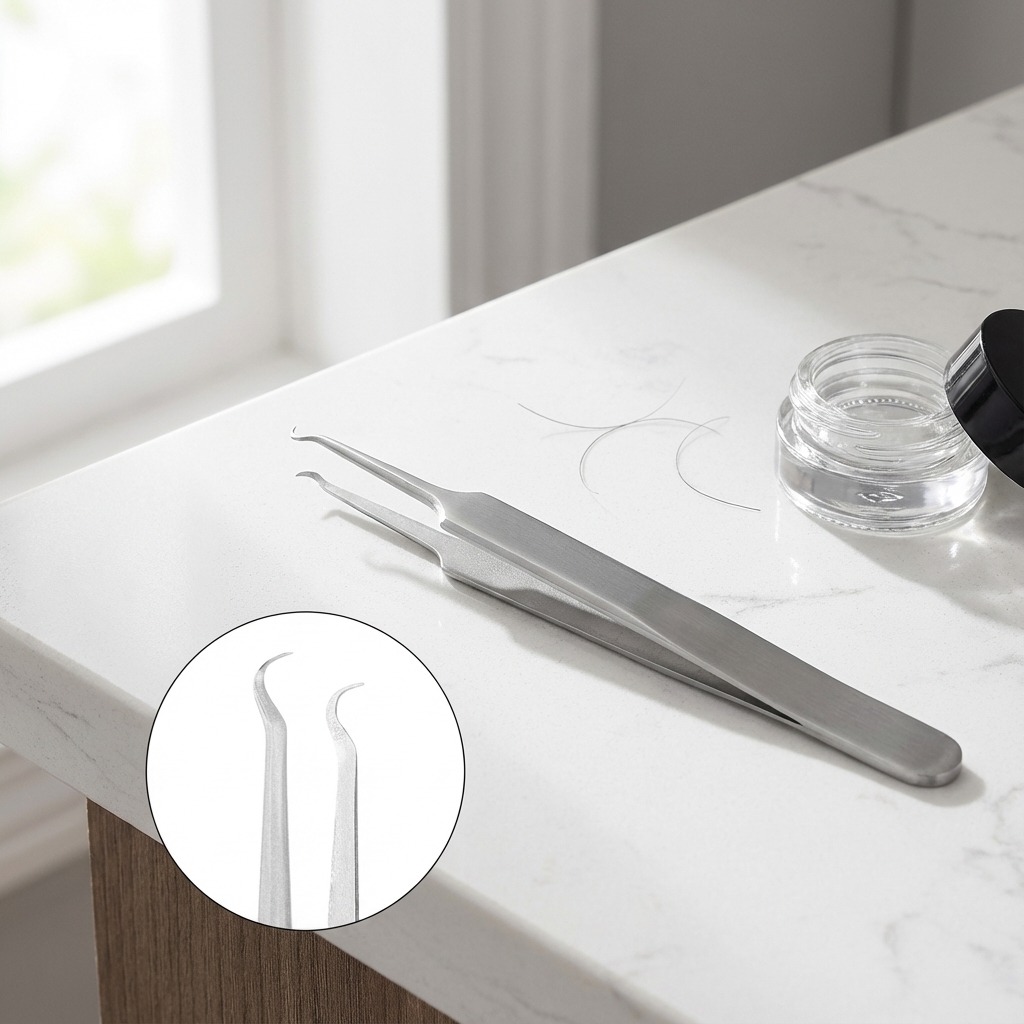
Custom tweezers are small beauty tools, but they strongly affect grooming accuracy, salon comfort and retail customer satisfaction. For eyebrow shaping, eyelash extension work, facial hair removal and beauty kits, the right tweezer should close evenly, grip fine hairs securely and feel controlled in the hand. A visually attractive tool is not enough if the tips slip, the handle feels unstable or the finish is rough.
This guide explains how beauty brands, salon suppliers, distributors and private label buyers can evaluate custom tweezers before adding them to a product range. It focuses on practical sourcing decisions: tip shape, closure, stainless steel construction, ergonomic handling, finish quality, packaging protection, inspection points and supplier communication. Olimor Beauty supplies beauty tools where precision and usability matter, and buyers can review broader options through the Olimor beauty tool range when planning a coordinated assortment.
What Makes Custom Tweezers Different from Standard Tweezers?
Standard tweezers are usually selected from existing shapes, finishes and packaging styles. Custom tweezers give buyers more control over the details that affect both function and presentation. Depending on project requirements, customization may include tip type, handle shape, surface texture, color direction, logo placement, packaging structure or set composition.
The most important rule is simple: customization should support the intended use. A brow tweezer should help the user isolate individual hairs without blocking visibility. A lash tweezer should support controlled pickup or placement without forcing the wrist into an awkward angle. A retail grooming tweezer should be durable, intuitive and protected well enough to arrive with its tips aligned.
For B2B buyers, custom tweezers can also help build a consistent beauty-tool line. A salon program may need repeatable tools for technicians. A retailer may need a compact item for a brow kit or travel grooming set. A distributor may need a practical model that works across multiple channels without excessive complexity. In each case, the tool must perform before branding is finalized.
Start with the Use Case, Not the Finish
The best custom tweezer design depends on the primary user and the task. Buyers often compare color, logo position and packaging first, but performance choices should come earlier. The tip style, spring tension and hand feel determine whether the product will actually satisfy professionals and consumers.
Eyebrow shaping
For eyebrow shaping, the tweezer should grip fine and short hairs cleanly. Angled tips are widely used because they offer visibility and control, while curved or specialty tips may help when the user needs access at a specific angle. The tips should meet evenly along the intended contact area and should not pinch the skin because of gaps or crossing.
Eyelash extension and false lash work
Lash work requires control over lightweight and delicate materials. Ultra-fine curved tips can be useful for isolation, pickup or placement, depending on the technician's habits. The handle should feel stable under small movements, and the closing action should be smooth enough for repeated use without hand strain.
General facial hair removal and retail grooming kits
For everyday grooming kits, versatility matters. The tool should be easy for non-professional users to understand, comfortable to hold and durable enough for storage in a cosmetic pouch, bathroom drawer or travel kit. Protective packaging is especially important because bent tips can make an otherwise good tweezer perform poorly.
Salon and wholesale supply
Professional users may open and close tweezers repeatedly during service. For salon supply and wholesale programs, buyers should compare several samples, not just one. Consistent spring tension, tip shape, finish and packaging protection matter because batch variation can create complaints even when the approved sample looked acceptable.
Key Selection Criteria for Custom Tweezers
A reliable custom tweezer is the result of several details working together. Material matters, but material alone does not guarantee precision. A stainless steel body with misaligned tips still fails the main job. Use the following criteria when preparing a specification or comparing supplier samples.
- Tip alignment: The two tips should meet evenly without visible gaps, crossing or uneven contact points.
- Tip style: Angled, pointed, flat, curved and specialty tips serve different grooming and beauty tasks. Match the shape to the intended use.
- Closure feel: The tweezer should close smoothly with controlled resistance. Too much stiffness can cause fatigue, while weak tension can feel unstable.
- Grip surface: A secure hand feel helps when the tool is used with gloves, skincare residue or under bright salon lighting.
- Edge finishing: Tips should be precise but not rough. Burrs, sharp unfinished areas or rough logo edges can affect comfort and safety.
- Surface finish: Polished, matte, textured or colored finishes should be checked for even appearance and compatibility with normal handling and cleaning.
- Packaging fit: Packaging should protect the tips from bending, rubbing or piercing the package during shipping and storage.
- Batch consistency: Multiple pieces should show similar shape, spring tension, closure and finish, especially for retail and wholesale orders.
Comparison Table: Matching Tweezer Features to Buyer Needs
| Buyer need | Features to prioritize | What to check in samples | Common sourcing risk |
|---|---|---|---|
| Eyebrow shaping tool | Even closure, angled or controlled tip shape, comfortable spring tension | Check whether the tips catch fine and short hairs without repeated attempts | Attractive finish but weak grip or uneven tip contact |
| Eyelash application tool | Ultra-fine curved or specialty tips, stable handle, smooth closing action | Confirm the curve and tip length suit isolation, pickup or placement habits | Tips are too rough, too flexible or inconsistent across pieces |
| Retail grooming kit | Versatile shape, durable finish, clear packaging and tip protection | Review appearance, ease of use and whether the package prevents tip damage | Packaging looks good but allows bending during transport |
| Professional salon supply | Batch consistency, corrosion-resistant finish direction, ergonomic feel | Open and close several samples repeatedly and compare spring tension | One approved sample performs well but production pieces vary |
| Private label beauty range | Functional base model, controlled logo placement, coordinated finish | Approve performance first, then confirm branding and package details | Decoration interferes with grip or creates rough edges |
Tip Types and Practical Use Cases
Tip shape is the most visible performance decision. If the tips do not align well, users may miss fine hairs, pinch skin or need repeated pulling. A buyer does not need to overcomplicate the choice; the best starting point is to define the main task and then test samples under realistic conditions.
- Angled tips: Often suitable for eyebrow shaping, general grooming and precise hair removal. Check closure across the full angled edge.
- Pointed or fine tips: Useful for detail work and small-component handling. They require careful finishing and clear user expectations because the tip is more delicate.
- Flat tips: Practical for gripping wider surfaces or thicker hairs, but usually less ideal for ultra-fine brow shaping.
- Curved or specialty tips: Useful for lash placement, application support or controlled access around the brow area. They should be chosen for a defined beauty task, not just for appearance.
For personalized tweezers, the working shape should be approved before surface color, package artwork or logo details. A strong visual design cannot correct poor alignment or uncomfortable tension.
Stainless Steel, Finish and Hygiene Considerations
The supplied product direction for Olimor tweezers includes stainless steel construction, ergonomic design, curved tips, even closure and corrosion-resistant finish direction. Stainless steel is commonly used for beauty tools because it can support durability, clean appearance and practical resistance to repeated handling when properly processed. Buyers should still inspect the finished tool carefully because steel selection is only one part of performance.
Surface finish affects both presentation and use. A polished finish can look clean and premium, while a matte or textured surface may reduce visible fingerprints and improve handling. Coated or colored options should be reviewed for even coverage, edge cleanliness and resistance to normal handling. If logo marking is required, confirm that placement does not interfere with the grip area or create a rough edge.
Hygiene should be addressed through user instructions, packaging and buyer expectations. Tweezers should be cleaned before and after use, especially in professional settings. Users should avoid dropping the tool, store it dry and protect the tips. Beauty businesses should also follow applicable local salon sanitation rules or public health guidance. Where inspection sampling is used, buyers may reference standards such as ISO 2859-1 as a framework for sampling procedures, but they should verify the applicable version and request supplier documentation for the specific project. This does not imply that any supplier holds a certification unless that documentation is provided and verified.
Quality Checks Buyers Should Not Skip
Quality control for tweezers must be practical. Because the tool is small, minor defects may be easy to miss until the user tries to grip a hair or lash. Buyers should define what acceptable means before production and compare production samples against the approved reference.
- Inspect raw material and finish expectations: Confirm that the batch matches the agreed material direction, surface appearance and color requirements.
- Check tip closure under good lighting: Look for gaps, asymmetry, crossed tips, burrs or uneven contact points.
- Test realistic grip: For brow tools, check whether the tweezer catches fine hairs cleanly. For lash tools, test pickup or placement movements that match the intended service.
- Open and close repeatedly: The movement should feel smooth and consistent without scraping, twisting or excessive stiffness.
- Compare multiple pieces: Review several samples for spring tension, tip shape, surface finish and logo position.
- Review edge and body finishing: The handle should not have rough areas that irritate the hand during repeated use.
- Confirm packaging protection: Fine tips need protection during storage, shipping and retail display.
Olimor emphasizes inspection from raw materials through final packaging for beauty-tool projects. Buyers can discuss specifications and sample evaluation through a custom tweezer inquiry when preparing a sourcing brief.
Customization Options That Should Not Hurt Performance
Personalized tweezers can help a beauty brand stand out, but every customization choice should be checked against function. Color, logo position and packaging style are valuable only when the tool still grips accurately and feels comfortable.
Common customization discussions include body shape, handle texture, finish direction, color, logo placement and package presentation. For salon distribution, buyers may prefer a minimal and professional appearance. For beauty retail, a more consumer-friendly package may be important. For promotional beauty kits, portability and clear presentation may matter most. In all cases, the tip alignment, closure and hand feel remain the foundation.
When building a full range, it helps to compare tweezers with related beauty tools so the assortment feels intentional. Buyers can review Olimor product collections to consider how tweezers may fit into brow, lash, travel grooming or cosmetic tool programs.
How to Evaluate a Custom Tweezer Supplier
A supplier evaluation should combine product performance, communication and process control. The lowest quoted cost is not always the best value if the tool needs repeated sampling, creates returns or arrives with damaged tips. Cost factors often include material direction, finish complexity, tip style, logo process, packaging structure, inspection requirements and order details. Buyers should ask suppliers to explain these factors rather than relying only on a unit price.
Useful supplier questions include:
- What tip styles and handle designs are available for the intended beauty use?
- How are tip alignment, closure feel and edge finishing checked during production?
- Can samples be reviewed before confirming final branding and packaging?
- How will the packaging protect fine tips during transport and storage?
- What customization options could affect grip, finish durability or production consistency?
- What documents, specifications or inspection records can be provided for the project?
For importers, distributors and private label buyers comparing a China tweezers exporter, clear specifications are essential. Define the use case, approved sample, finish expectations, packaging requirements and inspection points before confirming production. This reduces misunderstanding and helps both sides evaluate the same standard.
Building a Better Beauty Tool Assortment
Tweezers are often a small item in a larger beauty line, but they influence how customers judge the overall kit. A well-made tweezer can make a brow set, lash kit or travel grooming package feel practical and complete. A poor tweezer can make the entire assortment feel less reliable, even if the packaging looks polished.
For retail and salon channels, consider how the tweezer will be presented and used. Will it be sold alone, paired with scissors or brow tools, added to a lash kit, or included in a promotional beauty set? Does the package explain the intended use clearly? Is the tip protected? Does the finish match other tools in the range? These questions help create a product that works beyond the first visual impression.
If you are planning a sourcing project, Olimor can help discuss practical tool selection, customization direction and packaging considerations. Use the Olimor contact page to start a restrained, specification-based conversation.
FAQ
Can buyers request samples before ordering custom tweezers?
Samples are commonly used to confirm tip alignment, hand feel, finish and packaging direction before final production decisions. Buyers should use samples to test the intended task, not only to review appearance.
Is there a fixed MOQ for customized tweezers?
MOQ depends on the selected design, finish, logo process, packaging and project requirements. Buyers should share the intended use and customization plan so the supplier can respond with the relevant conditions.
What customization options are usually discussed?
Typical discussions include tip style, handle shape, surface texture, finish color, logo placement and packaging. Performance should be approved first so decoration does not interfere with grip or comfort.
How should buyers check quality before shipment?
Buyers should confirm alignment, closure, spring tension, surface finishing, logo quality and packaging protection. Reviewing multiple pieces against the approved sample is more reliable than checking only one item.
What affects lead time for a custom tweezer project?
Lead time can be affected by sampling, finish selection, packaging development, customization complexity, inspection requirements and order details. Buyers should confirm timing with the supplier for the specific project rather than assuming a standard schedule.
Tag: