

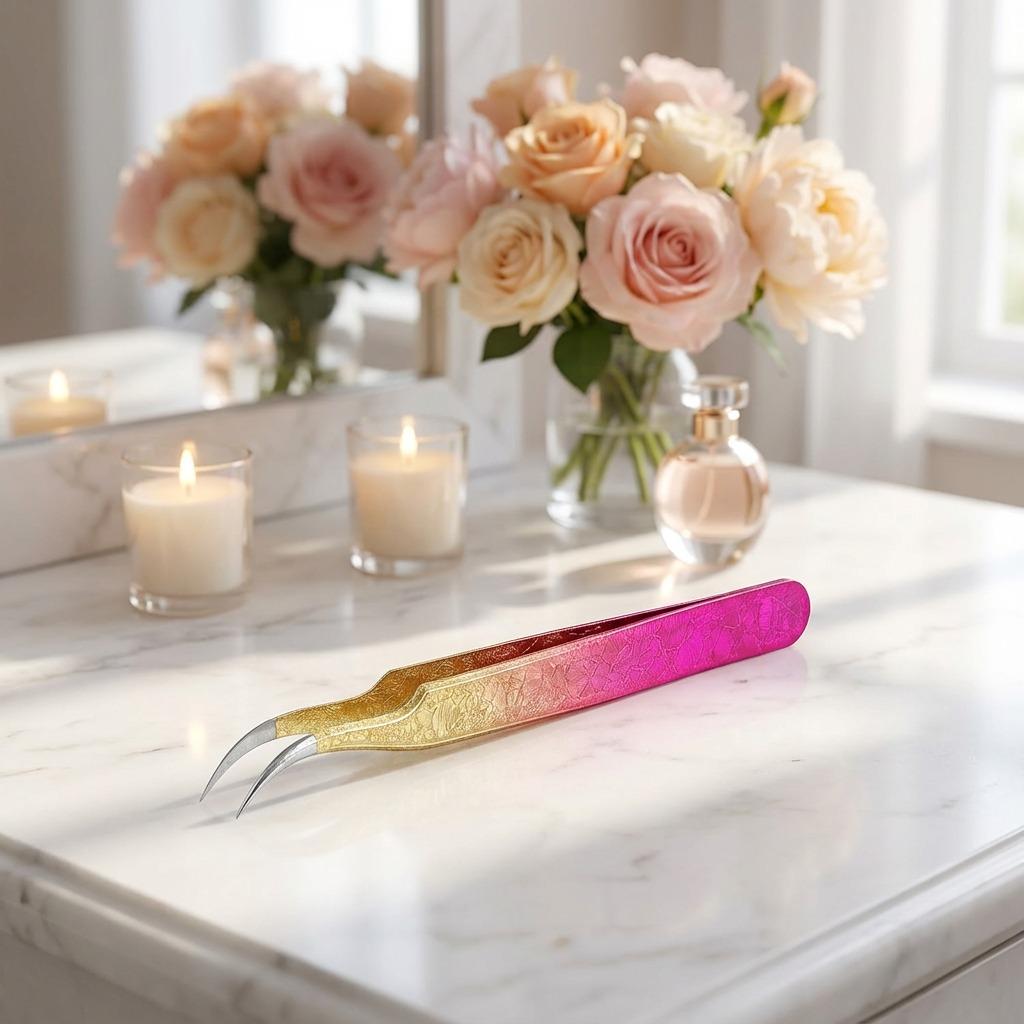
Custom Tweezers for Beauty Brands: How to Choose Precision Tools That Fit Your Market
Custom tweezers may look simple at first glance, but for beauty brands, salons, lash artists and distributors, they are one of the most detail-sensitive tools in a kit. A good pair should grip cleanly, feel balanced in the hand and hold up to frequent use without losing alignment. Poorly chosen tweezers can pinch unevenly, slip on fine hairs, fatigue the hand or create inconsistent results during brow shaping and lash application.
Olimor Beauty supplies custom tweezers for buyers who need reliable beauty tools with OEM design options. The goal is not only to create a visually attractive product, but also to match the tweezer structure, finish and packaging direction to the way the tool will actually be used. Whether you are building a private-label brow kit, sourcing tools for salon retail or comparing suppliers for export, the following guide explains what to evaluate before placing an order.
Why Custom Tweezers Matter in a Beauty Tool Line
Tweezers often become a repeat-use product: customers keep them in makeup bags, salon drawers, lash stations and travel kits. Because they are handled closely and used for precise work, small design decisions have a noticeable effect on customer satisfaction. The closing tension, tip shape, surface finish and body width all influence how natural the tool feels in use.
For a beauty brand, custom tweezers can also support a more consistent product range. A color finish that matches other accessories, a branded pouch, or a tool shape selected for a specific use case can help the product fit into a broader retail story. However, customization should never come at the expense of basic performance. A beautiful finish will not compensate for weak grip or misaligned tips.
Buyers comparing beauty tool products should start by defining the primary use. Eyebrow tweezers, lash applicator-style tweezers and general grooming tweezers may share a category, but they are not always interchangeable. The right structure depends on the intended customer and task.
Choosing the Right Tweezer Tip for the Job
The tip is the most important working area of any tweezer. It determines how the tool contacts hair, lashes or small beauty accessories. When developing OEM custom tweezers, buyers should avoid selecting a tip style only because it looks familiar. Instead, match the tip to the performance need.
| Tip style | Typical beauty use | Buyer considerations |
|---|---|---|
| Slanted tip | Eyebrow shaping and general hair removal | Check edge contact, grip consistency and comfort for repeated plucking. |
| Pointed tip | Fine-detail grooming and isolating small hairs | Requires careful alignment; tips should meet accurately without feeling sharp in an unsafe way. |
| Flat tip | Holding wider items or general utility tasks | Useful for controlled holding, but may not grip very fine hairs as well as angled tips. |
| Curved or applicator-style tip | Lash placement and delicate positioning work | Assess visibility, hand angle and whether the curve helps users place items accurately. |
For retail brow tools, a slanted tweezer is often easier for a broad audience to use. For professional lash work, curved prongs or ultra-fine tips may be more suitable because the user needs to position lashes with accuracy rather than simply remove hair. If your product line serves multiple user groups, it may be better to offer separate tools rather than expect one tweezer to handle every task well.
Stainless Steel, Corrosion Resistance and Daily Use
The supplied product information highlights stainless steel as a key material for Olimor Beauty custom tweezers, valued for durability and resistance to corrosion. For beauty tools, this matters because tweezers are handled frequently, cleaned regularly and often stored in humid environments such as bathrooms, salons and treatment rooms.
When evaluating stainless steel tweezers, buyers should focus on practical performance rather than broad material claims. The tool should feel firm without being difficult to squeeze. The arms should return evenly after pressure is released. The tips should meet cleanly, with no visible gap at the working edge. Surface finishing should be smooth enough for comfortable handling and easy wiping.
Useful evaluation points include:
- Tip alignment: Both sides should close evenly and contact at the intended gripping point.
- Grip strength: The tweezer should hold fine hairs or lashes without excessive squeezing.
- Hand comfort: Edges and body shape should not dig into the fingers during repeated use.
- Finish consistency: Color, polish or coating should look even across the visible surface.
- Cleaning compatibility: The surface should be easy to wipe and should not trap residue around decorative features.
These checks help buyers separate decorative samples from tools that can perform in everyday beauty settings.
OEM Customization Without Losing Function
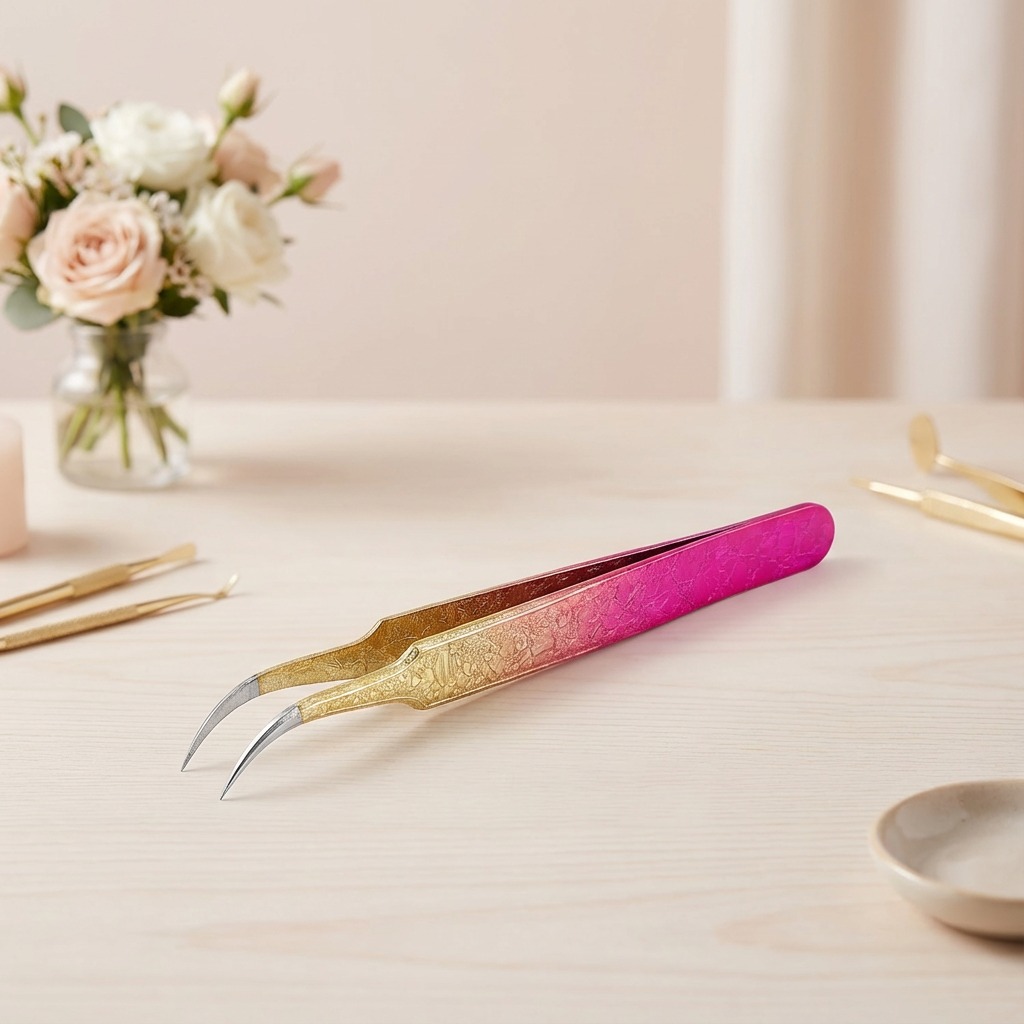
OEM custom tweezers give beauty brands room to create a distinctive product, from color direction to branding and packaging presentation. The original product information notes options such as bespoke designs, gradient color schemes and ultra-fine tips for delicate tasks. These choices can be valuable when they are tied to a clear market purpose.
For example, a salon retail tweezer may benefit from a premium-looking finish and simple branded packaging that customers can understand quickly. A professional lash tool may require a more specialized tip shape and a finish that reduces visual distraction under close working conditions. A travel grooming kit may prioritize compact packaging and a protective cap or sleeve to help preserve tip alignment in storage.
Before confirming an OEM direction, define the product brief in writing. Include who will use the tweezers, where they will be sold, what task they support and what visual style is required. This reduces confusion when comparing samples. If you are building a wider range, review related product collections to make sure the tweezer design does not feel disconnected from the rest of your beauty tool assortment.
Quality Checks for Importers, Distributors and Salon Buyers
As a China tweezers exporter, Olimor Beauty describes a process that includes quality checks from raw materials to final packaging. For buyers, the most useful approach is to create a clear inspection standard before bulk production. This does not need to be complicated, but it should reflect how the product will be judged by end users.
- Check the sample against the intended task. Test the tweezer on the type of work it is meant for, such as brow shaping, lash placement or general grooming.
- Review closing tension across several pieces. A sample that feels excellent once is not enough; consistency across units matters.
- Inspect the tips under good lighting. Look for gaps, uneven edges, rough points or misalignment.
- Assess finish and logo placement. Branding should be legible and positioned correctly, and decorative finishes should appear even.
- Confirm packaging protection. Tweezers need protection during shipping and storage so the tips remain aligned.
These checks are especially important for private-label tools because customers associate the tool’s performance with your brand, even when manufacturing is outsourced.
Packaging and Sourcing Decisions That Affect the Final Product
Packaging is not only a marketing choice. It affects perceived value, retail handling and protection. A basic pouch, box or sleeve may be enough for some channels, while premium retail programs may require a more polished presentation. The key is to match packaging to the sales environment. Online buyers may care about safe delivery and clear product details. In-store buyers may respond more to display appearance and easy comparison between tool types.
When sourcing custom tweezers, prepare a checklist that covers both appearance and function:
- Target customer: professional, salon retail, mass retail, travel kit or gift set.
- Main use: brow shaping, lash application, fine-detail grooming or general beauty use.
- Preferred tip style and working angle.
- Body finish, color direction and branding requirements.
- Packaging format and protection for tweezer tips.
- Inspection criteria for alignment, tension, surface finish and cleanliness.
This type of brief makes it easier to compare samples and communicate requirements. It also helps prevent common sourcing mistakes, such as choosing a finish before confirming whether the tweezer grips properly.
How to Start a Custom Tweezer Project with Olimor Beauty
A successful custom tweezer project begins with practical decisions: what the tool is for, how it should feel in the hand and how it will be presented to the buyer. Olimor Beauty works with custom tweezers and OEM options for buyers seeking precision beauty tools with export support. The strongest projects usually combine a clear product brief, realistic performance expectations and sample review before final confirmation.
If you are comparing designs or planning a private-label beauty tool range, prepare reference details such as desired tip type, finish direction, logo placement and packaging style. You can send an inquiry with your project requirements or contact Olimor to discuss custom tweezer sourcing for your market.
Custom tweezers should be judged by more than appearance. The right product balances stainless steel durability, comfortable handling, accurate tip alignment and a design that fits the user’s task. With a thoughtful selection process, buyers can develop tweezers that look professional, perform reliably and support a stronger beauty tool offering.
Tag: