

Custom Tweezers for Beauty Brands, Salons and Grooming Kits
Custom tweezers may look like a small item in a beauty range, but they often become one of the most frequently used tools in a grooming kit. For eyebrow shaping, removing fine facial hairs, handling beauty accessories or building a branded retail set, a tweezer needs to feel precise, balanced and reliable in the hand. Personalization adds another layer: color, finish, logo placement and packaging all influence whether the tool looks appropriate for a salon, a boutique cosmetics brand or a professional kit.
Olimor Beauty works with beauty tool buyers who need practical options rather than vague decoration ideas. The goal is not only to make tweezers attractive, but to make sure the tip, tension, grip and finish match the way the product will be used. This guide explains how to evaluate custom tweezers, what to check before placing an order, and how to think about sourcing from a China tweezers exporter without relying on assumptions.
What Makes a Custom Tweezer Worth Producing?
A custom tweezer should solve a clear commercial or practical need. For a retail beauty brand, the purpose may be to create a recognizable accessory that fits an existing color palette. For a salon or brow studio, customization may focus more on grip comfort, easy identification between workstations and dependable hair removal. For gift sets, the tweezer must coordinate with other items and packaging while still performing well when the customer opens the kit.
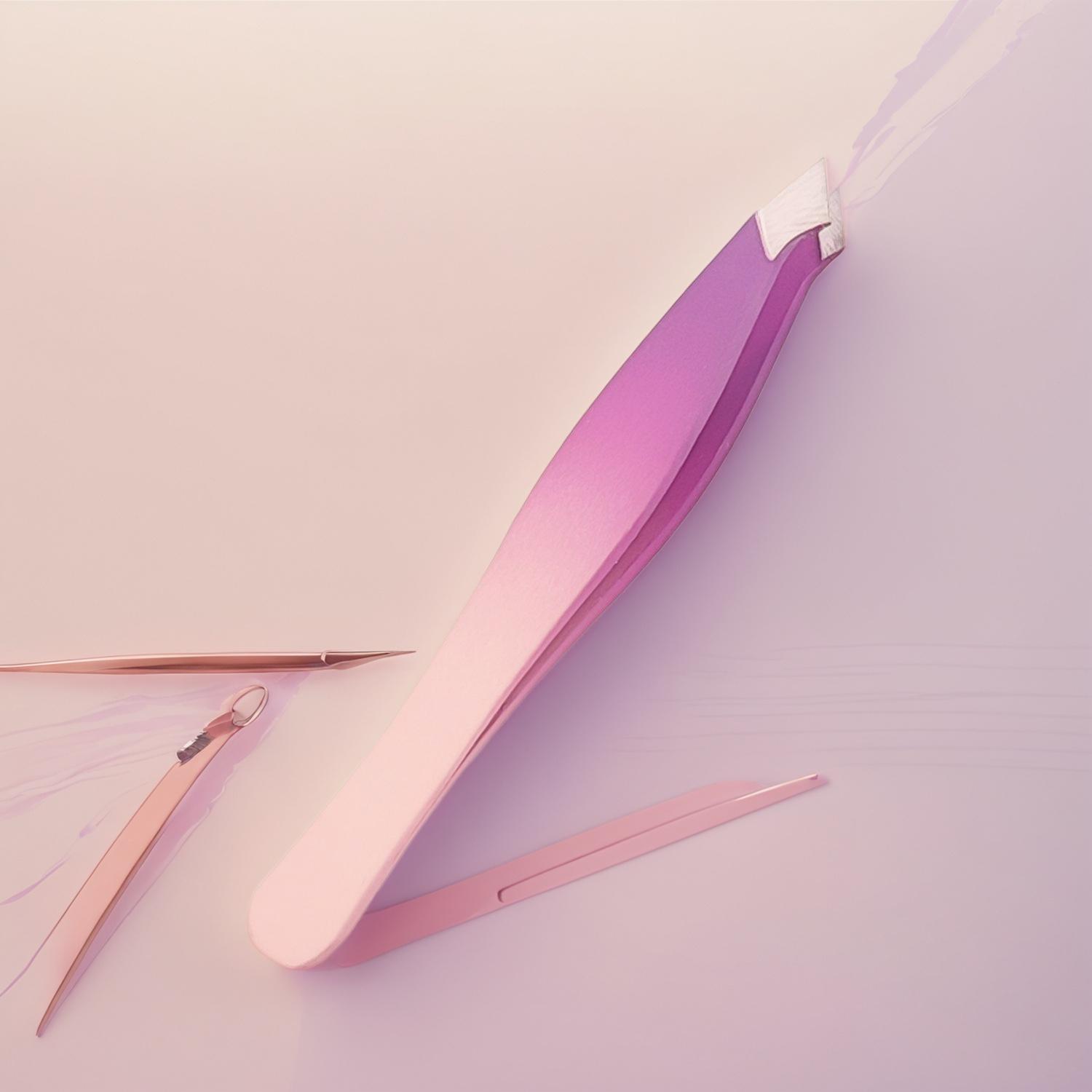
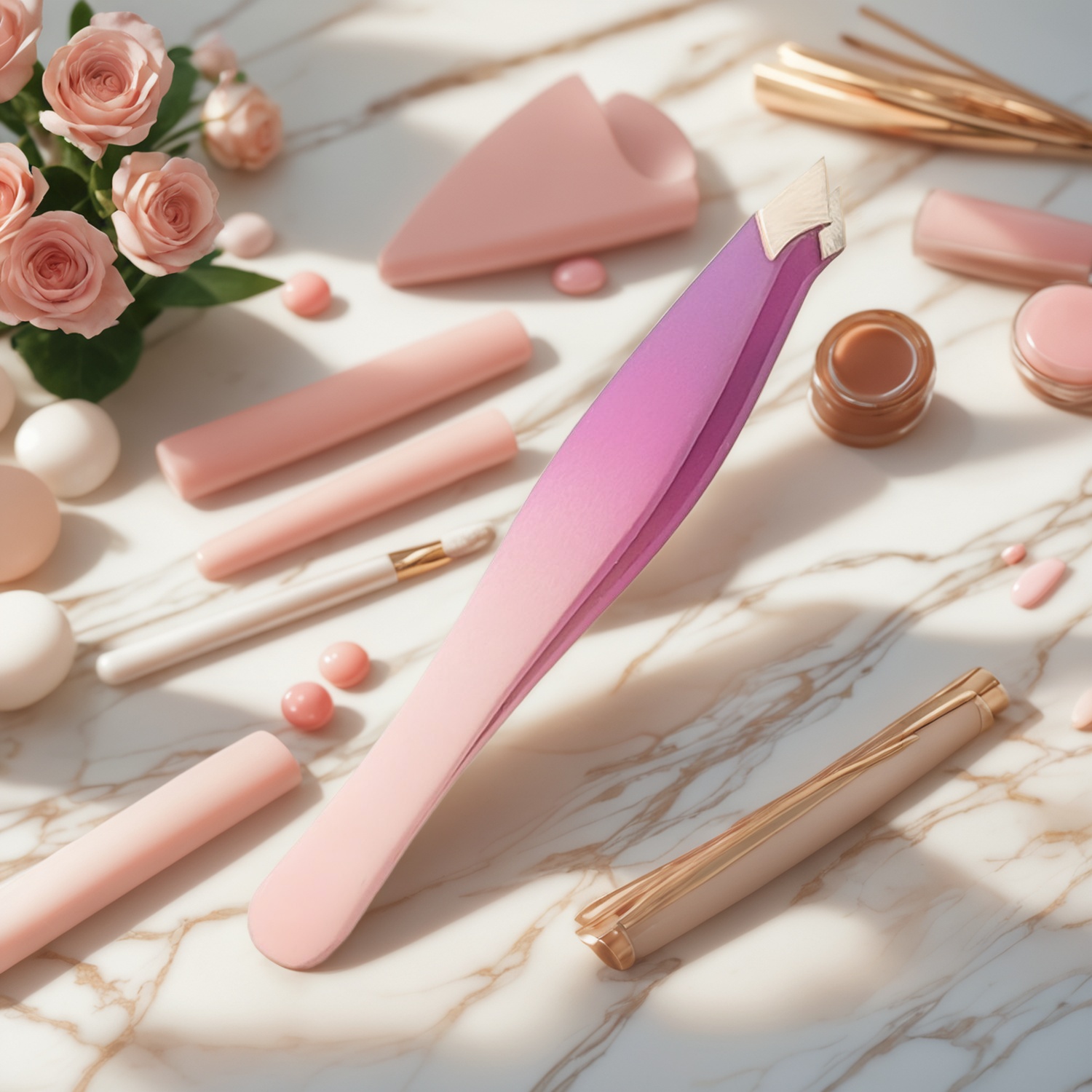
The original appeal of personalized tweezers is simple: they combine daily usefulness with visible brand identity. A color gradient, such as a transition from soft pink to vibrant purple, can help the tool stand out in product photography and countertop displays. Engraving or printing can add a name, logo or short message. However, appearance should not come at the expense of alignment, closing tension or tip quality. A tweezer that looks beautiful but cannot grip fine hair cleanly will quickly create customer complaints.
When reviewing options, start with the user. Home users often appreciate comfortable tension and a versatile slant tip for brows and stray facial hairs. Professionals may prefer consistent closing force and easy cleaning. Retail buyers need repeatable appearance across batches, stable packaging presentation and a surface finish that resists obvious handling marks during display and shipping.
Tip Shape, Alignment and Grip: The Performance Details
The supplied product information highlights stainless steel construction and slant tips, which are common choices for general grooming because they offer a useful balance between precision and ease of use. A slant tip can approach the skin at a comfortable angle, making it suitable for shaping eyebrows, removing stray hairs and handling many day-to-day grooming tasks. For most branded beauty kits, this is often the safest and most familiar tweezer style.
Performance depends on more than the tip label. The two arms need to meet evenly at the end, and the gripping edge should close without a visible gap. Tension should feel controlled: too loose and the user needs to squeeze repeatedly; too stiff and the hand tires quickly. The edges should feel refined enough for close work without feeling sharp or rough against the skin.
| Selection point | Why it matters | What to check |
|---|---|---|
| Tip alignment | Determines whether fine hairs can be gripped cleanly | Close the tweezer under light pressure and check whether the tips meet evenly |
| Slant angle | Affects comfort during eyebrow shaping | Test the angle against typical brow grooming motions |
| Arm tension | Influences fatigue and control | Compare samples for consistent squeeze force |
| Surface finish | Supports appearance, cleaning and brand perception | Look for smooth coating, even color and no obvious burrs |
| Logo area | Impacts readability and durability of branding | Confirm that the logo does not interfere with grip or tip function |
Personalization Options That Serve the Product
Personalized tweezers can include color finishes, gradient effects, engraved marks, printed logos and packaging coordination. The Color Gradient Precision Tweezers described for Olimor Beauty show how a soft pink to vibrant purple finish can give a simple grooming tool a distinctive visual identity. This type of effect is useful for brands that want a feminine, giftable or photo-friendly accessory without changing the basic function of the tweezer.
Before deciding on a custom design, consider where the product will be sold and how it will be handled. A glossy finish may photograph well, while a more understated finish may suit a professional kit. A large logo can be effective for promotional use, but a smaller mark may look more refined in a premium beauty set. If the tweezer will be paired with scissors, lash tools, nail tools or travel pouches, color consistency across the set becomes more important.
- For salon use: prioritize grip comfort, easy identification and finishes that are practical to wipe and maintain.
- For retail packaging: focus on visual consistency, logo readability and a finish that looks appealing through the package window or in product images.
- For gift sets: coordinate color, insert fit and protective sleeves so the tweezer arrives neatly presented.
- For promotional campaigns: keep branding clear, but avoid placing decoration where fingers need traction.
Quality Checks Before Approving a Custom Tweezer
Quality control should begin at the sample stage. A buyer does not need to know every manufacturing detail to evaluate whether a tweezer is suitable. Simple, repeatable checks can reveal most practical problems. Inspect the tip under good lighting, close it several times, and test it on different hair thicknesses if appropriate. Check the surface for uneven coating, scratches, rough edges or color inconsistencies.
Packaging should be checked at the same time as the tool. A good tweezer can still disappoint customers if it shifts during transport, rubs against another item or arrives with a damaged tip. Protective caps, sleeves, trays or cards should hold the tweezer securely. If the tool is part of a set, make sure it can be removed easily without bending the arms or scraping the finish.
- Review the sample appearance against the approved color, logo position and finish expectations.
- Test tip closure from different pressure levels to see whether the grip remains even.
- Check several pieces, not only one sample, to understand consistency.
- Confirm that packaging protects the slant tips during shipping and display.
- Document approved details with clear photos so future production can be compared objectively.
Sourcing From a China Tweezers Exporter: Questions That Matter
Working with a China tweezers exporter can be efficient for brands that need customization and repeatable supply, but the best results come from clear specifications. Instead of asking only for a general “custom tweezer,” define the intended user, the required finish, the logo method, the packaging format and the acceptance criteria for tip alignment. This helps both sides evaluate whether the sample is suitable before moving forward.
Olimor Beauty describes internal quality control from raw material selection to final packaging, which is important because tweezers depend on small tolerances. Buyers should treat quality as a process, not a single final inspection. The more clearly the expectations are documented, the easier it is to avoid misunderstandings about color, tension, logo size or packaging presentation.
Useful sourcing questions include: What customization methods are suitable for the selected finish? How will the logo look on curved or narrow surfaces? How are tips protected before packaging? What reference sample will be used for production approval? What visual defects are unacceptable for the target market? These questions keep the discussion practical without assuming details such as capacity, pricing or certification that must be confirmed for each project.
You can review related beauty tool products to compare how different grooming items may fit into a branded set. If you are preparing a custom tweezer project, you can also send an inquiry with your preferred finish, logo concept and packaging direction.
Maintenance Advice for End Users and Retail Kits
A custom tweezer performs best when customers understand basic care. Even stainless steel tools should be kept clean and dry after use. The tips should not be used to pry, scrape hard surfaces or cut materials, because misalignment can reduce gripping performance. For brow studios and professional settings, cleaning routines should follow the salon’s hygiene process and local requirements.
For retail brands, adding short care instructions to the package or insert can reduce returns and improve the user experience. The message does not need to be complicated. Explain that the tweezer should be wiped after use, stored with tip protection when possible and kept away from heavy objects that may bend the arms. If the product includes a protective cap, show customers how to replace it without forcing the tips apart.
Building a Better Custom Tweezer Brief
The best custom tweezer projects start with a concise, practical brief. Include the target market, intended use, preferred color direction, logo file, packaging idea and any sample references. If the tweezer will be part of a set, mention the other items so the finish and proportions can be considered together. If the tool is meant for eyebrow shaping and general facial hair removal, a stainless steel slant tip design is a logical starting point because it is familiar and versatile.
Custom tweezers are small, but they carry the details customers notice: whether the tips meet, whether the tension feels smooth, whether the finish looks consistent and whether the brand mark feels intentional. By treating personalization and performance as equal priorities, beauty brands, salons and kit suppliers can create tweezers that look distinctive and work reliably. To discuss specifications or compare options for a future order, contact Olimor with your project details and desired customization direction.
Tag: