

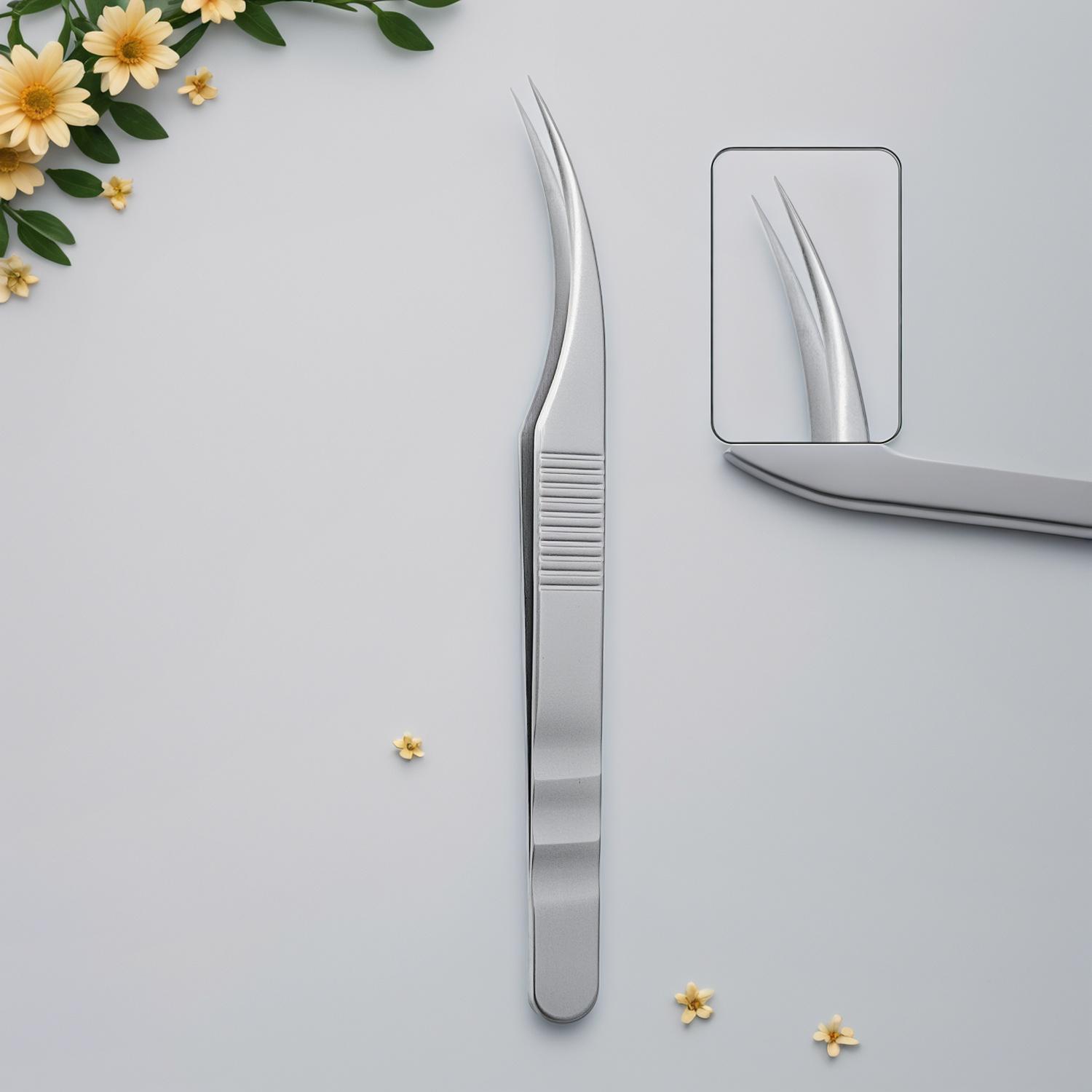
How to Buy Low-Cost Wholesale Tweezers Without Sacrificing Precision
Low-cost wholesale tweezers are a good purchase only when they stay precise, comfortable and presentable after real use. For lash artists, brow salons, beauty retailers, training academies, craft sellers and distributors, the best value is not simply the lowest unit price. It is the tool that grips consistently, arrives protected, looks suitable for resale and can be reordered with predictable specifications.
Olimor Beauty supplies stainless steel precision tweezers for professional and retail beauty-tool buyers who need practical bulk value. The key sourcing question is not, Which tweezer is cheapest? It is, Which affordable tweezer matches the user’s work without creating avoidable complaints, replacements or inspection waste?
This guide explains how to compare wholesale tweezers by tip shape, material, finish, handling, packaging and supplier communication. It is written for B2B buyers who need to make a commercial decision, request samples, evaluate a factory conversation or build a coordinated beauty-tool assortment.
What Cheap Wholesale Tweezers Should Really Mean
In beauty-tool sourcing, cheap should mean efficient, not disposable. A well-chosen low-cost tweezer can support salon services, student kits, retail packs and distributor catalogs. A poorly chosen one can create hidden costs through uneven tips, rough edges, weak grip, inconsistent tension or damage during transit.
The real cost of wholesale tweezers includes more than the quote. Buyers should consider inspection time, rejected pieces, customer returns, repacking labor, user dissatisfaction and difficulty repeating the same order later. If a salon technician has to test every tool before use, or a retailer receives complaints that the tips do not meet cleanly, the low headline price quickly loses its value.
For beauty applications, the most useful value indicators are practical and testable. The tips should close evenly at the intended contact point. The body should feel stable without being either flimsy or overly stiff. The surface should be clean enough for routine handling and professional presentation. The grip area should help the user control pressure during repeated detailed work.
Stainless steel is commonly used for durable beauty tweezers because it can be finished smoothly and, when properly maintained, supports resistance to corrosion and staining. However, buyers should not judge the tool by material name alone. Tip geometry, edge finishing, surface consistency and batch repeatability are just as important as the base material.
Match Tweezer Shapes to Real Beauty and Detail Work
The most important difference between tweezer styles is the working angle. Tip shape affects visibility, wrist position, pickup control and the type of task the user can perform comfortably. A single universal style may be enough for a basic retail grooming item, but lash professionals and training kits often benefit from multiple shapes.
Olimor Beauty’s described precision tweezer options include straight, curved, angled, hooked and pointed shapes. The supplied range includes lengths from 126mm to 136mm, with a consistent 10mm grip width across the listed styles. That consistent width is useful for assortment planning because customers can move between shapes without a completely different hand feel.
| Tweezer style | Listed size | Best-fit uses | Buyer notes |
|---|---|---|---|
| Straight precision tweezers | 130mm x 10mm | Detail work, isolation and general gripping | Non-slip ribbed grips support steadier handling during close work. |
| Curved precision tweezers | 136mm x 10mm | Lash placement and access around natural contours | The curved profile can help reduce awkward wrist positioning during longer sessions. |
| Angled precision tweezers | 131mm x 10mm | Visibility-focused brow, lash or detail applications | Useful when the user needs the hand slightly out of the direct line of sight. |
| Hooked precision tweezers | 127mm x 10mm | Versatile reach and controlled pickup | A practical addition for technicians who switch between fine placement tasks. |
| Pointed precision tweezers | 126mm x 10mm | Fine-grip work, small parts and delicate selection | Best for users who prioritize narrow tip access and exact contact. |
For a brow-focused buyer, clean tip closure and comfortable tension may matter most. For a lash buyer, shape variety can be more important because isolation, pickup and placement may require different wrist angles. For a retailer, the assortment must also be easy to explain on a shelf or product page. For a distributor, the priority is often repeatable appearance, protective packaging and the ability to reorder the same specification.
Selection Criteria for Salons, Retailers and Distributors
Before requesting the cheapest wholesale tweezers, define the end user. A training academy may need affordable student kits with multiple shapes. A salon owner may prefer fewer styles but tighter consistency from piece to piece. A beauty retailer may need simple options customers can compare quickly. A distributor may need packaging flexibility, stable communication and repeatable finish across future orders.
- Tip alignment: Check whether the tips meet evenly from the front and side. Uneven contact reduces grip quality and frustrates technicians.
- Tip finish: The edge should be clean enough for precision work, without burrs or roughness that could scratch skin or damage delicate lash materials.
- Closing tension: The tweezer should close with controlled resistance. Too soft can feel unstable; too stiff can increase hand fatigue during repeated services.
- Grip texture: Ribbing or a secure grip area helps users maintain control, especially during long sessions or humid salon conditions.
- Surface finish: A clean, even finish supports professional presentation and easier routine cleaning. A brushed metal finish can reduce glare under bright lights and may improve perceived control.
- Assortment logic: Choose shapes according to customer demand instead of stocking every style without a clear reason.
- Packaging protection: Tip caps, sleeves or suitable protective packaging help prevent precision tips from being bent during shipping and storage.
If you are building a broader beauty-tool line, you can review Olimor Beauty beauty tool products to plan tweezers alongside related items instead of treating them as an isolated purchase.
How Stainless Steel, Finish and Hand Feel Affect Value
Tweezers are small tools with very little margin for poor finishing. A slight misalignment at the tip can change the entire user experience. A rough edge can make a product feel cheap even when the material itself is suitable. A body that flexes too much can make the user squeeze harder, while excessive stiffness can cause discomfort during long appointments.
The supplied Olimor tweezer range is described with stainless steel construction, practical rust resistance, ergonomic handling, balanced 10mm width, straight-edged and angled options, hand-finished grip and a brushed metal finish. These details matter because beauty professionals often judge a tweezer by how quickly it feels trustworthy in the hand.
For brow work, the tips need to catch fine hairs without slipping or breaking them. For lash extension work, the tool must help isolate and place materials with controlled hand movement. For craft and jewelry detail work, narrow tip access and firm closing action help users hold small parts without excessive pressure.
Buyers should also consider routine care. Stainless steel can support long service life, but tools can still be damaged by accidental drops, poor storage, contaminated surfaces or improper cleaning procedures. Retailers and salons can reduce complaints by explaining that precision tips should be protected, dried after cleaning where appropriate and stored so they do not knock against harder tools.
Wholesale Inspection Checklist Before Ordering in Bulk
A practical inspection checklist keeps supplier conversations focused on measurable quality instead of vague claims. Olimor Beauty describes quality checks from raw materials to packaging, and buyers can use the following checklist to define what they expect from samples and production lots.
- Confirm application: Decide whether the tweezers are mainly for eyebrow grooming, lash extension work, general beauty use, student kits, retail sale, jewelry handling or craft detail work.
- Review multiple samples: Test more than one piece where possible. A single good sample does not prove batch consistency.
- Check closing contact: Look for even tip meeting at the intended contact point, without a visible gap or twisting motion.
- Test hand tension: Open and close the tweezer repeatedly. The resistance should feel smooth, predictable and suitable for the user’s task.
- Inspect tip protection: Ask how delicate tips are protected during packing, shipping and warehouse storage.
- Review finish consistency: Compare visible surfaces, brushed finish, edge smoothness and grip texture across the sample group.
- Record approved details: Keep the style, size, finish, packaging preference and approved sample reference clear so reorders stay aligned.
For sampling plans or incoming inspection, some buyers reference standards such as ISO 2859-1 for acceptance sampling procedures. This does not mean every beauty-tool order must use that standard, and it does not imply a supplier certification. Buyers should verify the applicable version, inspection level and documentation requirements with their own quality team and supplier before relying on any standard.
How to Compare a Wholesale Tweezer Supplier
A reliable tweezer supplier should help buyers select tools that fit their market rather than pushing every customer toward the same item. The right conversation covers use case, assortment depth, finish expectations, packaging, samples and repeat-order communication.
When comparing suppliers, ask direct questions:
- Which tweezer shapes are suitable for brow grooming, lash application and general retail use?
- How are tip alignment and closing contact checked during production?
- What inspection is performed before packing?
- How are delicate tips protected during shipment?
- Can the same shape, finish and packaging preference be repeated in future orders?
- What customization options are possible without compromising the precision tip?
- How should samples be reviewed before approving a bulk order?
These questions help separate a low-price offer from a reliable B2B sourcing option. They also protect the buyer from overbuying unnecessary styles. In many cases, it is better to carry a few proven shapes than a large catalog of slow-moving tools.
Buyers planning a coordinated wholesale assortment can browse Olimor Beauty product collections to match tweezers with related beauty tools for the same buyer segment.
Cost Factors That Affect Wholesale Tweezer Pricing
Wholesale tweezer cost can vary for legitimate reasons. A useful price comparison should consider the complete specification rather than only the number on the quote sheet. Common cost factors include material selection, shape complexity, tip finishing, surface finish, grip design, packaging protection, customization requirements, inspection expectations and order communication needs.
For example, a basic retail tweezer with simple packaging may be lower cost than a multi-shape eyelash extension set with protective sleeves and more detailed presentation. A brushed surface, consistent grip area and carefully finished tips may also require more production control than a disposable-quality item. The right choice depends on where the product will be sold, how demanding the user is and how much after-sale risk the buyer can accept.
For B2B buyers, the most important commercial phrase is total usable value. A slightly higher-cost tweezer may be the better wholesale purchase if it reduces sorting, supports repeat purchases and looks credible in the end customer’s hand.
When a Multi-Shape Tweezer Assortment Makes Sense
A multi-shape assortment is useful when the customer base performs different tasks. Lash professionals may want straight, curved, hooked and pointed tools for isolation, pickup and placement. Training academies may need students to learn several angles. Retailers may test which style sells fastest in a market before committing to deeper inventory.
However, more styles are not always better. If your customer base mostly buys basic brow grooming tools, a focused angled or straight option may be easier to explain and manage. If your market includes salons, online retail and professional lash buyers, a structured assortment with clear use cases can increase perceived value without unnecessary decoration or packaging complexity.
Olimor’s Premium Stainless Steel Eyelash Extension Tweezers Set is described as a five-piece set with lengths from 126mm to 136mm, making it relevant for buyers who need several handling options rather than a single general-purpose tool. Buyers can compare this type of set with individual Professional Grade Curved Tip Tweezers depending on the channel and end user.
Practical Care Guidance to Reduce Complaints
Retailers and salons can add value by explaining how to care for precision tweezers. Even a well-made stainless steel tweezer can lose performance if the tips are bent, dropped or stored loosely with heavier tools. Simple guidance helps protect customer satisfaction after sale.
- Store tweezers with the tips protected when they are not in use.
- Avoid dropping precision tips onto hard surfaces.
- Clean and dry tools according to the user’s salon or local hygiene requirements.
- Do not force the tips against hard objects that could bend the alignment.
- Separate professional service tools from retail display samples where possible.
Beauty businesses should also follow applicable local health authority guidance for cleaning and sanitation in their market. Requirements can differ by location and service type, so buyers should verify the current rules and keep appropriate supplier documentation for their own compliance process.
Buying Process for Affordable Wholesale Tweezers
A disciplined buying process makes low-cost sourcing safer. Start with the application, then select shapes, review samples, confirm packaging and document the approved specification. This is especially important for professional lash and brow use, where small differences in tip contact can affect speed and accuracy.
- Define the buyer segment: Salon backbar, retail shelf, training kit, online resale, distributor catalog or craft detail use.
- Select required shapes: Straight and curved styles may cover basic professional needs, while angled, hooked and pointed styles create a fuller precision range.
- Request samples: Review alignment, tension, finish, grip and packaging protection by hand.
- Compare total value: Include defect risk, customer expectations, repacking needs and reorder consistency, not only unit price.
- Confirm customization carefully: Branding, packaging and assortment changes should not interfere with tip protection or professional handling.
- Keep records: Save approved sample details, style names, size references and packaging decisions for future orders.
To discuss sample options, assortment planning or wholesale customization, buyers can send details through the Olimor Beauty wholesale inquiry page. For a direct conversation about sourcing needs, use contact Olimor Beauty.
FAQ
Can I request samples before placing a wholesale tweezer order?
Yes, B2B buyers should review samples whenever possible. Samples help you test tip alignment, closing tension, grip comfort, finish consistency and packaging protection before approving a bulk order.
Does Olimor list fixed MOQ or lead time for wholesale tweezers?
The supplied information does not provide fixed MOQ or delivery-time figures. Buyers should confirm MOQ, production schedule and shipping details directly with Olimor based on the selected styles, packaging and customization requirements.
Can wholesale tweezers be customized for retail or professional kits?
Customization may depend on the product style, packaging plan and order requirements. Buyers should ask which branding or packaging options are suitable while still protecting the precision tips during transit and storage.
What quality checks should buyers request?
Ask how tip alignment, closing contact, surface finish, edge smoothness, grip consistency and packing protection are checked. Buyers should also verify any applicable inspection standard, current version and supplier documentation before final approval.
Which tweezer shape should I choose first?
Choose by end use. Angled and straight styles are practical for brow and general grooming, curved and specialist shapes are useful for lash work, and pointed or hooked options suit fine placement and detail tasks.
Tag: