

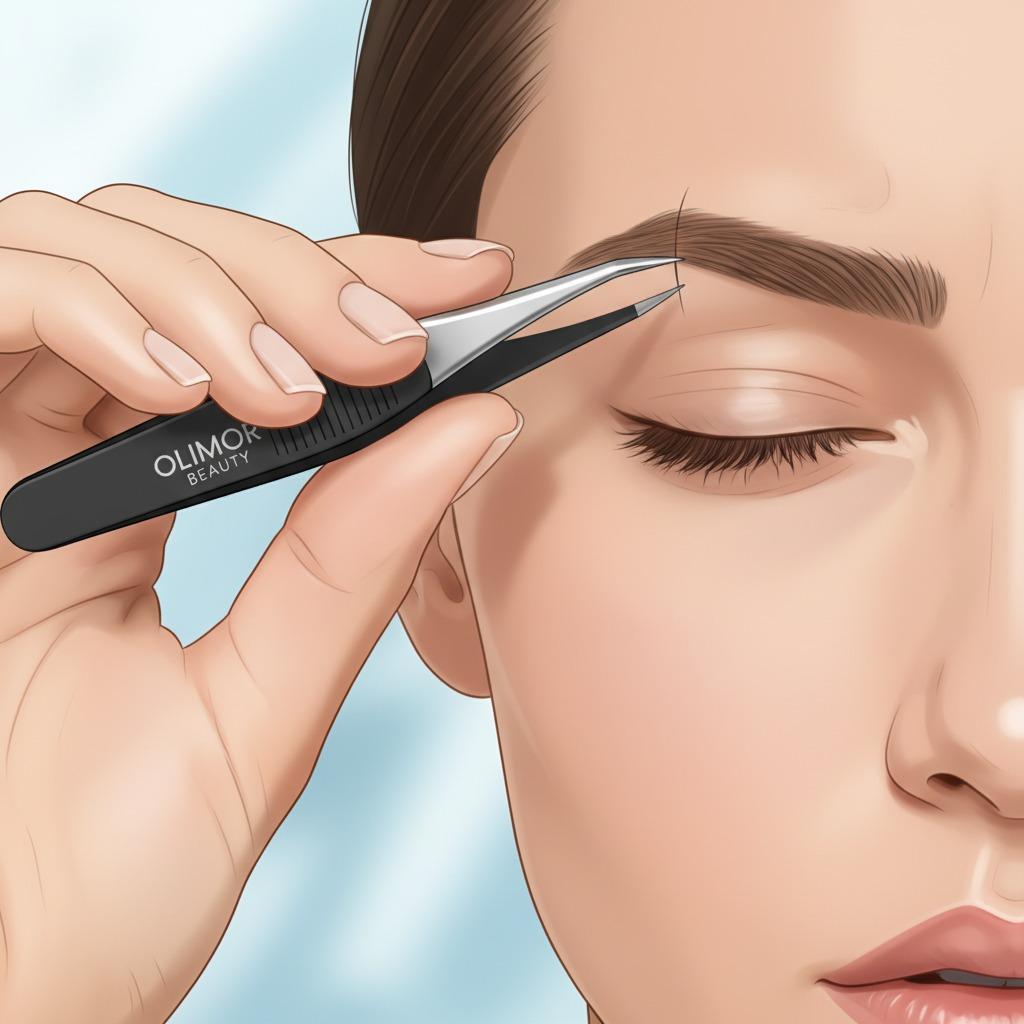
Precision Grip Tweezers for Clean, Controlled Grooming
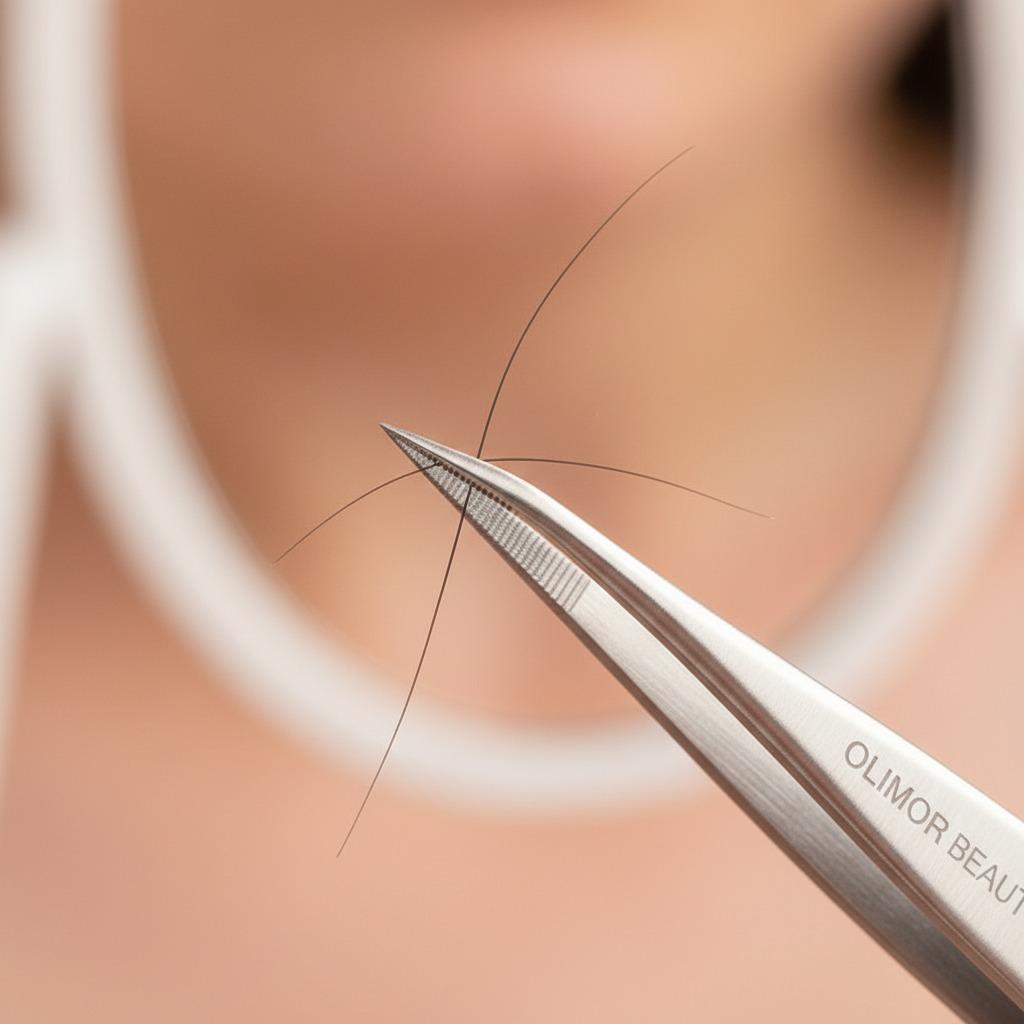
Tweezers look simple, but anyone who has tried to remove a short brow hair, separate a false lash, or pick up a tiny beauty accessory knows that grip quality matters. A good tweezer should close evenly, hold fine hair without sliding, and feel controlled in the hand. For beauty users, salon buyers, and retailers comparing grooming tools, the main question is not only whether the tweezer looks polished, but whether it performs reliably during detail work.
Olimor Beauty focuses on practical beauty tools for everyday grooming and professional selection. When evaluating tweezers, buyers should look at tip alignment, hand feel, material choice, finishing, packaging suitability, and intended use. This guide explains how to judge precision grip tweezers before adding them to a personal kit, retail assortment, salon station, or beauty tool program. You can also explore related beauty tool products or compare broader product collections when planning a complete grooming range.
What Precision Grip Means in a Tweezer
Precision grip is the ability of the tips to meet cleanly and hold the target item with controlled pressure. In beauty grooming, that target may be a fine eyebrow hair, an ingrown hair tip, a strip lash edge, or a small nail decoration. If the two tips do not align, the tweezer may cut the hair, slide over it, or require repeated attempts. Repeated pulling can irritate skin and waste time, especially when shaping brows where each hair affects the final line.
Grip is influenced by several features working together. The first is tip geometry. Slanted tips are often preferred for eyebrow shaping because the angle helps the user approach the skin comfortably. Pointed tips can be useful for very small targets, but they require steadier control and careful handling. Flat or straight tips may help with larger items but can be less forgiving for individual hairs. The second factor is tension. A tweezer should close without excessive force, but it should not feel loose or springy. The third factor is surface finishing at the tips. Tips must meet closely enough to catch fine hair, while still feeling smooth enough for controlled use.
The supplied Olimor Beauty article highlights stainless steel tips as a key detail for firmness and control. Stainless steel is commonly selected for grooming tools because it can support durability, cleanability, and a professional appearance when properly finished. Buyers should still compare actual samples, because material alone does not guarantee performance. Alignment, edge finishing, and consistency between units are just as important.
Best Uses for High-Grip Tweezers
A precision tweezer can serve several beauty and care tasks, but not every tip style is ideal for every job. Understanding the use case helps buyers avoid choosing only by appearance. For a retail beauty line, it may be useful to carry more than one tweezer shape so customers can select the tool that matches their grooming habits. For salons, the priority is usually control, easy cleaning, and consistent performance throughout repeated appointments.
- Eyebrow shaping: A slanted tip is often practical because it can follow the brow line and approach hair at a natural angle.
- Fine facial hair removal: Even tip contact helps grip shorter or finer hairs without repeated pulling.
- False lash handling: Controlled pressure can help position lash sections or handle delicate lash edges with less fumbling.
- Splinter or tiny object removal: A narrow, accurately aligned tip may assist with small targets, though hygiene and skin safety should always come first.
- Nail art placement: Tweezers can help pick up decals, stickers, gems, and small decorative pieces during detailed nail work.
Because tweezers may touch skin, eyelashes, or delicate beauty materials, comfort and control are not minor details. A tool that feels too stiff can lead to shaky handling, while one that feels too soft may fail to grip. For personal grooming, the right tweezer reduces frustration. For brands and distributors, reliable grip helps reduce complaints and supports a better repeat-purchase experience.
How to Evaluate Tweezers Before Buying or Sourcing
Whether you are choosing one pair for personal use or reviewing samples for a beauty business, a structured evaluation is better than relying on product photos alone. Images show finish, shape, and packaging style, but they cannot show tension, alignment, or how the tweezer behaves on fine hair. If you are sourcing for resale, salon use, promotional kits, or private beauty assortments, sample testing is especially important.
| Evaluation Point | What to Check | Why It Matters |
|---|---|---|
| Tip alignment | Close the tweezer and inspect whether both sides meet evenly. | Uneven tips can miss fine hairs or pinch skin unexpectedly. |
| Grip on fine hair | Test short, thin hair or a fine thread rather than only thick material. | Real grooming often involves small, slippery targets. |
| Hand tension | Open and close the tweezer repeatedly to judge resistance. | Balanced tension reduces fatigue during detailed shaping. |
| Edge finishing | Check that the tips feel precise but not rough or jagged. | Poor finishing can damage hair, skin, or beauty materials. |
| Surface finish | Look for clean polishing, coating consistency, and smooth edges. | Finish affects perceived quality and user comfort. |
| Packaging fit | Confirm the tweezer is protected, secure, and presentation-ready. | Good packaging helps prevent tip damage before use. |
A practical test is to hold the tweezer as a user would during eyebrow shaping, not only at the center of the body. Notice whether the grip area feels stable and whether the angle supports a clear view of the target. If the tool is intended for retail, consider whether the shape is easy for beginners to understand. If it is intended for professional use, repeated closing and cleaning behavior may be more important than decorative appearance.
Material, Finish, and Comfort Considerations
Olimor Beauty’s current tweezer description refers to stainless steel tips, a feature many buyers associate with durability and precise grooming. For sourcing decisions, however, it is helpful to separate material, construction, and finish. A stainless steel tweezer can still vary in thickness, spring tension, polishing quality, and tip accuracy. When comparing options, handle the sample, check the symmetry, and review how the tips are protected during packaging and shipment.
Comfort is also a product quality factor. A tweezer that looks sleek may still be hard to use if the body is too slippery, too narrow, or too stiff. Some users prefer a wider grip area for better control, while others prefer a slim profile for compact beauty bags. Textured or shaped grip zones can support handling, but they should not create rough edges. The best option depends on the intended audience: a travel beauty kit, a salon workstation, and a brow-focused retail set may each call for a different balance of size, control, and presentation.
For brands building a beauty tool range, consistency across units is critical. One sample may perform well, but a production order needs steady alignment and finish. Review how the tweezer is inspected, how tips are guarded, and how packaging prevents movement. These details are especially relevant when the tool will be displayed in stores or shipped through e-commerce channels, where tip damage can affect the customer’s first impression.
Cleaning and Maintenance for Longer Tweezer Performance
Good tweezers should be maintained carefully. Even a well-aligned pair can lose performance if the tips become bent, dirty, or chipped. For home users, the main routine is simple: clean after use, dry properly, and store with the tips protected. For salons, maintenance should follow the hygiene practices required for the service environment and local rules.
- Remove visible residue from the tips after grooming or beauty application.
- Wipe the tool with an appropriate cleaning method for the setting and material.
- Dry the tweezer completely before storage to help preserve the finish.
- Keep the tips covered or separated from hard objects in a makeup bag or drawer.
- Do not use precision grooming tweezers as general household tools, as prying or bending can damage alignment.
Users often replace tweezers only when they are lost, but replacement may be needed sooner if the tips no longer meet evenly. A common sign of wear or damage is when the tool starts cutting hair instead of pulling it cleanly, or when repeated attempts are needed to catch the same hair. For retail or professional buyers, including simple care instructions can reduce misuse and help customers understand why proper storage matters.
Choosing Olimor Beauty Tweezers for a Complete Beauty Tool Range
Precision tweezers are a small product, but they can play an important role in a beauty tool assortment. They pair naturally with brow scissors, lash tools, manicure accessories, facial grooming tools, and travel kits. For retailers, tweezers are easy to explain to customers when the selling points are practical: accurate tip alignment, comfortable hand feel, suitable shape for the task, and protective packaging. For salons, the value comes from dependable control and easy integration into grooming workflows.
When comparing Olimor Beauty tweezers with other options, focus on the actual job the tool must perform. If your priority is eyebrow shaping, evaluate slanted grip and visibility near the brow line. If your market includes lash users or nail art customers, check how the tool handles small decorative or delicate items. If the product is part of a branded beauty kit, confirm that the tweezer complements the other tools in size, finish, and packaging presentation.
For product planning, sample review, or assortment development, you can send an inquiry with the type of tweezer use you are targeting. If you need help comparing beauty tool options for retail, salon, or promotional programs, you may also contact Olimor. A clear use case will make it easier to evaluate the right tip style, grip feel, finish, and packaging direction without relying on generic descriptions.
The best tweezers for grip are not defined by one feature alone. They combine accurate tips, balanced tension, suitable material, clean finishing, and thoughtful storage. By testing these details before purchase, buyers can choose tweezers that support cleaner grooming, fewer missed hairs, and a more dependable user experience.
Tag: