

How to Choose Curved Tweezers for False Lash Application and Wholesale Sourcing
False lash application depends on small movements: picking up a delicate lash strip, aligning it to the lash line, adjusting the outer corner and pressing the band into place without disturbing makeup. Fingers can work for some users, but they often block visibility and make precise placement difficult. A well-made pair of tweezers for false lash use gives the user a narrower working angle, more control and cleaner contact with the lash band.
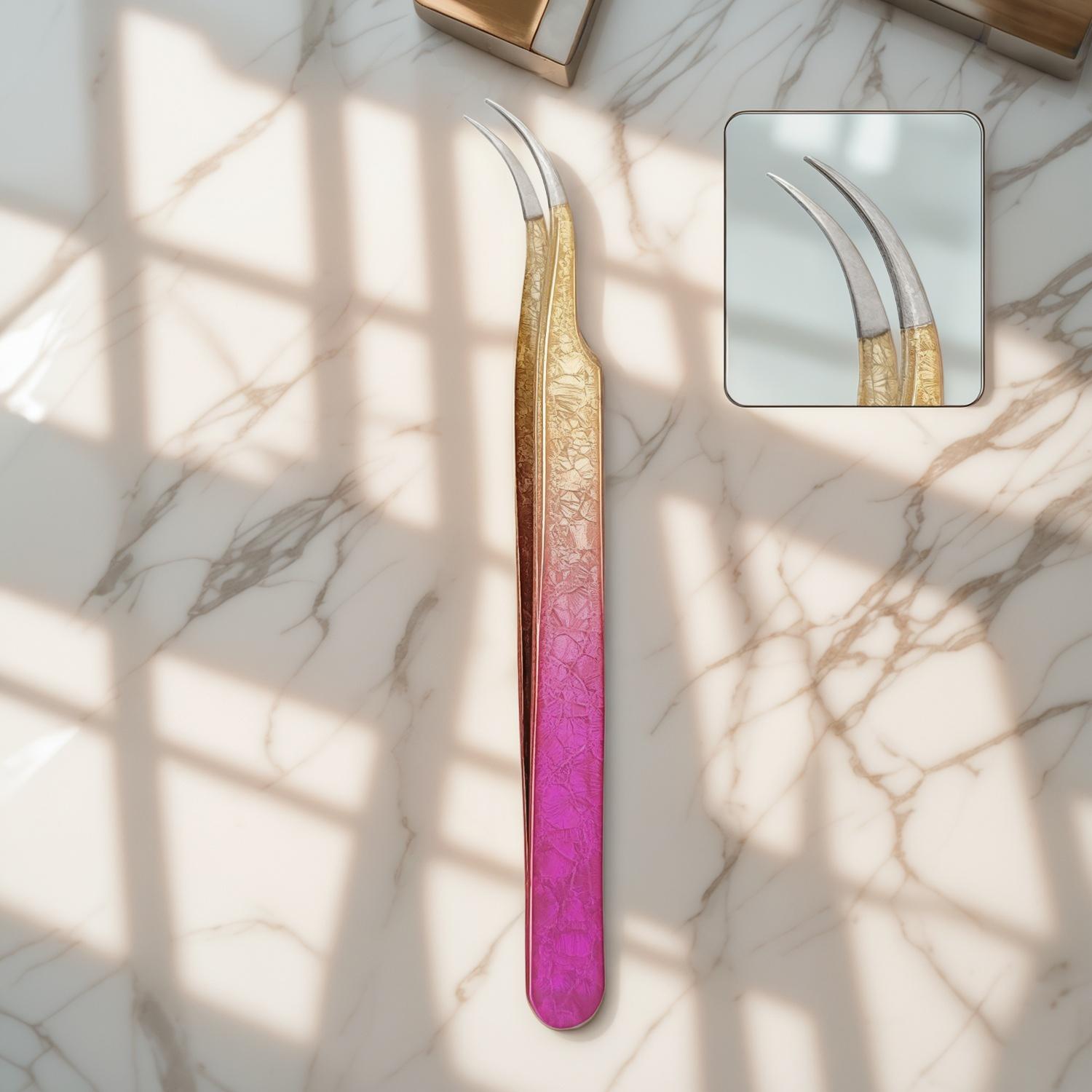
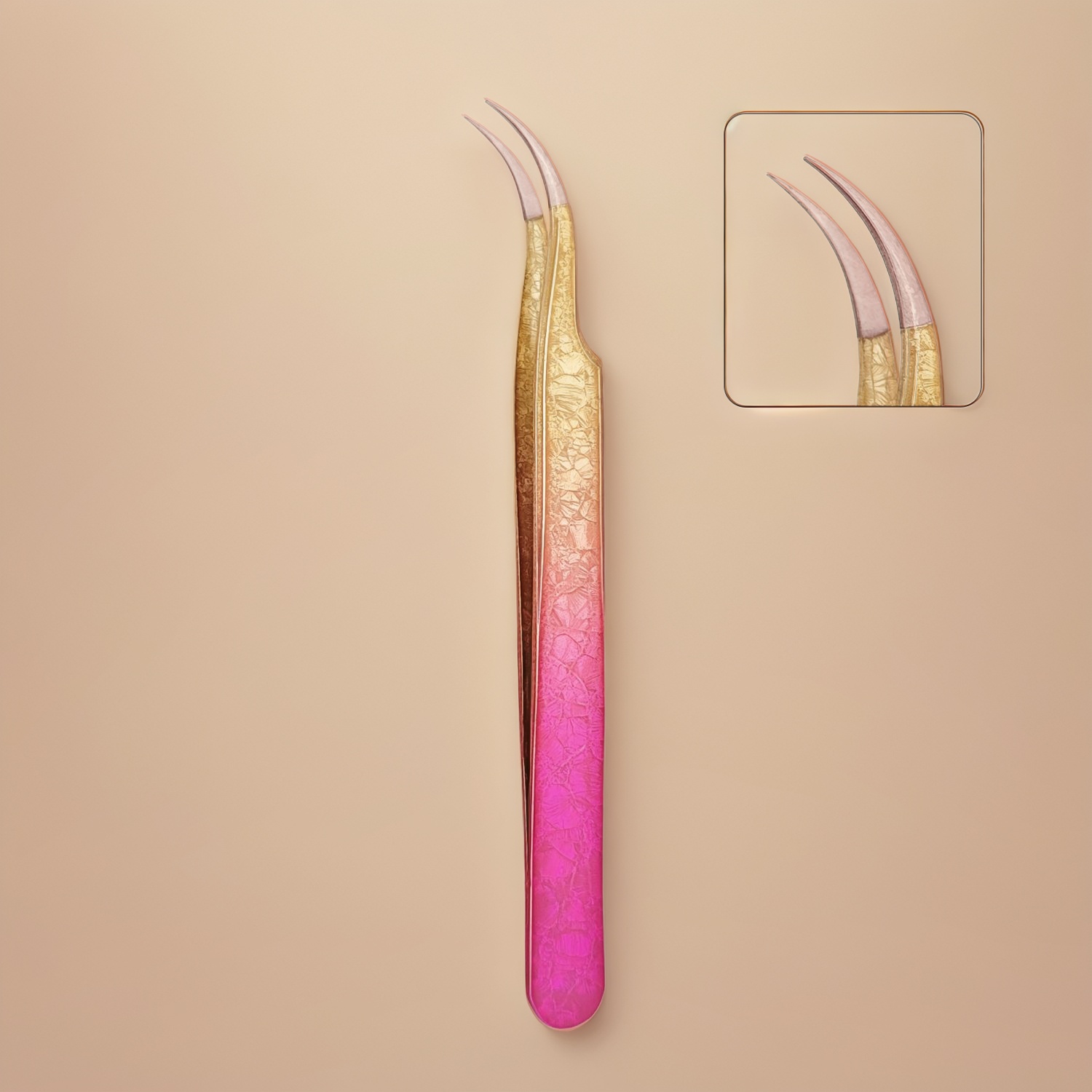
Olimor Beauty’s Curved Precision Tweezer is designed around that need for control. The original product description highlights surgical-grade stainless steel, ultra-fine curved tips, an ombre finish and an embossed grip. Those details matter not only for individual beauty users, but also for retailers, salons and private-label buyers comparing wholesale options or exploring tweezers ODM projects.
Why Curved Tweezers Work Well for False Lashes
Curved lash tweezers are shaped to approach the eyelid from a more natural angle. Instead of forcing the wrist into an awkward position, the curved tip can hold the lash band while the handle stays slightly away from the face. This helps the user see the lash line clearly, especially when applying lashes in front of a mirror.
The curve is also useful after the lash has been positioned. Many users need to press down the center of the band first, then secure the inner and outer corners. A curved tweezer tip can make controlled contact with a small section of the band, reducing the chance of pushing the entire lash out of alignment. For strip lashes, cluster lashes and small accent pieces, that extra control can reduce wasted time and product.
For professional or retail buyers, the benefit is simple: a tweezer that feels easier to control is more likely to satisfy end users. When customers are new to false lashes, a poorly shaped tool can make the learning curve feel harder than it needs to be. A curved precision design supports both beginners who need guidance and experienced users who want repeatable placement.
Key Selection Criteria: Tips, Tension, Grip and Visibility
When comparing tweezers for false lash application, do not judge the tool only by appearance. The most important performance details are small, and they directly affect placement accuracy. The following checklist can help buyers evaluate samples before committing to a retail or wholesale order.
- Tip alignment: The two tips should meet evenly. Misaligned tips may fail to grip the lash band or may pinch too aggressively at one point.
- Tip fineness: Ultra-fine curved tips help users isolate the lash band without touching too much of the lash fibers or eyelid.
- Edge smoothness: The contact surfaces should be smooth enough to avoid snagging delicate lashes, while still offering reliable grip.
- Spring tension: A tweezer should open and close with controlled resistance. If the tension is too stiff, the hand tires quickly; if too loose, placement feels unstable.
- Handle comfort: An embossed grip, such as the one described for Olimor Beauty’s Curved Precision Tweezer, can help reduce slipping during detailed work.
- Finish quality: Decorative finishes, including ombre effects, should be consistent and should not interfere with the working tips.
- Cleanability: Lash glue can build up on tools. A good tweezer should be easy to wipe clean after use.
For beauty businesses, sample testing should include real application tasks rather than only visual inspection. Try picking up several lash band styles, adjusting corners and removing adhesive residue. This reveals whether the tweezer is practical in daily use.
Material and Construction Considerations
The supplied product information states that the Curved Precision Tweezer is crafted from surgical-grade stainless steel, a material choice valued for durability and rust resistance. For tools used around the eyes, material quality is especially important because the tweezer may come into contact with adhesive, makeup residue, cleansers and moisture from routine cleaning.
Stainless steel construction also helps the tool maintain its shape. If a tweezer bends too easily, the tips may no longer meet correctly, which leads to poor grip and inconsistent lash placement. In a retail setting, that can create complaints even if the tool looked attractive in packaging. For salons, weak alignment can slow down application and increase the need for replacement tools.
Buyers should review construction from both a user and business perspective. Does the handle feel balanced? Are the edges finished cleanly? Is the curve symmetrical? Does the tweezer close smoothly without scraping? These checks are simple, but they help separate a useful beauty tool from a decorative accessory that may not perform well.
How to Use Curved Tweezers for Cleaner Lash Placement
A precision tweezer cannot replace practice, but it can make the process more controlled. The steps below are useful for individual users, retail education pages and salon training materials.
- Prepare the lash band: Measure the false lash against the eye and trim only if needed, following the lash brand’s instructions.
- Apply adhesive carefully: Add a thin, even layer of lash glue to the band and allow it to reach the recommended tacky stage.
- Hold the lash at the center: Use the curved tweezer tips to grip the band near the middle, not the lash fibers.
- Place the center first: Position the center of the band close to the natural lash line while keeping the eye relaxed.
- Secure the corners: Adjust the inner and outer corners with small movements. The curved tip helps press only the section that needs correction.
- Blend gently: Once the adhesive sets, lightly press the false lash and natural lash line together if appropriate for the lash type.
Users should avoid pulling the tweezer sideways through the lash fibers. The tool is intended for controlled gripping and placement, not combing. Keeping glue away from the hinge and cleaning the tips after use will also help maintain performance.
Wholesale and ODM Questions for Beauty Tool Buyers
Businesses researching how to buy tweezers wholesale should look beyond the product photo. Lash tweezers are small items, but small manufacturing differences can affect customer satisfaction. Retailers, distributors and brand owners should compare product samples, packaging options, finish consistency and quality control expectations before moving forward.
Olimor Beauty offers beauty tool products for business buyers, and tweezers ODM can be relevant for brands that want a product aligned with their own visual identity or assortment strategy. ODM planning may involve handle finish, packaging format, grip texture and other design choices, depending on project feasibility. The goal should be a tool that looks appropriate for the brand while still performing well for false lash application.
| Buyer focus | What to check | Why it matters |
|---|---|---|
| Application performance | Tip alignment, grip control and curved working angle | Determines whether users can place lashes accurately |
| Durability | Stainless steel construction, resistance to bending and clean finish | Supports longer service life and fewer complaints |
| User comfort | Embossed grip, handle width and closing tension | Affects control during detailed eye-area work |
| Retail presentation | Finish consistency, packaging compatibility and product information | Helps the item fit a professional beauty assortment |
| ODM planning | Design brief, sample review and approval standards | Reduces mismatches between concept and final product |
Buyers can browse related beauty tool products to compare categories and positioning, or review broader product collections when planning a coordinated beauty tools line. If a project requires private-label discussion or product development support, use the send an inquiry page with your target market, intended sales channel and packaging expectations.
Care, Cleaning and Storage for Better Tool Life
False lash tweezers come into regular contact with adhesive, mascara and skin oils. Cleaning them properly helps protect the tip shape and keeps the tool pleasant to use. After application, wipe adhesive from the tips before it hardens. If glue residue remains, use a cleaning method suitable for the tool finish and avoid aggressive scraping that could damage the working edge.
Storage is also important. Ultra-fine tips can be bent if the tweezer is thrown loose into a makeup bag with heavier items. A protective sleeve, box or dedicated tool compartment helps maintain alignment. For salons and professional kits, keeping lash tweezers separate from brow tweezers, scissors and metal implements makes it easier to preserve the tip condition.
Users should also inspect the tips regularly. If the tweezer no longer closes evenly, has visible damage or cannot grip the lash band securely, it may be time to replace it. For retailers, including care guidance in product pages or packaging can reduce avoidable misuse and improve the customer experience.
Choosing a Practical Lash Tweezer for Your Assortment
The best tweezers for false lash application combine accurate tips, comfortable handling, durable material and a shape that supports real use around the eye. Olimor Beauty’s Curved Precision Tweezer brings together several important features mentioned in the product information: surgical-grade stainless steel, ultra-fine curved tips, an embossed grip and an ombre finish. For end users, those features support precise placement. For business buyers, they create a clear product story that can fit lash tools, makeup accessories and salon supply assortments.
Before selecting a wholesale or ODM option, test the tweezer with actual lash products, check tip alignment carefully and consider how the design will be explained to customers. A lash tweezer is a compact item, but it can strongly influence whether false lash application feels manageable or frustrating. For sourcing support or project discussion, you can contact Olimor with your requirements and sample evaluation priorities.
Tag: