

How to Choose an LED Tweezers Exporter for Retail, Salon and Private-Label Beauty Tools
For beauty retailers, salon suppliers, distributors and private-label brands, tweezers are small products with a direct impact on customer trust. A buyer may judge the whole grooming category by the way one tweezer grips, aligns and feels in the hand. When the tool includes an integrated LED light, the sourcing decision becomes even more specific: the product must combine precise tips, reliable illumination, comfortable handling and attractive presentation.
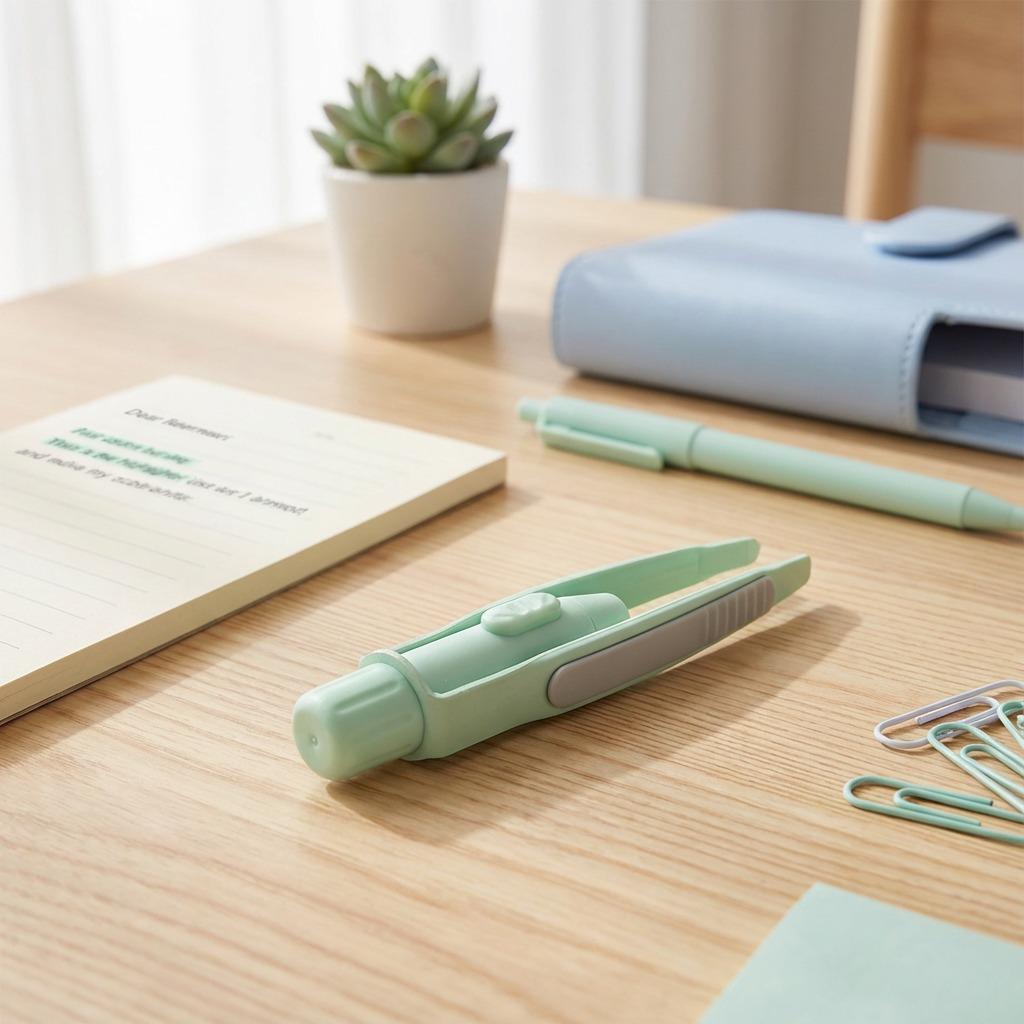
Olimor Beauty supplies beauty tools for business buyers looking for practical grooming products that can fit retail shelves, salon supply programs and branded tool ranges. This guide focuses on the LED-equipped tweezer shown below and explains how to evaluate it as part of a wholesale or OEM/ODM sourcing plan.
What Makes LED Tweezers Different from Standard Tweezers?
Standard tweezers depend entirely on room lighting and the user’s angle of view. LED tweezers add a focused light near the working area, helping users see fine hairs more clearly during brow shaping, facial grooming and other detail tasks. This is especially useful for consumers who groom at home, salon technicians working under changing lighting conditions, and travel buyers who need a compact tool that is easier to use away from a fixed vanity setup.
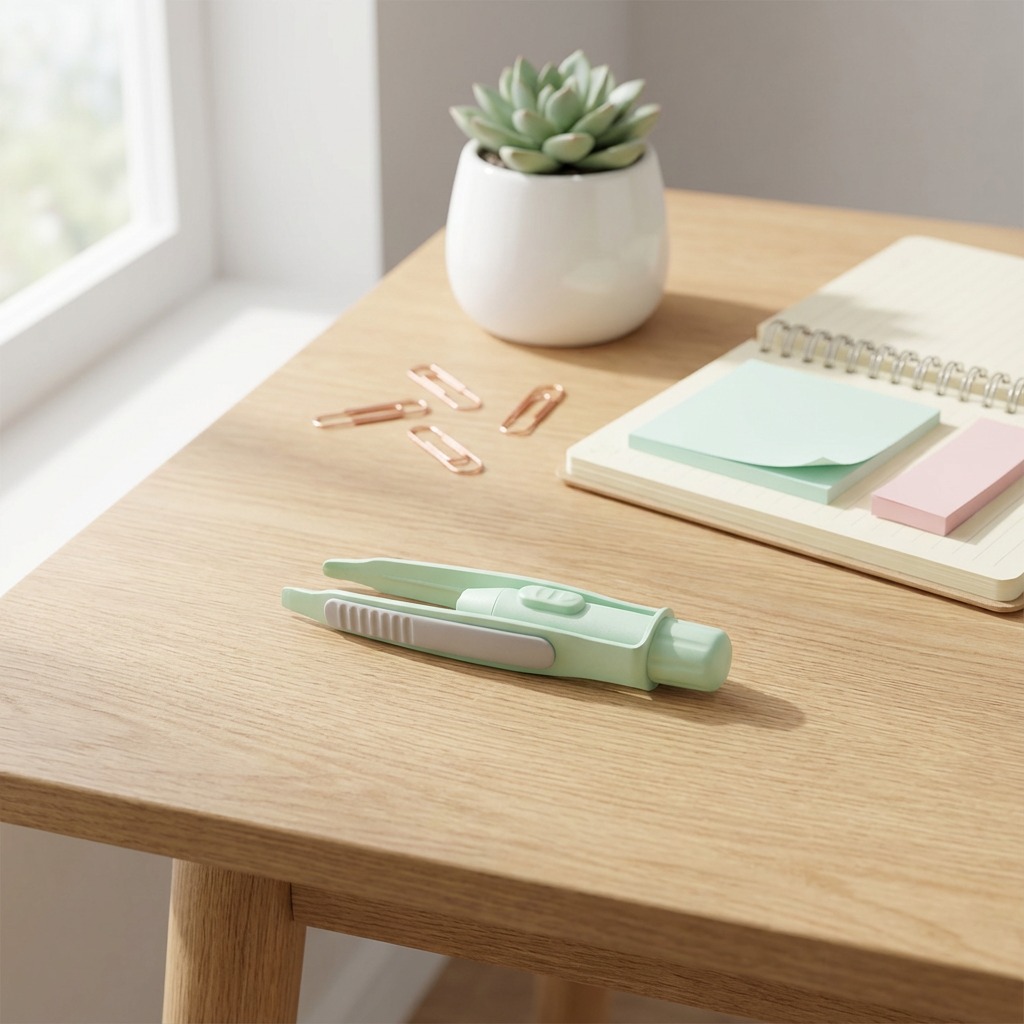
The LED tweezer described for this page features integrated illumination, an intuitive push-button light function, a pastel green finish and textured grip tips designed to reduce slipping. These details matter because most complaints about lower-quality tweezers come from predictable issues: poor visibility, uneven grip, uncomfortable pressure, and tips that fail to catch fine hair cleanly.
For importers and distributors, LED tweezers can also create clearer retail positioning than a basic tweezer. The built-in light gives sales teams and product listings a concrete feature to explain. Instead of selling only on color or price, the product can be positioned around visibility, control and everyday grooming convenience.
Key Quality Checks Before Choosing a Tweezers Exporter
When comparing a tweezers exporter, avoid judging only by unit cost. A cheaper tool that slips, pinches the skin or arrives with inconsistent finishing can lead to returns, poor reviews and slow repeat orders. A useful evaluation should combine function, appearance, packaging readiness and production communication.
- Tip alignment: The tips should meet evenly so they can grip fine hairs without requiring excessive pressure.
- Grip comfort: Textured grip areas should feel secure but not rough. The user should be able to control the tweezer with dry or slightly moisturized fingers.
- LED placement: The light should illuminate the working area without blocking the user’s view of the tips.
- Button operation: A push-button light should be easy to activate, but not so exposed that it turns on constantly in packaging or storage.
- Surface finish: The pastel green finish should appear consistent across the tool, with no obvious scratches, stains or uneven coating in visible areas.
- Packaging fit: The packaging should hold the tool securely and protect the tips during transport and shelf handling.
- Inspection flow: Review how raw materials, assembly, lighting function and final packaging are checked before shipment.
These checks apply whether you are buying a ready-to-sell product or planning an OEM/ODM program. They help separate a supplier that simply offers tweezers from a manufacturer that understands grooming-tool usability.
Why Ergonomics and Visibility Matter for End Users
End users rarely describe a tweezer in technical terms. They simply know whether it catches hair cleanly, feels steady, and helps them finish grooming with fewer attempts. Ergonomic design is important because tweezing requires repeated small movements. If the body shape is awkward or the grip surface is too smooth, users may squeeze harder than necessary, which can increase discomfort and reduce control.
The LED function adds another usability layer. Fine facial hair can be difficult to see under warm bathroom lighting or in shadowed areas around the brow. A compact light source helps users work with more confidence. For retailers, this feature can support multiple sales occasions: daily brow maintenance, travel grooming kits, gifting sets and salon retail add-ons.
Buyers should also consider who will use the product. A professional salon purchaser may value repeat performance and easy sanitation routines. A retail customer may be drawn first to the color, compactness and light feature. A private-label brand may care most about how the tool looks in packaging and whether it matches the rest of a beauty accessories range. The right exporter should understand these different priorities and help you select a configuration that fits your channel.
OEM/ODM Tweezers: Customization Without Losing Function
OEM/ODM tweezers can help a buyer build a distinctive beauty tool line, but customization should not weaken the product’s core performance. Before changing colors, engraving, packaging or presentation, first confirm the base tool’s grip, tip alignment and light operation. Once the functional standard is clear, visual and branding decisions become easier.
For the LED tweezer, possible customization discussions may include color direction, logo placement, retail card or box style, user instructions, and whether the product will be sold alone or as part of a grooming set. The pastel green version has a soft, clean look that can fit personal care, travel and giftable beauty assortments. If your brand uses a different visual language, color matching and packaging design should be reviewed with physical samples rather than relying only on screen images.
A practical OEM/ODM process should answer the following questions before a bulk order moves forward:
- What is the target sales channel: beauty retail, salon supply, e-commerce, travel accessories or promotional gifting?
- Will the tweezer be sold as a standalone item or bundled with other grooming tools?
- What product claims can be supported by the actual design, such as LED illumination, textured grip and stainless steel construction?
- How will the packaging protect the tips and prevent unnecessary activation of the light during shipping?
- What visual standard will be used to approve color, logo position and surface finish?
Business buyers can review related categories through Olimor’s beauty tool products and compare how tweezers may fit with broader product collections.
Wholesale Buying: Balancing Cost, Consistency and Sell-Through
Many buyers search for the cheapest wholesale tweezers, but the most profitable option is usually the one that balances purchase cost with sell-through and low complaint risk. A visually appealing LED tweezer may justify stronger retail presentation than a basic item, but only if the performance supports repeat purchasing.
The table below shows a practical way to compare offers when sourcing LED tweezers for wholesale distribution or private-label programs.
| Buying Factor | Why It Matters | What to Review |
|---|---|---|
| Grip and tip performance | Determines whether users can pluck accurately with fewer attempts | Sample testing on fine hairs, tip alignment, squeeze resistance |
| LED function | Supports the product’s main point of difference | Light position, button feel, visibility during actual use |
| Finish and color | Affects retail appeal and brand consistency | Pastel green finish quality, surface marks, color consistency |
| Packaging protection | Reduces damage and improves shelf presentation | Tip protection, product stability, barcode and instruction space |
| Exporter communication | Helps prevent misunderstandings before production | Clear sample approval, artwork confirmation, shipment documentation |
This type of comparison keeps the conversation focused on usable value rather than price alone. It also gives purchasing, design and sales teams a shared framework for approving a new tweezer item.
Sourcing Questions for Importers, Distributors and Retail Brands
Before placing a wholesale or customized order, prepare a concise sourcing brief. Include the intended market, packaging needs, preferred color direction, branding requirements, order schedule and any compliance expectations for your region. A clear brief helps the exporter respond with relevant options instead of generic recommendations.
It is also useful to request samples for hands-on review by more than one person. Have testers evaluate how easily the tweezer grips fine hair, whether the LED light improves visibility, how comfortable the grip feels, and whether the button is intuitive. If the product will be sold online, photograph the sample in packaging and in hand to see whether the color and feature details are easy to communicate visually.
Olimor Beauty can support buyers considering LED tweezers for retail shelves, salon supply assortments, private-label programs and promotional beauty kits. To discuss sourcing details, you can contact Olimor or send an inquiry with your target channel and customization requirements.
Building a Better Tweezer Program with Olimor Beauty
A successful tweezer program starts with a product that performs reliably in the user’s hand. The LED tweezer combines practical illumination, a secure textured grip, stainless steel construction and a soft pastel green appearance, giving buyers a product with both functional and visual appeal. For business buyers, the key is to evaluate the tool as a complete retail item: performance, comfort, finish, packaging and supply communication all matter.
Whether you are expanding a beauty accessories line or sourcing a custom grooming tool for your brand, choosing the right tweezers exporter can reduce risk and improve customer satisfaction. Focus on the details users notice immediately: clean gripping action, steady handling, helpful light and a finish that looks consistent when displayed. Those details are what turn a small beauty tool into a product customers are willing to use, recommend and reorder.
Tag: