

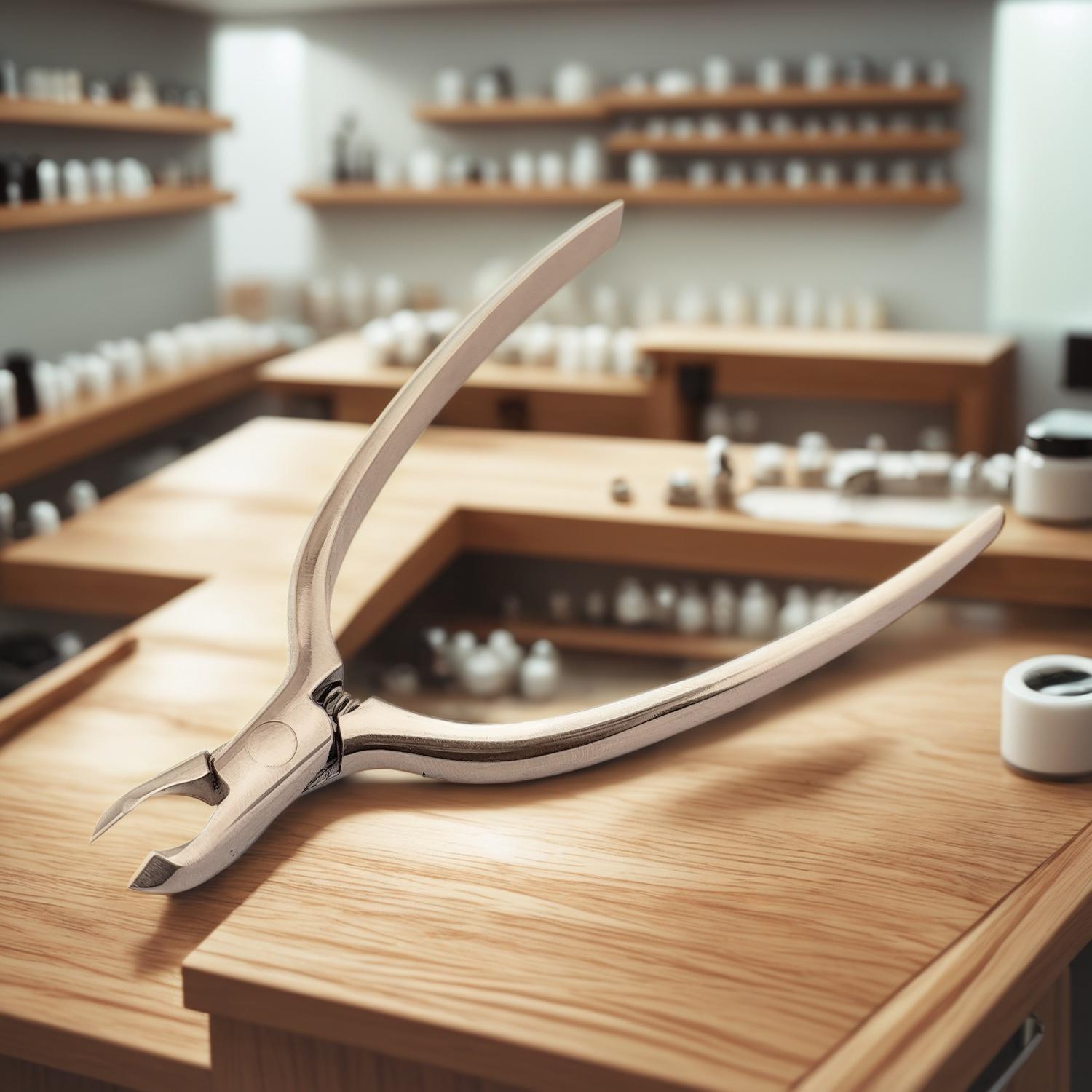
How to Choose the Best Cuticle Nipper for Clean, Safe Nail Care
A cuticle nipper is a small tool, but the difference between a well-made one and a poor-quality one is easy to feel. A good nipper trims small pieces of dead skin cleanly, helps remove hangnails without tearing, and gives the user better control around the nail fold. A poorly made tool can pinch, pull, rust, or cut unevenly, which is frustrating for home manicures and unacceptable for salon work.
Choosing the best cuticle nipper is not only about sharpness. The material, jaw alignment, spring action, handle comfort, finish quality, and cleaning routine all affect how safely and precisely the tool performs. Whether you are buying one tool for personal nail care or sourcing beauty tools for retail, salon, or private label projects, the details below will help you compare options more confidently.

What a Cuticle Nipper Should Actually Do
A cuticle nipper is designed to trim loose, non-living skin around the nail, including small hangnails and excess cuticle tissue that has already been softened and gently lifted. It should not be used to cut deeply into healthy skin or aggressively remove the natural protective seal around the nail. The goal is neat grooming, not over-cutting.
For personal users, the right nipper makes manicures look cleaner and reduces the temptation to pull at dry skin. For nail technicians, consistent blade performance and easy sanitation are essential because the tool is used repeatedly and must remain predictable in hand. For beauty tool buyers, the challenge is to select a nipper that feels precise on first use and still performs well after regular cleaning and handling.
Material Matters: Why Stainless Steel Is Preferred
The original product focus highlights surgical-grade stainless steel, a common choice for quality nail tools because it combines durability, rust resistance, and ease of sanitation. A cuticle nipper regularly comes into contact with water, skin, nail dust, oils, and cleaning products, so corrosion resistance is not optional. If the surface begins to rust or stain, the tool becomes harder to clean and less pleasant to use.
Stainless steel also supports a sharper, more stable cutting edge when the tool is properly manufactured. For a buyer comparing different cuticle nippers, the material should be assessed together with the finish. Look for smooth surfaces, clean edges around the handles, and jaws that meet evenly. A shiny appearance alone does not prove quality; the tool should feel solid, balanced, and free from rough burrs.
Olimor Beauty focuses on beauty tool quality control from raw materials through finished products. If you are comparing options across a wider assortment, you can review related beauty tool products to understand how a cuticle nipper fits into a complete nail and grooming tool range.
Blade Alignment, Jaw Size, and Cutting Control
The most important performance detail is the jaw. When the blades close, the tips should meet cleanly and evenly without crossing, leaving a gap, or scraping against each other. A misaligned jaw may bend the skin instead of cutting it, creating a tugging sensation. It can also make detailed trimming difficult near the sidewalls of the nail.
Jaw size affects how the nipper feels during use. A smaller cutting surface can be useful for detailed work and cautious trimming, while a larger jaw may remove more material quickly but requires more control. The best choice depends on the user. Beginners often benefit from a smaller, more controlled cutting area. Experienced nail technicians may prefer a jaw style that matches their technique and speed.
- Tip contact: the tips should meet neatly for accurate trimming of small hangnails.
- Blade sharpness: the blades should cut cleanly without requiring excessive pressure.
- Jaw symmetry: both sides should close at the same angle for predictable results.
- Edge finish: cutting edges should be sharp, but the surrounding metal should not feel rough.
- Visibility: the jaw shape should allow the user to see the area being trimmed clearly.
Handle Design and Spring Feel
Comfort matters because cuticle trimming requires small, controlled movements. Handles should rest securely in the fingers without forcing the hand into an awkward position. If the handles are too stiff, the user may squeeze harder than necessary and lose control. If they are too loose, the tool may feel unstable.
A smooth spring mechanism helps the blades reopen after each cut. This reduces hand fatigue and supports a steady rhythm, especially during salon use or longer grooming sessions. The spring should respond evenly, without sudden snapping or sticking. Buyers should also check whether the spring is easy to clean around, because product buildup can collect near moving parts.
Ergonomic design does not need to be complicated. It means the tool feels balanced, the handles are comfortable enough for repeated use, and the spring action supports accuracy instead of fighting the user. When possible, compare how different nippers feel in hand rather than relying only on photos.
How to Use a Cuticle Nipper Safely
Safe use begins before the first cut. Dry, tight skin is harder to trim cleanly and easier to tear. Soften the cuticle area first, then gently push back only the excess cuticle. The nipper should be used with small, careful cuts on loose skin, not with long pulling motions.
- Wash hands and clean the nail area before trimming.
- Soften cuticles with warm water or an appropriate cuticle softening product.
- Gently push back excess cuticle using a suitable pusher.
- Identify only loose or lifted dead skin and hangnails.
- Place the nipper at a shallow angle and make small, controlled cuts.
- Do not cut live skin or chase every visible line around the nail fold.
- Clean and dry the tool immediately after use.
If the area is painful, inflamed, bleeding, or infected, trimming should be avoided. A cuticle nipper is a grooming tool, not a treatment tool. Overuse can make the nail fold sensitive and may increase the risk of irritation.
Cleaning, Storage, and Long-Term Maintenance
A sharp nipper deserves proper care. After each use, remove visible residue, clean the tool, dry it thoroughly, and store it in a dry place. Moisture left around the hinge or spring can shorten the tool’s useful life, even when the material is rust resistant. Avoid tossing the nipper loosely into a crowded cosmetic bag where the tips can be damaged by other tools.
For professional environments, cleaning and disinfection should follow the applicable salon hygiene procedures in your market. For home users, the key habits are consistency and dryness. Never share a personal cuticle nipper without proper cleaning, and do not use a tool that has become rusty, loose, or dull.
Blade life depends on material, manufacturing quality, frequency of use, and handling. If the nipper starts folding skin instead of cutting it, requires more pressure than before, or leaves ragged edges, it may need sharpening or replacement. Continuing to use a dull nipper increases the risk of tearing skin.
Buyer Checklist for Sourcing Cuticle Nippers
For retailers, salons, distributors, and beauty brands, sourcing a cuticle nipper involves more than choosing a shape from a catalog. The product must meet the expectations of the target user and remain consistent across batches. Before confirming an order, evaluate samples with practical use in mind.
| Selection point | What to check | Why it matters |
|---|---|---|
| Material | Stainless steel construction and surface finish | Supports durability, sanitation, and corrosion resistance |
| Jaw alignment | Even tip contact and smooth blade closure | Improves precision and reduces pulling |
| Spring action | Consistent opening and closing resistance | Reduces hand strain and improves control |
| Handle comfort | Secure grip, balanced weight, no rough edges | Important for both home and salon users |
| Packaging needs | Protection for tips during shipping and storage | Helps prevent blade damage before sale |
It is also useful to consider how the cuticle nipper will be positioned within a broader nail care assortment. Some buyers may pair it with pushers, nail clippers, tweezers, or grooming kits. To compare categories and plan a coordinated range, browse Olimor product collections or send an inquiry with your target market and application.
Choosing the Right Cuticle Nipper for Your Needs
The best cuticle nipper is the one that matches the user’s skill level, hygiene routine, and expected frequency of use. For occasional home manicures, prioritize a comfortable grip, moderate jaw size, and easy cleaning. For frequent or professional use, focus more heavily on blade consistency, spring durability, and repeated sanitation. For sourcing projects, evaluate samples under real handling conditions instead of judging only by appearance.
A quality cuticle nipper should feel precise, stable, and easy to control. It should trim cleanly without pulling and clean up easily after use. When the material, blade alignment, handle design, and maintenance routine work together, this simple tool can support neater manicures and safer nail grooming over the long term. For specific sourcing questions or product comparison support, you can also contact Olimor.
Tag: