

How to Choose a Beauty Tools Supplier in China for Grooming Tool Programs
Finding a dependable beauty tools supplier in China is not only about locating a factory that can make a low-cost item. For importers, retailers, promotional buyers and private-label brands, the real goal is to source grooming tools that feel consistent in the hand, look presentable in packaging, and perform reliably after repeated use. A manicure set, tweezer, grooming kit or personal care accessory may be small, but small defects are easy for consumers to notice: rough edges, weak alignment, loose hinges, uneven finishes or packaging that arrives scuffed.
China remains one of the main sourcing destinations for beauty tools because of its broad manufacturing base and ability to support both standard wholesale orders and customized programs. Olimor Beauty focuses on beauty tool supply for buyers who need practical product options, organized sourcing communication and attention to product presentation. If you are comparing suppliers for bulk purchase grooming tools, the checklist below will help you evaluate product suitability before committing to an order.
Understand the Product Category Before You Compare Suppliers
Beauty tools cover a wide range of grooming and personal care products. A supplier may look strong in one category but less suitable in another, so the first sourcing step is to define the exact use case. Are the tools intended for personal manicure kits, men’s grooming sets, travel accessories, salon retail, gift boxes or promotional programs? Each channel has different priorities.
For example, a retailer may prioritize shelf-ready packaging, balanced product assortment and a finish that photographs well for e-commerce. A distributor may care more about carton strength, repeatable packing and easy SKU management. A private-label buyer may need customized packaging, logo placement and a coordinated visual style across several tools. By clarifying the product role early, you can compare suppliers on relevant criteria instead of simply asking for a general catalog.
When reviewing beauty tool products, separate your list into core items and optional add-ons. Core items are the tools that directly affect customer satisfaction, such as nail clippers, scissors, tweezers, files or cuticle tools. Optional add-ons may support gifting or presentation. This makes it easier to decide where quality consistency matters most and where cost control can be balanced with design needs.
Why Buyers Source Beauty Tools from China
China’s beauty tools sector is attractive because it combines manufacturing experience, supplier variety and flexible product development paths. Buyers can often compare multiple approaches to the same product type, from simple grooming tools for everyday retail to more complete kits for gifting or travel. This range helps importers build programs at different price positions without changing the overall product category.
Another advantage is the depth of supporting processes. Beauty tools often require more than a single production step. A finished grooming kit may involve metal forming, polishing, sharpening, surface finishing, assembly, pouch or case production, printing, labeling and export packing. A supplier that understands the full chain can help reduce mismatches between the tool design, packaging structure and final presentation.
However, broad choice also means buyers need a disciplined evaluation process. A low quotation does not automatically indicate good value if the supplier cannot maintain edge finishing, tool alignment or packaging consistency. When comparing suppliers, focus on practical evidence: sample quality, response clarity, packaging options, product range, order documentation and willingness to discuss inspection points.
Key Quality Checks for Grooming Tools
Beauty tools are handled directly against skin, nails or facial hair, so the user experience is immediate. The following checks are useful when reviewing samples from any custom beauty tools manufacturer or wholesale supplier:
- Edge and tip finishing: Nail tools, scissors and tweezers should not have unintended burrs, sharp outer corners or rough contact points.
- Alignment: Tweezer tips, scissor blades and clipper jaws should meet evenly. Poor alignment reduces performance even when the material looks attractive.
- Opening and closing feel: Hinged tools should move smoothly without feeling loose, stiff or uneven.
- Surface appearance: Check for scratches, stains, inconsistent polishing, plating marks or fingerprints sealed into packaging.
- Grip and handling: Tools should feel secure in normal use, especially for compact travel sizes or gift sets.
- Packaging fit: Each tool should sit properly in its pouch, tray, case or insert so it does not shift heavily during transit.
- Repeatability: If possible, review more than one sample. A single good sample is useful, but consistency across samples is more meaningful.
Olimor Beauty emphasizes precision and quality in beauty tools, including attention from raw materials through final packaging. For buyers, the practical takeaway is to define what “quality” means for the project. A professional-looking manicure set for retail gifting may need a different finish and packaging standard than a simple bulk grooming tool for a value channel.
How to Evaluate Product Range and Kit Design
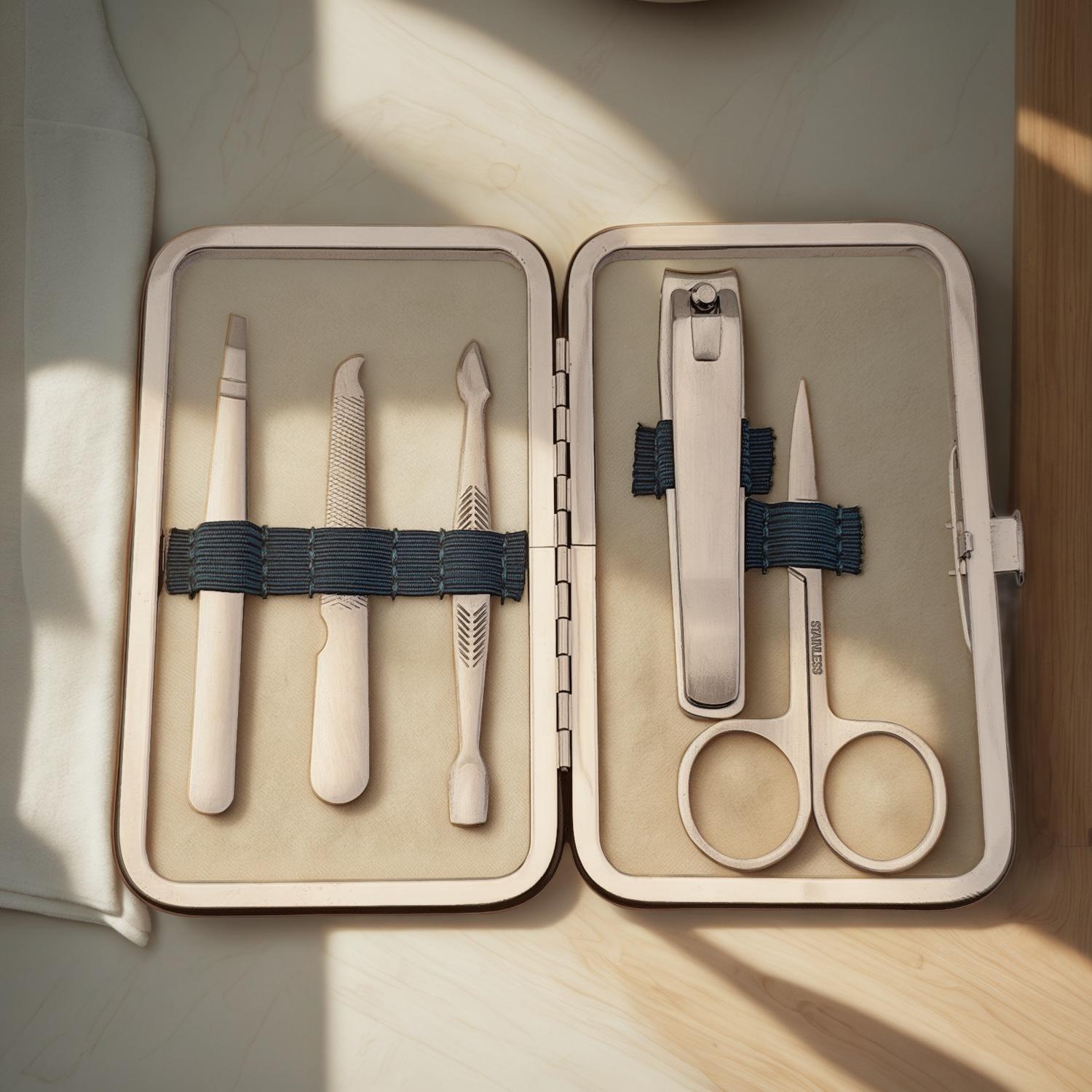
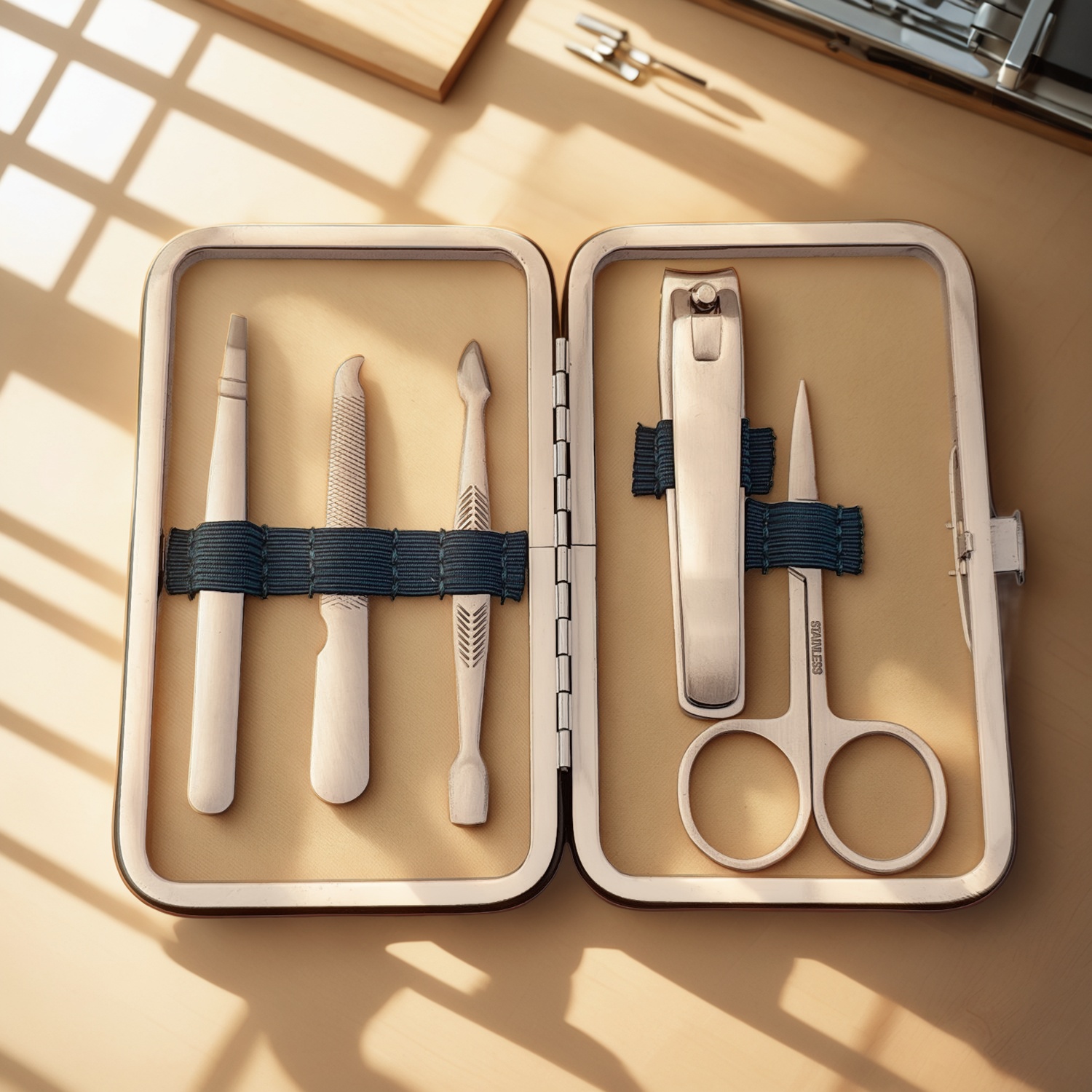
A supplier’s product range matters because grooming tools are often sold as sets rather than single items. The original selection may include options such as a Stainless Steel Manicure Set or a Deluxe Grooming Kit, but the right choice depends on the target customer. A compact manicure set may suit travel retail, hotel amenities or personal gift programs. A larger grooming kit may fit e-commerce bundles, holiday gifts or personal care sections in retail stores.
When assessing a kit, avoid choosing only by the number of pieces. More pieces do not always mean better value if several tools are rarely used or if the case becomes bulky. A strong kit design usually has a clear purpose and a logical tool combination. The buyer should be able to explain why each item belongs in the set.
| Buying question | Why it matters | What to check in samples |
|---|---|---|
| Who is the end user? | Men’s grooming, general manicure, travel use and gifting require different assortments. | Tool size, case style, color direction and ease of use. |
| How will it be sold? | E-commerce, retail shelves and promotional distribution place different demands on packaging. | Photography appearance, barcode or label areas, carton protection and display readiness. |
| Is customization needed? | Logo, packaging color and insert design can affect lead time and cost structure. | Print placement, artwork readability and whether branding looks balanced. |
| What quality level is expected? | A gift set must look refined when opened; a value set must still function safely and consistently. | Finish consistency, tool alignment and packaging cleanliness. |
Customization Without Losing Practicality
Custom beauty tools can help a retailer or brand stand apart, but customization should support the customer experience rather than complicate the product. Common customization decisions include case material or color, logo placement, printed packaging, tool selection and set configuration. Before starting a custom program, prepare a clear brief that explains the target market, sales channel, preferred tool list, packaging concept and any regulatory or labeling needs for the destination market.
Keep in mind that not every element needs to be customized. In many cases, using an established tool shape with a customized case or packaging design is more efficient than changing the tool structure itself. This can reduce development uncertainty while still giving the buyer a distinctive finished product. If you are planning a private-label or bulk order, you can send an inquiry with your intended assortment, packaging preference and estimated order plan so the discussion starts with concrete details.
Artwork review is also important. Small beauty tool packaging leaves limited space for text, icons and brand elements. Overcrowded design can make the product look cheaper, even when the tools are well made. Use clean labeling, readable product information and a visual hierarchy that makes sense at shelf distance and in online product photos.
Inspection Points from Raw Materials to Final Packaging
Beauty tool sourcing should include inspection thinking from the beginning. Even when the supplier manages quality checks internally, buyers benefit from specifying the points that matter to their market. The inspection plan does not need to be complicated, but it should be specific enough to reduce misunderstandings.
- Pre-production confirmation: Approve the product assortment, tool appearance, packaging layout and any logo or label placement before bulk production.
- Material and component review: Confirm that the selected tool finish, case, insert and packaging components match the approved sample direction.
- In-process checks: Monitor visible issues such as polishing marks, alignment problems, loose components or inconsistent assembly.
- Final product inspection: Review function, appearance, count, packaging cleanliness and carton markings before shipment.
- Transit preparation: Check that inner packing and export cartons protect the product from movement, compression and surface abrasion.
For grooming sets, final packaging is not a minor detail. A tool may leave the production line in good condition but arrive with scratches or shifted components if the packaging does not hold it securely. This is especially relevant for giftable kits, where the first impression is created when the consumer opens the case or box.
Communication Questions for Shortlisting a Supplier
A reliable supplier should be able to discuss product details clearly. You do not need to request every technical answer at once, but a structured conversation will quickly show whether the supplier understands bulk beauty tools purchasing. Useful questions include:
- Which grooming tool categories are available for wholesale or custom programs?
- Can the tool assortment be adjusted for a manicure set, travel set or grooming kit?
- What packaging formats are suitable for retail, e-commerce or gifting?
- Where can a logo or brand mark be placed without affecting usability?
- What sample details should be approved before bulk production begins?
- How are finished goods checked before final packaging and shipment?
These questions help move the conversation beyond price and into practical supply capability. They also make it easier to compare responses from different suppliers. If a supplier gives clear guidance on samples, packaging and inspection points, the project is more likely to proceed smoothly.
Building a Better Beauty Tools Sourcing Plan
The best beauty tools supplier in China for your business is the one that fits your product type, customer expectations, packaging needs and ordering process. For some buyers, the priority is a simple and reliable grooming tool line. For others, it is a more refined kit with coordinated packaging and a strong gift presentation. In both cases, success comes from clear product selection, sample review and consistent quality checks.
Olimor Beauty supports buyers looking for high-quality grooming tools wholesale, custom beauty tools manufacturing and bulk purchase options. To explore available directions, review Olimor’s product collections or contact Olimor with your sourcing requirements. A well-prepared brief and a careful sample evaluation will help you choose beauty tools that are practical for the user, suitable for your sales channel and ready for long-term repeat orders.
Tag: