

Factory-Direct Tweezers Sourcing: What Beauty Buyers Should Evaluate
For beauty retailers, lash technicians, brow studios, distributors, and private-label buyers, tweezers are small tools with a large impact on customer trust. A tweezer that feels unstable, loses alignment, or has an uncomfortable grip can quickly become a complaint. That is why many buyers compare tweezers factory direct options instead of relying only on trading layers or mixed wholesale lots.
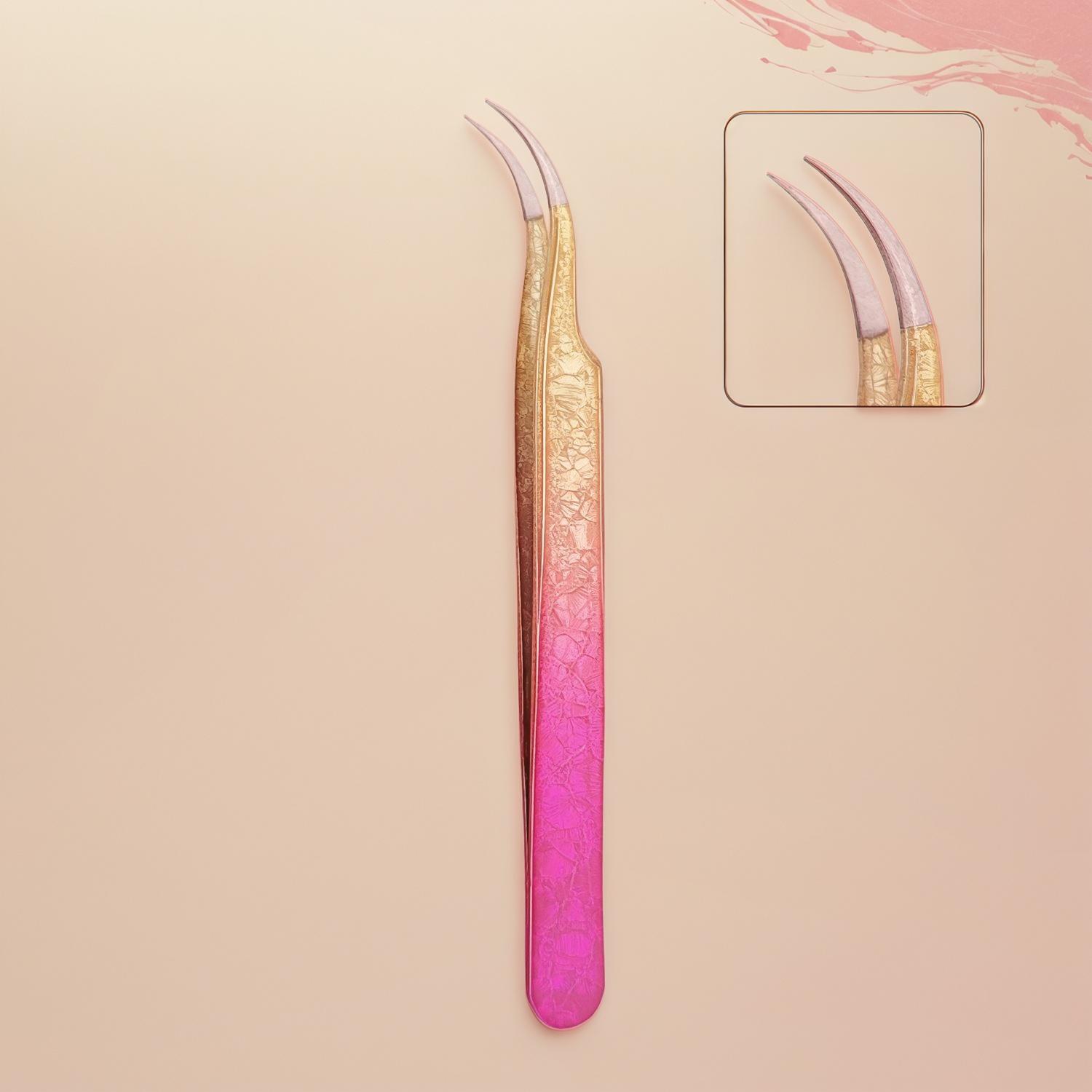
Factory-direct sourcing can help buyers understand how a tool is made, how quality is controlled, and which design details are realistic for their market. Olimor Beauty produces beauty tools including stainless steel tweezers, with options such as multi-color gradient tweezers in warm golden to vibrant pink hues. These tweezers combine visual appeal with functional details such as an ergonomic form, refined texture for grip, and a slight curve for precision tasks like brow shaping and eyelash application.
The key is not simply finding the lowest unit cost. A strong sourcing decision considers consistency, finish, usability, packaging, and whether the product fits the way your customers actually work. The following guide explains how to evaluate factory-direct tweezers with practical buying criteria.
Why Factory-Direct Tweezers Matter for Beauty Tool Buyers
When buying tweezers through a factory-direct channel, the buyer has a clearer path to the production source. This can make communication more practical when discussing tool shape, grip comfort, finish, inspection points, and packaging expectations. It can also reduce uncertainty that sometimes comes from buying anonymous tools through fragmented wholesale channels.
For professional users, tweezers are not decorative accessories. They must close evenly, feel stable in the hand, and support repeat use during detailed work. Brow shaping requires controlled hair removal without excessive hand fatigue. Eyelash application requires a tool that can help isolate, hold, and position delicate materials. A slight curve, when appropriate for the application, can improve visibility and control for certain tasks.
Factory-direct sourcing is especially useful when a buyer wants a consistent product story across retail, salon, or e-commerce channels. Instead of switching between different stock lots, buyers can build around defined characteristics: stainless steel construction, a specific finish direction, a gradient color effect, a certain grip feel, or packaging that supports the selling environment.
Key Product Details to Review Before Ordering
Good tweezers depend on a combination of material, shaping, finishing, and inspection. Stainless steel is commonly valued in beauty tools because it is durable and suitable for frequent handling when properly maintained. However, material alone does not guarantee a good tweezer. The alignment of the tips, the spring tension, the edge finishing, and the surface texture all affect user experience.
Olimor Beauty’s described tweezers include stainless steel construction, ergonomic design, refined texture for a comfortable grip, and a multi-color gradient finish. For buyers, each of these details should be assessed from the perspective of end-user behavior rather than appearance alone.
- Tip alignment: The tips should meet cleanly and consistently when closed. Uneven alignment can make precision work difficult.
- Grip and hand comfort: A refined texture can help users maintain control, especially during detailed brow or lash tasks.
- Tension: The tweezer should not feel too stiff or too loose. Balanced tension supports control over repeated use.
- Finish consistency: Gradient colors, such as warm golden to vibrant pink hues, should look consistent enough for retail presentation.
- Curve suitability: A slight curve can support precision and visibility, but the shape should match the intended task.
- Packaging readiness: Packaging should protect the tips and present the tool appropriately for the selling channel.
Buyers reviewing beauty tool products should compare not only how tweezers look in product photos, but also how they feel during real handling. If the tool will be sold to professionals, comfort during repeated use matters as much as the initial visual impression.
Matching Tweezer Design to the End User
Different customers judge tweezers differently. A retail beauty customer may notice color, packaging, and ease of use first. A brow artist may focus on closing accuracy and grip. A lash technician may pay close attention to tip shape, control, and comfort across long sessions. Before selecting a factory-direct tweezer, define the primary user and the task.
For brow shaping, users often want a tool that grips small hairs without slipping. For eyelash application, control and visibility can be more important than a broad gripping surface. For retail gift sets or beauty kits, the appearance of a gradient finish may help the product feel coordinated and attractive, provided the functional quality is also reliable.
A practical way to narrow the selection is to create a buyer profile before discussing order details. Consider where the tweezers will be sold, who will use them, and what problem they need to solve. This prevents overbuying decorative features while underchecking the functional details.
| Buyer type | Most important checks | Useful sourcing focus |
|---|---|---|
| Brow studio | Tip alignment, grip, hand comfort, repeated-use feel | Consistent precision and reliable finish |
| Lash technician supplier | Control, curve, tension, visibility during application | Task-specific shape and smooth handling |
| Beauty retailer | Appearance, packaging, usability, product consistency | Retail-ready presentation with dependable function |
| Distributor or wholesaler | Batch consistency, packaging protection, communication clarity | Stable supply and clear quality criteria |
Quality Control Questions That Make Factory Sourcing Clearer
A factory-direct purchase should include a discussion of inspection expectations. The original value of direct sourcing is not only price; it is the ability to define what acceptable quality means before products are shipped. Olimor Beauty describes quality checks from raw material selection to final packaging. Buyers can build on that by preparing a clear checklist for their own purchasing process.
Useful quality discussions include tip closure, surface finish, color consistency, tension range, edge smoothness, and packaging protection. For gradient tweezers, buyers should also review how color variation is handled, since visual consistency affects retail presentation. For stainless steel tweezers, buyers should consider how the product should be cleaned and handled by the end user, then ensure packaging or product information does not encourage improper use.
- Define the application: Brow shaping, eyelash application, general grooming, retail kit, or professional supply.
- Confirm the tweezer shape: Straight, curved, slanted, or other forms should be selected according to the intended task. Use named shapes only when they are actually offered.
- Review samples in use: Test comfort, alignment, and grip over repeated motions, not just once.
- Set appearance expectations: Decide what level of finish variation is acceptable for gradient or colored tools.
- Check packaging protection: Tips should be protected from bending, rubbing, or dulling during storage and transport.
- Record approval criteria: Keep written notes or images of the approved sample standard for future comparison.
This checklist helps prevent vague purchasing decisions. A sample that looks attractive may still fail if the tips do not meet properly. Conversely, a simple design can become a reliable seller if it performs consistently and arrives in good condition.
Wholesale and Import Considerations for Tweezers
The tweezers wholesale market includes many product types, finishes, and packaging levels. Importing tweezers from China can give buyers access to broad production options, but a strong buying process still requires careful confirmation. Buyers should compare the total sourcing picture, including communication, sample approval, packaging, lead-time expectations, inspection plans, and shipping protection.
Factory-direct purchasing may reduce the number of intermediaries, but it does not remove the need for clear purchasing documents. Your order records should identify the product finish, color direction, packaging requirements, and any approved sample references. If the tool is part of a larger beauty tool line, compare it with related product collections so the finish, positioning, and retail story feel coherent.
For international buyers, import planning should also account for labeling requirements in the destination market, carton durability, storage conditions, and the way the product will be sold. A tweezer sold in a salon supply channel may need different packaging than one sold online. Online retail packaging must protect the tool through parcel handling, while salon supply packaging may prioritize easy identification and professional presentation.
How to Maintain Tweezers After Purchase
Sourcing a good tweezer is only part of the product experience. Maintenance affects how customers perceive durability. End users should keep tweezers clean, dry, and protected when not in use. The tips should not be used to pry, scrape hard surfaces, or handle materials beyond the tool’s intended beauty use. Even well-made tweezers can lose alignment if dropped or stored loosely with heavier tools.
Retailers and professional suppliers can reduce complaints by including simple care guidance. This does not require exaggerated claims or complicated instructions. Basic maintenance information helps customers get better performance from the tool and understand that precision tips should be protected.
- Wipe the tool after use according to the hygiene practices suitable for the setting.
- Dry thoroughly before storage to help preserve the surface condition.
- Use a protective sleeve, cap, or secure storage area when available.
- Avoid dropping the tweezers, as impact can affect tip alignment.
- Keep precision tweezers separate from bulky tools that may damage the tips.
Building a Better Factory-Direct Buying Process
For buyers comparing suppliers, the strongest approach is to combine product evaluation with sourcing discipline. Start with the customer use case, then review material, shape, finish, grip, and packaging. Confirm what the approved sample looks and feels like, and document practical inspection points before moving into a wholesale order.
Olimor Beauty’s factory-direct tweezers offer buyers a route to stainless steel beauty tools with ergonomic handling and gradient visual appeal. The best fit will depend on your market: professional brow users may prioritize precision and grip, lash users may focus on control and curve, and retailers may need a balance of attractive finish and dependable function.
If you are comparing tweezers for retail, salon supply, or wholesale distribution, prepare your intended use case, packaging expectations, and sample review criteria before making a decision. To discuss sourcing options, contact Olimor or send an inquiry with your project details. A clear brief helps match the tool to the customer, the channel, and the quality expectations that matter most.
Tag: