

Export Quality Tweezers from China: What Beauty Buyers Should Check Before Ordering
Tweezers look simple, but buyers who source them for beauty retail, salon use, promotional kits, or private label assortments know that small differences matter. A tweezer that misses fine hair, loses alignment, stains after cleaning, or feels uncomfortable in the hand can quickly become a customer complaint. For importers looking for export quality tweezers from China, the goal is not only to find an attractive design, but to confirm repeatable performance, clean finishing, safe packaging, and clear production communication.
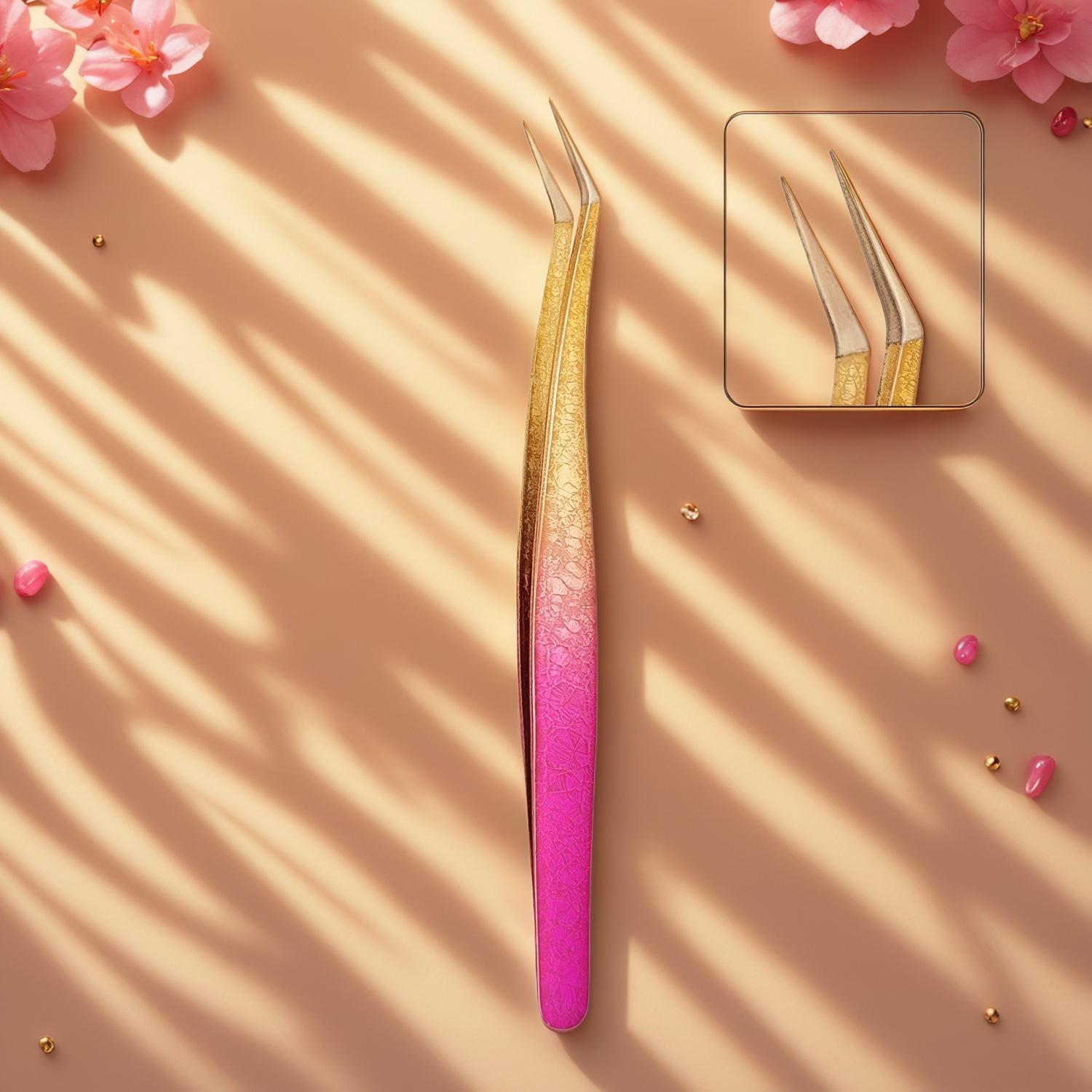
Olimor Beauty offers beauty tools for buyers who need reliable product development and practical sourcing support. The gradient tweezers described here combine a stainless steel body, a gold-to-magenta gradient finish, precision-aligned tips, and a crackle texture that gives each piece a more distinctive look. This guide explains how to evaluate those features in a commercial sourcing context, so you can compare samples, prepare purchase requirements, and reduce preventable quality issues before placing an order.
Why Export Quality Tweezers Need More Than an Attractive Finish
Color and surface design help tweezers stand out in a beauty display, especially when the market includes many plain silver tools. The gradient finish from shimmering gold to vibrant magenta can make the product more suitable for beauty sets, gifting, influencer mailers, or retail ranges that need visual variety. However, export quality depends on how the tool performs after the first impression.
A good tweezer should close evenly, grip fine hairs securely, and feel controlled when used around the brow area. For beauty buyers, this means looking beyond the color and asking whether the manufacturing process supports consistent tip geometry. If the tip edges are uneven, too blunt, or misaligned, the tweezer may pinch skin or fail to remove short hairs. If the body is too flexible, the user may need extra pressure, which makes the tool tiring to use.
When reviewing samples, test tweezers in real use conditions. Check them with fine hair, thread, thin paper, and different hand positions. A visually appealing tool that also performs consistently is more likely to support repeat orders and lower returns.
Material, Tip Alignment, and Grip: The Core Selection Criteria
The original product information highlights stainless steel, corrosion resistance, lasting sharpness, precision-aligned tips, an ergonomic design, and a crackle texture. These are the right categories to examine when sourcing tweezers, but each should be verified through sample handling and written product requirements.
- Stainless steel body: Stainless steel is commonly used for beauty tools because it offers strength and resistance to corrosion when properly manufactured and maintained. Buyers should confirm the material expectation in purchase documents instead of relying only on appearance.
- Tip alignment: The two tips should meet evenly without gaps or crossing. Test several samples from the same batch, not just one presentation sample.
- Edge condition: Tips should grip without feeling jagged. A clean edge helps remove hair accurately and reduces the chance of pulling or slipping.
- Spring tension: The tweezer should open and close smoothly. Too much tension can fatigue the hand; too little can make the tool feel weak.
- Surface finish: The gold-to-magenta gradient should appear even, without obvious spotting, peeling, or rough areas that affect comfort.
- Crackle texture: A texture can improve visual individuality and may support finger control, but it should not create sharp raised points or collect residue easily.
- Ergonomic feel: The body should sit comfortably between the fingers, especially for users who shape brows frequently.
For a broader view of available beauty tools, buyers can review Olimor beauty tool products and compare tweezers with other grooming accessories that may be sourced together in a set.
How to Evaluate Gradient and Crackle Finishes for Retail Use
Decorative tweezers need stronger inspection discipline than plain metal tools because color consistency becomes part of the customer’s perceived value. A gradient finish can be attractive, but buyers should define what variation is acceptable. For example, the transition from gold to magenta may naturally vary slightly between pieces, yet the overall direction, brightness, and surface coverage should remain consistent enough for retail packaging.
The crackle texture described in the product information creates individuality. That can be useful for beauty brands that want a more expressive accessory. Still, texture should be evaluated for practical use. Run a fingertip along the tweezer arms and around the edges. The surface should feel controlled and finished, not sharp, sticky, or uneven. If the product will be included in kits, make sure the texture will not scratch nearby items during transport.
Packaging also affects the final impression. Clear sleeves, cards, cartons, or set boxes should protect the tip alignment and prevent abrasion. Even well-made tweezers can arrive damaged if they move freely in bulk packaging or if the tips are not protected. For export orders, specify whether tip guards, individual sleeves, or other protective packaging are required for your sales channel.
Inspection Checklist for Importing Tweezers from China
A written inspection checklist helps align expectations between the buyer, supplier, production team, and quality control staff. The checklist does not need to be complicated, but it should cover the points that determine whether a tweezer can be sold confidently.
| Inspection area | What to check | Why it matters |
|---|---|---|
| Tip closure | Tips meet evenly with no visible gap | Supports accurate hair removal and fine handling |
| Grip test | Holds fine hair, thread, or thin paper without slipping | Confirms functional precision, not only appearance |
| Surface finish | Gradient color is clean, with no obvious peeling or stains | Protects retail presentation and customer satisfaction |
| Body tension | Arms flex smoothly and return consistently | Improves control during repeated use |
| Edges and corners | No sharp burrs on arms, sides, or texture | Reduces discomfort and handling complaints |
| Packaging protection | Tips are protected from impact and abrasion | Helps maintain alignment during shipping |
Use this checklist when approving pre-production samples and when reviewing shipment samples. If your order includes multiple colors, finishes, or packaging versions, inspect each version separately. Quality issues often appear when a small change is made to coating, artwork, or packaging material.
Questions to Settle Before Choosing a Tweezers Supplier
A reliable tweezers supplier should help buyers clarify the production details that affect consistency. Before confirming a purchase, define the specification in practical language. Avoid vague requirements such as “good quality” or “premium finish.” Instead, describe the expected material, finish appearance, tip shape, packaging method, and inspection criteria.
Useful questions include: What sample will be used as the approved standard? How will tip alignment be checked during production? How will the gradient finish be compared across batches? What packaging is needed to protect the tips during export transport? What product information, warning text, or barcode requirements will be supplied by the buyer? These questions are especially important for importers building a beauty range, because the tweezer may need to match other tools in color, packaging, or retail positioning.
If you are planning a coordinated sourcing project, Olimor product collections can help you think beyond one item and consider how tweezers, grooming tools, and other accessories may work together in a cohesive product line.
Maintenance Guidance to Include for End Users
End-user care instructions are often overlooked, but they can reduce complaints and help customers keep tweezers performing longer. Stainless steel is selected for durability and corrosion resistance, yet beauty tools still need reasonable care after use. If tweezers are exposed to cosmetics, skin oils, moisture, or cleaning products, residue should be removed and the tool should be stored dry.
- Wipe the tips after use to remove hair, oil, or cosmetic residue.
- Dry the tweezers before storage, especially after cleaning.
- Use a tip guard or protective pouch when carrying them in a makeup bag.
- Avoid dropping the tweezers, as impact can affect alignment.
- Do not use brow tweezers as a general household tool, because prying or bending can damage the tips.
For retail brands, these care points can be adapted into packaging inserts or online product descriptions. Clear care guidance is a simple way to support customer satisfaction without making unsupported technical claims.
When Export Quality Tweezers Fit Your Product Range
Gradient stainless steel tweezers with precision-aligned tips are suitable for several buyer profiles. Beauty retailers can use them as a standalone brow tool with a more colorful presentation than standard silver tweezers. Salons may prefer them for retail add-ons, provided the finish and tip performance meet their handling needs. Gift set buyers can pair them with other grooming accessories, while craft or delicate handling users may value the secure grip for small components.
The best sourcing decision comes from matching the tweezer to the real use case. If the product is mainly for brow shaping, prioritize tip accuracy, tension, and comfort. If it is for a giftable beauty set, finish consistency and packaging presentation become especially important. If it is for a private label range, define how the product should coordinate with the rest of the line before production starts.
Olimor Beauty supports buyers looking for beauty tools that balance appearance and function. To discuss sourcing needs, sample evaluation, or product requirements, you can contact Olimor or send an inquiry with your target market, packaging expectations, and inspection priorities. A clear brief makes it easier to evaluate whether a tweezer design is ready for export retail use and long-term supply.
Tag: