

Export Quality Tweezers: How to Source Precision Tools for Beauty Retail and Salon Use
Export quality tweezers are small tools, but they can strongly influence how customers judge a beauty kit, salon station or retail grooming line. A tweezer that grips cleanly, feels balanced in the hand and keeps its finish through repeated use creates confidence. A tweezer with misaligned tips, rough edges or inconsistent tension creates returns, complaints and wasted time.
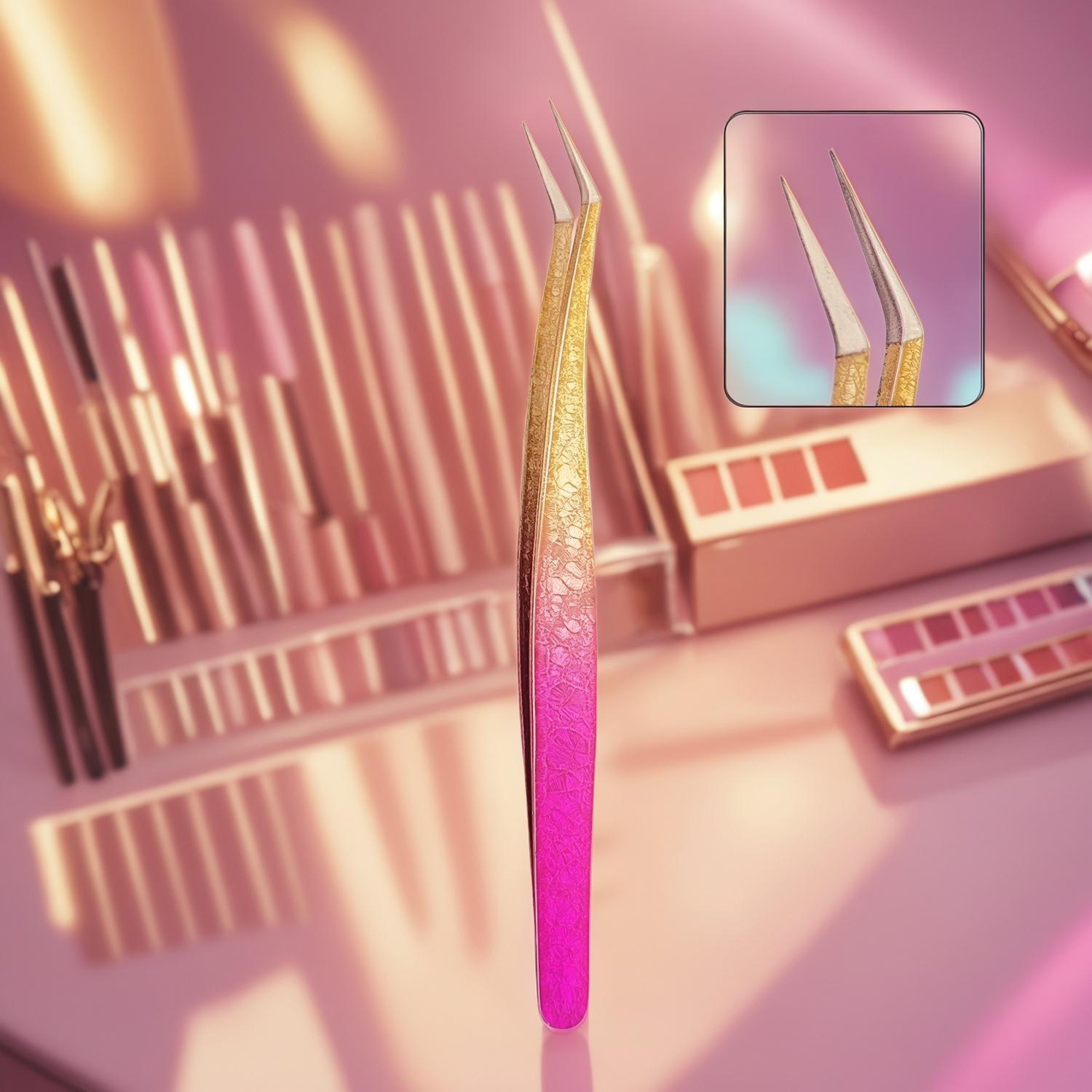
For buyers sourcing beauty tools, the goal is not simply to find a tweezer that looks attractive in a product photo. The more important question is whether the tool is built for repeated, precise use. Olimor Beauty works with buyers who need practical, presentable tweezers for beauty and grooming applications, including options such as the Gradient Gold Pink Tweezer, which combines a gold-to-pink gradient finish with an ergonomically curved body and angled sharp tips.
This guide explains what to evaluate when choosing export quality tweezers, how factory-direct sourcing can help, and what import buyers should prepare before placing an order.
What “Export Quality” Should Mean for Tweezers
“Export quality” should describe more than appearance. In beauty tools, it should refer to consistent construction, reliable finishing and inspection standards that make the product suitable for international retail, salon supply or private distribution channels.
For tweezers, the most important quality points are practical and easy to verify. The tips should meet evenly, the gripping edges should hold fine hairs without cutting or slipping, and the spring tension should feel controlled rather than weak or overly stiff. The body should not have burrs, sharp unfinished edges or coating defects that affect comfort during use.
Stainless steel construction is a useful baseline because it supports durability for grooming tools. However, the buyer still needs to look at how the tweezer is shaped, finished and inspected. A tweezer made from stainless steel can still perform poorly if the tips are not aligned or if the tension varies from piece to piece.
Tip Alignment, Tension and Grip: The Real Performance Tests
The tip is the working part of the tweezer, so it deserves the closest attention. For brow shaping, stray hair removal and lash-related tasks, the tool must close precisely at the intended contact point. Angled sharp tips, such as those described for the Gradient Gold Pink Tweezer, are useful for controlled access around brows and other detailed grooming areas.
When evaluating samples, buyers should test several pieces rather than relying on one ideal unit. Check for consistency across the batch, especially if the product will be sold under a retail program or used in professional environments. A good sample review should include the following checks:
- Tip meeting point: The two arms should close evenly without visible gaps at the gripping edge.
- Hair grip: The tips should hold fine hairs securely without excessive force.
- Tension: The tweezer should open and close smoothly, with enough resistance for control.
- Edge comfort: The body should feel finished and safe to hold, without rough corners.
- Repeat use: Performance should remain stable after repeated opening and closing during testing.
These checks are simple, but they reveal many production issues early. They also help the buyer define a realistic quality benchmark before confirming packaging, finish or quantity planning.
Finish and Ergonomics Matter for Beauty Retail
Appearance is not the only quality factor, but it is important in the beauty category. Tweezers often sit in brow kits, lash tool sets, salon retail displays or personal grooming pouches. The finish should match the intended market position and remain visually consistent from piece to piece.
The Gradient Gold Pink Tweezer is an example of a design-led beauty tool, with a dual-tone gradient finish transitioning from gold to pink. This type of finish is well suited to retail beauty assortments where color, shelf appeal and gifting value matter. At the same time, the look should not distract from function. A decorative tweezer still needs aligned tips, stable tension and a comfortable grip.
Ergonomics are especially relevant for salons, brow technicians and frequent users. An ergonomically curved body can help the tool sit naturally in the hand and support controlled movement. For professional settings, comfort becomes a productivity issue: a tool that creates hand fatigue during repeated use is less desirable, even if it looks premium.
Why Work With a Long-Term Tweezers Supplier
For retailers, distributors and beauty brands, repeatability matters. A long-term tweezers supplier can help maintain continuity in tool feel, finish expectations and order communication. This is particularly important when a tweezer is part of a broader product line, a seasonal promotion or a salon supply program.
Changing suppliers frequently can create visible differences in finish, color tone, tip sharpness, packaging fit or inspection criteria. Those differences may seem small internally, but customers often notice them when they reorder a familiar tool. A consistent sourcing relationship also makes it easier to refine specifications over time, such as preferred tip angle, finish requirements or packaging presentation.
Buyers exploring Olimor Beauty can review broader beauty tool products to compare how tweezers may fit into a wider assortment. If the goal is to build a coordinated range, browsing product collections can also help identify how different grooming and cosmetic tools may be grouped for retail or salon use.
Factory-Direct Sourcing: Benefits and Buyer Responsibilities
Tweezers factory direct sourcing can reduce communication layers and help buyers discuss quality expectations closer to production. It may also improve clarity around finishes, packaging, inspection points and repeat orders. However, factory-direct buying works best when the buyer prepares clear requirements rather than relying on broad terms such as “premium” or “luxury.”
Before confirming an order, define the details that affect both user experience and commercial success. A practical sourcing brief may include:
- The intended use, such as brow grooming, retail beauty kits, salon tools or promotional sets.
- The desired tip style and the expected grip performance for fine hairs.
- Preferred body shape, including whether an ergonomic curve is required.
- Finish expectations, such as a gold-to-pink gradient look or another approved surface appearance.
- Packaging format, label requirements and any regional retail compliance needs.
- Inspection priorities, especially tip alignment, surface defects and functional tension.
Clear sourcing notes reduce misunderstandings. They also make sample evaluation easier because each sample can be judged against defined expectations instead of personal preference alone.
Importing Tweezers From China: What to Prepare
Importing tweezers from China can be efficient for buyers who want access to beauty tool manufacturing and export experience. Still, a smooth import project depends on preparation. Buyers should understand the target market, packaging language needs, shipment planning and any retailer-specific requirements before production decisions are finalized.
A useful import checklist includes product specification, approved sample reference, packaging artwork, carton marking requirements, inspection method and delivery schedule. If the tools are being used in a branded retail line, the approved sample should be kept as a physical reference for future comparison. This helps avoid disputes about finish shade, tip feel or body shape in later orders.
For buyers new to a supplier, it is sensible to start with detailed sample review and clear written confirmation of functional points. If the project involves custom presentation, packaging or coordinated assortments, planning should begin early enough to allow review and adjustments before shipment deadlines.
Care and Maintenance Guidance for End Users
Good tweezers last longer when customers know how to care for them. For retail programs, adding simple care instructions can reduce misuse and support customer satisfaction. The guidance does not need to be complicated, but it should be practical.
- Wipe the tips after use to remove oils, makeup residue or debris.
- Store tweezers in a dry place to help protect the finish and working edges.
- Use a protective sleeve or pouch when placing tweezers in a makeup bag.
- Avoid dropping the tool, as impact can affect tip alignment.
- Do not use brow tweezers for hard objects or non-beauty tasks that may damage the tips.
These instructions are especially helpful for decorative finishes, including gradient or colored styles. Proper storage helps maintain both appearance and function.
Choosing the Right Tweezer for Your Assortment
The best tweezer depends on the buyer’s sales channel and user expectations. A salon-focused buyer may prioritize consistent tension and long-session comfort. A retail beauty buyer may place more weight on finish, packaging and giftability, while still requiring reliable tip performance. A distributor may need a balanced option that appeals to multiple customer types.
The Gradient Gold Pink Tweezer is suitable for buyers seeking a visually distinctive tweezer with functional details such as an ergonomically curved body and angled sharp tips. Its gold-to-pink gradient finish gives it strong beauty-category appeal, while the practical shape supports controlled grooming tasks.
When comparing options, avoid selecting purely by appearance or lowest unit cost. A better decision comes from testing samples, reviewing finish consistency, confirming packaging needs and considering whether the supplier can support the same expectations in future orders. For project discussions or sourcing details, buyers can contact Olimor or send an inquiry with their intended use, finish preference and packaging requirements.
Final Thoughts for Beauty Tool Buyers
Export quality tweezers should combine reliable performance with a finish that suits the beauty market. For importers, salons, retailers and distributors, the key is to evaluate the tool as both a precision instrument and a customer-facing product. Tip alignment, tension, stainless steel construction, surface finish, packaging and supplier continuity all influence the final result.
By treating tweezers as a specification-driven product rather than a simple accessory, buyers can build assortments that feel consistent, look polished and perform well in everyday grooming use. Factory-direct communication, careful sample testing and clear quality checkpoints make the sourcing process more dependable from the first order to repeat supply.
Tag: