

Tweezers OEM Solutions for Precision Beauty Tool Brands
For beauty tool brands, tweezers look simple at first glance, but small design choices can strongly affect grip, comfort, control and perceived quality. A tweezer that does not align correctly, slips on fine hair, feels awkward in the hand or loses tension too quickly can damage customer trust. That is why tweezers OEM sourcing should be treated as a product development decision, not only as a purchasing task.
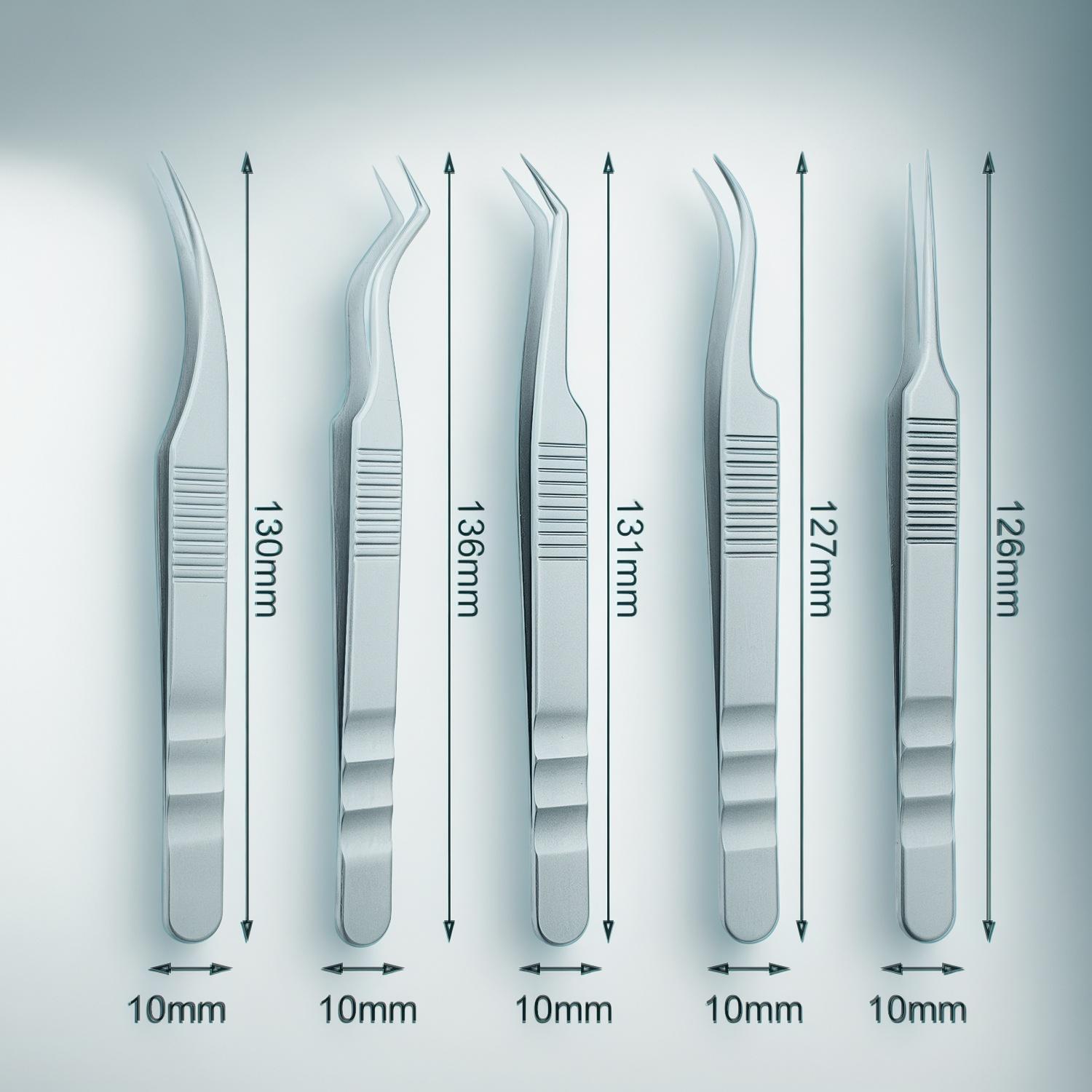
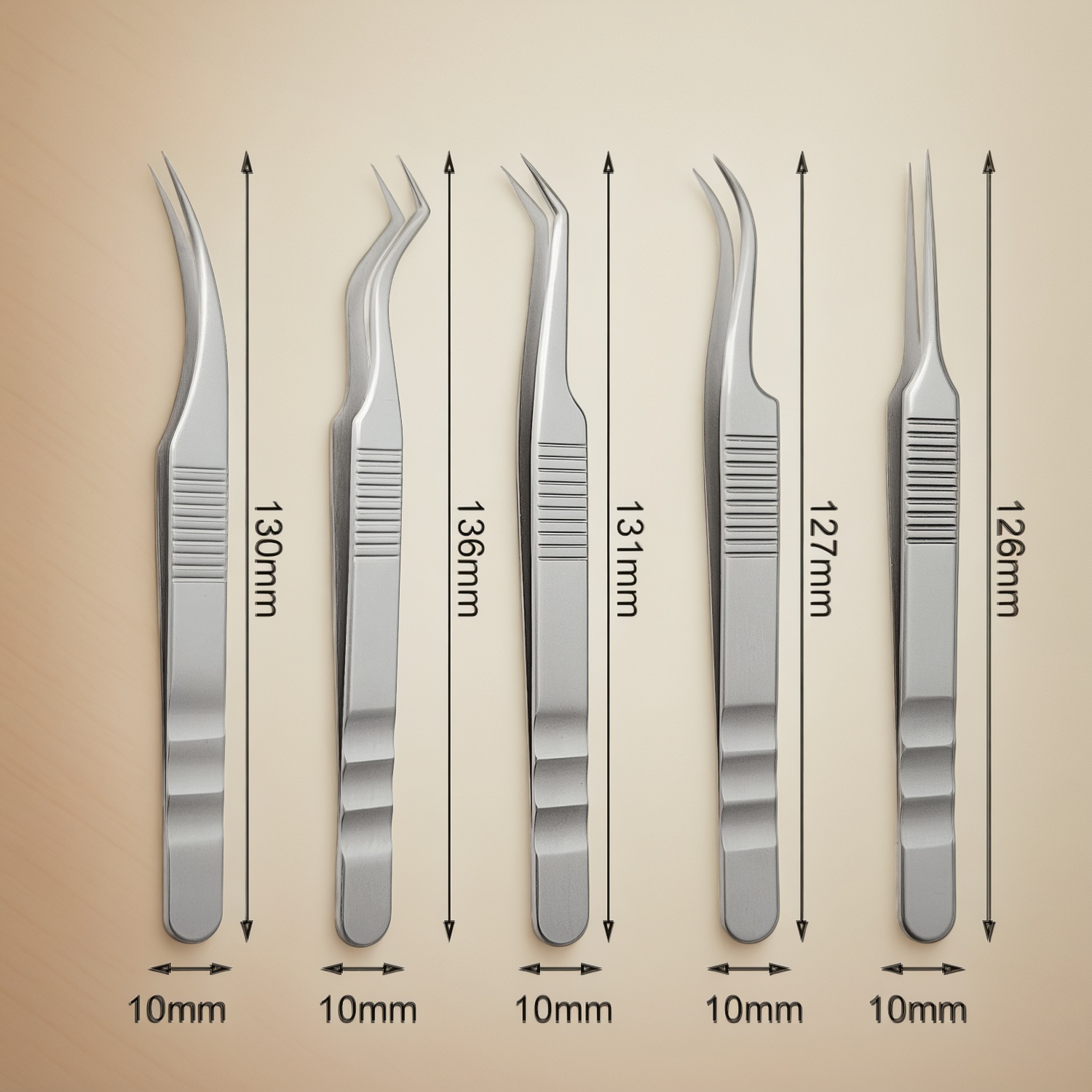
Olimor Beauty works with brands that need OEM custom tweezers for beauty routines, professional salons and other precision-use scenarios. The available range described here includes five carefully engineered stainless steel tweezer options, with lengths from 126mm to 136mm and a consistent 10mm width designed to support a stable grip. These tools are suited to beauty applications as well as precise work in crafts, jewelry handling, electronics assembly and laboratory settings.
What Makes Tweezers OEM Different from Buying Ready-Made Tools?
Buying a ready-made tweezer may be enough for a small retail test, but OEM sourcing gives a brand more control over the product experience. With OEM custom tweezers, the buyer can evaluate which shapes, lengths and grip characteristics match the intended user. A brow specialist, a home beauty customer and a craft user may all need precision, but they do not always need the same tip profile or handling feel.
For a beauty brand, OEM selection is also connected to positioning. A tweezer sold in a premium grooming set should feel consistent with the rest of the line. Its finish, tension, alignment and packaging expectations should support the same quality message. If the tool is part of a broader assortment, it should also fit logically with other beauty tool products so customers can understand why each item belongs in the range.
A practical OEM process usually begins with the end user. Consider whether the tweezers will be used for eyebrow shaping, lash and brow grooming, fine object handling, splinter removal, craft placement or product kits. The application affects the suitable tip angle, working length and grip feel. Good sourcing starts with these use cases before moving into finish, packaging or assortment planning.
Key Selection Criteria for OEM Custom Tweezers
When comparing tweezer options, buyers should look beyond appearance. A polished or refined metallic finish can make the tool attractive, but performance depends on the details of alignment, hand feel and repeatable production control. The original Olimor Beauty range emphasizes stainless steel construction, ergonomic designs and quality checks from raw materials to final assembly. Those points are important because tweezers are handled closely and used repeatedly.
- Material: Stainless steel is commonly chosen for professional beauty tools because it offers a clean look and practical durability for repeated handling.
- Length: The described range covers 126mm to 136mm, giving buyers options for different handling preferences and use cases.
- Width: A uniform 10mm width supports consistent grip planning across the range.
- Tip shape: Straight, curved, arcuate and angular profiles can serve different precision tasks.
- Grip comfort: Ergonomic design helps reduce hand fatigue during repeated use, especially in salon or assembly environments.
- Finish and feel: A refined metallic finish can support a professional product image when paired with reliable alignment and tension.
- Inspection points: Raw material checks, in-process review and final assembly inspection help reduce inconsistency between units.
Understanding the Five Tweezer Options in the Range
The supplied product information identifies five engineered tweezer models within the range, with lengths from 126mm to 136mm. Not every specification is listed for every model, so a buyer should evaluate samples and confirm the final configuration before placing a production order. The known details are still useful for planning a product line or comparing intended use cases.
| Known option | Stated length | Best-fit sourcing consideration |
|---|---|---|
| Straight variant | 126mm | Useful for intricate jewelry work and other tasks where direct tip control is preferred. |
| Curved model | 130mm | Designed for gentle precision where the user may need improved visibility around the working point. |
| Angular model | 131mm | Suited to detailed tasks where an angled approach can help placement or access. |
| Arcuate model | 136mm | Useful for working in tight spaces where a curved access path may improve control. |
| Additional model in the range | Within 126mm to 136mm range | Should be assessed by sample testing against the target application and packaging plan. |
This type of comparison helps avoid a common sourcing mistake: choosing tweezers only by what looks visually appealing in a catalog image. The more reliable approach is to assign each shape to a use case. For example, a straight 126mm tweezer may be easy to explain in a detail-focused craft or jewelry context, while a curved 130mm model may be more attractive for users who need gentle precision around small areas.
How to Match Tweezer Design to Beauty and Precision Uses
Different users judge tweezers in different ways. A salon professional may care about comfort over many repeated motions. A retail beauty customer may judge the product by how quickly it grips fine hair. A craft or electronics user may value tip visibility and the ability to place small items without obstruction. OEM planning should translate these needs into clear product requirements.
For eyebrow and general beauty grooming, alignment and closing feel are especially important. If the tips do not meet evenly, the user may squeeze harder, which increases fatigue and frustration. For detailed craft or jewelry work, the tool should give the user predictable control at the tip. For electronics assembly or laboratory handling, buyers often focus on precision, cleanliness of finish and consistency between units.
Because the same tweezer range may serve multiple categories, brands can also consider assortment design. One approach is to offer a small set with clearly different functions: one straight option for direct precision, one curved or arcuate option for access, and one angular option for detailed placement. This makes the product line easier for customers to understand and easier for sales teams to explain.
Quality Checks That Matter Before Production Approval
Olimor Beauty emphasizes strict internal quality control, including checks from raw materials through final assembly. For buyers, the goal is to define what acceptable quality looks like before production begins. This does not require overcomplicating the process, but it does require attention to the points that affect user satisfaction.
- Review sample alignment: Close the tweezers gently and check whether the tips meet evenly across the intended contact area.
- Test grip on realistic materials: Use the tool on fine hair, small craft pieces or other objects similar to the final customer use.
- Assess tension: The tweezer should provide control without requiring excessive pressure during repeated use.
- Check edge comfort: Handle the tool for several minutes and look for sharp edges or uncomfortable pressure points.
- Compare multiple samples: Consistency across samples is more important than one perfect unit.
- Inspect finish: The surface should support the intended product positioning and avoid obvious visual defects.
- Confirm packaging fit: The selected length and shape should sit securely in the planned pouch, tray, card or kit.
These checks are useful whether the tweezers are sold as a standalone tool or included in a grooming set. They also help purchasing, product and quality teams communicate with the same evaluation language.
Sourcing Decisions for Brands Building a Tweezer Line
A dependable tweezers supplier should be able to support both product selection and repeatable quality. For OEM custom tweezers, sourcing decisions should include the target customer, preferred application, length range, tip shape, finish expectations, packaging method and inspection criteria. When these decisions are documented early, sample review becomes faster and less subjective.
Brands should also consider how the tweezer fits into the wider product architecture. If it is one item in a brow care kit, the shape and finish should coordinate with related tools. If it is sold for multi-purpose precision work, the product description should explain suitable uses without overstating performance. Clear positioning reduces returns and helps customers choose the right tool.
Olimor Beauty provides OEM tweezer solutions for businesses seeking stainless steel precision instruments with ergonomic handling and professional-grade quality control. To explore related options, review Olimor product collections or send an inquiry with your target use case, preferred tweezer shape and packaging plan. If your team is comparing several tool categories at once, you can also contact Olimor to organize the sourcing discussion.
Maintenance Guidance to Improve Customer Satisfaction
Even a well-made tweezer performs best when it is cared for properly. Brands can improve the customer experience by including simple care instructions in packaging or product pages. After use, the tool should be wiped clean and stored so the tips are protected from impact. Dropping tweezers onto a hard surface can affect alignment, especially at the precision tip area.
Customers should avoid using fine beauty tweezers as general household prying tools, as misuse can alter tip contact and tension. For salon or shared-use environments, cleaning practices should follow the business’s hygiene procedure and the expectations of the local market. A short care note can reduce complaints and reinforce the perception that the product is a precision instrument rather than a disposable accessory.
Building a Better OEM Tweezer Brief
The strongest OEM projects usually begin with a concise, practical brief. Include the intended sales channel, target user, primary application, preferred length or shape, finish direction, packaging format and quality priorities. If you are not sure which tip profile to choose, request samples that represent different working styles and test them with the people who will actually use or sell the tool.
For beauty brands, the right tweezer can strengthen an entire product range. By focusing on material, shape, ergonomic comfort, inspection and honest use-case positioning, buyers can create tools that feel reliable in the hand and make sense to the end customer. Olimor Beauty’s tweezers OEM service is designed to support that process with precision stainless steel options, multiple shapes and internal quality control from material review through final assembly.
Tag: