

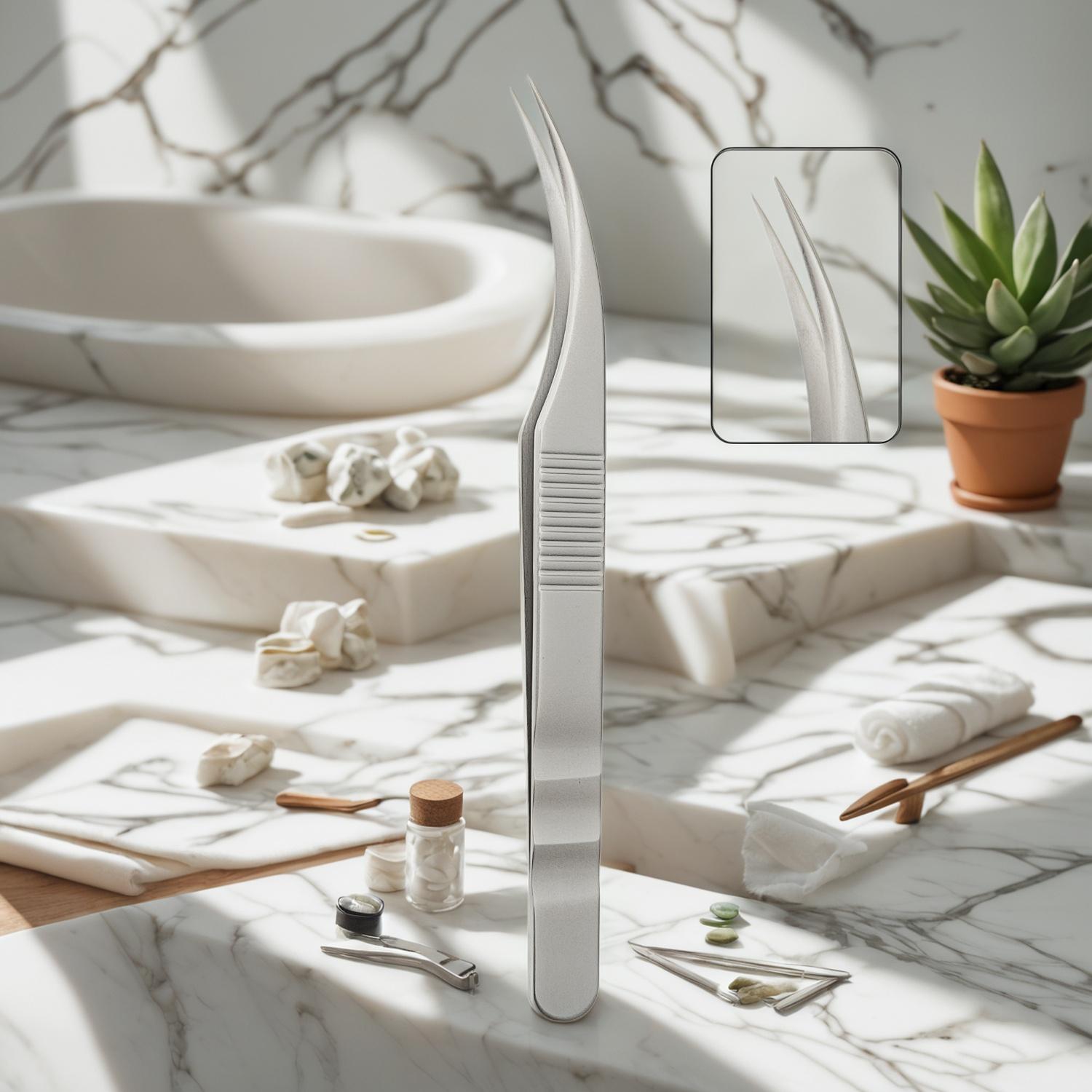
Tweezers OEM Services for Precision Beauty Tool Brands
For a beauty tool brand, tweezers look simple until customers begin using them every day. A pair that does not meet cleanly at the tip, feels slippery in the hand, or loses alignment after repeated use can create returns and weaken trust in the product line. That is why tweezers OEM work should be treated as a precision sourcing project rather than a basic accessory purchase.
Olimor Beauty supports brands looking for OEM custom tweezers that can be adapted for beauty procedures, fine grooming, electronics handling, artisanal crafting, watchmaking and other detailed tasks. The right approach begins with defining the user, the task and the quality expectations before moving into material, tip shape, handle texture, packaging and inspection requirements.
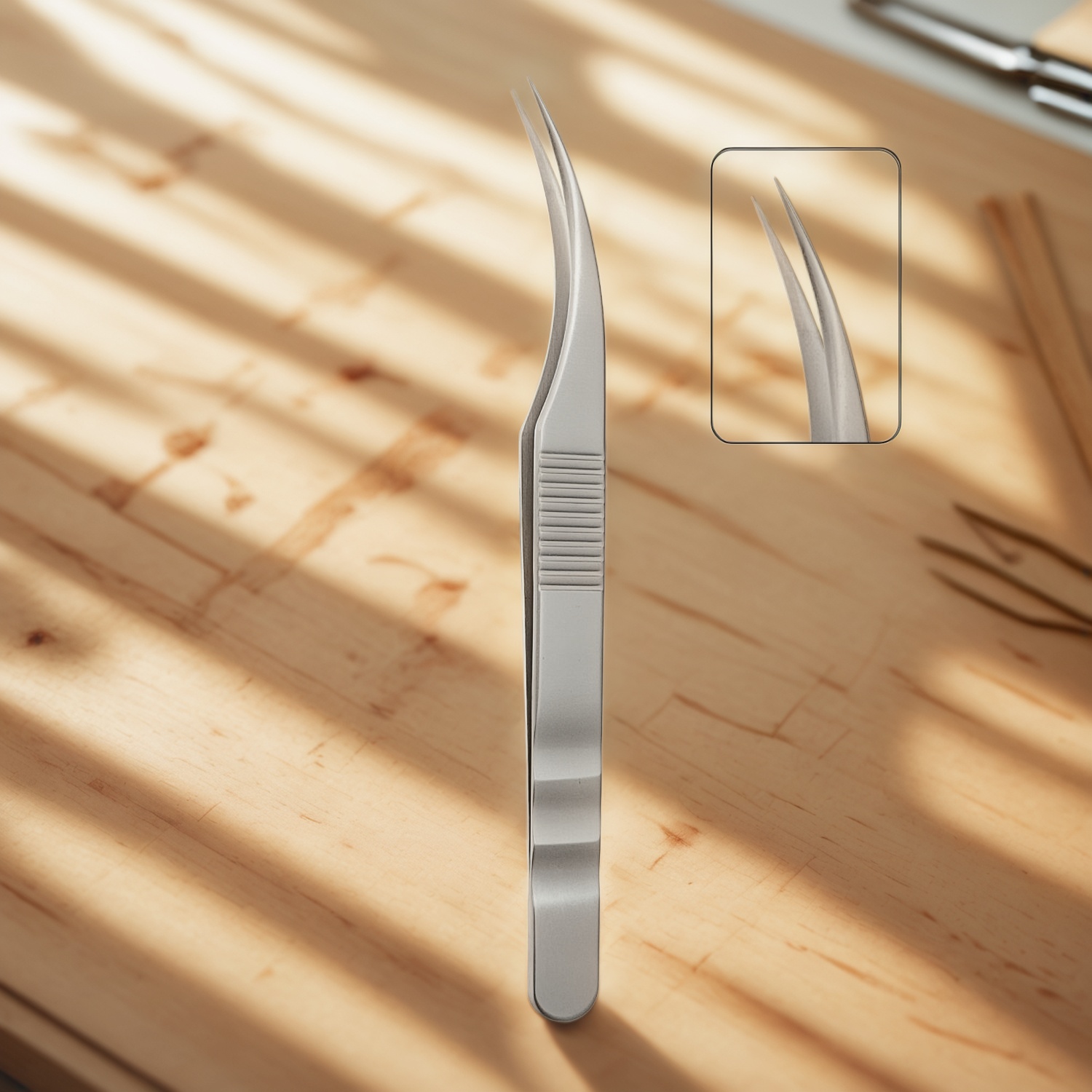
What a Tweezers OEM Project Should Define First
Before discussing color, logo placement or packaging, a buyer should decide exactly how the tweezers will be used. Eyebrow shaping, lash work, ingrown hair removal, electronics assembly and craft placement all require slightly different handling. A fine tip may help with precise selection, while a curved fine-tip option can improve visibility and access in certain beauty or detail work. For some users, a textured handle is more important because it provides a steadier grip, including in damp or wet conditions.
A clear OEM brief reduces sampling delays and helps the supplier evaluate what is feasible. Instead of saying only “custom tweezers,” describe the intended customer and selling channel. A salon-focused tool may require a different feel from a retail beauty kit or a hobby tool sold for delicate placement work. Brands reviewing multiple beauty tool products should also consider whether the tweezers need to match other tools in finish, packaging style or positioning.
Key Selection Criteria for OEM Custom Tweezers
Good tweezers are judged by small details. When comparing samples or preparing a specification, focus on the elements that directly affect user experience and product consistency. The following checklist can help purchasing, product development and quality teams discuss requirements in the same language.
- Tip meeting and alignment: The two tips should meet evenly enough for the intended task. Fine work depends on control at the very end of the tool.
- Tip style: Straight, angled, pointed or curved fine-tip designs serve different purposes. Choose according to the user’s task, not only the visual design.
- Material expectation: Stainless steel is commonly preferred for tweezers because it supports durability and helps resist rust and corrosion when properly cared for.
- Handle grip: Textured handles can improve control, especially when users work for long periods or when hands may be slightly damp.
- Spring tension: The tweezer body should have enough rebound for repeated use without feeling too stiff or too loose.
- Edge comfort: Surfaces that contact the fingers should feel controlled and comfortable rather than sharp or unfinished.
- Weight and balance: Lightweight yet robust tweezers can reduce hand fatigue while still giving the tool a reliable feel.
- Packaging fit: Protective packaging should prevent tip damage during storage and transport.
Matching Tweezer Designs to Real Use Cases
OEM customization is most effective when design choices are linked to use cases. A beauty technician may value a fine, controlled tip for detailed grooming work, while a watchmaker or electronics worker may care more about precise handling of tiny components. Artisanal crafters may need a tool that can pick up decorative parts without slipping. A retail customer may judge the product first by appearance, but repeat satisfaction will depend on how accurately the tips work.
Curved fine-tip tweezers can be helpful where visibility and access matter, because the curve may keep the user’s hand from blocking the work area. Textured handles are useful when stability is a selling point, particularly for salon use or detailed hobby work. For brands building a wider tool range, it can be useful to compare potential designs across related product collections so that each tweezer has a clear role instead of duplicating the same function.
Quality Control Points from Raw Materials to Packaging
Quality assurance for tweezers should not be limited to a final visual check. Olimor Beauty emphasizes inspection from raw materials to packaging, which is important because defects can appear at different stages. Material condition, shaping, polishing, tip finishing, alignment, logo application and packing all affect the final impression.
When planning an OEM order, buyers can prepare an inspection standard that separates critical issues from minor appearance variations. Critical issues are the problems that make the product fail at its core function, such as poor tip contact, severe misalignment, unsafe burrs or damaged tips. Minor issues may include small cosmetic variations that do not affect performance, though these still matter for premium positioning.
| Inspection Area | Why It Matters | What to Review |
|---|---|---|
| Raw material condition | Supports durability and resistance to corrosion | Surface cleanliness, visible defects and consistency |
| Tip finishing | Determines whether the tweezer can grip precisely | Tip contact, symmetry and smoothness |
| Handle surface | Affects comfort and control | Texture, grip feel and absence of sharp edges |
| Logo or branding | Protects brand presentation | Position, clarity and consistency |
| Packaging | Prevents damage before sale | Tip protection, cleanliness and product fit |
Customization Decisions That Affect the Final Product
OEM custom tweezers may include several layers of customization, but every choice should support the market position. A minimal professional tool may use restrained branding and protective packaging. A consumer beauty item may require a more polished presentation. A functional kit may prioritize protective caps or packaging that keeps the tip from being bent.
Brand owners should think carefully about tip shape, surface finish, handle texture, logo method and packaging before confirming samples. Laser-precise fine tips and textured handles can help communicate precision and control, but they must be paired with consistent manufacturing and inspection. A beautiful finish cannot compensate for poor grip at the tips, and a precise tip can still create a poor customer experience if the packaging allows it to be damaged in transit.
For product teams comparing options, it is helpful to prepare a short scoring sheet for each sample. Rate tip alignment, comfort, grip, visual finish, packaging protection and overall suitability for the target user. This makes sample evaluation more objective and easier to share between purchasing, marketing and quality teams.
Working with a Tweezers Supplier Without Overlooking Details
A reliable tweezers supplier should be able to discuss both the product’s appearance and its functional requirements. Buyers do not need to know every manufacturing term, but they should communicate intended use, expected finish, packaging needs and quality priorities. Clear communication is especially important for brands launching a new product line or replacing an existing supplier.
Useful questions to prepare include:
- What tip shape is best suited to the target use case?
- How will tip alignment and gripping performance be checked?
- What stainless steel option is appropriate for the intended market and care instructions?
- Can the handle include texture for improved grip?
- How will the tweezers be protected during packaging and shipping?
- What artwork files are needed for logo or packaging review?
- How should sample feedback be documented before production confirmation?
These questions help prevent vague approvals. Instead of approving a sample only because it looks attractive, buyers can confirm whether it works for the promised function and target customer.
Care and Maintenance Information to Include for End Users
Even well-made stainless steel tweezers benefit from basic care guidance. Adding simple care instructions to packaging, inserts or product pages can reduce complaints and help customers use the tool correctly. The guidance does not need to be complicated: keep the tips clean, dry the tool after exposure to moisture, store it with tip protection when possible, and avoid dropping it on hard surfaces because impact can affect alignment.
For salon or professional environments, users may have their own cleaning routines, but the product information should still emphasize protecting the tips and preventing unnecessary corrosion risks. For consumer retail, clear care instructions can be a selling point because they show that the brand understands long-term use rather than treating the tweezer as a disposable accessory.
When to Choose OEM Custom Tweezers for Your Brand
OEM tweezers make sense when a brand needs more than a generic stock item. If your target market expects consistent performance, coordinated packaging, a specific grip style or a defined professional look, OEM development gives you more control over the final product. It is also useful when building a cohesive tool range where tweezers need to match other beauty accessories in presentation and quality level.
Olimor Beauty works with brands that need practical customization for precision tools, including stainless steel tweezers, ergonomic designs, curved fine-tip options and textured handles. Whether the product is intended for beauty technicians, watchmakers, meticulous hobbyists or retail beauty customers, the strongest result comes from a clear specification and careful sample review.
If you are planning a new tweezer product or comparing sourcing options, you can send an inquiry with your intended use, preferred design direction and packaging expectations. For broader product planning or supplier communication, you may also contact Olimor to discuss how OEM tweezers can fit into your beauty tool range.
Tag: