

Nail Clipper Factory Sourcing: What Buyers Should Check Before Ordering
A nail clipper is a small product, but for retailers, distributors, salons, travel kits, and private-label grooming brands, it is not a small sourcing decision. Customers notice quickly when a clipper feels flimsy, pulls at the nail, leaves rough edges, or loses alignment after short use. That is why choosing the right nail clipper factory matters as much as choosing the product shape or finish.
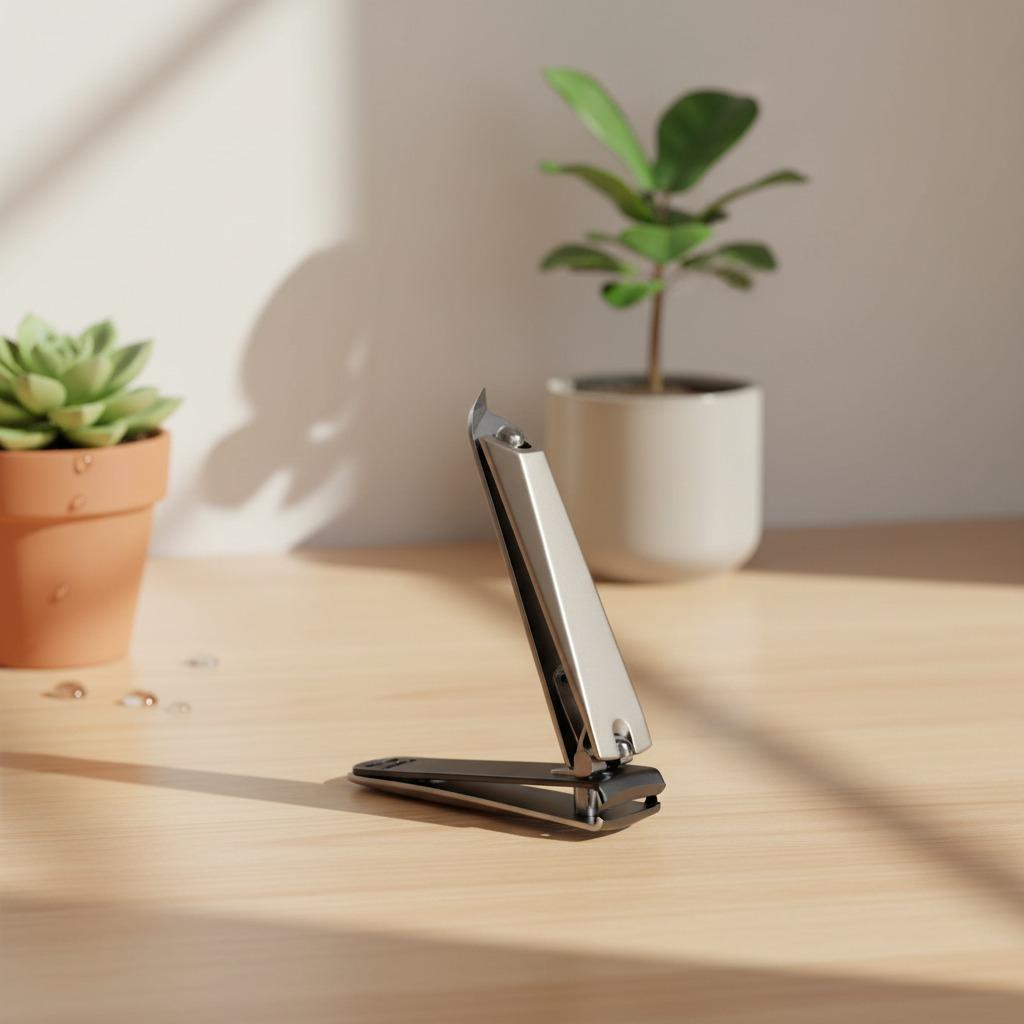
Olimor Beauty supplies nail clippers for wholesale and OEM needs, with a focus on practical everyday grooming tools that can fit retail, promotional, and brand programs. The nail clipper described here is compact and portable, measuring 70mm in height and 15mm in width, with a weight of about 30 grams. Its metallic finish, curved blade design, lightweight construction, and comfortable grip make it suitable for routine fingernail trimming and quick touch-ups.
This guide is written for buyers comparing a China nail clipper manufacturer, reviewing wholesale nail clipper options, or preparing an OEM inquiry. It explains the selection points that influence long-term customer satisfaction: cutting performance, material and finish, handling, inspection, packaging, and ordering questions.
Why the Factory Behind a Nail Clipper Matters
Many nail clippers look similar in a catalog photo, but their real quality depends on manufacturing control. The blade edge, jaw alignment, lever tension, plating or finishing consistency, and final inspection all affect how the tool performs. A good nail clipper should cut cleanly without excessive pressure, feel stable in the hand, and keep the user from needing repeated passes on the same nail.
For a wholesaler or brand owner, factory consistency is especially important. If one carton contains sharp clippers and another contains dull or misaligned items, customer complaints can increase even when the product design appears unchanged. Reliable production helps protect repeat sales, retail reviews, and brand trust.
When evaluating Olimor Beauty or any nail clipper factory, look beyond a single sample. Consider how the factory controls repeat production, how it communicates before bulk manufacturing, and whether the finished product matches the purpose of your sales channel. A clipper for travel convenience, a clipper for salon resale, and a clipper for a private-label grooming kit may have different priorities even when the basic function is the same.
Product Details That Affect Everyday Use
The nail clipper featured in this page is designed as a compact grooming tool. Its 70mm by 15mm size makes it easy to store in a bathroom drawer, toiletry pouch, handbag, travel case, or retail grooming kit. At around 30 grams, it has enough presence to feel substantial while remaining lightweight for daily carry.
The metallic finish gives the clipper a clean, polished appearance. For retailers, finish consistency is important because nail clippers are often purchased visually. A product may be displayed in blister packaging, gift packaging, countertop trays, or grooming sets, so scratches, uneven shine, or inconsistent surface treatment can affect perceived value before the customer even uses the tool.
The curved blade design is another key feature. Curved blades are commonly preferred for following the natural shape of fingernails, helping users trim with more control. The goal is not simply sharpness; it is sharpness combined with alignment. A blade that is sharp but poorly aligned can still crush or split the nail. A blade that is too dull may require pressure that feels uncomfortable. For bulk sourcing, buyers should examine how the blade closes, whether both edges meet evenly, and whether the trim is smooth.
The lightweight construction and comfortable grip make the clipper suitable for broad consumer use. This matters for beauty retailers and personal care brands because the end user may include people buying a basic household tool, travelers needing a compact clipper, or customers adding it to a manicure set.
Wholesale Nail Clipper Buying Criteria
When you buy nail clippers in bulk, the lowest unit price is rarely the only useful comparison. A slightly lower price can become expensive if the product causes returns, repackaging delays, or inconsistent reviews. A practical wholesale evaluation should include performance, appearance, packaging compatibility, and repeat-order stability.
- Cutting feel: Test whether the clipper cuts cleanly without crushing the nail or requiring repeated pressure.
- Blade alignment: Check that the upper and lower cutting edges meet evenly across the curve.
- Lever action: The lever should press smoothly and return reliably without feeling loose or unstable.
- Surface finish: Look for consistent metallic appearance, clean edges, and no visible rough spots where the hand contacts the tool.
- Portability: Confirm whether the 70mm size and 30g weight suit your retail positioning, travel kit, or grooming set.
- Packaging fit: Make sure the clipper size works with your desired retail card, box, pouch, or set layout.
- Inspection expectations: Define the visible and functional defects that should be sorted before shipment.
Buyers comparing different beauty tool products should also think about how the nail clipper fits into a broader product range. A clipper may be sold alone, bundled with files and tweezers, or included in a manicure kit. The sourcing decision should support the way the item will actually be marketed.
OEM Options: What to Prepare Before You Request a Quote
Nail clipper OEM projects work best when the buyer provides clear commercial and product requirements early. Even if the clipper design is simple, unclear expectations can slow sampling and create unnecessary revisions. Before contacting a factory, prepare the details that influence production and packaging.
- Target market: Identify whether the clipper is for retail stores, e-commerce, salons, hotels, travel kits, promotional programs, or private-label grooming sets.
- Product positioning: Decide whether you need a basic everyday clipper, a more polished retail item, or a compact accessory for a set.
- Branding method: Note whether you expect logo placement on the product, packaging, or both, without assuming every method is suitable for every finish.
- Packaging concept: Prepare references for blister cards, paper boxes, pouches, display trays, or kit packaging if relevant.
- Quality priorities: List the defects you cannot accept, such as rough edges, weak lever action, poor blade alignment, or inconsistent finish.
- Order planning: Share forecast quantities, shipping schedule needs, and whether the order is a one-time promotion or repeat program.
For OEM and wholesale discussions, you can send an inquiry with your product target, packaging needs, and expected sales channel. Clear information helps the sourcing team recommend a practical path instead of guessing from a general request.
Quality Checks for a Nail Clipper Factory Review
A useful factory review is not just a statement that the product is high quality. It should focus on the checkpoints that prove whether the clipper is ready for sale. For nail clippers, the most important checks are simple but strict: appearance, safety of touch points, cutting function, assembly stability, and packaging condition.
Start with visual inspection. The metallic finish should be consistent, and the product should not show obvious stains, chips, burrs, or rough contact points. Then check the blade area. The curved blades should close correctly, and the jaw should not twist when pressure is applied. Next, test the lever. It should move firmly enough to feel controlled but not so stiff that the user struggles.
Functional testing should be realistic. A clipper that works only when carefully positioned may disappoint consumers. Buyers should test multiple samples, not just one approved item, to see whether the cutting feel is consistent. If the clippers are intended for retail packaging, packaged samples should also be reviewed to confirm that the product stays secure and visually presentable during handling.
For private-label orders, approved samples should be treated as the reference for bulk production. Keep a record of finish, logo position if applicable, packaging layout, and functional feel. This makes communication easier if later adjustments are needed.
Choosing a China Nail Clipper Manufacturer for Repeat Supply
China remains an important sourcing base for beauty tools, including nail clippers, because buyers can access manufacturing experience, component sourcing, and OEM packaging support. However, the best partner is not defined only by location. It is defined by whether the factory understands your market, communicates clearly, and can keep the product consistent across repeat orders.
For retailers, consistency protects shelf presentation. For e-commerce sellers, it helps reduce negative reviews caused by product variation. For salons and beauty distributors, it supports trust with professional customers who expect tools to work the same way each time they reorder. For brand owners, it protects the value of the label printed on the packaging.
Olimor Beauty can be considered by buyers looking for a nail clipper wholesaler, OEM partner, or broader beauty tool supplier. If you are building a coordinated range, review related product collections to see how nail clippers may fit with other grooming and beauty accessories.
Maintenance Guidance to Improve Customer Satisfaction
Even a well-made nail clipper performs better when the end user handles it properly. Retailers and brands can reduce complaints by including simple care guidance on packaging inserts, product pages, or after-sale materials. This is especially useful when clippers are sold online, where customers may not read detailed instructions unless they are short and practical.
- Trim nails when they are clean and dry, unless the user specifically prefers softening nails first.
- Cut in small sections instead of forcing the blade through a large portion of nail at once.
- Wipe the blade area after use to remove nail residue.
- Store the clipper in a dry place to help preserve the finish and cutting area.
- Avoid using fingernail clippers on materials other than nails, as misuse can affect alignment and sharpness.
These instructions are not complicated, but they help consumers get better results from a compact tool. For brands, useful care guidance also makes the product feel more considered and professional.
When to Contact Olimor Beauty
If you are comparing wholesale nail clipper suppliers, planning a private-label grooming item, or adding a compact clipper to a manicure range, Olimor Beauty can help you evaluate sourcing options around the product described here. The key is to define what success looks like for your channel: a reliable everyday clipper, a polished retail accessory, or a consistent component in a larger beauty tool program.
Before you order, review the size, weight, metallic finish, curved blade design, grip comfort, packaging direction, and quality expectations. A careful sourcing process helps prevent problems that are difficult to fix after bulk production begins. To discuss a project, contact Olimor with your market, packaging concept, and order plan. A clear brief will help move the conversation from general product interest to a practical nail clipper sourcing solution.
Tag: