

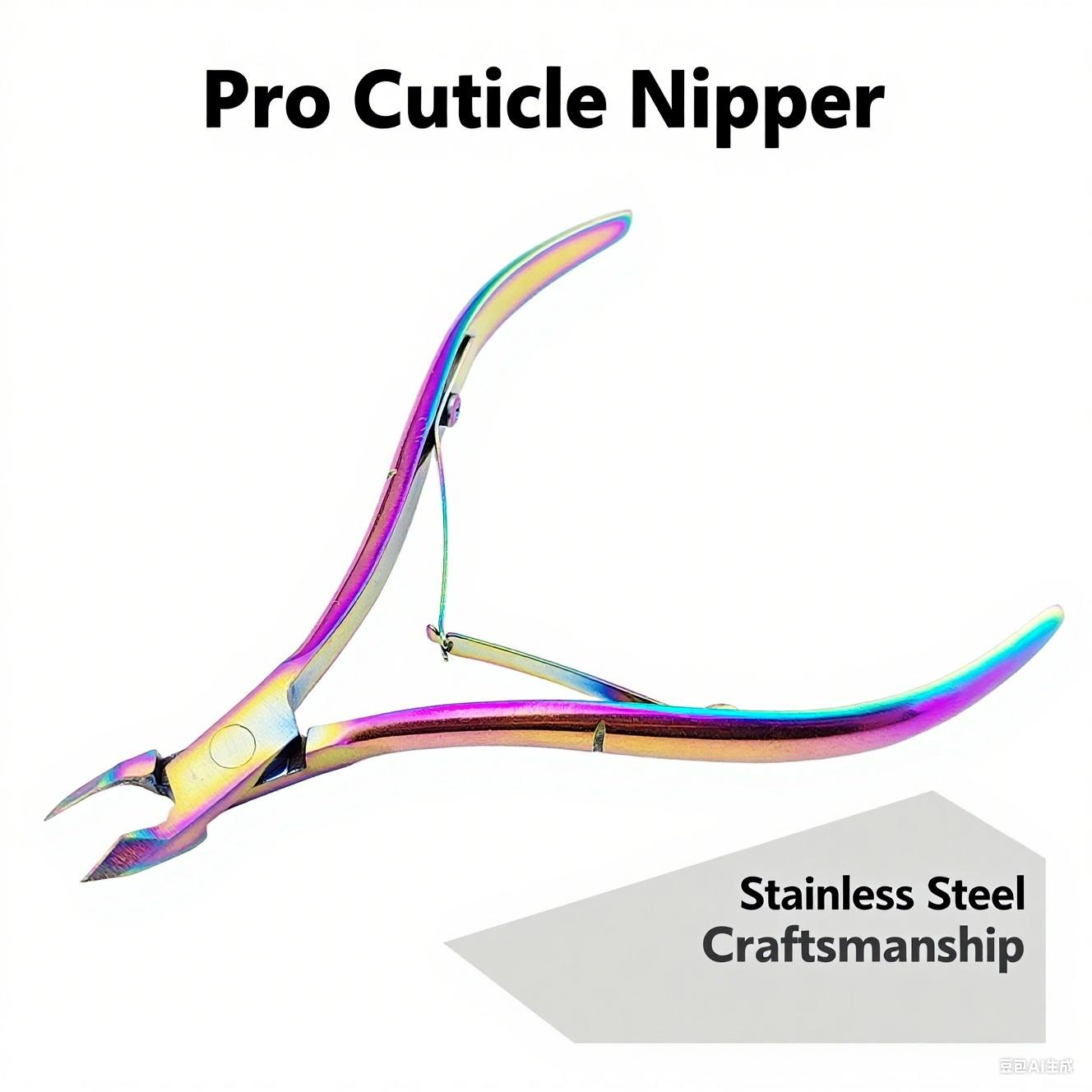
Choosing a Cuticle Nippers Manufacturer for Quality, Consistency and Reliable Supply
Cuticle nippers look simple, but they are one of the most demanding items in a manicure tool range. The jaw alignment must be accurate, the edges must cut cleanly without tearing skin, the spring action should feel controlled, and the handle must stay comfortable during repeated professional use. For salons, distributors, retail beauty brands and hospitality buyers, choosing the right cuticle nippers manufacturer is not only a purchasing decision. It affects customer safety, brand perception, return rates and long-term supply stability.
A strong manufacturer should help you source tools that are sharp, durable, consistent and suitable for your sales channel. A salon buyer may prioritize long service life and ergonomic control. A retail brand may need attractive packaging and reliable batch consistency. A hotel or travel kit buyer may require compact, well-finished tools that match guest expectations. The best sourcing decision starts with understanding the product details that separate a dependable nipper from a low-cost tool that creates complaints.
What Makes a Cuticle Nipper Suitable for Professional and Retail Use?
The first factor to evaluate is the cutting performance. A cuticle nipper should trim small pieces of dead cuticle cleanly with minimal pressure. If the cutting edges are poorly sharpened, uneven or misaligned, the tool may pull, crush or leave ragged edges. This is especially problematic for professional manicure settings, where technicians use the same type of tool repeatedly throughout the day.
Material choice also matters. The original product information highlights stainless steel as a preferred material for longevity and clean cutting performance. Stainless steel is commonly selected for manicure tools because it can support a hard, polished working edge and is easier to maintain than many lower-grade alternatives. However, buyers should not stop at the material name alone. The finished tool should be assessed for surface polish, hinge movement, jaw symmetry, spring resilience and edge finishing.
Ergonomics are equally important. A nipper that feels acceptable for one quick trim may become tiring in a salon environment. Handles should allow stable grip and controlled pressure. The spring should open the handles smoothly without feeling loose or overly stiff. The joint should not wobble, because even a small amount of looseness can affect cutting accuracy. When comparing samples, test the tool in real usage positions rather than only inspecting it on a desk.
Quality Checks to Use When Comparing Manufacturers
A professional beauty tools supplier should have a clear quality control approach from incoming material inspection through final packaging. Buyers do not need to be engineers to identify many of the most important quality signals. A structured sample review can reveal whether a manufacturer is likely to maintain consistency once an order moves from sample stage to production.
- Jaw alignment: Close the nipper slowly and check whether both cutting edges meet evenly from tip to heel.
- Tip precision: Inspect the points for symmetry. Tips that are too thick may reduce precision, while tips that are too fragile may bend or chip more easily.
- Cutting feel: The tool should cut cleanly without requiring excessive pressure or leaving crushed edges.
- Hinge stability: Open and close the nipper several times. Movement should be smooth, not gritty, loose or uneven.
- Spring response: The spring should return the handles consistently and should not pop out of position during normal operation.
- Surface finish: Look for rough spots, sharp handle edges, visible scratches, discoloration or polishing residue.
- Packaging protection: Cutting edges should be protected in transit so the tool arrives sharp and undamaged.
These checks are useful for professional salon tools, retail stock and hotel amenity beauty tools. Even if the intended use is occasional, poor finishing can create a negative impression quickly. A buyer’s goal should be to define the acceptable quality level before production, not after a shipment arrives.
How to Evaluate a Manicure Tools Exporter in Guangdong
Guangdong is widely known as a manufacturing region for beauty tools and related consumer products. Sourcing from a manicure tools exporter in Guangdong can offer access to established supply chains, production experience and export familiarity. Still, location alone does not guarantee quality. The real test is whether the supplier can communicate clearly, document expectations and deliver consistent goods across repeated orders.
When reviewing a potential exporter, consider how they handle product selection, sampling, inspection and packaging details. A reliable supplier should be able to discuss practical product differences, such as jaw size, handle shape, finish, spring type and packaging formats, without pushing every buyer toward the same option. They should also be comfortable working from a written specification, because verbal expectations are easy to misunderstand when details like sharpness, polish level and logo placement matter.
For a broader view of available categories, buyers can review Olimor beauty tool products and compare related manicure tools before finalizing a sourcing plan. If your project includes several items, such as nippers, clippers, tweezers or grooming sets, checking product compatibility early can help keep the final range visually and functionally consistent.
Private Label Cuticle Nippers: Decisions to Make Before Sampling
Private label manicure tools allow a retailer, distributor or salon brand to build a more recognizable product line. However, private label sourcing works best when the buyer defines the product position clearly before requesting samples. A premium salon tool, an entry-level retail item and a compact amenity kit accessory should not be evaluated by the same criteria.
Before developing private label cuticle nippers, prepare a short sourcing brief. It does not need to be complicated, but it should identify the target user, sales channel, preferred finish, packaging style and quality expectations. If a logo is needed, decide whether it belongs on the tool, the sleeve, the box or the full kit packaging. For retail, packaging must also communicate the product clearly and protect the cutting edges. For professional buyers, functional performance may matter more than decorative packaging.
- Define the end user: Professional nail technician, retail consumer, travel user or hotel guest.
- Choose the product level: Basic, mid-range or higher-end positioning based on expected use and price point.
- Confirm tool details: Jaw style, handle comfort, spring preference, finish and edge protection.
- Plan branding: Logo location, packaging artwork, insert cards and barcode or labeling needs.
- Set inspection points: Agree on the visible and functional defects that should be checked before shipment.
Buyers planning a custom project can send an inquiry with these details to make early communication more efficient. A clear brief reduces back-and-forth and helps the supplier recommend options that fit the intended market.
Hotel Amenity and Travel Kit Considerations
Cuticle nippers used for hotel amenities or travel kits have different priorities from tools sold individually to salon professionals. The guest may only use the product occasionally, but presentation, safety and consistency are still important. A poorly finished tool in an amenity set can weaken the overall impression of the hotel or hospitality brand.
For amenity use, buyers should pay close attention to compact packaging, safe edge protection and the appearance of the complete kit. If the nipper is paired with other items, the finish and size should feel coordinated rather than randomly assembled. Sharp points must be protected during transport and handling. Instructions or caution labeling may also be relevant depending on the destination market and sales channel.
Hospitality buyers often source multiple grooming items at once, so consistency across the full set becomes important. Reviewing product collections can help buyers think beyond a single nipper and consider how manicure tools, grooming accessories and packaging can work together as a complete guest-care solution.
Practical Comparison Table for Supplier Selection
When several suppliers offer similar pricing, a comparison table can prevent decisions from being based only on the lowest quotation. The following criteria are useful for screening a cuticle nippers manufacturer before committing to a larger order.
| Evaluation Area | What to Check | Why It Matters |
|---|---|---|
| Sample consistency | Compare several samples, not just one perfect piece | Shows whether quality is repeatable |
| Cutting performance | Check sharpness, jaw contact and tip control | Affects safety and user satisfaction |
| Finish quality | Inspect polish, edges, scratches and surface defects | Influences perceived value and comfort |
| Packaging method | Confirm edge protection and carton packing | Reduces damage during shipping |
| Communication | Review how clearly specifications are confirmed | Prevents misunderstandings in production |
| Range support | Check whether related manicure tools are available | Helps build a consistent product line |
Building a Long-Term Beauty Tool Supply Relationship
The best manufacturer relationship is built around repeatable standards. Once you approve a sample, keep a reference record of the tool details, packaging, finish and acceptable tolerances. For future orders, compare production goods against that approved standard. This approach is especially important for brands that reorder the same item season after season or sell through channels where customer reviews can quickly highlight inconsistency.
It is also helpful to think in terms of a complete manicure tool strategy. Cuticle nippers may be the immediate sourcing need, but many buyers eventually expand into nail clippers, tweezers, scissors, grooming sets or private label kits. Working with a capable professional beauty tools supplier can simplify that expansion because product appearance, packaging direction and inspection expectations can remain aligned across the range.
If you are comparing options for salons, retail distribution, private label manicure tools or hotel amenity beauty tools, Olimor Beauty can help you clarify product requirements and sourcing priorities. To discuss a specific cuticle nipper project or a broader manicure tool program, contact Olimor with your target market, preferred packaging and quality expectations.
Tag: