

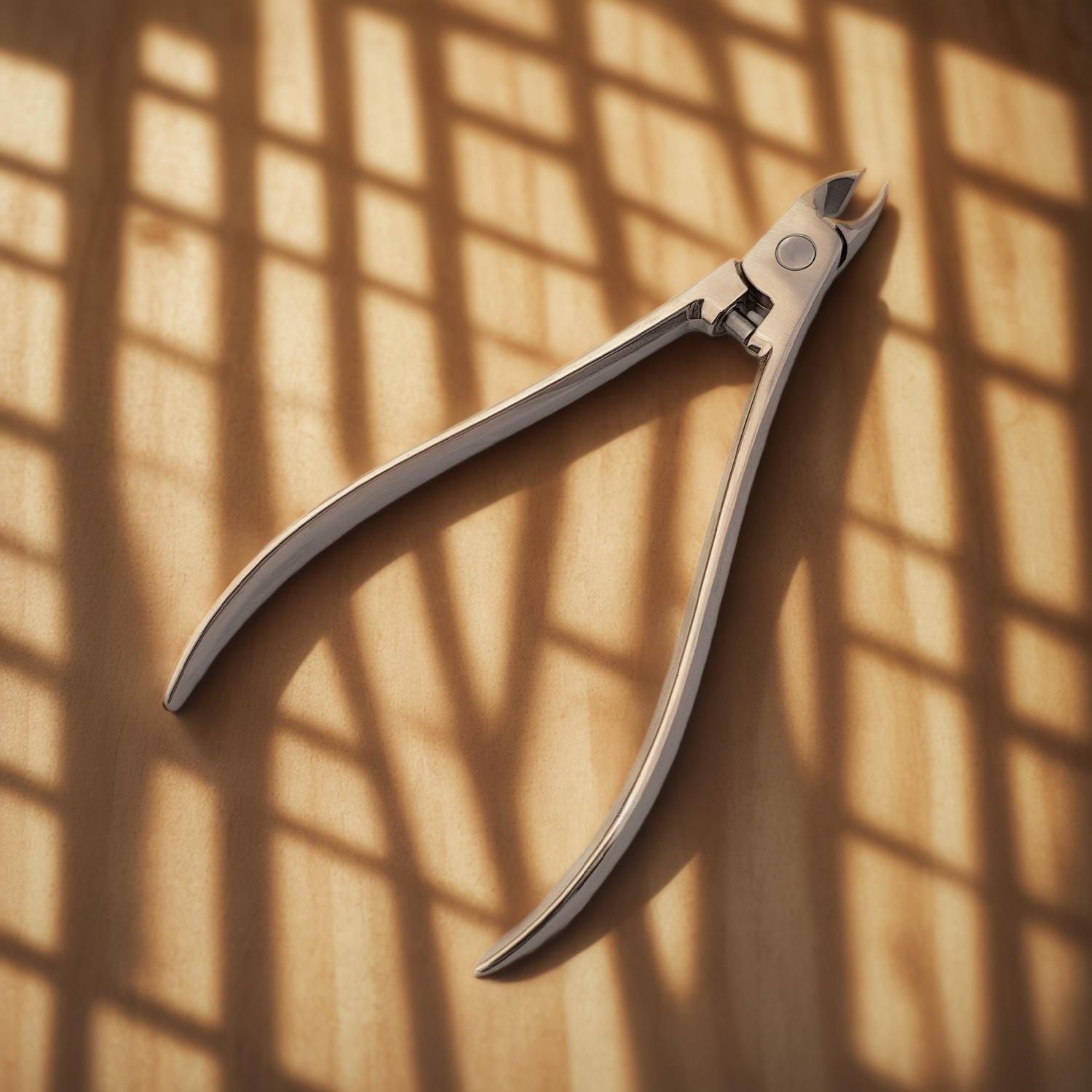
Cuticle Nippers for Salons: Choosing Precision, Durability and Daily Reliability
Cuticle nippers are small tools, but in a professional salon they have a direct effect on service quality, hygiene control and technician comfort. A clean manicure depends on a tool that can remove loose cuticle and hangnails precisely without tugging, crushing or forcing the technician to make repeated cuts. For salon owners, nail educators, purchasing teams and beauty distributors, choosing the right nipper is not only about sharpness on day one. It is about how the tool performs after repeated use, cleaning, storage and handling across many clients.
Olimor Beauty supplies beauty tools for professional settings, including the LuxeCut Pro Nail Nipper described for salon use. The product is crafted from high-grade surgical stainless steel, a material choice associated with durability and corrosion resistance in tools that are frequently cleaned and handled. When comparing cuticle nippers for salons, buyers should look at the full working life of the tool: cutting feel, edge consistency, grip comfort, finish, inspection process and whether the supplier can support stable purchasing needs.
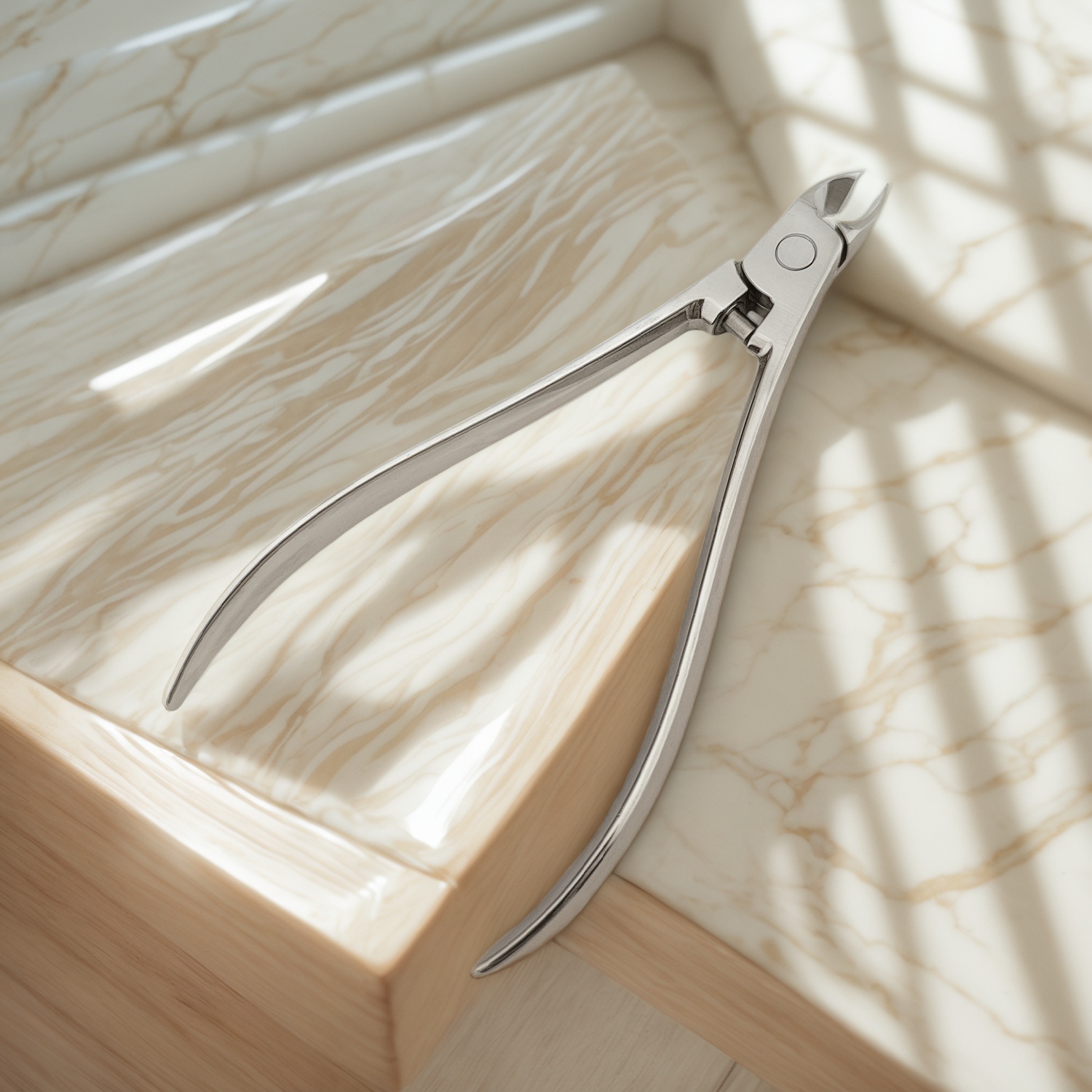
Why Salon Cuticle Nippers Need a Different Standard
A home manicure tool may be used occasionally, but salon nippers are handled repeatedly throughout the day. They may be used by different technicians, cleaned frequently and stored with other metal instruments. This makes ordinary appearance-based purchasing risky. A shiny finish does not guarantee a precise cutting edge, smooth spring action or long-term corrosion resistance.
Professional cuticle nippers should help technicians work in a controlled way. The blades should meet cleanly, the joint should open and close without stiffness, and the handles should allow a steady grip without causing unnecessary strain. When a nipper feels inconsistent, the technician may compensate with excess pressure. That can slow down the service and increase the chance of uneven trimming.
For salons, quality also affects customer perception. Clients may not know the technical details of a nail nipper, but they notice whether a service feels careful, sanitary and comfortable. Well-selected tools support that professional experience quietly and consistently.
Key Selection Criteria for Professional Nail Services
When evaluating cuticle nippers for salon purchase, it helps to move beyond broad claims and use a practical checklist. The following points are especially useful when comparing samples, discussing production options or reviewing supplier information.
- Cutting precision: The blade tips should align properly and close evenly. A clean cut helps remove loose cuticle without pulling at the skin.
- Material suitability: The original LuxeCut Pro Nail Nipper is described as crafted from high-grade surgical stainless steel, selected for durability and corrosion resistance. For any salon tool, stainless steel quality and finishing should match the expected cleaning routine.
- Ergonomic handling: Handles should feel stable in the hand. Technicians may use the tool for hours, so grip comfort and controlled leverage matter.
- Joint movement: Opening and closing should feel smooth. Excess looseness can reduce control, while stiffness can tire the hand.
- Tip protection: Fine cutting edges are vulnerable to damage during shipping, storage and daily handling. Packaging and storage methods should protect the blades.
- Consistency between units: For salon chains, distributors or training schools, consistency is often more important than a single excellent sample.
- Visual finish: The surface should be clean and professional, without rough areas that make wiping or handling difficult.
These checks apply whether a salon is purchasing a few replacement tools or a distributor is building a professional nail care assortment. You can browse related beauty tool products to compare how cuticle nippers fit into a broader tool offering.
Understanding Stainless Steel, Sharpness and Corrosion Resistance
Cuticle nippers in salons are exposed to moisture, cleaning agents and repeated contact with skin. That is why material selection is important. The supplied information for the LuxeCut Pro Nail Nipper notes high-grade surgical stainless steel, with durability and corrosion resistance highlighted as key advantages. These are relevant qualities for tools used frequently in a salon setting.
However, buyers should remember that material is only part of tool performance. Heat treatment, grinding, finishing and final inspection also influence how a nipper cuts and how long the edge remains useful. Two tools may both be described as stainless steel but feel very different in hand if the blade alignment or finishing process is inconsistent.
Sharpness should also be judged carefully. A very sharp nipper can still perform poorly if the tips do not meet accurately. Likewise, a tool may feel acceptable on first use but lose precision quickly if the cutting edge is not properly prepared. For professional use, ask for samples to be checked by experienced nail technicians under normal service conditions. The evaluation should include fine trimming, cleaning, drying and storage, not only an initial visual inspection.
Ergonomics and Technician Workflow
Ergonomics is not simply a comfort feature. It affects speed, control and fatigue over a full workday. A salon technician may perform multiple manicures and pedicures daily, and small discomforts can accumulate. Cuticle nippers should sit securely in the hand, open smoothly and allow precise pressure without forcing the wrist into an awkward angle.
When testing a nipper, technicians can look for three things. First, the handles should be easy to hold without slipping. Second, the tool should return to the open position smoothly if a spring mechanism is present. Third, the cutting area should be visible enough for detailed work around the nail fold. If the tool blocks the technician’s view or requires excessive pressure, service quality may suffer.
Salon managers can include technicians in purchasing decisions. A buyer may focus on cost, packaging and supply reliability, while a technician will immediately notice whether the tool supports real service movement. Combining both perspectives leads to better purchasing outcomes.
Hygiene, Cleaning and Tool Care in Salon Use
Every salon should follow the sanitation rules that apply in its local market. Cuticle nippers contact the nail area closely, so they must be cleaned, disinfected and stored responsibly between clients. Tool material and construction should support that routine, but daily handling remains essential.
- Remove visible residue: After use, remove nail dust, skin debris and product residue according to the salon’s cleaning procedure.
- Clean before disinfection: Disinfection is more effective when the tool surface is properly cleaned first.
- Dry thoroughly: Moisture left near the joint or cutting edge can reduce tool life, even when corrosion-resistant materials are used.
- Protect the blade tips: Avoid tossing nippers loosely into drawers or containers where the cutting edges can hit other tools.
- Inspect regularly: Check for tip damage, misalignment, loosened joints or rough motion before using the tool on clients.
A tool care routine protects both hygiene standards and purchasing investment. Even a well-made nipper can be damaged by improper storage, dropping, harsh handling or leaving it wet after cleaning.
Sourcing Cuticle Nippers for Salons, Spas and Hospitality Buyers
Salon buyers often purchase more than one type of product at a time. A nail service business may need cuticle nippers, pushers, files, scissors, tweezers and other manicure accessories. Hotels and spas may also coordinate beauty tools with amenity programs or grooming kits. In these situations, supplier reliability matters as much as the individual item.
When reviewing salon equipment suppliers or hotel amenity supplies wholesale partners, focus on clear communication and product consistency. A useful sourcing conversation should cover intended use, expected cleaning routine, packaging needs, inspection expectations and reorder planning. If the tool is for professional salon stations, the priority may be durability and technician control. If it is for hospitality grooming sets, presentation, safety protection and appropriate use instructions may be more important.
Olimor Beauty’s positioning around quality assurance and technical commitment is relevant for buyers who need dependable tools rather than one-time novelty items. For broader sourcing, review available product collections and consider whether a coordinated assortment can simplify procurement.
Practical Questions to Use Before Placing an Order
The best purchasing decisions are based on specific questions. The table below can help salon owners, distributors and procurement teams compare options without relying on vague product descriptions.
| Buyer concern | What to check | Why it matters |
|---|---|---|
| Cutting performance | Blade alignment, tip meeting, smooth cut on fine material | Supports precise cuticle trimming and technician control |
| Tool life | Material, finishing, edge retention feedback from sample testing | Reduces frequent replacement and service disruption |
| Salon hygiene | Surface finish, ease of cleaning, drying around the joint | Helps maintain professional sanitation routines |
| User comfort | Grip feel, spring action, pressure needed to cut | Limits hand fatigue during repeated appointments |
| Supply consistency | Inspection process, sample-to-bulk consistency, packaging protection | Important for multi-station salons and distributors |
Before committing to a larger purchase, test samples in realistic conditions. Have more than one technician use the tool, then compare comments on sharpness, hand feel and ease of cleaning. Keep notes so that future reorders can be evaluated against the same criteria.
Choosing a Supplier That Supports Professional Standards
A good cuticle nipper should combine precise cutting, durable stainless steel construction, ergonomic control and reliable finishing. The LuxeCut Pro Nail Nipper is presented as a salon-focused option from Olimor Beauty, made from high-grade surgical stainless steel with attention to durability and corrosion resistance. For professional buyers, that is a strong starting point, but the final choice should still reflect your service menu, cleaning process, technician preferences and purchasing scale.
If you are comparing cuticle nippers for salons, spas, training programs or distribution, prepare a clear checklist before discussing options. Include your intended use, packaging expectations and any quality concerns that have affected previous tools. For direct sourcing support, you can contact Olimor or send an inquiry with your purchasing requirements. A careful selection process helps ensure that every manicure station has a tool that performs cleanly, feels controlled and supports the professional standard your clients expect.
Tag: