

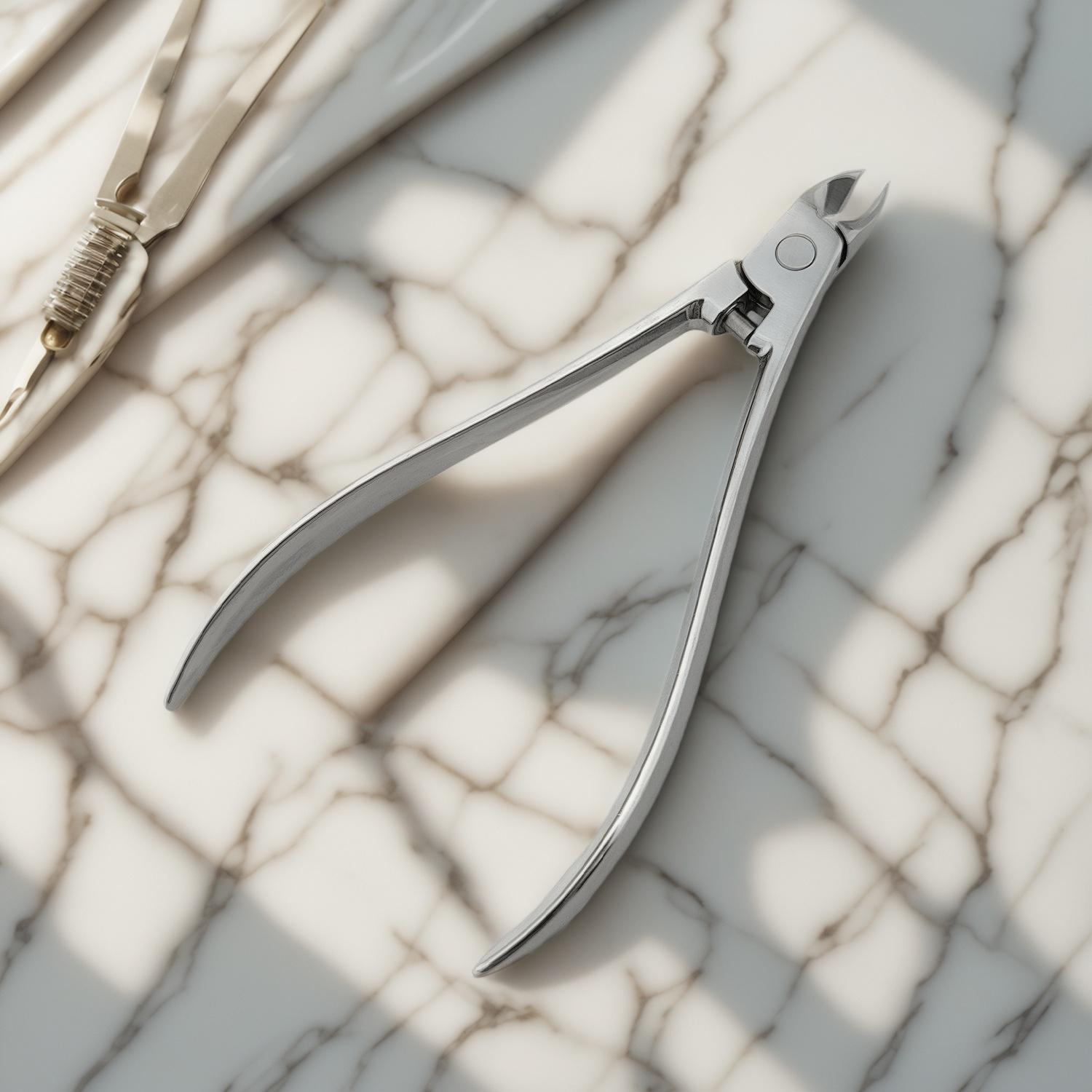
Cuticle Nippers for Salons: Selection, Precision and Care
Cuticle nippers are small tools, but in a professional salon they have a large effect on service quality. A clean, controlled trim helps nail technicians remove excess cuticle or hangnails without tearing the surrounding skin. The right nipper also supports hygiene, technician comfort and consistent results across repeated appointments. For salon owners, purchasing cuticle nippers is not only about choosing a sharp tool. It is about selecting equipment that can withstand frequent use, can be cleaned properly and feels predictable in trained hands.
This guide explains what salon buyers should evaluate when sourcing cuticle nippers for professional use. It focuses on practical selection criteria, daily handling, maintenance and supplier considerations, so nail salons, spas, grooming studios and hotel amenity buyers can make informed decisions.
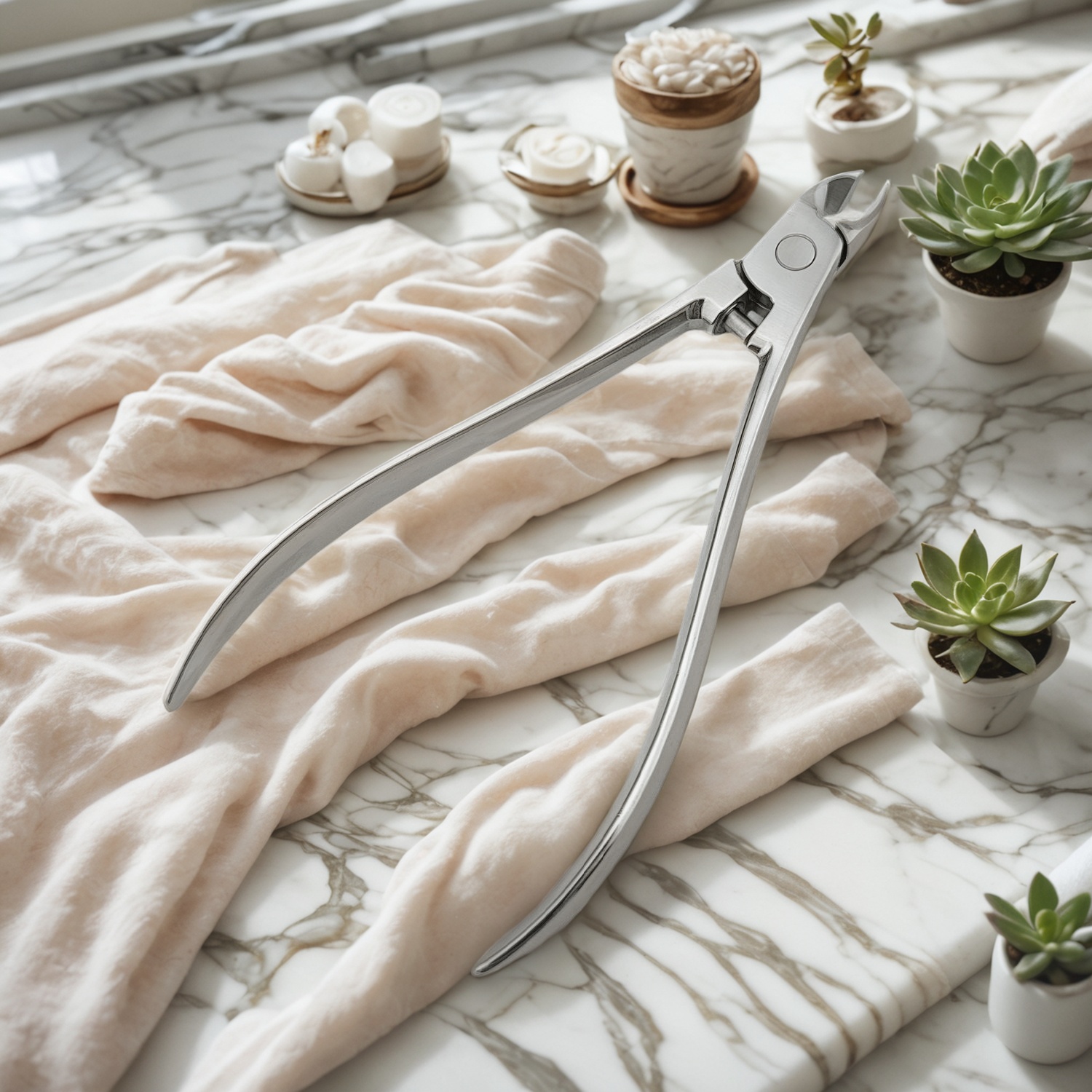
Why Precision Matters in Salon Cuticle Work
Cuticle care requires a balance between neatness and restraint. The goal is not to remove living tissue aggressively, but to refine the nail area by trimming loose, dry or lifted cuticle when appropriate. For this reason, a salon cuticle nipper must give the technician a clear sense of where the jaws meet and how much pressure is being applied.
Poorly made or poorly maintained nippers can crush, pull or leave ragged edges. That increases service time and can make the manicure feel uncomfortable. A precise nipper, by contrast, allows small controlled cuts. This is especially important in busy salon environments where technicians may perform many manicures in one day and still need the same level of accuracy for each client.
Precision also supports hygiene and appearance. Clean trimming reduces rough edges that can catch or split after the service. When combined with proper disinfection and careful technique, a quality nipper helps salons deliver a polished result while maintaining professional standards.
Key Features to Evaluate Before Buying
When comparing cuticle nippers, avoid judging only by appearance. Two tools can look similar online but behave differently in use. Salon buyers should evaluate the cutting edge, material, grip, spring action and ease of cleaning before committing to repeat orders.
- Jaw alignment: The tips should meet evenly without crossing, gapping or twisting. Misalignment makes detailed cuticle work harder and can cause pulling.
- Cutting edge: The edge should be sharp enough for a clean cut but not so fragile that it chips during normal professional handling.
- Stainless steel construction: Stainless steel tools are commonly selected for salon use because they are durable and suitable for regular cleaning when handled correctly.
- Ergonomic feel: A comfortable handle shape helps reduce hand fatigue during repeated services. This matters for full-time nail technicians.
- Spring response: The opening and closing action should feel smooth and predictable, allowing the technician to control each cut.
- Surface finish: Smooth surfaces with minimal unnecessary crevices are easier to wipe, clean and maintain between uses.
- Packaging and protection: Tip protection during transport helps prevent edge damage before the tool reaches the salon.
Olimor Beauty offers beauty and grooming tools for professional supply needs, including stainless steel tools with ergonomic design considerations. Buyers comparing options can browse beauty tool products or review broader product collections to plan a coordinated salon purchasing list.
Matching Nippers to Salon Service Scenarios
Not every salon uses cuticle nippers in the same way. A nail bar focused on fast manicure appointments may prioritize durable tools that are easy to rotate through cleaning cycles. A spa with premium hand and foot treatments may focus more on tactile comfort and visual presentation. A hotel amenity or grooming supply buyer may need tools that fit a broader personal care set.
Before ordering, map the tool to the service environment. For example, technicians who perform detailed dry manicures may prefer very responsive jaw control. Salons that focus on classic manicure and pedicure services may need a reliable general-purpose option that can be used across different technicians after proper training and sanitation. Businesses purchasing for multiple locations should also consider consistency: the same tool feel across branches helps standardize training and service expectations.
Cuticle nippers should be treated as professional instruments, not disposable accessories. Even when the tool is simple, the service outcome depends on how it fits the technician’s hand, how cleanly it cuts and how well it holds up under routine salon handling.
A Practical Buyer Checklist for Salon Owners
The following checklist can help purchasing teams compare samples, inspect deliveries and build a repeatable procurement standard without relying on vague product claims.
| Selection Point | What to Check | Why It Matters |
|---|---|---|
| Tip alignment | Close the nipper slowly and check whether both tips meet evenly. | Even contact improves cutting control and reduces snagging. |
| Handle comfort | Hold the tool in a natural working position for several minutes. | Comfort affects technician fatigue during busy schedules. |
| Spring movement | Open and close repeatedly to feel for stiffness or instability. | Smooth action helps maintain consistent pressure. |
| Cleanability | Look for surfaces that are easy to wipe and inspect after use. | Salon tools must support proper hygiene routines. |
| Batch consistency | Compare multiple pieces from the same order, not only one sample. | Consistency is important for training and repeat purchasing. |
For larger purchasing projects, include technicians in the sample review. They are the people who will notice balance, pressure and grip issues immediately. Their feedback can prevent buying tools that look acceptable but do not perform well during real appointments.
Cleaning, Storage and Maintenance Habits
A good cuticle nipper can lose performance quickly if it is dropped, stored loosely or cleaned carelessly. Salons should establish a clear tool care routine that follows local hygiene rules and the instructions for any disinfecting products used in the business.
- Remove visible debris after service. Wipe and clean the tool promptly so residue does not dry around the hinge or cutting edge.
- Disinfect according to salon procedures. Use approved methods suitable for the tool material and follow the correct contact time for the disinfectant.
- Dry before storage. Moisture left on tools can shorten service life, especially around hinges and joints.
- Protect the tips. Store nippers so the cutting edge does not strike other metal tools in a drawer or tray.
- Inspect regularly. Remove tools from service if the tips are damaged, misaligned, loose or no longer cut cleanly.
Technicians should also avoid using cuticle nippers for tasks outside their intended purpose, such as cutting hard artificial product, wire, packaging or thick toenails if the tool is not designed for that use. Misuse can damage the edge and create inconsistent performance during client services.
Working With a Reliable Beauty Tool Supplier
Supplier choice matters because salons depend on repeatable quality. A low-cost tool that varies from batch to batch can create training problems, service inconsistency and more frequent replacement. A more reliable sourcing approach looks at product quality, inspection standards, communication and whether the supplier understands professional beauty use.
When reviewing salon equipment suppliers, consider asking for clear product photos, material information, packaging details and sample availability where appropriate. For wholesale or multi-location purchasing, it is useful to define inspection criteria in advance: jaw alignment, surface finish, spring movement and packaging protection are easier to evaluate when everyone uses the same checklist.
Olimor Beauty supports buyers looking for beauty and grooming tools with attention to technical commitment and quality assurance. If you are planning a salon tool purchase, hotel amenity supply program or broader grooming range, you can contact Olimor to discuss product options or send an inquiry with your purchasing requirements.
Building a Better Salon Tool Standard
Cuticle nippers should be selected with the same care as other core salon equipment. They influence the client’s comfort, the technician’s control and the visible finish of the manicure. Instead of buying only by price or appearance, evaluate how each tool performs in real salon conditions: clean cuts, stable alignment, comfortable handling, easy maintenance and consistent supply.
For salons, the best purchasing decision is usually the one that supports repeatable service quality. Choose nippers that technicians can trust, maintain them properly and work with a supplier that can support your long-term professional standards. With the right tool and the right care routine, cuticle work becomes cleaner, more controlled and easier to deliver consistently.
Tag: