

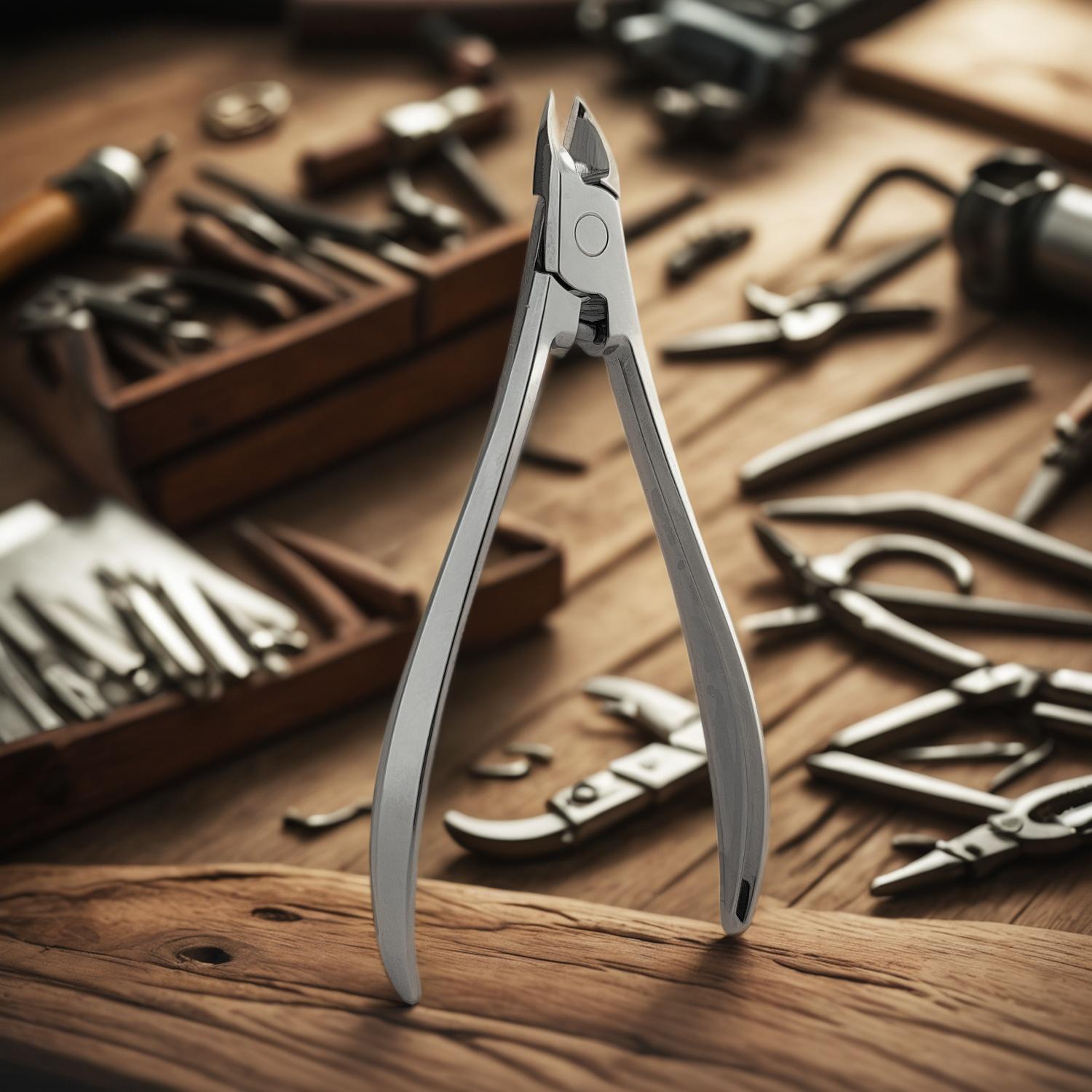
Cuticle Nippers for Salons: How to Choose Precision Tools for Professional Nail Services
Cuticle nippers are small tools, but they have a major effect on the quality, speed and safety of manicure and pedicure services. In a salon environment, the right nipper helps technicians remove unwanted cuticle tissue cleanly, shape the nail area with control and deliver a neat finish without unnecessary pulling or tearing. For salon owners and professional buyers, choosing cuticle nippers is not only about sharpness; it is about consistent performance across daily appointments, comfortable handling for technicians and reliable hygiene practices between clients.
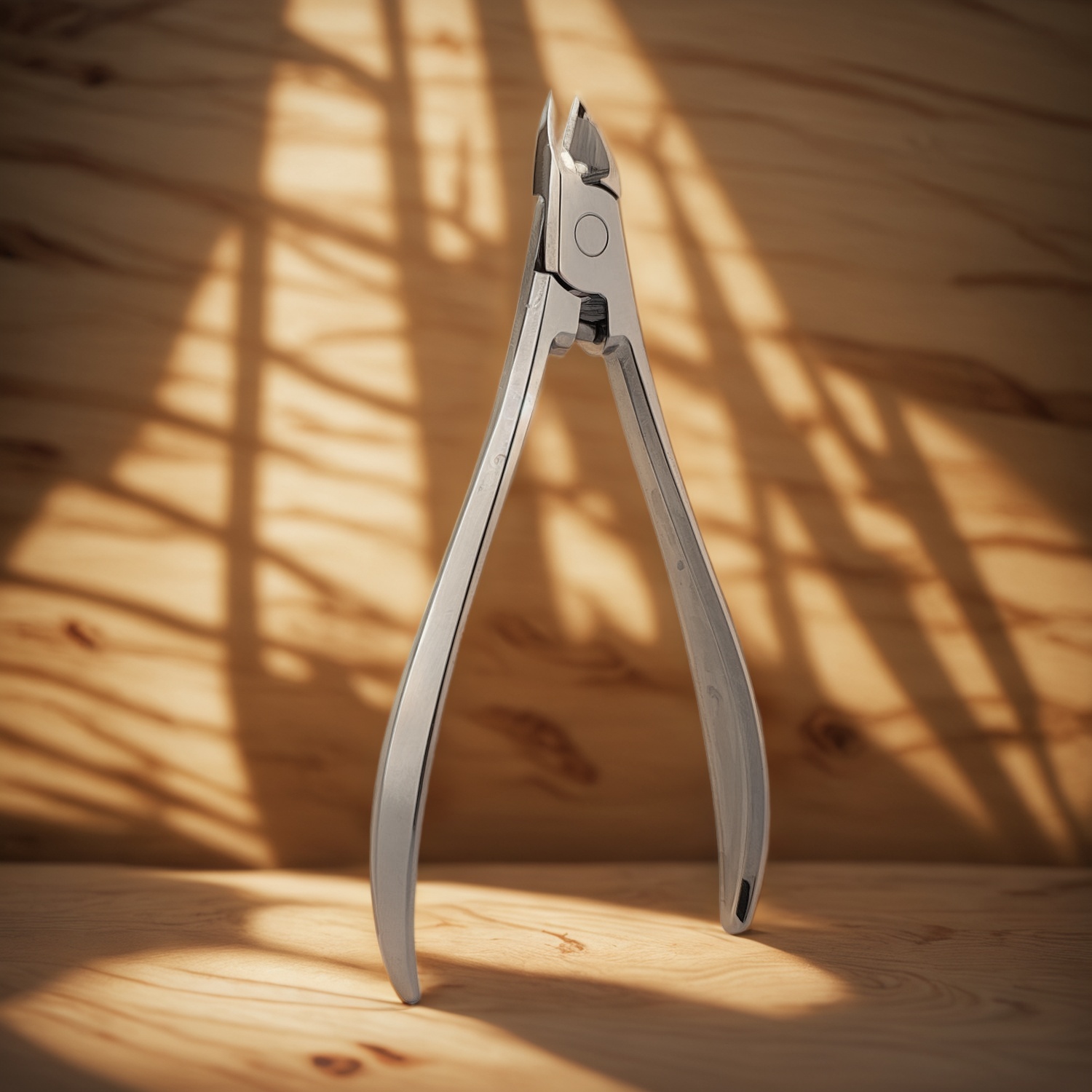
Olimor Beauty offers the Precision Edge Nail Nipper for professional salons and personal care routines. It is forged from high-grade stainless steel and designed with sharp curved blades, ergonomic handles and rust-resistant material. Those details matter because professional nail tools are exposed to frequent use, repeated cleaning and close-contact work where control is essential. This guide explains what salon teams should look for when selecting cuticle nippers, how to evaluate the tool in daily use and how to maintain performance over time.
Why Cuticle Nippers Matter in a Salon Setting
In professional nail care, the cuticle area is one of the first places clients notice detail. A clean cuticle line can make polish application look smoother, improve the appearance of nail shaping and support a more refined result in both manicure and pedicure services. However, poorly selected or dull nippers can create rough edges, pinch the skin or require extra pressure from the technician. That slows down the service and may reduce client comfort.
Salon buyers should view cuticle nippers as precision instruments rather than disposable accessories. A tool that feels stable in the hand, closes evenly and cuts cleanly can support repeatable service quality. For multi-technician salons, consistent tool quality also makes training easier. When each workstation uses reliable equipment, senior technicians can teach consistent hand positioning, cutting angles and hygiene routines.
Key Features to Evaluate Before Buying
A professional cuticle nipper should be assessed as a complete tool: blade geometry, metal construction, handle comfort and finishing all work together. The Precision Edge Nail Nipper is designed with curved blades for clean, efficient cuts and ergonomic handles for improved control. When comparing cuticle nippers for salons, consider the following criteria:
- Blade sharpness and alignment: The blades should meet evenly and cut without crushing or dragging. Misaligned blades can leave uneven tissue edges.
- Curved blade shape: Curved blades help technicians follow the natural contour of the cuticle area with more accuracy, especially around sidewalls.
- Stainless steel construction: High-grade stainless steel supports durability and helps the tool withstand salon cleaning routines.
- Rust resistance: A rust-resistant tool is important in environments where instruments are cleaned frequently and may be exposed to moisture.
- Handle ergonomics: Handles should allow steady control without forcing the hand into an awkward position during repeated services.
- Smooth opening and closing: The tool should respond predictably so the technician can make small, controlled cuts rather than large, imprecise movements.
These selection points are useful whether a salon is replacing worn tools, opening new workstations or standardizing equipment across multiple locations. Buyers comparing broader beauty tool products should also consider how cuticle nippers fit with nail files, pushers, scissors and other manicure essentials used in the same service flow.
Blade Precision and Service Quality
The blade is the working edge of any cuticle nipper. In salon use, sharp curved blades help technicians remove small sections of cuticle cleanly without pulling at surrounding skin. This is important because the goal is controlled grooming, not aggressive cutting. A nipper that requires force can increase technician fatigue and reduce precision near sensitive areas.
For buyers, a practical evaluation is to consider the type of services offered. Salons focused on classic manicures need dependable daily-use tools. Nail art studios may require even more detailed finishing around the nail plate because polish, gel or decorative work highlights the nail outline. Pedicure stations also need durable tools because the skin around toenails can vary more widely from client to client. In all cases, blade consistency matters more than a dramatic design claim.
When receiving samples or evaluating a stocked tool, technicians can check whether the blades close from tip to base in a controlled way, whether the cutting edge feels smooth and whether the curved profile gives enough visibility during use. A good nipper should help the technician work carefully, not rush through the cuticle area.
Comfort for Technicians During Repeated Appointments
Ergonomics are easy to overlook during purchasing, but they become important after a full day of manicure and pedicure appointments. A salon technician may use cuticle nippers dozens of times in a week, often while maintaining a precise grip for extended periods. Handles that are difficult to control can contribute to hand strain and may affect cutting accuracy at the end of a busy shift.
The Precision Edge Nail Nipper uses ergonomic handles to support control and comfort. For salon teams, this can help reduce unnecessary squeezing and improve the steadiness of small movements. Comfort should be evaluated by more than one technician when possible, because hand size and grip preference vary. The best tool for a salon is one that feels controlled for the majority of the team and supports a consistent technique.
Salon managers can create a short feedback checklist for technicians during tool trials: Does the nipper feel balanced? Is the spring action smooth? Can the technician see the blade tip clearly while working? Does the handle remain comfortable during several services? This type of practical feedback is often more useful than judging a tool only by appearance.
Material, Hygiene and Maintenance Considerations
High-grade stainless steel is a valuable feature for cuticle nippers because professional tools must endure repeated cleaning and regular handling. Rust-resistant material also supports longer service life when tools are cared for correctly. While every salon should follow its local hygiene rules and internal sanitation procedures, buyers can still choose tools that make maintenance more practical.
Cuticle nippers should be cleaned after use, dried thoroughly and stored in a way that protects the blade. Moisture left around the joint or cutting edge can shorten the life of the tool, even when the material is rust resistant. Tools should not be tossed loosely into drawers where blades can strike other metal items. A simple station system can help preserve sharpness and keep tools organized.
- Remove visible residue promptly: Clean the tool after each service according to the salon’s hygiene procedure.
- Dry before storage: Pay attention to the hinge and blade area where moisture may remain.
- Protect the cutting edge: Store nippers separately or in a protected compartment to reduce accidental blade damage.
- Inspect regularly: Check for dullness, looseness, uneven closure or visible surface changes.
- Retire damaged tools: Do not keep using nippers that pull, snag or no longer close evenly.
Maintenance is not only about tool life. It also protects service consistency. A well-maintained nipper helps technicians apply the same careful technique from one client to the next.
B2B Buying Checklist for Salon Equipment Purchasers
For B2B beauty supplies, the purchasing decision often involves more than one tool. A salon may need multiple nippers for workstations, backup inventory and replacement cycles. Buyers should look for suppliers that provide clear product information, consistent inspection practices and a product range that supports salon operations. Olimor Beauty performs quality checks on its salon equipment, and the Precision Edge Nail Nipper is positioned for professional use where reliability is important.
The following checklist can help salon owners, distributors and procurement teams compare cuticle nippers in a structured way:
| Buying factor | Why it matters for salons | What to review |
|---|---|---|
| Blade performance | Supports clean cuticle work and reduces pulling | Sharpness, alignment and curved blade control |
| Material | Affects durability and cleaning suitability | High-grade stainless steel and rust-resistant finish |
| Technician comfort | Influences control during repeated appointments | Handle shape, balance and smooth movement |
| Inspection consistency | Reduces variation between tools | Supplier quality checks and product consistency |
| Assortment fit | Helps standardize salon stations | Compatibility with other manicure and pedicure tools |
Procurement teams reviewing product collections can use this table to compare nail care tools within a broader salon equipment plan. If a business needs product details for purchasing, customization discussions or supply planning, it can send an inquiry with its intended use, quantity planning and market requirements.
When to Replace Salon Cuticle Nippers
Even durable tools should be monitored over time. A cuticle nipper that once performed well may eventually lose edge quality, become loose at the joint or stop closing evenly. Replacement should be based on performance, not only on a fixed calendar. If technicians start applying more pressure than usual, if cuts look ragged or if the tool catches instead of cutting cleanly, the nipper should be removed from service.
Salons can benefit from labeling or organizing tools by station and checking them regularly. This makes it easier to identify whether a specific tool is wearing faster, whether storage habits need improvement or whether the team needs additional training on handling and maintenance. A planned replacement system also prevents the common problem of keeping worn tools in circulation because no backup is available.
Building a More Reliable Nail Service Tool Kit
Cuticle nippers are one part of a complete professional nail service setup, but they have an outsized effect on the finished look and client experience. The Precision Edge Nail Nipper from Olimor Beauty combines high-grade stainless steel, sharp curved blades, ergonomic handles and rust-resistant material for salons that need dependable precision tools. For buyers, the smartest approach is to evaluate nippers through real service needs: clean cutting, technician comfort, hygiene compatibility, maintenance and supply consistency.
Whether you are equipping a new salon, refreshing workstation tools or sourcing B2B beauty supplies for resale, focus on tools that support controlled professional work. For additional product guidance or sourcing communication, you can contact Olimor and discuss the nail care tools that best fit your salon or distribution requirements.
Tag: