

Cuticle Nipper Factory Guide for Professional Nail Tool Buyers
A professional cuticle nipper is a small beauty tool, but it has a direct effect on nail service quality, user comfort and buyer confidence. For salons, wholesalers, distributors, private label brands and retail programs, choosing a cuticle nipper factory is not only a price comparison. It is a sourcing decision about cutting control, stainless steel construction, ergonomic handling, inspection consistency and product presentation.
Olimor Beauty supplies beauty tools for nail and personal care applications, including stainless steel cuticle nippers with ergonomic handles and curved blades designed for accurate trimming. Buyers comparing professional nail tools should look beyond appearance and ask how the tool is shaped, sharpened, assembled, inspected, packed and supported for repeat orders.
This guide explains what to check before buying cuticle nippers in bulk, how to evaluate samples, what cost factors affect sourcing decisions and how to discuss customization without relying on vague claims. If you are building a salon supply range or comparing manicure items, you can also review related Olimor beauty tool products to understand how the nipper fits within a broader assortment.
What a Cuticle Nipper Is Designed to Do
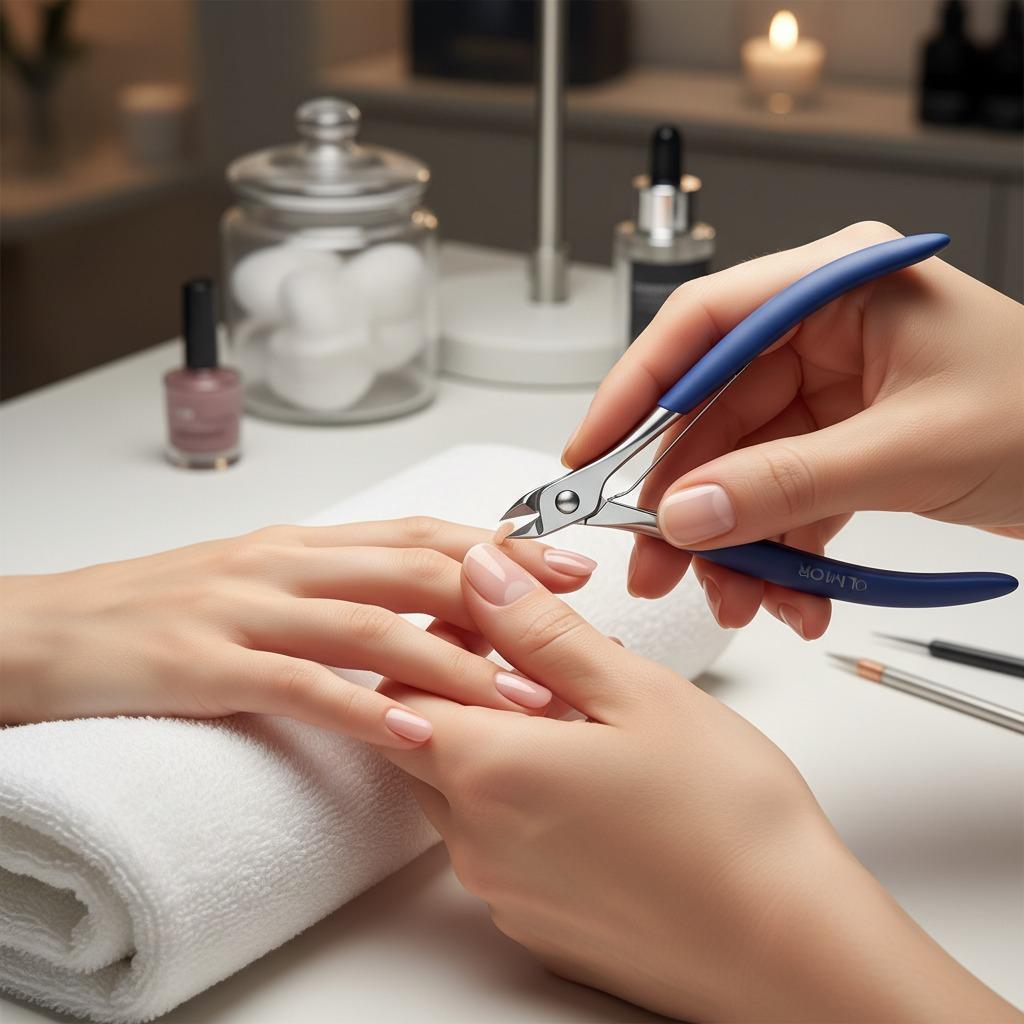
A cuticle nipper is designed to trim small, loose pieces of dead skin around the nail fold, including uneven cuticle edges and hangnails after proper softening and preparation. It is not intended to cut the nail plate like a heavy nail clipper, and it should not be used to aggressively remove living skin.
Because the working area is narrow and sensitive, the tool must provide close control at the blade tip. The two cutting edges need to meet accurately along the intended cutting area. If the jaws are uneven, the nipper may pinch, pull or leave ragged edges instead of producing a clean trim. This is why professional buyers should evaluate cuticle nippers as precision grooming tools rather than simple commodity items.
For a nail technician, a predictable nipper supports steady hand movement during detailed work around nail sidewalls and corners. For a retail customer, a secure and comfortable nipper helps reduce over-pressing and makes home grooming feel more controlled. In both cases, the best purchase decision starts with function, not packaging.
What Makes a Cuticle Nipper Factory Worth Evaluating?
A reliable cuticle nipper factory should be able to produce tools that feel consistent from piece to piece. A single sample that cuts well once is useful, but it does not prove bulk order consistency. Buyers should review whether the factory controls material selection, shaping, sharpening, handle finishing, spring action, joint assembly and final inspection.
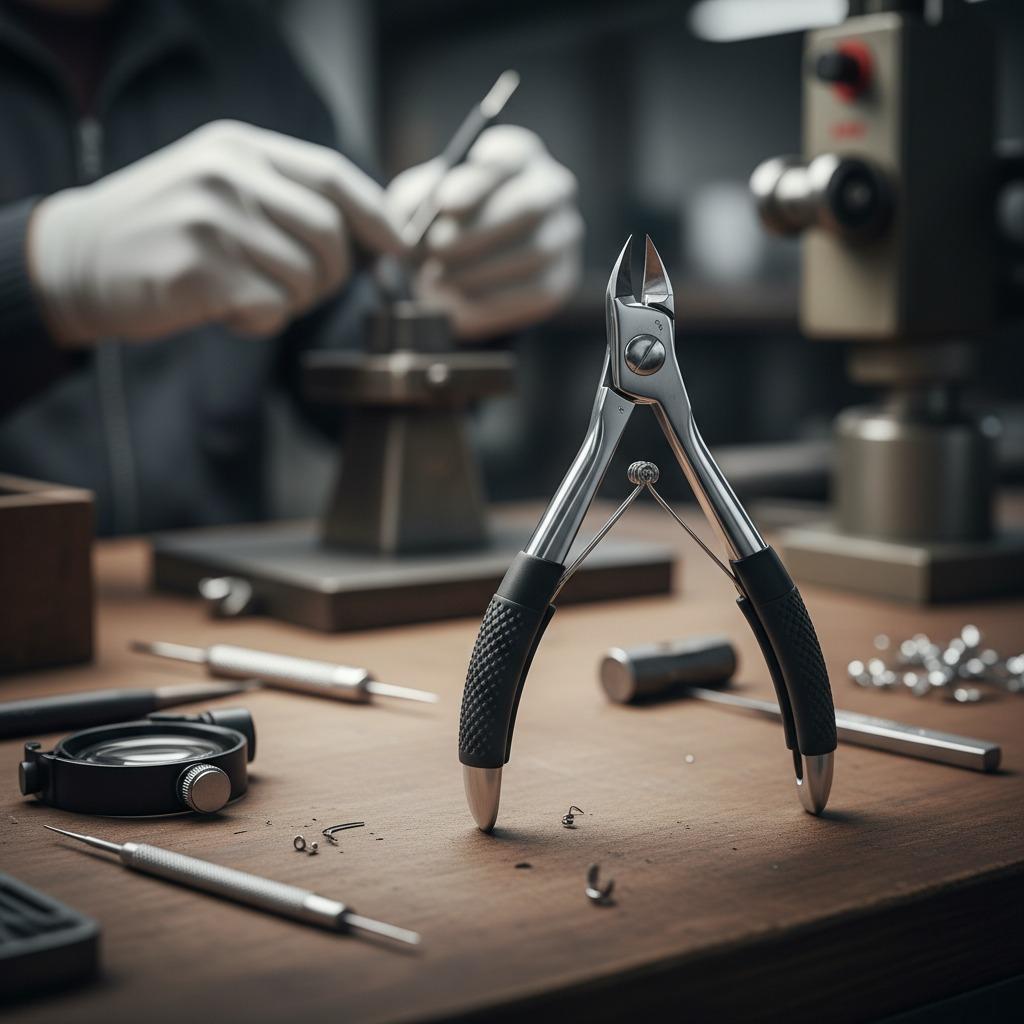
Olimor Beauty emphasizes quality checks during production, from raw material selection through final assembly. For buyers, this type of production control matters because cuticle nipper quality is built gradually. Stainless steel selection affects durability and finish. Blade shaping affects cutting accuracy. Handle finishing affects comfort. Joint and spring assembly affect smooth operation. Final inspection helps reduce variation before packing.
When comparing suppliers, ask practical sourcing questions: Can the factory explain its inspection points? Can it provide samples for hand testing? Can it support packaging requirements for your market? Can it maintain the same quality level across repeat orders? These questions are more useful than asking only for the lowest unit cost.
Blade Shape, Sharpness and Cutting Control
The blade is the working heart of a cuticle nipper. Olimor Beauty cuticle nippers are described with curved blades designed for clean, accurate trimming. A curved blade can follow the natural contour around the nail more comfortably than a straight cutting edge when removing small pieces of loose cuticle or hangnail skin.
Sharpness is important, but buyers should not judge a nipper only by how aggressive the blade looks. A quality cutting edge should feel precise, even and controlled. If the edge is rough, uneven or poorly aligned, the nipper may catch or drag instead of trimming cleanly. The tip area is especially important because much of the detailed cuticle work happens near the corners of the nail.
Blade Evaluation Points for Samples
- Blade alignment: The cutting edges should close evenly without visible gaps at the tip or along the intended cutting area.
- Tip precision: The tip should support controlled trimming in narrow nail areas without feeling loose or unstable.
- Cutting feel: The nipper should close smoothly and cut cleanly rather than tearing, dragging or requiring excessive pressure.
- Edge finish: The blade area should look clean, without obvious burrs or rough finishing.
- Consistency across samples: Several pieces from the same sample set should perform similarly, not just one selected piece.
The goal is not simply to find the sharpest sample. The goal is to find a supplier that can repeat a safe, accurate and comfortable cutting feel across production.
Stainless Steel, Surface Finish and Tool Care
Olimor Beauty professional cuticle nippers use stainless steel construction. Stainless steel is commonly selected for nail tools because it supports durability, a clean appearance and routine tool care when handled correctly. However, the term stainless steel alone is not enough for a complete purchasing decision. Buyers should review how the material performs in the finished tool.
A salon nipper may be cleaned frequently and handled throughout the day. A consumer grooming nipper may be used less often, but it still needs to feel sturdy, smooth and reliable. In both cases, the surface should be smooth enough to wipe clean, the handles should not have rough contact points and the joint should move properly.
Surface finish also affects perceived value. A polished, well-finished tool helps retailers present the product confidently and helps salons maintain a professional station. Buyers should compare finish consistency on the blade, handle, joint and spring area. Small cosmetic marks may not always affect function, but rough surfaces, burrs or inconsistent finishing can reduce customer confidence when the product is sold as a professional nail tool.
For hygiene and cleaning requirements, buyers should follow the rules that apply in their market and use environment. Salon operators may need to follow local public health authority guidance for cleaning and disinfection of manicure tools. If a supplier references a quality management standard such as ISO 9001, buyers should verify the applicable version, certificate scope and supplier documentation rather than assuming coverage. Olimor should not be treated as certified to any standard unless such documentation is supplied for the relevant order.
Handle Comfort and Ergonomic Use
Cuticle nippers are often used in short, precise motions, but ergonomics still matter. Olimor Beauty cuticle nippers are described with ergonomic handles that provide a comfortable, secure grip. A tool that feels awkward can make the user grip too tightly, shift the wrist or lose control at the tip.
For nail technicians, small comfort differences become noticeable during repeated use. A handle should allow controlled pressure without forcing excessive squeezing. The spring should reopen smoothly after each cut, with enough resistance to feel responsive but not so much that it causes hand fatigue.
For retail buyers, ergonomic comfort is also important because end users vary in experience. A consumer may not have the same technique as a professional technician. A stable grip and smooth spring action can make careful trimming easier and reduce the risk of misuse caused by poor control.
If your program includes multiple manicure and pedicure tools, compare the nipper with other items in your assortment. A cuticle nipper should match the expected quality level, hand feel and product positioning of the wider range. You can explore relevant Olimor product collections when planning a coherent nail care line.
Factory Evaluation Checklist for B2B Buyers
Professional nail tool buyers need a structured way to compare factories, samples and quotations. The following checklist supports practical supplier evaluation for cuticle nippers, especially when sourcing for salons, wholesale distribution, private label retail or e-commerce assortments.
| Evaluation Area | What to Check | Why It Matters |
|---|---|---|
| Blade alignment | Even closure, accurate tip contact and no visible jaw gap | Supports clean trimming and reduces pulling or tearing |
| Blade shape | Curved blade geometry, tip precision and clean edge finish | Helps the tool follow the nail contour during detailed cuticle work |
| Stainless steel construction | Overall sturdiness, surface smoothness and consistency of finish | Affects durability, cleaning workflow and product presentation |
| Handle and spring action | Smooth opening and closing, comfortable grip and balanced resistance | Improves control and reduces fatigue during repeated use |
| Joint stability | Firm pivot movement without wobbling or excessive stiffness | Maintains predictable cutting control at the blade tip |
| Inspection process | Checks from material stage through final assembly | Reduces variation across bulk quantities and repeat orders |
| Packaging fit | Tip protection, clear presentation and market-appropriate packaging | Helps prevent transit damage and supports retail or salon use |
| Supplier communication | Clear answers on samples, customization, order requirements and documentation | Improves sourcing efficiency and reduces misunderstandings |
Professional Salon Use vs Retail Home Grooming
The same cuticle nipper design may not be ideal for every channel. Buyers should define the primary use case before confirming specifications.
For Salons and Nail Technicians
Professional users usually prioritize precision, smooth spring action, consistent blade alignment and comfortable handling during repeated services. A salon buyer may also evaluate how easily the tool fits into existing cleaning routines and whether replacement or reorder support is dependable. The nipper should feel stable in the hand and allow the technician to work close to the nail fold with confidence.
For Retail and Home Grooming
Retail customers often need a tool that feels sharp, secure and easy to control. Packaging and instructions become more important because the user may not have professional training. A consumer-focused nipper should communicate intended use clearly: trimming small loose cuticle skin, not cutting nails or removing living skin aggressively.
For Wholesale and Private Label Programs
Wholesalers and private label buyers need repeatable quality, clear packaging options and consistent presentation across shipments. The supplier should be able to discuss customization feasibility, order requirements and inspection expectations before production. Buyers should confirm details in writing, especially for logo placement, packaging structure, finish preferences and any market-specific labeling needs.
Cost Factors When Comparing Cuticle Nipper Suppliers
Cuticle nipper cost is influenced by more than the metal used. Buyers should compare total value rather than choosing only the lowest quotation. A lower price may not be beneficial if it leads to inconsistent blade alignment, higher complaints or poor retail presentation.
Common cost factors include stainless steel selection, blade shaping difficulty, sharpening and finishing labor, ergonomic handle design, spring and joint assembly, inspection level, packaging type, customization requirements and order complexity. More detailed packaging, custom branding or tighter inspection expectations may affect the quotation and production planning.
A useful supplier discussion should cover what is included in the quoted product and what requires separate confirmation. For example, buyers can ask whether the quotation includes standard packaging, custom logo work, special surface finish, individual inspection steps or additional documentation. Olimor can discuss product options through the beauty tool inquiry channel so buyers can align expectations before placing an order.
Sample Review Process Before Bulk Ordering
Samples are important because cuticle nipper quality is best evaluated by hand. A product photo cannot show spring resistance, joint stability or the feel of the blade closing. Buyers should test multiple pieces when possible and compare performance across samples rather than relying on one unit.
- Inspect the finish first. Check the blade, handle, joint and spring area for rough edges, burrs, visible defects or inconsistent polishing.
- Check opening and closing movement. The action should feel smooth and predictable, without wobbling or sticking.
- Review blade closure. Look for even contact at the tip and along the intended cutting area.
- Test handling comfort. Hold the tool as a technician or customer would and check whether the handle supports controlled pressure.
- Compare several samples. Consistency across pieces is more important than one impressive sample.
- Confirm packaging suitability. Make sure the blade tips are protected and the presentation matches the sales channel.
For B2B buyers, the sample stage is also the right time to discuss customization, inspection expectations and reorder planning. Clear communication at this stage helps prevent misunderstandings later.
Customization, Packaging and Supplier Support
Many buyers source cuticle nippers as part of a branded nail care program. Customization may include logo placement, packaging design, product sets or assortment planning. The exact options depend on the product structure and order requirements, so buyers should confirm feasibility with Olimor before finalizing artwork or launch plans.
Packaging should protect the blade tips, communicate the product clearly and suit the intended channel. Salon supply packaging may focus on practical handling and storage. Retail packaging may need stronger shelf presentation and user guidance. E-commerce packaging may require attention to transit protection and product clarity after delivery.
Good supplier support is not about making unrealistic promises. It is about answering practical questions, confirming technical details and helping buyers choose a suitable product configuration. If you are preparing a salon range, retail line or private label project, you can contact Olimor Beauty to discuss samples, packaging direction and sourcing requirements.
How to Choose the Right Cuticle Nipper for Your Program
The right cuticle nipper depends on the market, user skill level and brand positioning. A professional salon tool should prioritize precise blade control, reliable spring movement and ergonomic comfort. A retail grooming tool should balance sharpness with secure handling and clear use guidance. A distributor program should focus on repeatable quality, packaging consistency and efficient reorder communication.
Before confirming an order, define your primary search intent as a buyer: Are you sourcing a professional salon nipper, building a private label manicure set, adding a retail grooming item or comparing suppliers for wholesale distribution? This decision will guide the level of blade precision, packaging, customization and inspection discussion required.
A strong cuticle nipper sourcing decision is built on practical checks: stainless steel construction, curved blade accuracy, smooth handle movement, stable joint assembly, clean finishing and dependable inspection. When these details are controlled, the tool is more likely to deliver the cutting confidence that technicians and customers expect.
FAQ
Can I request samples before placing a bulk order?
Sample availability should be confirmed with Olimor based on the product style and sourcing request. Buyers are encouraged to evaluate blade alignment, spring action, surface finish, handling comfort and packaging before confirming bulk production.
Does Olimor offer customization for cuticle nippers?
Customization may be possible for elements such as branding or packaging, depending on the selected product and project requirements. Buyers should confirm logo placement, artwork needs, packaging structure and any market-specific labeling details before production.
What is the MOQ for cuticle nipper orders?
Minimum order requirements can vary by product configuration, packaging choice and customization needs. Olimor should be contacted directly for the applicable order requirement for the specific cuticle nipper project.
What quality checks should buyers request?
Buyers should discuss checks for stainless steel finish, blade alignment, tip precision, spring movement, handle comfort, joint stability, packaging protection and final assembly consistency. Any required documentation should be confirmed before ordering.
How should buyers estimate lead time?
Lead time depends on order details such as product selection, sample approval, packaging, customization and production schedule. Buyers should confirm timing with Olimor during inquiry and allow time for sample review and final specification approval.
Tag: