

Custom Tweezers: How to Choose Precision Beauty Tools for Your Brand
Custom tweezers are small tools, but they can carry a large part of a beauty brand’s quality message. A tweezer that grips cleanly, feels stable in the hand and looks consistent across a retail display can make a stronger impression than many larger accessories. For beauty brands, salon buyers, distributors and gift-set planners, customization is not only about color or engraving. It is also about choosing the right tweezer style, finish, packaging approach and quality checkpoints for the way the tool will actually be used.
Olimor Beauty works with beauty tool buyers who need practical, well-presented tweezers for grooming routines, brow shaping, nail art details and professional kits. Whether you are sourcing a single personalized tweezer concept or building a wider assortment, the most successful projects begin with a clear product brief: who will use the tool, what level of precision they expect, how it will be packaged and what visual identity it should support.
What Makes a Custom Tweezer Worth Sourcing?
A custom tweezer should do more than look attractive in a product photo. The working tips must align properly, close with controlled pressure and grip fine hair or small decorative elements without unnecessary slipping. If the tweezer is too stiff, users may feel hand fatigue. If it is too loose, it may not provide the control needed for brow grooming or detailed beauty work.
The original purpose of customization is to match the tool to a specific market. A salon-focused tweezer may prioritize a professional appearance and long-term handling comfort. A retail beauty accessory may need a distinctive color finish that stands out on shelf. A promotional beauty item may benefit from simple personalization, such as a printed or engraved logo, while still meeting basic expectations for grip and durability.
When comparing options, buyers should consider both the visible and functional details:
- Tip performance: Check whether the tips meet evenly and can grip fine hair or small beauty accessories with control.
- Handle comfort: The body should feel stable, especially during repeated use.
- Finish consistency: Color, coating or decorative effects should appear even across the order.
- Branding space: Logo placement should be readable without interfering with the grip area.
- Packaging fit: The tweezer should sit securely in its retail card, pouch, box or kit insert.
Personalized Tweezers: Color, Finish and Brand Identity
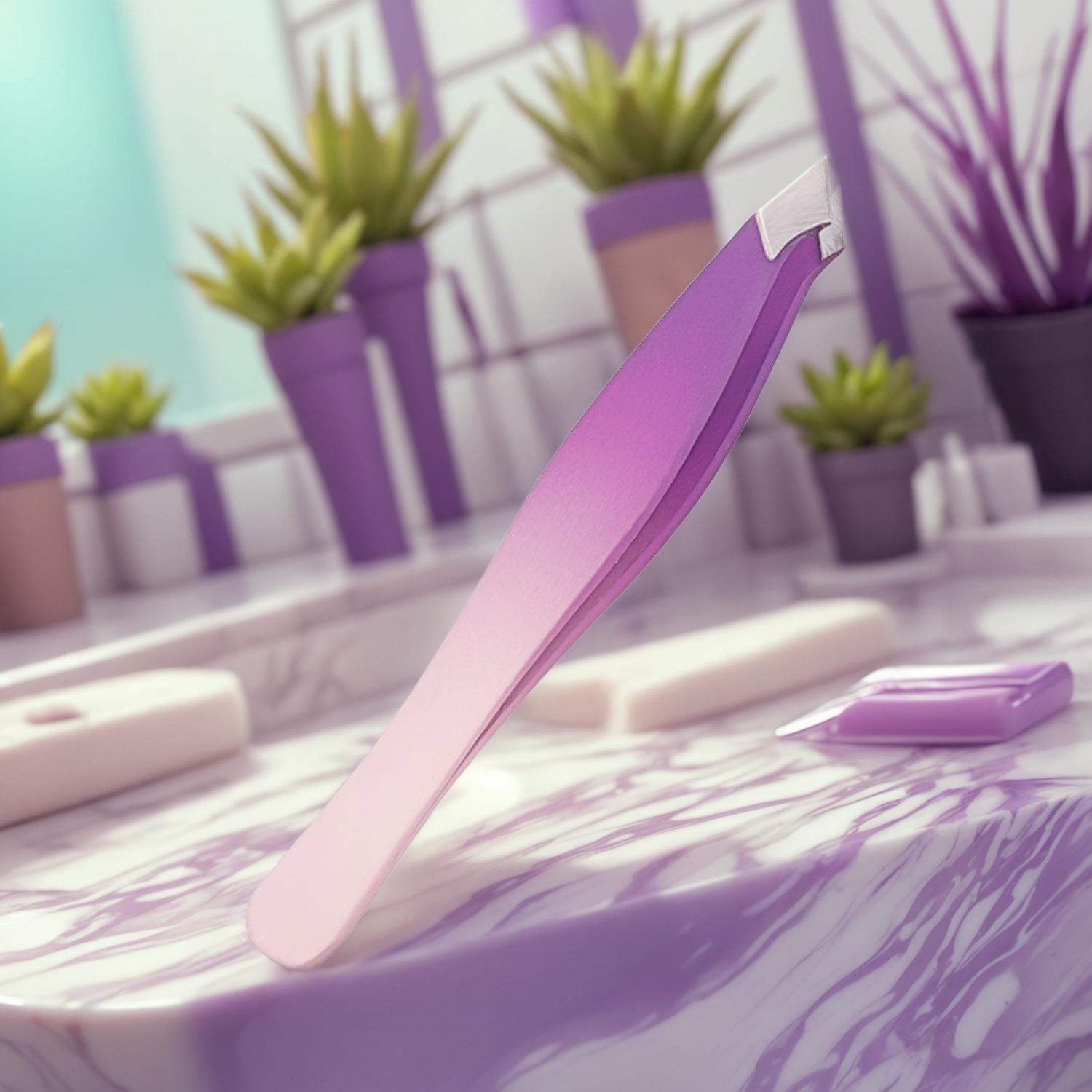
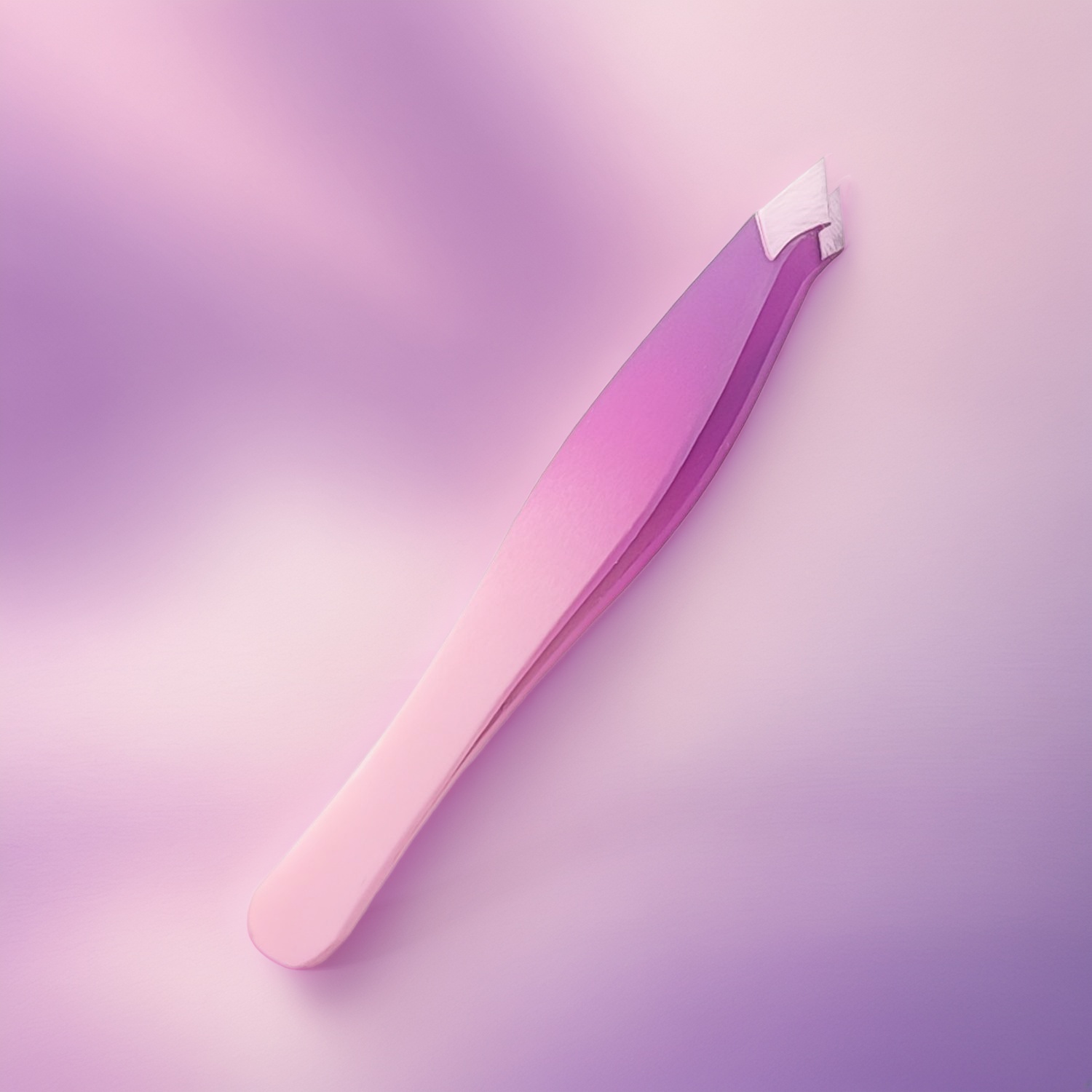
Personalized tweezers are often chosen because they give a beauty line a stronger visual identity. Color can help separate a brow tool collection from nail tools, skincare accessories or gift sets. A soft, cosmetic color palette may suit everyday retail ranges, while darker metallic tones may fit a professional salon kit. The supplied example of a Gradient Elegance Tweezer, with a transition from blush pink to violet, shows how a simple tweezer can become more visually distinctive while remaining a practical grooming tool.
Visual customization should be planned with the end sales channel in mind. Online shoppers may judge the tool from a close-up image, so the finish needs to photograph well. Retail buyers may compare several products side by side, so color consistency and packaging presentation become important. Salon professionals may care less about decorative effects and more about whether the tool is easy to identify, clean and handle during busy services.
Branding can also be subtle. A small logo on the arm of the tweezer may be enough for a premium private-label range. For gift sets, a coordinated finish across tweezers, scissors, nail tools or other accessories can create a more complete look. Buyers planning multi-item programs can browse Olimor beauty tool products to think about how tweezers might fit with complementary tools in the same visual language.
Choosing the Right Tweezer for Different Use Cases
Not every tweezer should be customized in the same way. A beauty brand selling to consumers may need a versatile tweezer for basic brow maintenance. A professional buyer may prefer a tool that supports repeated, precise work. A nail-focused assortment may include tweezers for picking up small decorations, applying details or handling delicate materials. The best choice depends on the primary task.
| Use case | Buyer priorities | Customization focus |
|---|---|---|
| Everyday brow grooming | Reliable grip, comfortable handling, approachable appearance | Soft colors, simple logo, protective retail packaging |
| Professional salon kits | Tip alignment, durability, easy identification, consistent batches | Clean finish, practical branding, kit-ready packaging |
| Nail art detail work | Fine control, stable hand feel, ability to handle small decorative pieces | Distinct color coding, lightweight presentation, secure storage |
| Gift sets and promotions | Attractive appearance, brand visibility, coordinated set design | Gradient effects, engraving, color matching with other tools |
This kind of use-case planning prevents over-customization. A highly decorative finish may be excellent for a giftable retail item, but a salon buyer may prefer a simpler finish if it is easier to maintain and reorder. Likewise, an entry-level promotional tweezer still needs acceptable working tips, because poor performance can damage the buyer’s brand image.
Material, Tips and Handling: Practical Checks Before Ordering
The original product information notes stainless steel tips, an ergonomic design and a lightweight yet robust feel. These are important starting points for a tweezer program, but buyers should still evaluate samples in realistic conditions. Tweezers are judged by touch as much as by appearance. A sample that looks good but fails to grip consistently may lead to returns, complaints or weak repeat sales.
During sample review, test the tweezer on the same tasks your customers will perform. For brow use, check whether it can catch both slightly thicker and finer hairs. For beauty detail work, check whether the tips close evenly and release smoothly. For retail programs, place the sample inside the intended packaging and confirm that it does not shift, scratch easily or look misaligned through a window or blister pack.
A practical inspection checklist can include:
- Tip closure: Hold the tweezer against light and check whether the contact point is even.
- Grip response: Open and close the arms repeatedly to assess pressure and spring-back feel.
- Surface finish: Look for visible unevenness, sharp edges or inconsistent decorative coating.
- Logo clarity: Confirm that the logo remains readable at the selected size and position.
- Packaging compatibility: Test the tool in the final packaging format before approving bulk presentation.
- User feedback: Let people from the intended audience handle the sample, not only the purchasing team.
These checks are especially useful for private-label buyers because they connect the product specification to the real user experience. They also make communication with the supplier clearer and reduce the chance of approving a design based only on appearance.
Working With a China Tweezers Exporter
Choosing a China tweezers exporter involves more than comparing catalog images. Buyers need a supplier that can understand the difference between a cosmetic concept and a production-ready product. Olimor Beauty focuses on beauty tools and supports custom tweezer projects with attention to quality checks from raw materials through final packaging. That process matters because tweezers require consistent tip alignment, finish control and careful presentation.
Before confirming a custom program, prepare a concise brief. Include the intended user, preferred finish, logo requirements, packaging concept, target sales channel and any functional concerns. If your brand already has color standards or packaging artwork, share them early so that design and production decisions can be considered together. If you are still exploring options, review Olimor product collections to identify formats and accessory combinations that may suit your market.
For buyers comparing several suppliers, useful questions include: How will samples be reviewed before bulk production? What visual or functional checkpoints are used during production? How is packaging inspected before shipment? What information should be confirmed before artwork approval? These questions are more productive than asking only for a low unit price, because they reveal how the supplier manages consistency.
Care, Storage and Customer Guidance
Even well-made tweezers perform better when users care for them properly. Beauty brands can reduce complaints by adding simple care instructions to packaging, inserts or online product pages. The guidance does not need to be complicated. Users should keep the tips clean, avoid dropping the tweezer on hard surfaces and store it where the tips are protected from pressure or bending.
For salon environments, it is useful to separate tweezers by task and store them in a clean, dry place between services. For consumer retail, a small sleeve, pouch or protective cap can help prevent damage inside a makeup bag. If the tweezer has a decorative finish, users should avoid harsh handling that may scratch the surface. Clear care information protects the product experience and supports the buyer’s brand reputation.
Build a Custom Tweezer Program With Clear Priorities
A successful custom tweezer project balances precision, comfort, appearance and packaging. Start with the function, then refine the visual design. Decide whether the tool is meant for everyday grooming, salon use, nail art detail work or a giftable beauty set. From there, choose the finish, branding method and packaging format that support that purpose.
Olimor Beauty offers custom tweezers for buyers who want practical beauty tools with personalized presentation. If you are planning a private-label tweezer, a coordinated beauty accessory range or a customized retail tool, prepare your product goals and send an inquiry. For questions about specifications, customization direction or sourcing details, you can also contact Olimor to discuss the next step.
Tag: