

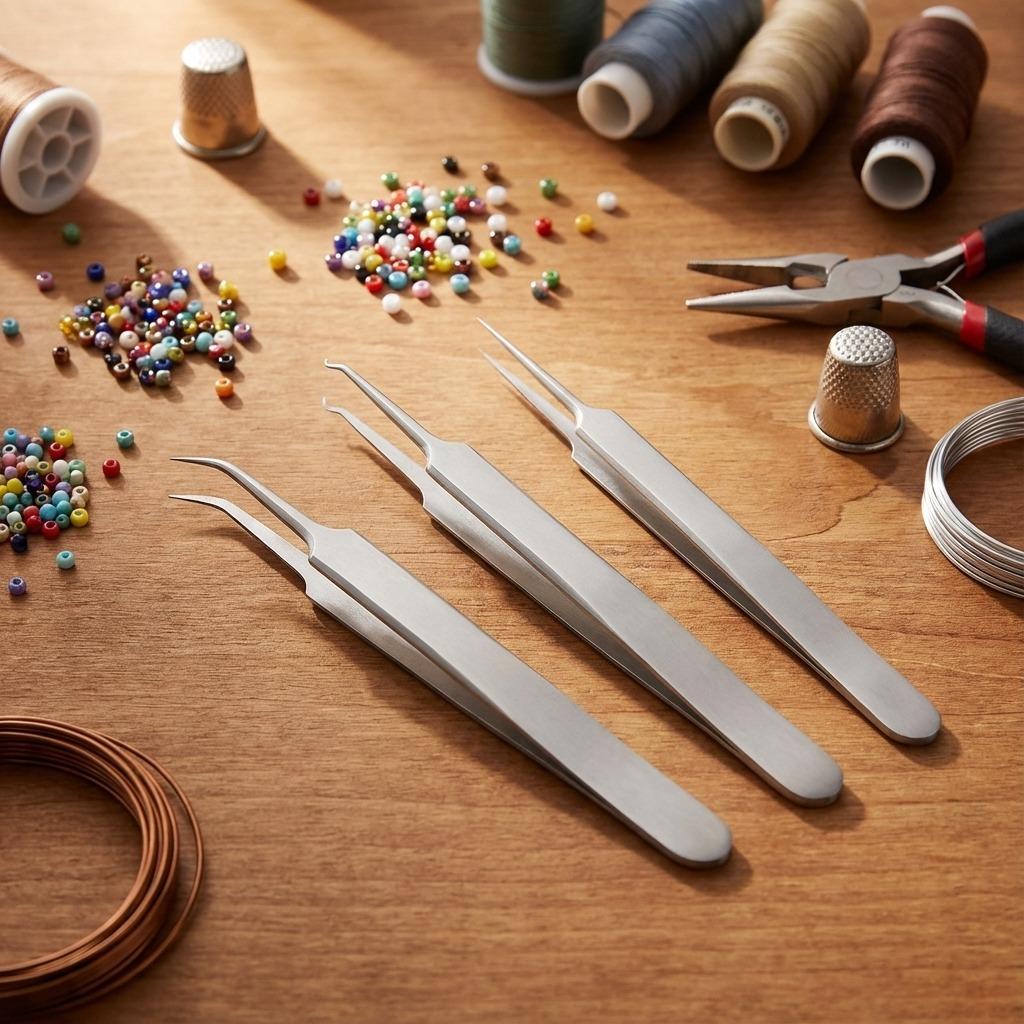
Custom Tweezers for Beauty, Lash and Detail Work
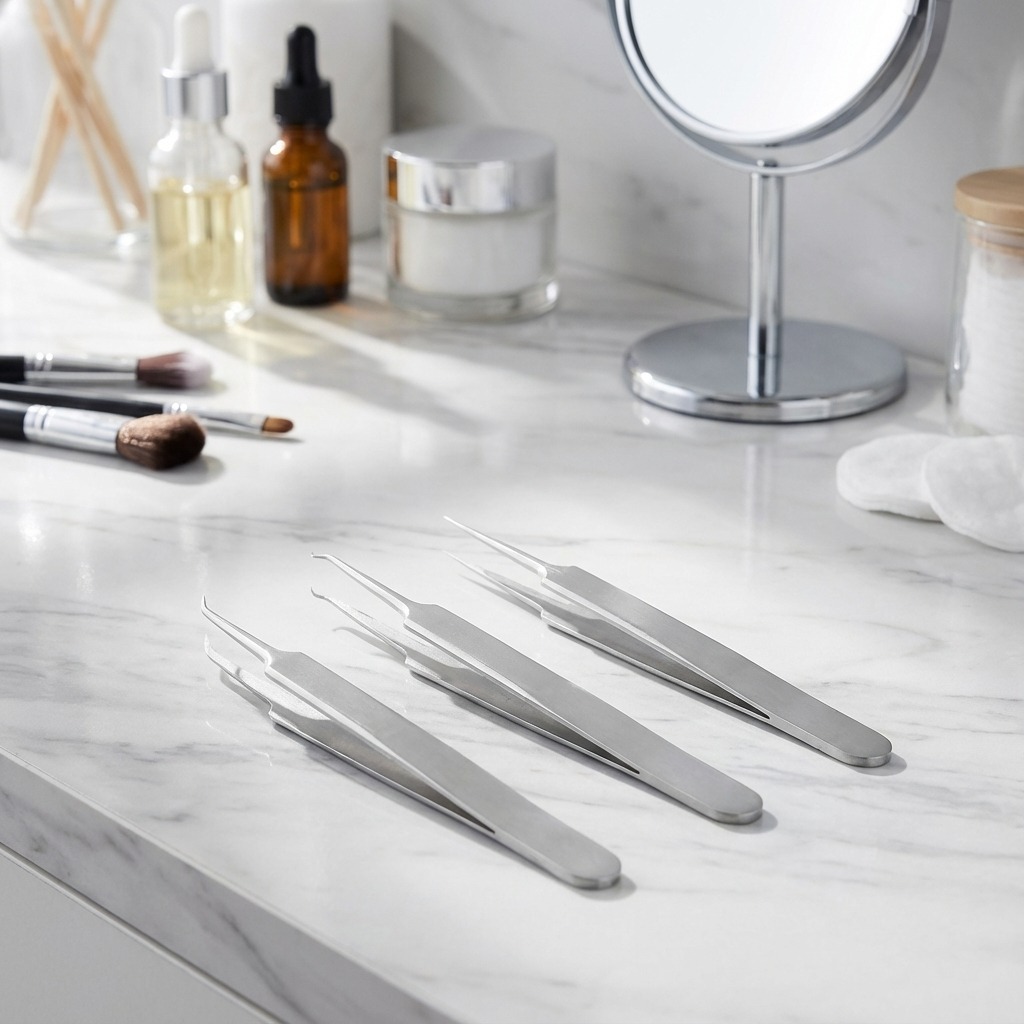
Custom tweezers are small tools, but the difference between a well-made pair and an average pair is obvious the moment the tips meet. For brow shaping, lash separation, facial hair removal, beading, electronics handling or fine studio work, control depends on alignment, grip, tension and tip shape. A custom option lets buyers match the tool to the task instead of forcing one generic tweezer to do everything.
Olimor Beauty supplies personalized tweezers with practical performance in mind: stainless steel construction, rust resistance, clean finishing, reliable tip contact and comfortable handling. For salons, beauty retailers, distributors and private-label buyers, the goal is not only to choose an attractive tool, but one that can be used repeatedly with confidence.
If you are comparing a broader assortment, you can also review the wider beauty tool range or browse a matching tweezer collection to keep finish and presentation consistent across a set.
What makes a custom tweezer worth sourcing?
A tweezer may look simple, yet several working details shape the user experience. The tips must close evenly, the arms should spring back smoothly, and the finish should feel secure in the hand without sharp edges. Custom tweezers are valuable because these details can be selected around the intended market and use case.
For beauty professionals, accuracy matters when isolating a single brow hair or working close to the lash line. For retailers, the tool must look clean on display and feel dependable when a customer tests it. For hobby and technical users, the tip must hold small items without slipping or bending.
Personalization can include tip shape, finish direction, engraving and packaging preference, depending on the project requirements. When comparing options, avoid judging only by appearance. A polished finish may look premium, but tip closure and hand comfort are more important for long sessions. Likewise, a very fine tip can be excellent for intricate work, but may not be the best choice for every grooming kit.
Choose the tip shape around the real use case
The tip is the most important working part of any tweezer. A good appearance cannot compensate for poor alignment or the wrong shape. The best choice usually begins with the task, then moves to comfort and presentation.
| Tip style | Typical use | What buyers should check |
|---|---|---|
| Ultra-fine or pointed tips | Detailed beauty work, bead handling, tiny parts, precise picking | Whether the tips align cleanly and hold small items without excess pressure |
| Angled or slanted tips | Brow shaping, controlled plucking, easier access around the face | Whether the angle supports a natural wrist position and visible control |
| General precision tips | Multipurpose grooming, retail kits, light detail work | Whether the grip is balanced enough for several user types |
| Personalized handle designs | Private label, retail differentiation, coordinated sets | Whether branding improves presentation without affecting comfort |
For brow grooming, angled designs are often preferred because the slanted edge approaches hair from a comfortable direction. For eyelash extensions, fine pointed tips help with precise isolation and handling. For craft or technical use, a balanced precision tip may be more useful than an aggressive point.
When reviewing samples, test the tweezer on the actual task rather than only inspecting it visually. A tool that looks sharp may not close evenly, and a tweezer that feels firm for one user may feel tiring for another.
Material, finish and rust resistance
Stainless steel is a common choice for precision tweezers because it supports a clean appearance, dependable structure and rust resistance during normal beauty-tool use. That matters in salons, bathrooms and makeup stations, where humidity and frequent cleaning are common. Olimor Beauty highlights stainless steel construction and sleek finishing because these are practical features, not just visual ones.
Still, buyers should evaluate more than the material name. The real performance comes from the combination of raw material selection, forming, finishing and inspection. A quality pair should not feel flimsy, and the tips should meet consistently along the intended gripping point. Rough surfaces can trap residue, while unfinished edges can irritate the hand during repeated use.
Because material grades and treatment details vary by project, build a clear checklist instead of relying on vague claims. Look for surface smoothness, visible burrs, tip symmetry, cleaning compatibility and the feel of the spring tension. These checks are more meaningful than broad marketing language.
For buyers with regulatory requirements, it can also be sensible to ask whether the supplier can support applicable documentation tied to quality management or material compliance, such as an ISO 9001 process reference or REACH-related information where relevant. Verify the current version that applies to your market and request the supplier documents that support your order. Do not assume a certification unless it is explicitly provided.
Comfort and control matter during repeated use
Ergonomic design is especially important for users who perform repetitive work, such as brow artists, lash technicians, salon staff, craft makers and inspection teams. A tweezer that feels comfortable for a few seconds may feel different after an hour of repeated use.
Comfort comes from several elements working together. The arms should have enough tension to grip securely, but not so much that the hand strains. The width should allow the fingers to rest naturally. The surface should provide control without feeling abrasive. For angled tweezers, the slant should help the wrist maintain a natural position rather than forcing awkward movement.
A practical sample review should include real motions. Try picking up fine hair-like fibers, small beads or other tiny objects. Check whether the tool slips, whether the tips cross and whether the same grip strength is needed each time. Those simple tests reveal more than product photos.
How to inspect custom tweezers before ordering
Quality assurance should start before production is approved and continue through final packaging. Clear expectations reduce confusion, especially when a buyer is sourcing from a China tweezers exporter for beauty retail, private label or salon supply.
- Tip alignment: The tips should meet evenly without gaps or crossing.
- Spring tension: The arms should open and close smoothly with consistent resistance.
- Surface finish: Look for scratches, uneven polish, discoloration or residue.
- Edge comfort: Check for burrs or rough spots where the fingers rest.
- Grip performance: Test the tweezer on the hair, lash fan, bead or small component your customer will handle.
- Packaging condition: Confirm that the tool is protected from scratches and deformation.
- Branding placement: Make sure engraving or decoration does not interfere with grip or cleaning.
For custom projects, it is also useful to confirm the target user before finalizing details. A tweezer for professional brow shaping may require a different balance of precision and tension than a tweezer intended for a general consumer grooming kit. A lash artist may value fatigue reduction and fine control, while a retailer may prioritize visual appeal, clean branding and shelf presentation.
How to source custom tweezers for salon, retail or private label use
Good sourcing starts with the end user. A consumer brow kit, a professional lash tray, a gift set and a crafting tool may all require different priorities. Before requesting samples, define where the tweezer will be sold, how it will be used and what finish level is acceptable.
Useful buyer questions include:
- Which tip shape best fits the intended task?
- Do you need engraving, a chosen finish or packaging support?
- Will the tool be sold alone or as part of a set?
- Should the design favor display appeal, all-day comfort or precision handling?
- What quality checks should be confirmed before shipment?
If you are building a coordinated assortment, compare tweezers with other beauty accessories so the line feels consistent in finish and user experience. That is often more effective than choosing tools one by one without a plan.
For a focused project discussion, you can send a custom inquiry with the intended use case, desired tip style and packaging needs. If you prefer a direct conversation, use the contact page to outline your sourcing goals and request guidance on the most suitable custom option.
Olimor Beauty can support buyers who want practical, personalized tweezers with a clear balance of appearance and function. The strongest orders usually begin with a simple brief: who will use the tool, what task it must perform and how it should present on the shelf or in the kit.
FAQ
Can I request samples before placing an order?
Yes, sample review is one of the best ways to check tip alignment, spring tension, finish and comfort before committing to a full order.
What customization options are usually available?
Common options include tip style, finish direction, engraving and packaging preference. The exact choices depend on the project and the product format.
How should I judge quality on a sample?
Test real use cases. Check whether the tips close evenly, whether the grip feels natural, whether the finish is smooth and whether the tweezer handles the intended hair, lash or detail task cleanly.
Does MOQ stay the same for every custom tweezer project?
No. MOQ can vary by model, customization level and packaging needs, so it is best to confirm the details directly for your specific request.
What affects lead time for custom tweezers?
Lead time depends on the customization scope, sample approval, production schedule and packaging requirements. Ask for a project-specific timeline before placing the order.
If you are comparing custom tweezers for beauty, lash or detail work, start with the task, then the finish, then the branding. That order usually leads to better results, fewer product complaints and a more reliable line for your customers.
Tag: