

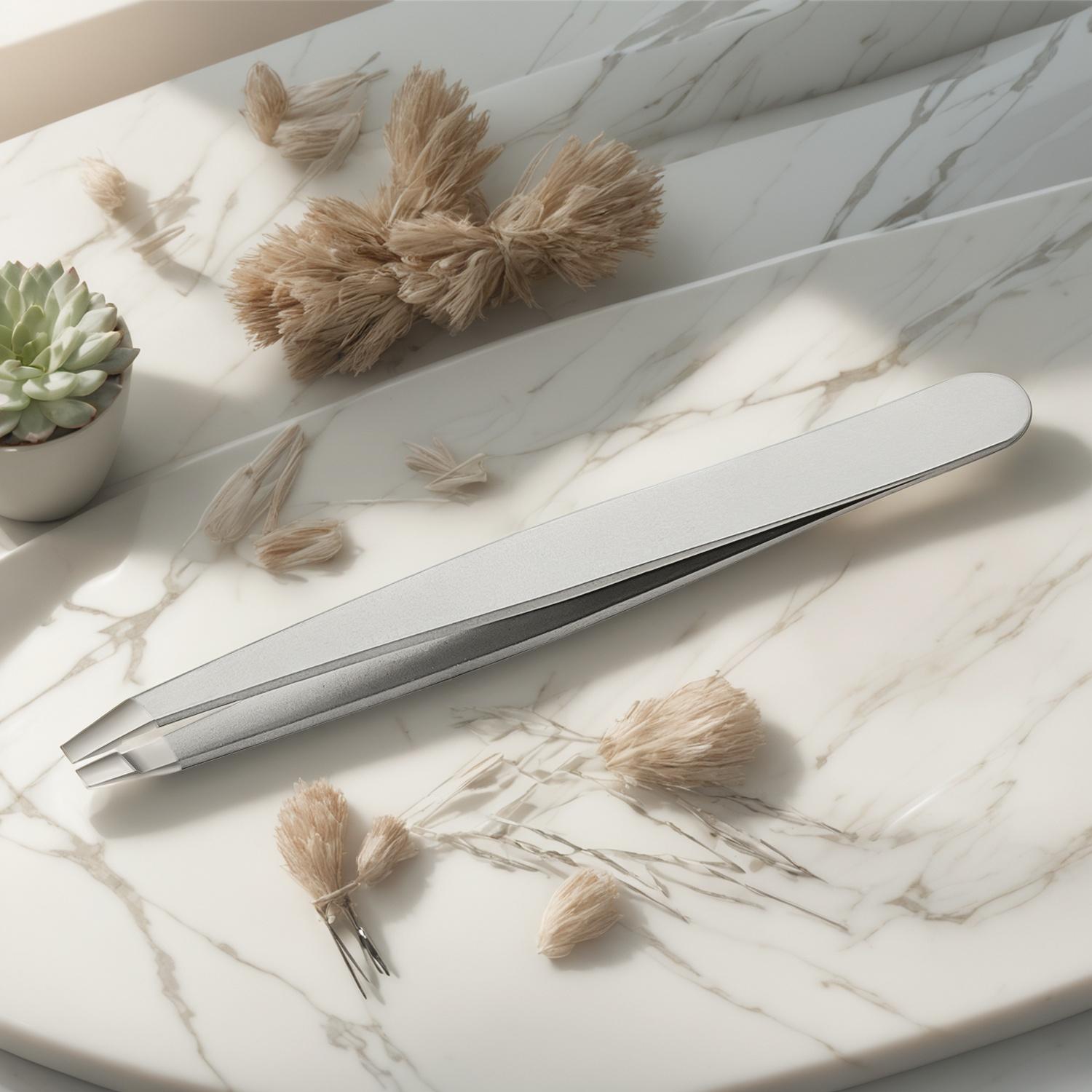
Custom Tweezers for Beauty Brands, Salons and Grooming Kits
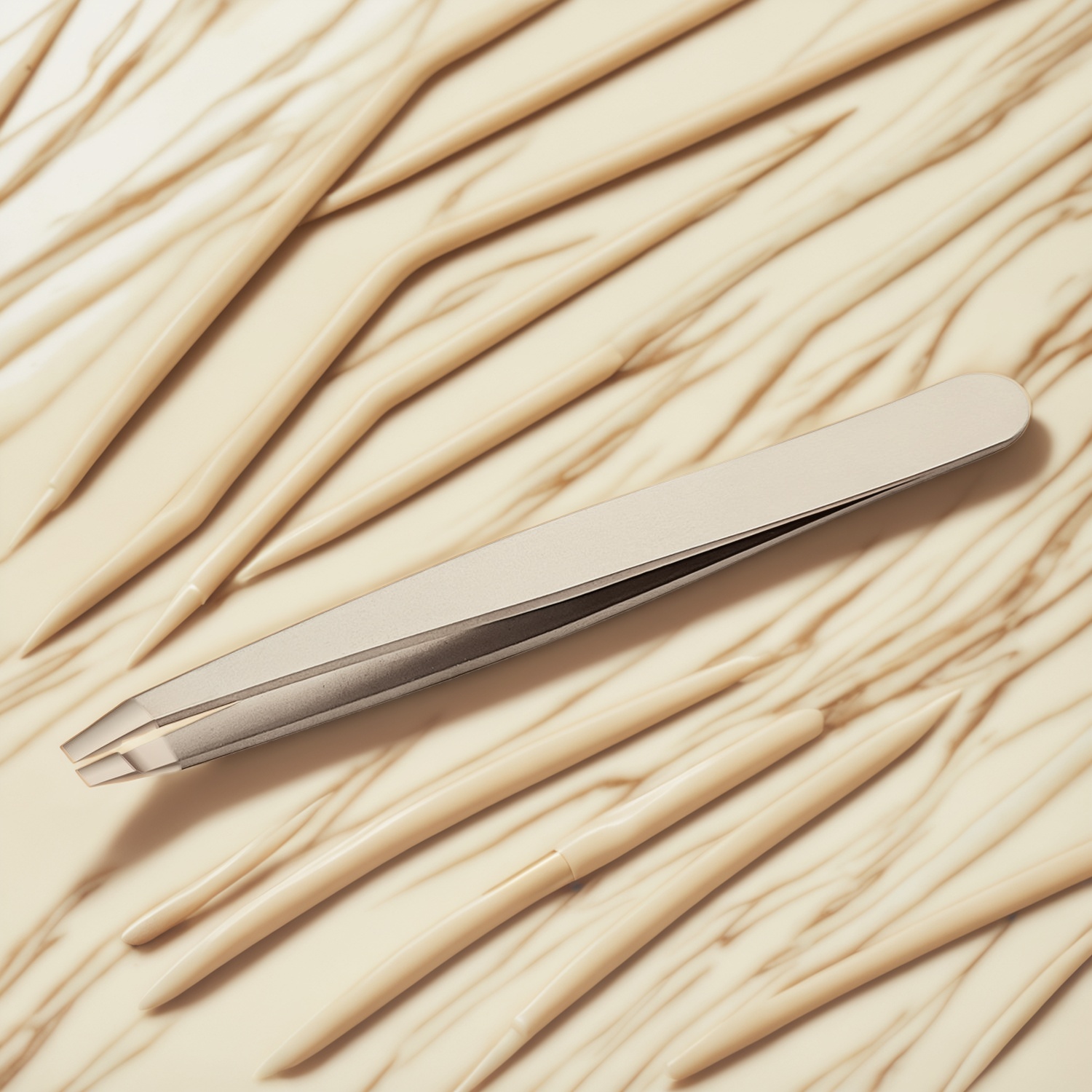
Custom tweezers are small beauty tools, but they strongly influence how customers judge a grooming product, salon retail item or private label kit. A good tweezer should grip fine hairs cleanly, feel controlled in the hand, present well in packaging and match the quality expectations of the brand behind it.
For beauty brands, salons, gift set developers and distributors, the sourcing goal is not simply to add a logo to a generic tool. The better approach is to select the right tip style, material, surface finish, packaging and inspection criteria for the intended use. This guide explains how to evaluate personalized tweezers for brow grooming, lash application support, facial hair removal, travel kits and promotional beauty programs.
What Makes a Custom Tweezer Worth Sourcing?
A tweezer is judged first by function. If the tips do not meet evenly, if the arms feel too stiff, or if the tool slips on fine hair, attractive color and branding will not prevent complaints. Buyers should treat customization as an addition to performance, not a substitute for it.
Useful product characteristics in the supplied Olimor beauty-tool information include stainless steel construction, ergonomic handling, metallic finish options and corrosion-resistant qualities. These features matter because tweezers are frequently handled, often stored in humid bathroom environments and used close to the face where control and comfort are noticeable.
The most important practical checks are simple: the tips should align cleanly, the tool should spring open naturally, the grip should not require excessive pressure and the surface should feel smooth along the side edges. A sample that looks acceptable in a photograph may still fail when tested on fine brow hair, lash materials or repeated opening and closing.
Choose the Right Tip Style for the Use Case
Tip shape is one of the most important sourcing decisions. A brow retail item, lash support tool and specialty grooming tweezer may need different geometry. The buyer should define the end user before confirming artwork, packaging or finish.
| Tip style | Best-fit applications | Buyer evaluation points |
|---|---|---|
| Slanted tip | Brow shaping, general facial hair removal and everyday grooming kits | Check whether the angled edge grips both visible hairs and shorter hairs near the brow line. Slanted tips are familiar to many retail consumers. |
| Curved tip | Lash application support, detailed grooming and controlled pickup tasks | Confirm whether the curve improves visibility and hand position for the intended user rather than adding complexity. |
| Pointed tip | Very fine detail work and isolated hair selection | Review packaging and user guidance carefully because the sharper profile needs protection and clear handling expectations. |
| Flat tip | Holding small items or broader gripping tasks in specialty kits | Less suited to fine brow hair removal, but useful where a wider contact area is more important than fine selection. |
For a brow-focused retail collection, slanted stainless steel tweezers are often a practical balance of access, control and consumer familiarity. For a lash-focused kit, a curved tip may offer better visibility and controlled pickup. For a professional or multi-tool assortment, buyers may consider whether one tweezer can serve the core use case or whether two tip styles would make the kit clearer.
Material, Finish and Handling Considerations
Stainless steel is commonly used for beauty tweezers because it is durable and can resist corrosion when cared for properly. Buyers should still evaluate the specific sample rather than relying on a material description alone. The tool should feel stable, clean and comfortable, with no rough edges where fingers press during use.
Finish also affects both appearance and user confidence. A metallic finish can look clean and professional, while color finishes may help a retail kit stand out. The right choice depends on the sales channel. A salon counter item may benefit from an understated professional appearance; a gift set may need stronger visual coordination with other tools, packaging and display materials.
Ergonomic design should be assessed through use, not only by visual shape. Open and close the tweezer repeatedly. Hold it with dry hands and slightly damp hands. Test whether the side edges feel smooth and whether the arms provide enough spring-back without tiring the hand. These small details determine whether the item feels like a dependable beauty tool or a disposable accessory.
Where Personalized Tweezers Fit in Beauty Programs
Personalized tweezers can support many B2B beauty programs because they are compact, practical and easy for customers to understand. The right configuration depends on whether the tweezer is the hero product or a supporting item inside a broader set.
- Brow grooming kits: Prioritize slanted tip alignment, hand comfort and protective packaging.
- Lash support kits: Consider curved tips or other shapes that help controlled pickup and visibility.
- Salon retail: Choose a finish and feel that match professional service expectations.
- Gift sets: Coordinate color, logo placement and packaging with the rest of the range.
- Travel beauty pouches: Focus on compactness and tip protection during movement.
- Promotional beauty campaigns: Balance branding visibility with a tool that still performs well enough to protect brand perception.
Companies planning a coordinated beauty assortment can review Olimor’s beauty tool products to consider how tweezers fit with related grooming and personal care accessories. For broader range planning, the product collections can help buyers think about set consistency, presentation and category fit.
Customization Choices That Improve Brand Fit
Customization should make the tweezer feel connected to the brand while preserving usability. Common options include surface color, printed or engraved logos, handle texture, individual packaging and coordinated set presentation. Decorative details may be suitable for gift programs, salon retail items or limited promotional kits, but they should not interfere with grip.
Before approving a design, consider how the tool will appear in three moments: on the shelf, in the user’s hand and after repeated handling. A large logo may look strong in a rendering but sit exactly where fingers rub during use. A dramatic finish may attract attention online but feel less appropriate in a professional salon setting. Packaging may look elegant but fail to protect pointed or delicate tips during shipping.
Branding and Packaging Checklist
- Logo placement: Keep branding readable without putting it in the highest-friction grip area.
- Finish consistency: Check that color or metallic appearance is even across the body.
- Set coordination: Match the tweezer to related tools such as brow brushes, lash accessories, scissors or nail tools.
- Protective packaging: Use a sleeve, tray, card or box when the tip needs protection or retail display support.
- Care information: Add basic use and handling notes, especially for pointed or precision tips.
How to Evaluate Samples Before a Bulk Order
Sample review is one of the most important steps in sourcing custom tweezers. Buyers should not approve a product based only on appearance. The sample should be tested in the same way the customer will use it: gripping fine hair, picking up lightweight material, opening and closing repeatedly, and checking how the finish feels during handling.
- Inspect the tips under bright light. The two edges should meet evenly, without visible twisting or gaps that affect grip.
- Test on fine material. A fine thread or similar strand can reveal whether the tweezer holds thin material without slipping.
- Check arm tension. The tool should close with stable pressure and spring open naturally.
- Review surface finish. Look for scratches, uneven coating, residue, sharp edges or inconsistent metallic appearance.
- Assess branding placement. Confirm that the logo is readable and does not reduce comfort.
- Test realistic handling. Hold the tweezer from different angles and with slightly damp hands to reflect bathroom or salon use.
- Compare multiple samples. Consistency between units matters as much as one good approval sample.
For beauty tools, small inconsistencies are easy to notice because tweezers are used close to the face and often under bright lighting. A practical sample approval process reduces the risk of returns, weak reviews and disappointing repeat purchases.
Quality Checks and Supplier Documentation
Inspection should focus on function before decoration. A beautiful finish cannot compensate for tips that fail to meet correctly. Olimor Beauty emphasizes quality checks from raw materials to final packaging, and buyers should define the inspection points they expect for their own program before confirming production.
Relevant buyer checks may include tip alignment, grip performance, arm tension, surface smoothness, cleanliness, packaging fit and consistency against the approved sample. If the product is part of a multi-piece kit, the inspection should also confirm that the finish and packaging match the broader assortment.
Some buyers use recognized frameworks such as ISO 9001 for quality management expectations or ISO 2859 sampling procedures when discussing inspection plans. These references can help structure supplier conversations, but buyers should verify the applicable version, scope and supplier documentation. No certification or test result should be assumed unless the supplier provides current evidence for the exact organization and product context.
Working With a China Tweezers Exporter
Sourcing from a China tweezers exporter can be practical for brands that need customization, coordinated packaging and export-ready communication. The key is to brief the supplier clearly. Instead of asking for “premium tweezers,” define the intended user, tip style, finish, logo method, packaging format, sample requirements and inspection priorities.
A useful private label brief may include reference samples, artwork files, desired finish direction, packaging concept, carton marking expectations and the role of the tweezer in the overall product range. If the tweezer is part of a brow kit, lash kit or travel beauty pouch, share the set concept so the supplier understands whether the tool must visually match other accessories.
Cost factors can vary depending on material selection, tip complexity, finish process, logo method, packaging structure, order quantity and inspection requirements. Buyers should request quotations based on a complete specification so comparisons are fair. A lower unit cost may not be the best value if it results in weak packaging, inconsistent finish or poor grip performance.
Supplier Evaluation Questions for B2B Buyers
Before moving from sample approval to a bulk order, ask practical questions that reveal how the supplier handles customization and quality control. The answers help compare suppliers beyond catalog photos.
- Which tip styles are available for the intended application?
- Can the supplier provide samples with the requested finish, logo and packaging direction?
- How are tip alignment, grip, surface finish and packaging fit checked?
- What artwork files and approval steps are required for branding?
- How should buyers confirm packaging structure for retail, salon or travel use?
- What information is needed to quote the project accurately?
- Which documents can the supplier provide for material, inspection or shipment review?
Olimor Beauty supports buyers exploring custom and personalized tweezers for beauty programs. To discuss an application, packaging concept or branding direction, send project details through the custom tweezer inquiry form or contact the team through Olimor customer support.
FAQ: Custom Tweezers for Beauty Programs
Can I request samples before placing a bulk order?
Yes. Sample review is recommended because tweezers must be checked by hand for tip alignment, grip, tension, finish and packaging fit. Buyers should confirm sample availability and any customization limits directly with Olimor.
Is there a fixed MOQ for custom tweezers?
MOQ depends on the project details, including customization method, finish, packaging and production requirements. Buyers should share the intended specification so Olimor can advise on the applicable order conditions.
What customization options should a beauty brand prepare?
Prepare the preferred tip style, logo artwork, finish direction, packaging concept and target use case. Reference samples or images can also help clarify the desired look and hand feel.
How should quality be checked before shipment?
Inspection should cover tip alignment, grip on fine material, arm tension, surface finish, cleanliness, branding placement and packaging fit. Buyers may also define sampling expectations and request relevant supplier documentation.
Can custom tweezers be matched with other beauty tools?
Yes. Tweezers can be planned as part of brow kits, lash support kits, travel pouches, salon retail items or gift sets. Matching finish, packaging and brand presentation helps the final assortment feel more consistent.
Tag: