

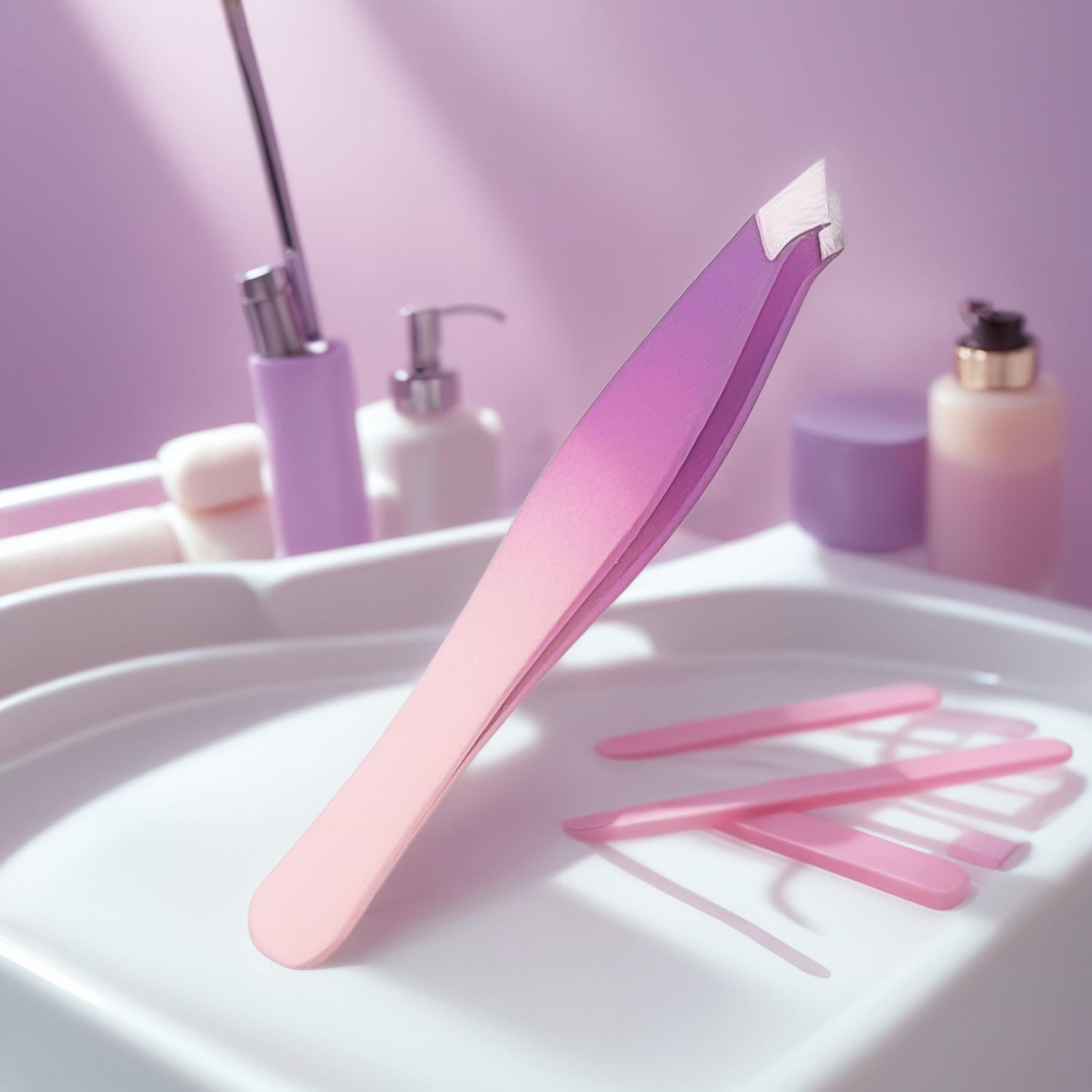
Custom Tweezers: How to Choose Personalized Precision Tools for Beauty Lines
Custom tweezers look simple, but small decisions in design, finishing and quality control have a direct effect on how the tool performs in the hand. For beauty brands, salon retail buyers, promotional product teams and grooming tool distributors, tweezers are often a compact item with high daily use. A customer may not think about the manufacturing process, but they immediately notice whether the tips meet cleanly, whether the grip feels secure and whether the finish still looks attractive after regular handling.
Olimor Beauty works with beauty tools for buyers who need practical customization without losing sight of core performance. Personalized tweezers can support a retail line, a professional kit, a gift set or a brand launch, but the first priority should always be precision. A logo or special finish can make the product recognizable; properly aligned tips make it useful.
Why Custom Tweezers Need More Than a Logo
Personalization is often described as engraving initials, adding a brand mark or selecting a color finish. Those details matter, especially for retail presentation, but a tweezer is still a precision grooming instrument. The buyer should evaluate the functional design before finalizing decoration.
A good custom tweezer must close evenly, grip fine hair without excessive pressure and feel stable during small movements around the brow line. If the tool is too slippery, too stiff or poorly aligned, even an attractive finish will not create repeat purchase value. For professional beauticians, consistency between units is also important because the tool becomes part of a repeated service process. For home users, ease of handling can reduce frustration during everyday grooming.
Custom tweezers are commonly selected for eyebrow shaping, facial hair removal, beauty kits and retail grooming accessories. They can also be included in compact travel sets or bundled with other items from broader beauty tool products. The right design depends on how the buyer expects the end user to hold, store and use the tool.
Key Selection Criteria for Personalized Tweezers
Before deciding on a finish or package, define the tweezer’s intended role. A salon-focused tool may need a clean professional appearance and reliable grip under frequent use. A gift-focused tool may place more emphasis on decoration, engraving and coordinated packaging. A private label retail tool must balance both.
- Tip alignment: The two tips should meet cleanly along the working edge. Uneven contact can cause hair slipping or breakage.
- Tip style: Slanted tips are widely used for brow shaping because they offer a practical angle for individual hair removal. Buyers should choose the shape that matches the primary use case.
- Material choice: The supplied article identifies stainless steel as the material used for personalized tweezers. Stainless steel is valued in beauty tools because it supports durability and a clean appearance when properly maintained.
- Grip and ergonomics: Ergonomic designs help users maintain control, especially during detailed grooming. Consider the width, spring tension and surface feel.
- Finish durability: Decorative finishes should be evaluated for appearance, comfort and resistance to normal handling.
- Branding method: Engraving initials or applying a brand mark can make the item suitable for personalized sales, gifts or branded kits.
- Packaging fit: Packaging should protect the tips and present the tool clearly without allowing unnecessary movement in transit.
Tip Precision and Everyday Performance
The tip is the working heart of a tweezer. The original product information highlights hand-filed tips and minimal effort in grabbing hair. For buyers, this points to an important sourcing principle: do not evaluate tweezers only by appearance. A polished surface, gradient finish or customized mark is secondary to whether the tool can grasp fine hairs reliably.
When reviewing samples, test the closing action repeatedly. The tweezer should not require uncomfortable force, and the tips should not cross over each other. A stable spring feel helps users make controlled movements. If the tweezer is intended for brow grooming, check whether it can isolate a single hair without catching nearby skin. If it is intended for general beauty kits, evaluate whether the shape is easy enough for non-professional users.
Comfort also matters. A pair of tweezers can be technically sharp and still unpleasant to use if the body is too narrow, the finish feels slick or the tension causes hand fatigue. Ergonomic design, noted in the supplied product description, is valuable because it supports accurate handling during small grooming motions.
Customization Options That Support a Brand Strategy
Custom tweezers can be used in several brand situations. A cosmetics company may add them to an eyebrow product bundle. A salon chain may sell personalized grooming tools at reception. A distributor may create a coordinated selection for different retail price points. The customization plan should match the sales channel.
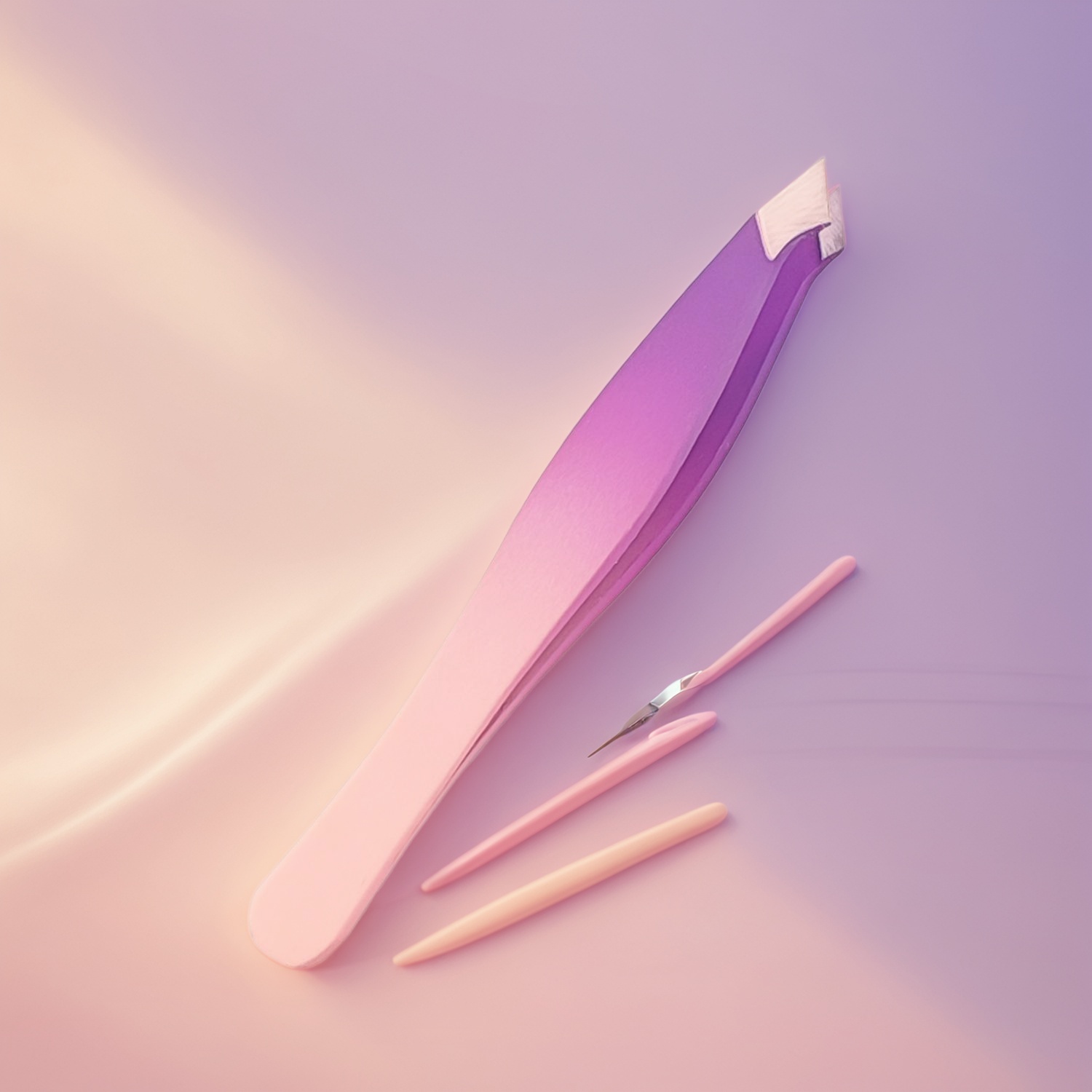
Engraved initials can work well for personalized gifting or limited retail programs. Brand marks may be better for private label lines and wholesale beauty accessories. Finish selection should consider the visual language of the wider collection: soft metallic tones may suit a beauty gift set, while a clean stainless look may fit professional kits. The supplied article mentions selecting finishes and gradient finishes, so buyers can think beyond basic plain tools while still keeping performance as the main standard.
It is also helpful to coordinate tweezers with other items in a line. If the tool will sit beside lash tools, manicure implements or facial grooming accessories, the buyer should consider consistent finish direction, packaging proportions and naming structure. Olimor’s product collections can help buyers think about how one tool fits into a broader beauty-tool range.
Quality Checks Before Placing a Custom Tweezer Order
Quality assurance was emphasized in the supplied product description, including attention from raw material selection to final packaging. Buyers can make that idea practical by preparing a sample review checklist. This is especially useful for private label and export orders because the finished product must match both brand expectations and end-user performance needs.
| Check Point | What to Review | Why It Matters |
|---|---|---|
| Tip meeting | Tips close evenly without visible gaps | Improves grip on fine hair |
| Spring tension | Opening and closing feel controlled | Reduces hand fatigue and improves accuracy |
| Surface finish | Color or polish is even across the body | Supports retail appearance and brand consistency |
| Engraving or logo | Mark is clean, correctly positioned and legible | Protects brand presentation |
| Edge comfort | No rough edges on the handle or tip area | Improves safety and user comfort |
| Packaging | Tips are protected and product is held securely | Helps prevent damage during shipping and display |
Maintenance Guidance for End Users
A useful custom tweezer program should include simple care guidance, either on the package, insert card or product page. Maintenance instructions help customers preserve performance and reduce avoidable damage. The advice does not need to be complicated.
- Wipe the tips after use to remove residue from skin care products or cosmetics.
- Keep the tweezer dry before storage, especially when it is used near sinks or cosmetic stations.
- Store the tool with tip protection when possible to prevent bending or dulling.
- Avoid dropping the tweezer, because impact can affect tip alignment.
- Do not use eyebrow tweezers as a general prying or craft tool; the tips are designed for precision grooming.
These care points are particularly important for personalized tweezers because the customer may treat them as a branded or gift item. Clear maintenance guidance supports both the user experience and the perceived value of the product.
Sourcing Questions for Beauty Brands and Export Buyers
As a China tweezers exporter, Olimor Beauty can support buyers looking for custom beauty tools for different markets. When preparing a project, the most useful approach is to define the target user, selling format and required presentation before discussing decoration. A clear brief helps avoid mismatches between a beautiful sample and a product that is difficult to sell or use.
Consider these questions before finalizing a custom tweezer program:
- Will the tweezer be sold alone, in a kit or as part of a promotional package?
- Is the main user a professional beautician, a salon customer or a general retail consumer?
- Should the finish match other tools in the line?
- Is personalization focused on initials, a brand logo or a decorative surface?
- What packaging format is needed for retail display, e-commerce shipping or kit assembly?
- What sample tests will be used to approve tip grip, tension and finish consistency?
These questions help buyers compare options without relying only on catalog images. They also make communication more efficient when preparing artwork, packaging requirements and sample reviews. For project discussions, buyers can send an inquiry with intended use, finish preference and branding needs, or contact Olimor for guidance on beauty tool sourcing.
Building a Better Custom Tweezer Line
The best custom tweezers combine precise grooming performance with a clear brand purpose. Stainless steel construction, ergonomic handling, personalized engraving, finish options and careful quality checks all contribute to the final user experience. For beauty brands and distributors, the goal is not simply to create a pretty accessory; it is to create a small tool customers trust every time they need controlled grooming.
Start with the end user, choose the tip and handling details carefully, then apply customization that strengthens the product’s identity. When function and branding are developed together, personalized tweezers can become a reliable part of a beauty tool range rather than a one-time novelty item.
Tag: