

Custom Tweezers: How to Personalize Beauty Tools for Precision, Branding and Daily Use
Custom tweezers are a small product category with a large influence on the user experience. For a brow technician, lash artist, salon buyer or beauty brand, the difference between an ordinary tweezer and a well-planned custom tweezer can be seen in control, comfort, consistency and brand presentation. A customized tool is not only about adding a logo or choosing a finish. It is about matching the tweezer shape, tip style, grip surface, material choice and packaging approach to the work it needs to perform.
Olimor Beauty works with beauty tools for professional and consumer use, including OEM custom tweezers and personalized tweezer concepts. Whether you want to design your own tweezers for a retail line or source practical tools for daily salon service, the best decisions start with understanding how tweezers are actually used. A tool for eyebrow shaping may need different tension and tip geometry than a tweezer intended for eyelash applications. A retail gift set may prioritize finish and packaging, while a professional kit may focus on grip, repeatability and easy cleaning.
What Makes Custom Tweezers Worth Considering?
Standard tweezers can be useful, but they often force the buyer to accept a fixed design. Custom tweezers allow the product to be aligned with a specific audience. A salon may want a tool that feels secure during repeated services. A beauty brand may want a recognizable finish that works with its product range. A lash artist may need a precise tip for controlled placement. A retailer may want tweezers that look appealing in a personal grooming kit without sacrificing practical performance.
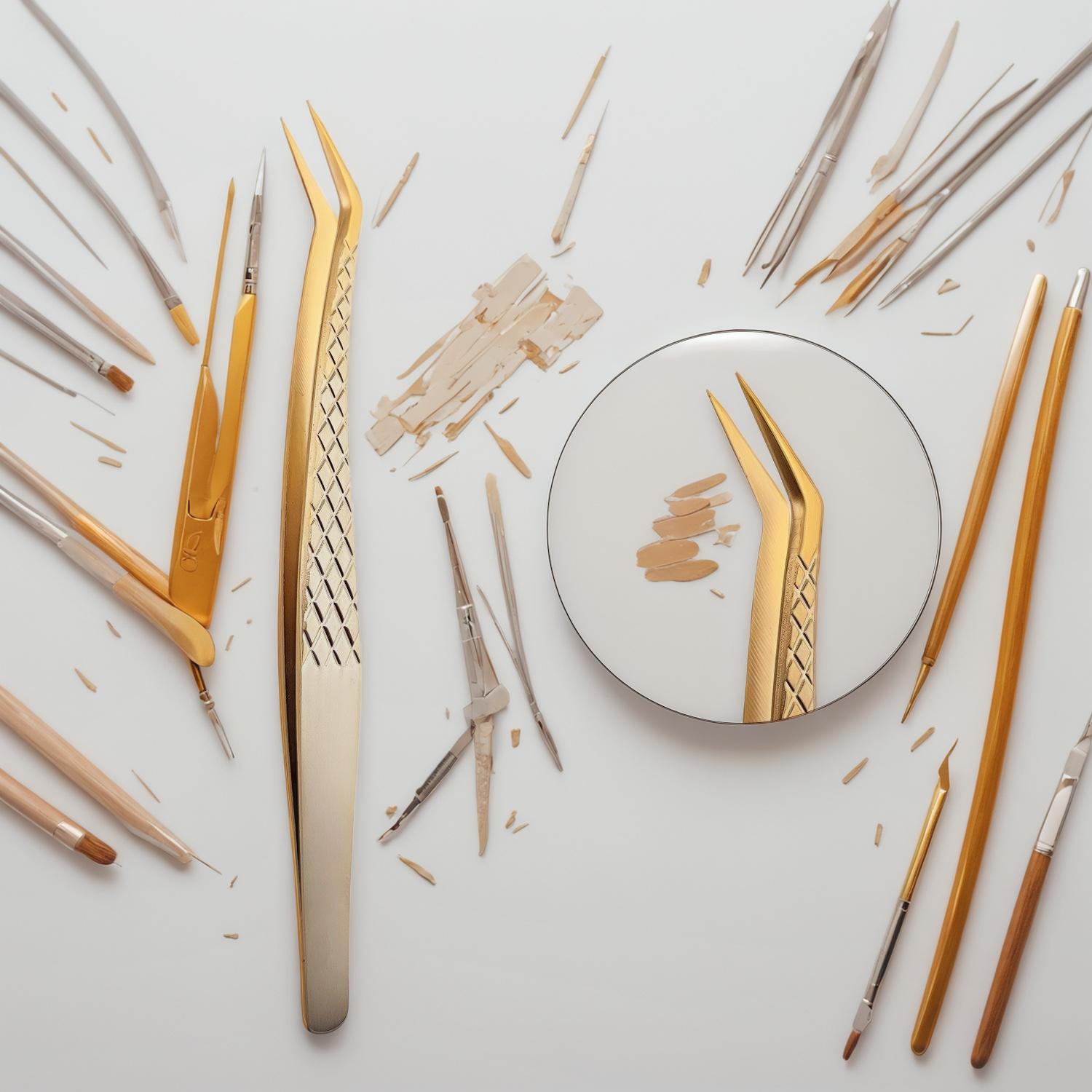
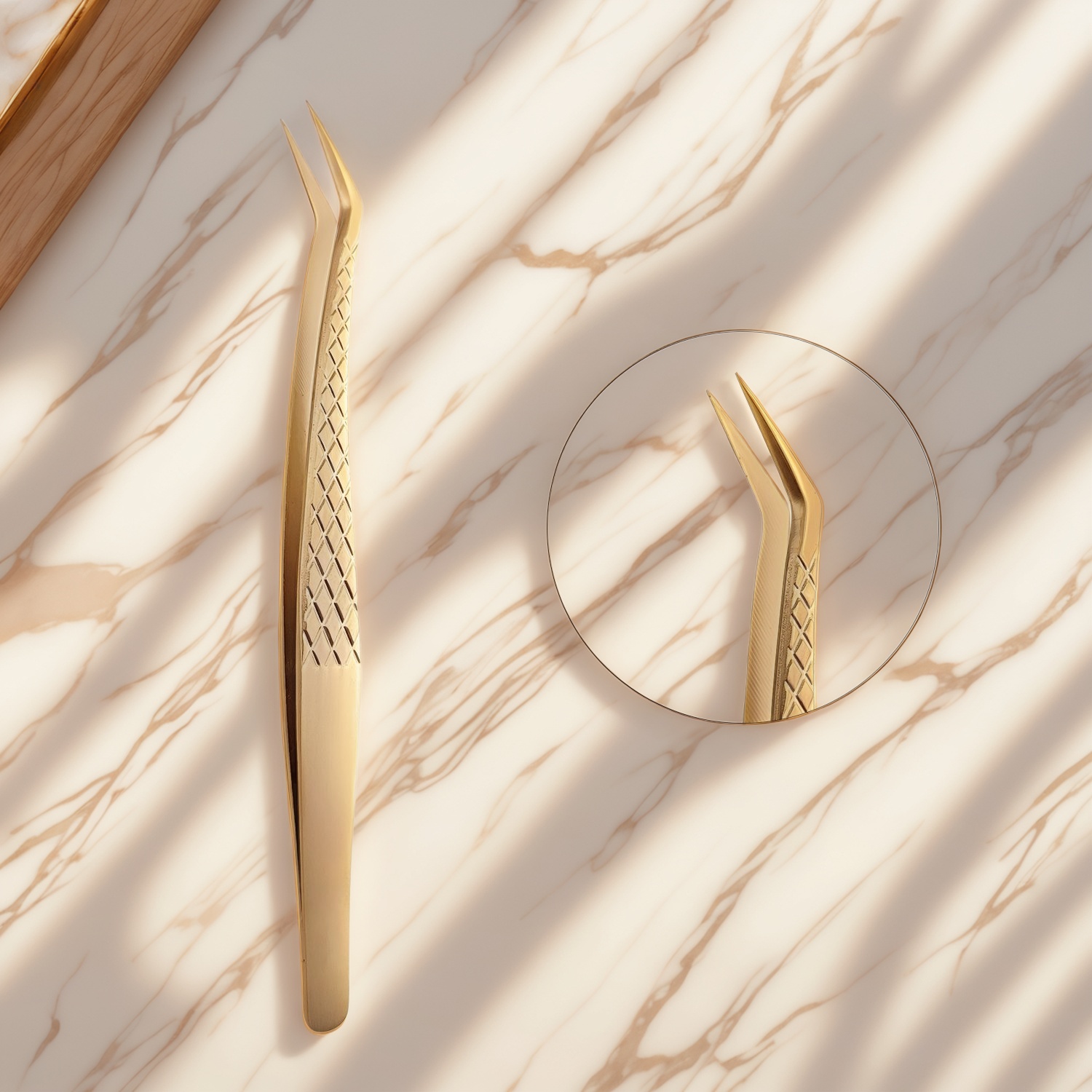
Good customization begins with function. The tweezer should close evenly, feel stable in the fingers and allow the user to target fine hairs or delicate materials accurately. After that, the visual details can support the product story. In the supplied product concept, the use of a gold-plated exterior and diamond-pattern embossing gives the tool a decorative appearance while also supporting grip. Curved, tapered tips can help with pinpoint accuracy when the task requires careful positioning.
For buyers comparing beauty tool products, custom tweezers are useful when the product needs to serve more than one purpose: precise grooming, professional presentation and brand consistency. The most successful designs usually balance these priorities instead of focusing only on appearance.
Choosing the Right Tweezer Features for Your Use Case
Before confirming an OEM custom tweezer design, define the intended user and task. A professional aesthetician, a salon receptionist assembling retail kits and an individual buyer designing personal tweezers may all value different details. The following checklist can help clarify the main decisions.
- Tip shape: Curved and tapered tips are helpful for targeted work where the user needs to see and control the contact point. For brow shaping and eyelash-related tasks, tip alignment and smooth closure are especially important.
- Grip texture: Diamond-pattern embossing can make the tweezer easier to hold, particularly when hands are moving frequently during service work. Grip should feel secure without creating discomfort.
- Body tension: The tweezer should spring back predictably. Too much tension can tire the hand; too little can reduce control.
- Material choice: The original product description refers to high-grade stainless steel, a common choice for beauty tweezers because it supports durability and routine cleaning when properly finished.
- Finish: A gold-plated exterior can create a polished retail or salon appearance. Buyers should consider how the finish fits their brand colors and packaging.
- Branding area: Logos or decorative marks should be placed where they are visible but not distracting during use.
- Packaging: Packaging should protect the tip, support hygiene expectations and communicate the product clearly at retail or in professional kits.
These choices should be reviewed together. A beautiful finish will not compensate for poorly aligned tips, and a technically strong tweezer may still miss its audience if the grip, color and presentation do not match the intended market.
OEM Custom Tweezers for Salons, Retail Lines and Beauty Brands
OEM custom tweezers are most useful when a business needs a tool produced to specific requirements. This can include branded tweezers for a salon chain, retail tweezers for a beauty line, or specialized tools for professionals who need consistent handling. In an OEM project, the buyer should think beyond the single sample. The goal is to create a repeatable product that can be inspected, packaged and presented in a consistent way.
For professional use, the tweezer should support repetitive work. Brow shaping and eyelash applications require control at the tip, predictable hand pressure and a body design that does not slip easily. Ergonomic considerations matter because technicians may use the same type of tool many times in a day. A surface pattern, balanced tension and comfortable width can reduce strain and improve control.
For retail use, the customer may judge the product quickly by appearance, packaging and how the tweezer feels when first handled. A gold-plated finish, clean logo placement and a protective package can help communicate care and quality. However, the buyer should still prioritize functional checks. Retail customers remember whether the tweezer actually grips fine hairs; visual design can attract attention, but performance builds trust.
If you are developing a wider beauty tool assortment, it may help to review related product collections so the tweezer finish, packaging language and overall product direction feel consistent.
Design Your Own Tweezers Without Overcomplicating the Product
The phrase “design your own tweezers” can suggest limitless options, but the strongest products usually come from a focused brief. Instead of adding every possible feature, identify what the tool must do better than a generic alternative. Is it for accurate brow cleanup? Is it intended for lash work? Will it be sold as a premium grooming accessory? Will it sit inside a larger kit?
A practical design process can follow these steps:
- Define the user: Decide whether the primary audience is a professional technician, a retail consumer, a salon buyer or a gift-set customer.
- Select the working tip: Choose a tip style that supports the intended service. Curved, tapered tips suit tasks where accurate placement and visibility are important.
- Confirm the hand feel: Review tension, width and grip surface. Diamond-pattern embossing may be useful when a secure hold is part of the product concept.
- Choose the finish: A gold-plated exterior can give a refined appearance, but the finish should also match the brand and packaging.
- Plan branding and packaging: Make sure the logo, product name and any instructions are clear, simple and aligned with the selling channel.
- Check consistency: Evaluate samples for tip alignment, surface quality, smooth closure and packaging protection before moving forward.
This approach helps keep the project efficient. It also prevents a common sourcing problem: investing in decoration before confirming the tool’s practical performance.
Quality Checks Buyers Should Not Skip
Because tweezers are precision tools, small defects can affect the entire user experience. The original product description highlights inspections from raw materials to packaging, and that mindset is important for any custom tweezer order. Buyers should establish a checklist that covers both function and presentation.
Start with the tips. They should meet evenly and close smoothly without twisting. The edges should feel controlled, not rough. Next, check tension. The tool should open and close with repeatable resistance. Then inspect the finish for visible marks, uneven coating or areas that may distract from the product’s appearance. If the tweezer has a grip pattern, confirm that it is consistent and comfortable to hold.
Packaging deserves attention as well. A tweezer tip can be damaged during storage or transit if it is not protected. For retail products, packaging should also make the product easy to understand. Clear labeling, clean presentation and protective structure are especially important for branded custom tweezers.
How Olimor Beauty Supports Custom Tweezer Projects
Olimor Beauty focuses on beauty tools that combine usable design with professional presentation. For custom tweezers, that means helping buyers think through the practical details: stainless steel construction, ergonomic design, tip accuracy, grip texture, finish selection and packaging considerations. The aim is to create a tweezer that looks appropriate for the brand while still performing reliably during grooming or beauty service tasks.
Custom tweezers can be a good fit for salons that want branded tools, beauty companies building an OEM line, or individuals looking for a more personal grooming accessory. The key is to choose features for a reason. A gold-plated exterior may support a premium look. Diamond-pattern embossing can help with grip. Curved, tapered tips can support careful work. Each element should serve the intended user rather than simply adding decoration.
If you are comparing options for OEM custom tweezers or planning to design your own tweezers for a product line, prepare a clear brief with your target user, preferred finish, tip style, branding needs and packaging expectations. To discuss a custom beauty tool project, you can contact Olimor or send an inquiry with the main details of your requirement.
Final Buying Guidance
The best custom tweezers are not defined by appearance alone. They are defined by how well the design supports the task, how consistently the tool performs and how clearly the finished product represents the brand. For professional users, comfort and precision come first. For retail buyers, presentation and dependable grip both matter. For OEM projects, repeatability and inspection should be planned from the beginning.
When evaluating a custom tweezer, hold the sample, test the closure, examine the tip, inspect the finish and consider the packaging as part of the total product. A well-designed tweezer is simple, precise and easy to understand. With thoughtful choices, custom tweezers can become a practical and recognizable part of a beauty tool range.
Tag: